Overall impression: Feedback on St. John’s Home is highly mixed, with a clear split between families who describe warm, effective care and those who identify recurring operational failures. Positive accounts highlight strong therapy services, active recreation programming, a pleasant campus environment, and a memory-care unit that many families find attentive. Negative accounts center on systemic issues that affect day-to-day care and safety.
Care quality and clinical concerns: Many families praised individual nurses, therapists, and aides who provide compassionate, technically competent care. At the same time, persistent concerns describe delays in responding to call bells, extended waits for personal-care assistance, inconsistent bathing and hygiene schedules, and lapses in wound/incontinence-related care practices. Reviews also describe inconsistent medication timing and gaps in pain-management responsiveness. These patterns suggest variability in bedside coverage and clinical follow-through between shifts and units.
Staffing and supervision: A dominant theme is understaffing and high reliance on temporary or agency personnel. Reviewers indicate uneven training, irregular supervision, and instances of unprofessional conduct (e.g., aides distracted by personal devices, inconsistent attire, and perceived rudeness). Positive remarks about individual staff members coexist with descriptions of turnover and morale issues that appear to contribute to inconsistent performance and supervision on the floors.
Dining and nutrition: Opinions on meals are mixed. Some families appreciate the variety, café-style options, and particular meal successes; others describe cold or low-quality meals, delayed service, and spills requiring prompt attention. Meal continuity and presentation appear inconsistent across shifts and dining units.
Activities and social life: Activity programming and social engagement are frequently cited as strengths. The facility offers regular organized activities, exercise classes, arts and crafts, seasonal events, and transportation for appointments and outings. The memory-care unit and rehabilitation programs receive particular praise for meaningful engagement. However, a few units — especially some long-term or rehabilitative areas — are described as having limited resident interaction and loneliness for some residents.
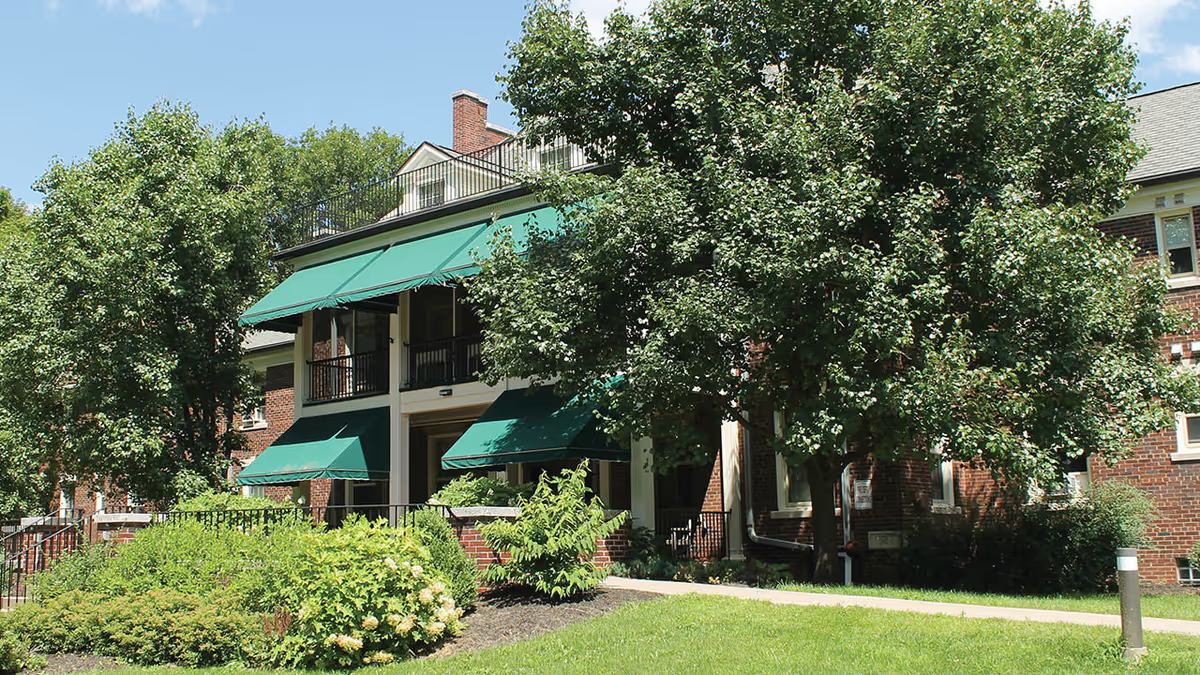
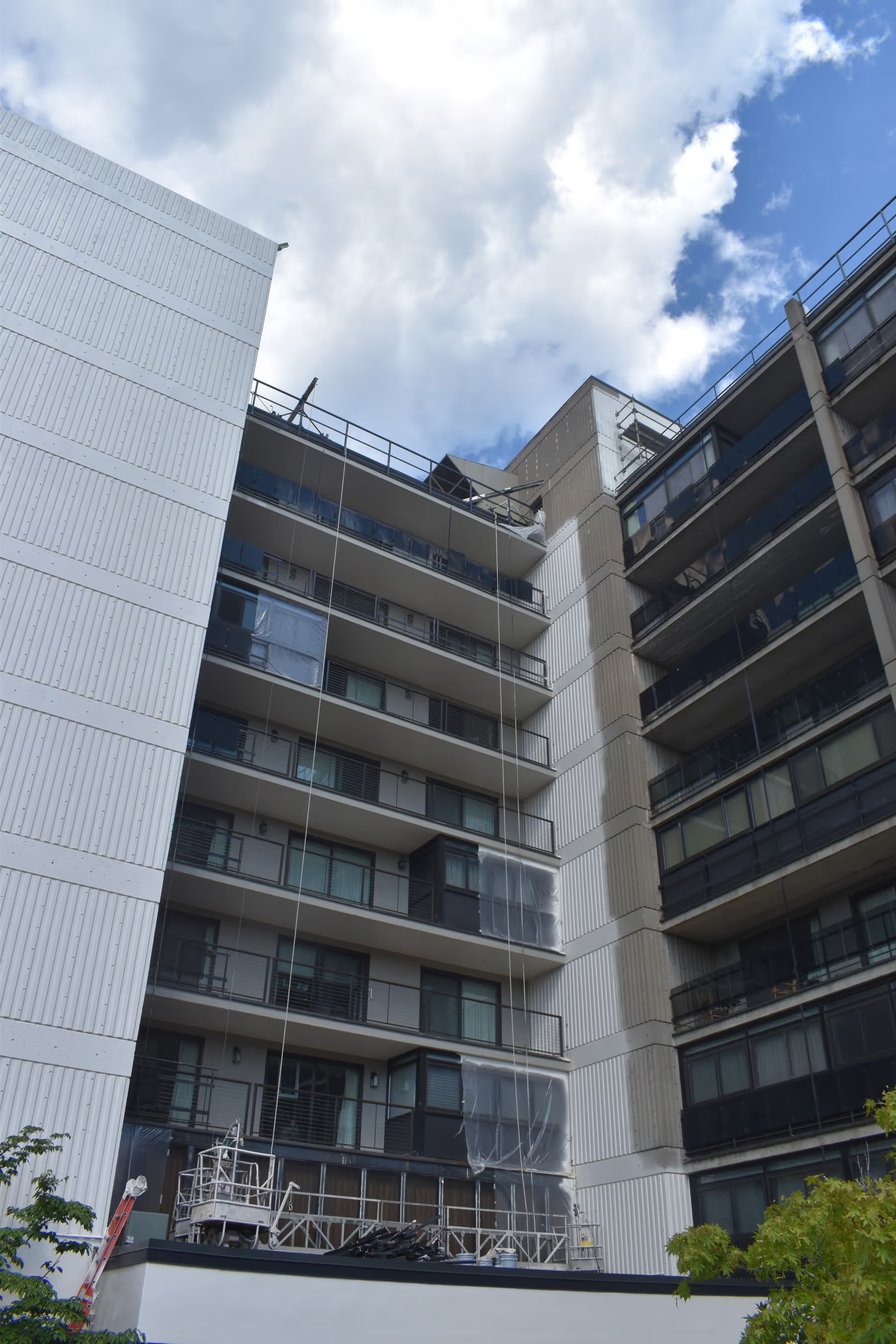
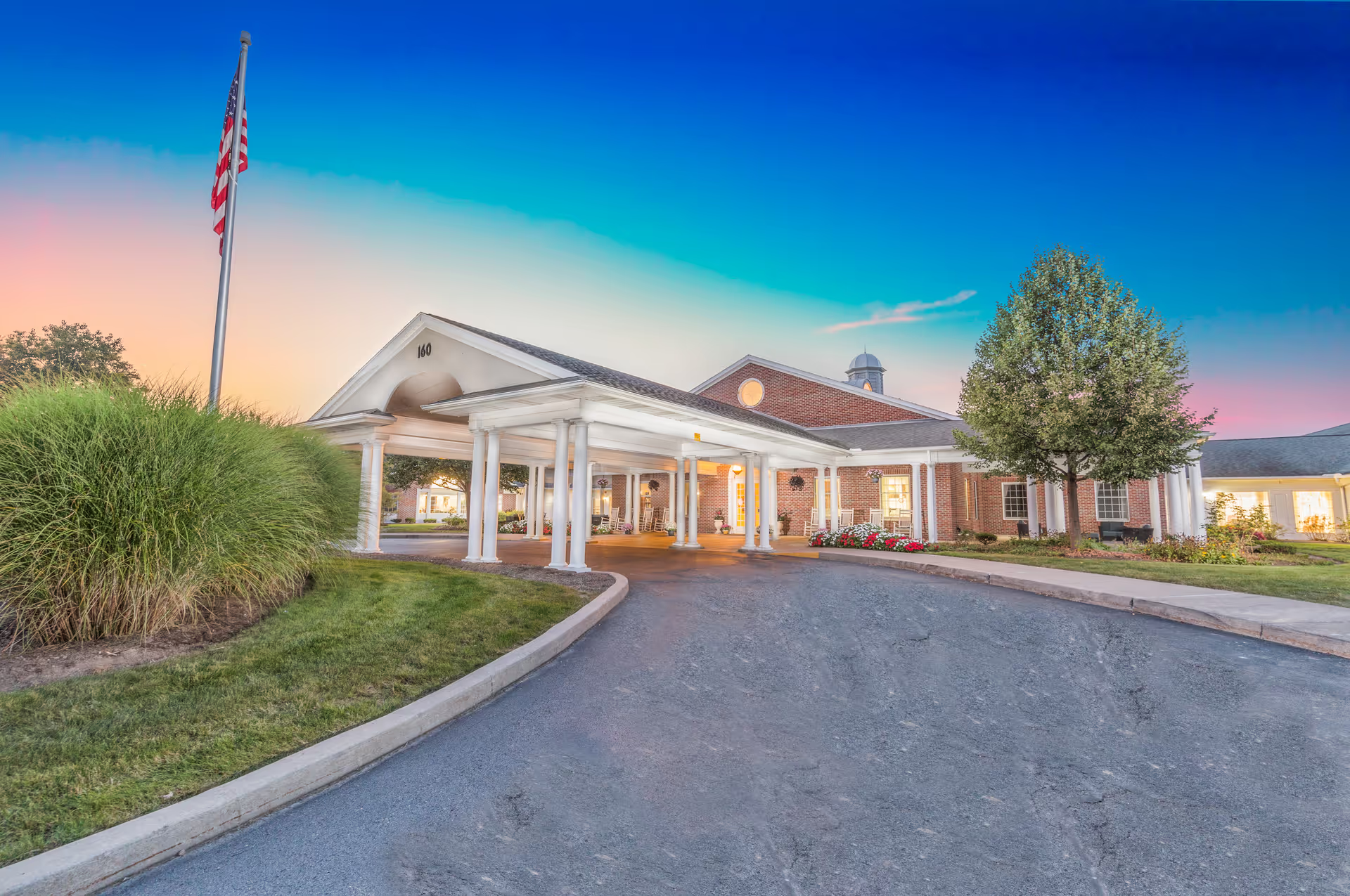
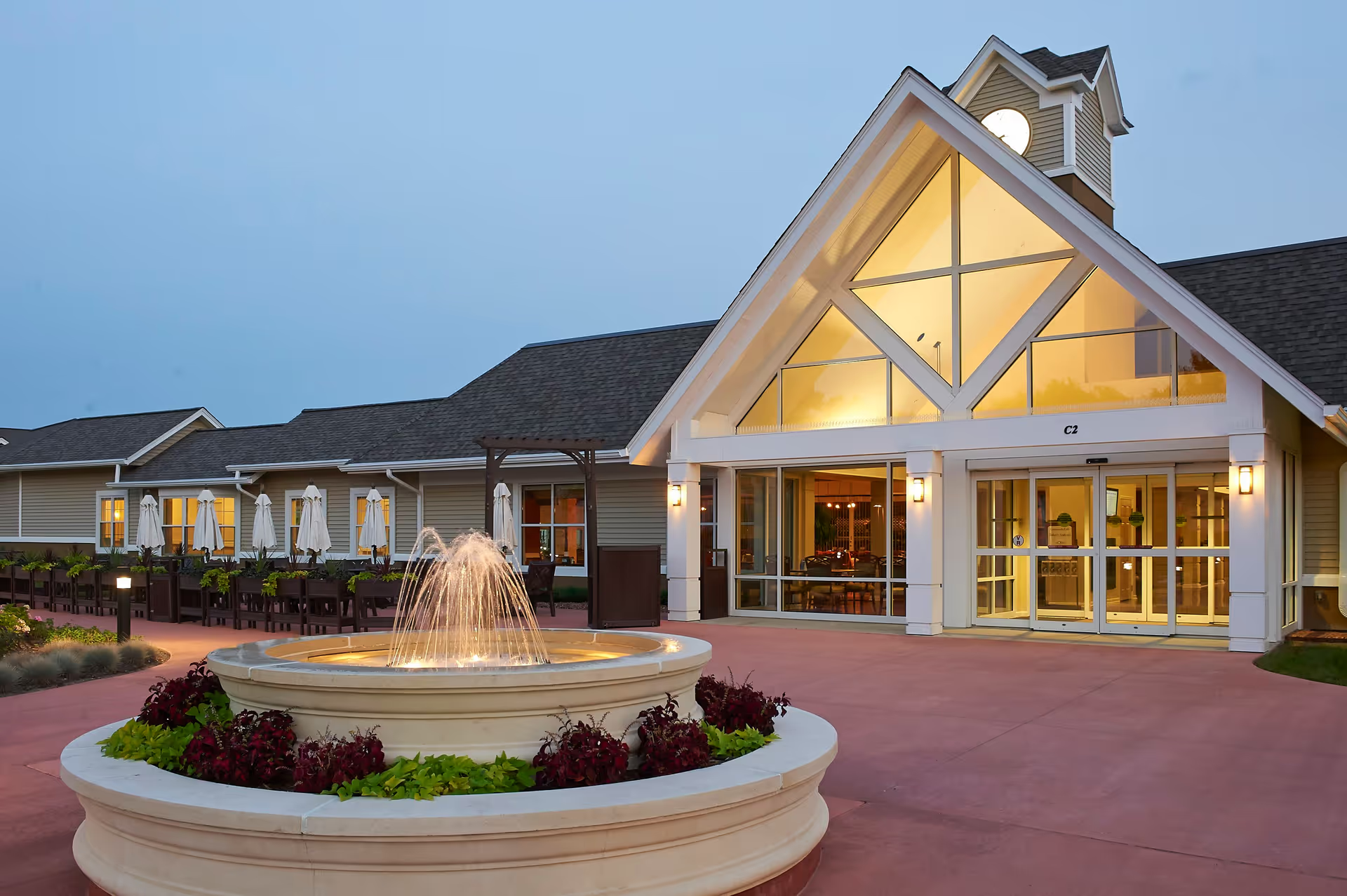
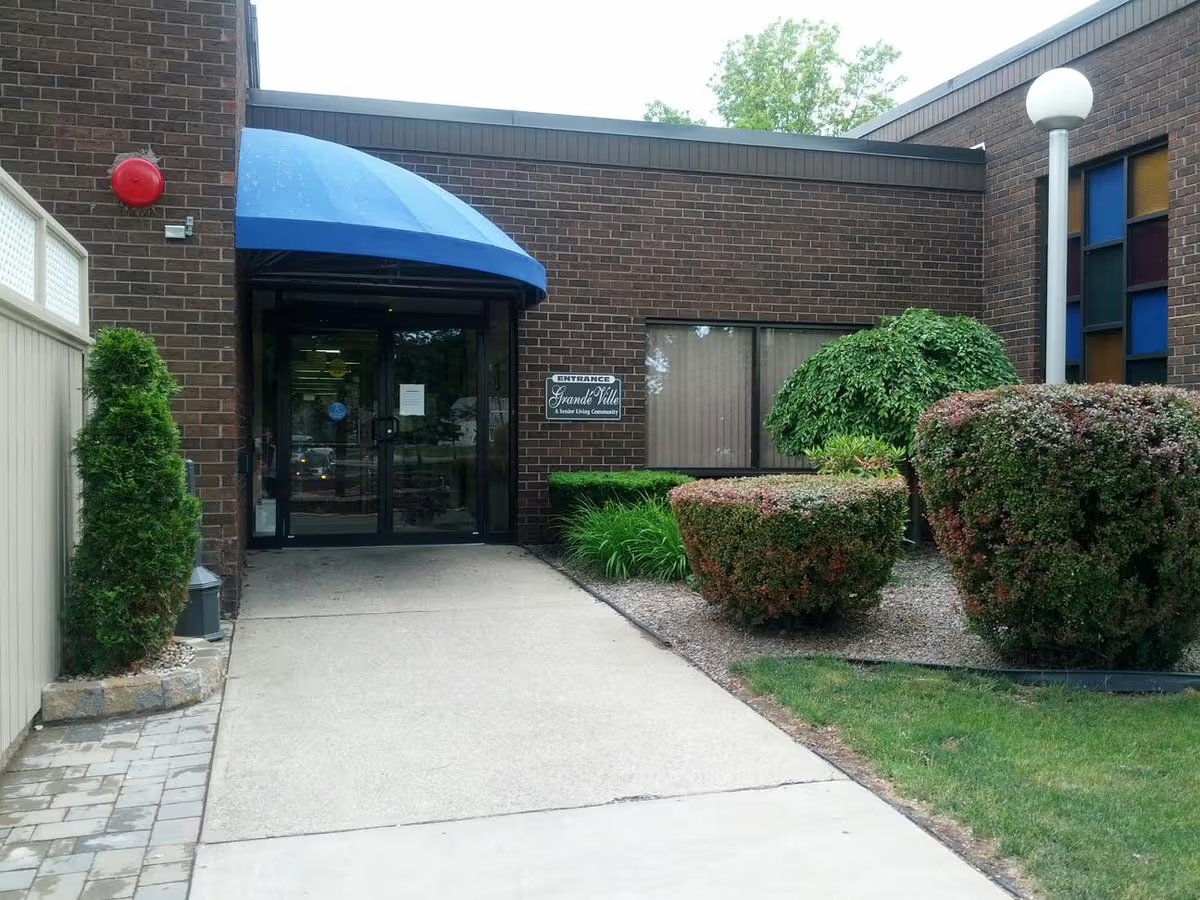
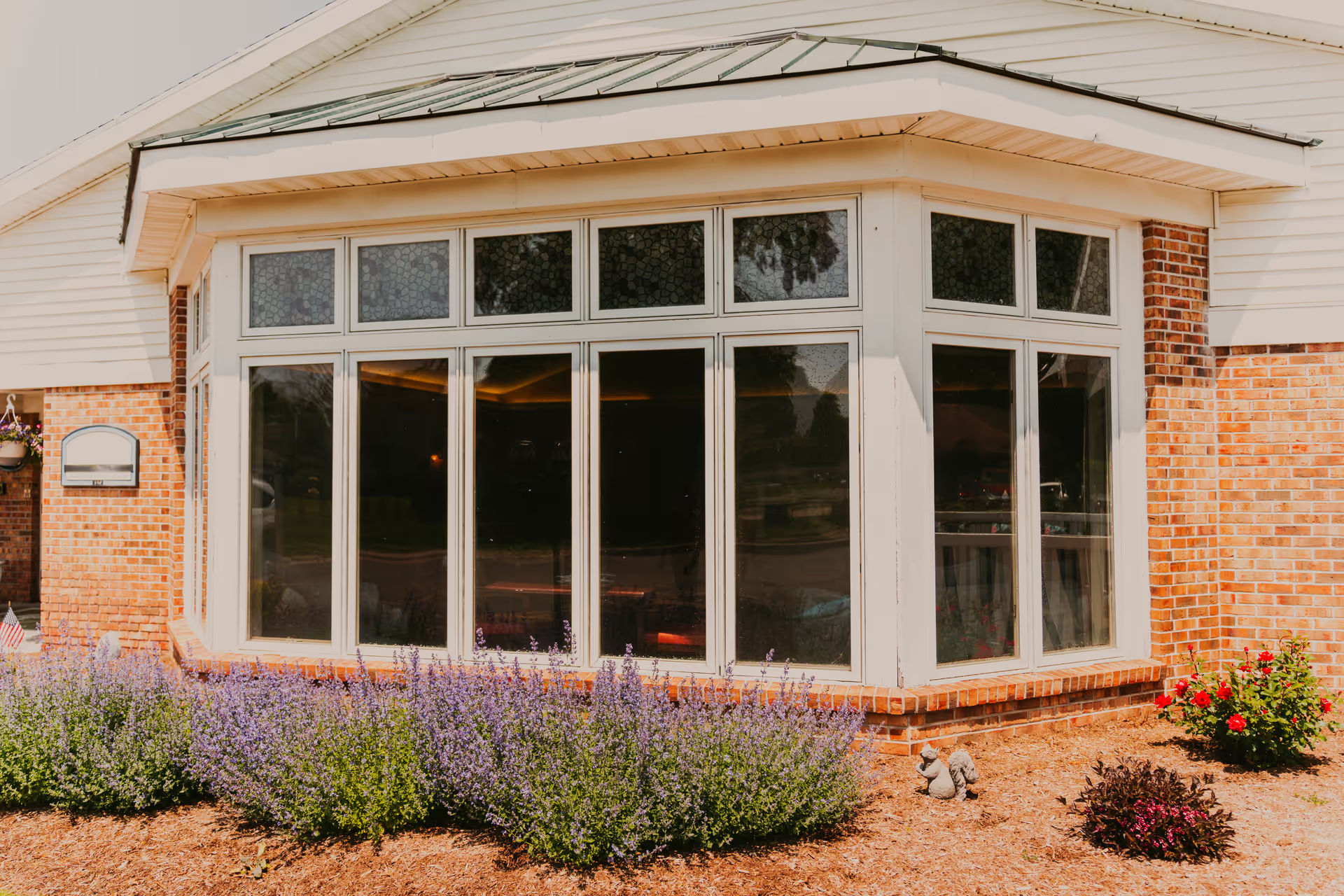
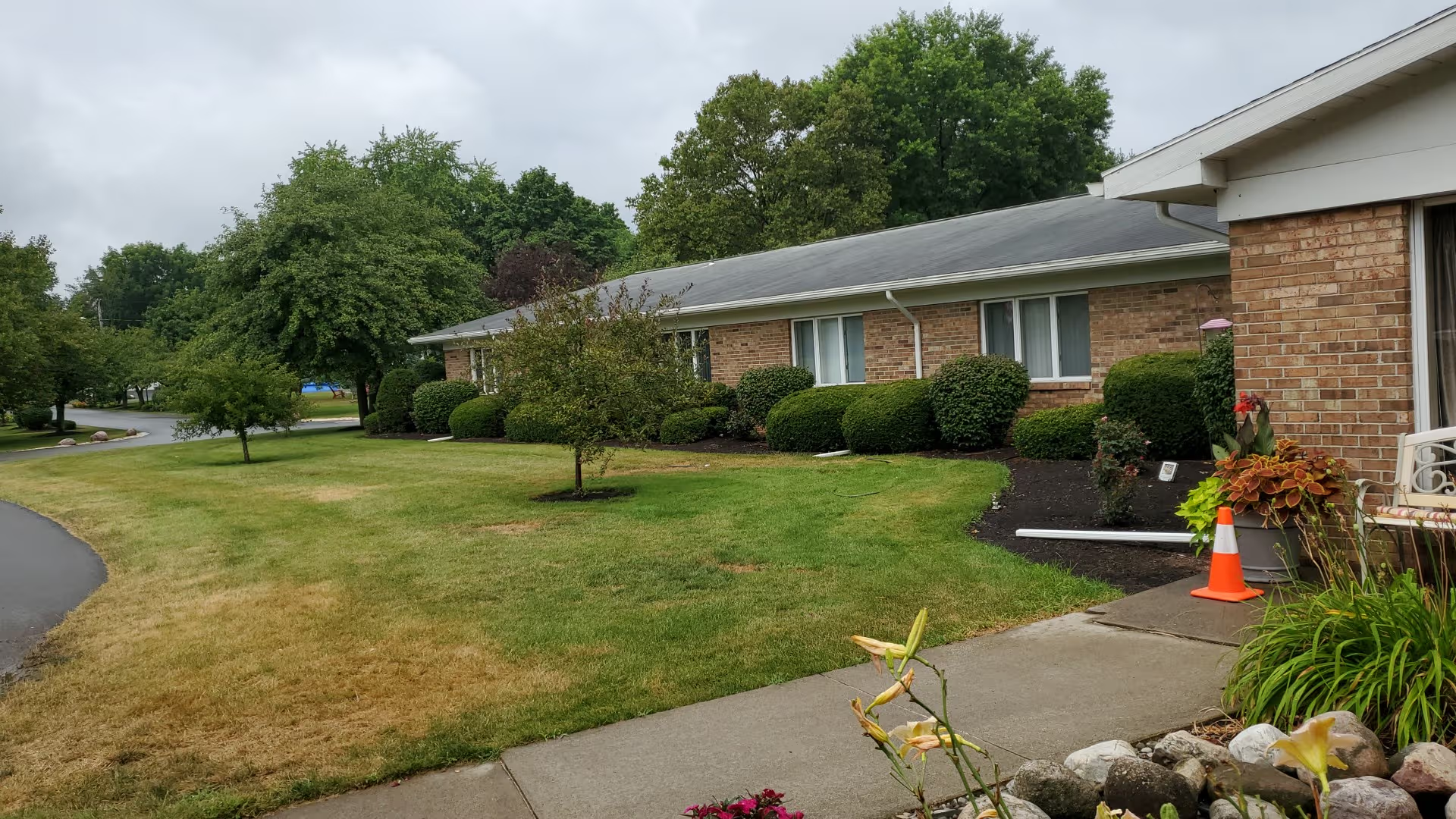
Facilities and housekeeping: Many reviewers describe well-kept common areas, an attractive courtyard, and useful on-site amenities. Conversely, room-level housekeeping and maintenance are recurring concerns: delayed room cleanings, bathroom maintenance needs, and occasional sanitation-related issues. There are also multiple mentions of pest-control concerns in certain units and general maintenance gaps in dated parts of the building.
Management, communication, and safety processes: Communication with administration, social work, and clinical leadership is repeatedly identified as problematic. Families describe difficulty reaching supervisors, voicemail reliance, delayed incident notifications, and unsatisfactory follow-up on missing items or security incidents. Several reviews reference regulatory measures and a low CMS quality rating; prospective families should review the facility’s current regulatory status. Concerns about unequal treatment based on pay status and inconsistent oversight of agency staff point to structural management issues rather than isolated events.
Notable patterns and guidance for prospective families: The pattern is one of variability — some residents receive high-quality, attentive care and benefit from robust therapy and activity offerings, while others experience operational shortfalls tied to staffing, housekeeping, and communication. Before placing a loved one, families should ask about current staffing ratios for the specific unit, agency-staff usage, recent CMS citations and corrective actions, infection-control policies, incident-notification procedures, laundry and valuables management, and how the facility handles night and weekend coverage. An in-person tour that includes observation of a mealtime, an activity session, medication administration, and a conversation with unit leadership can help gauge whether the facility’s strengths are being delivered consistently for the intended level of care.