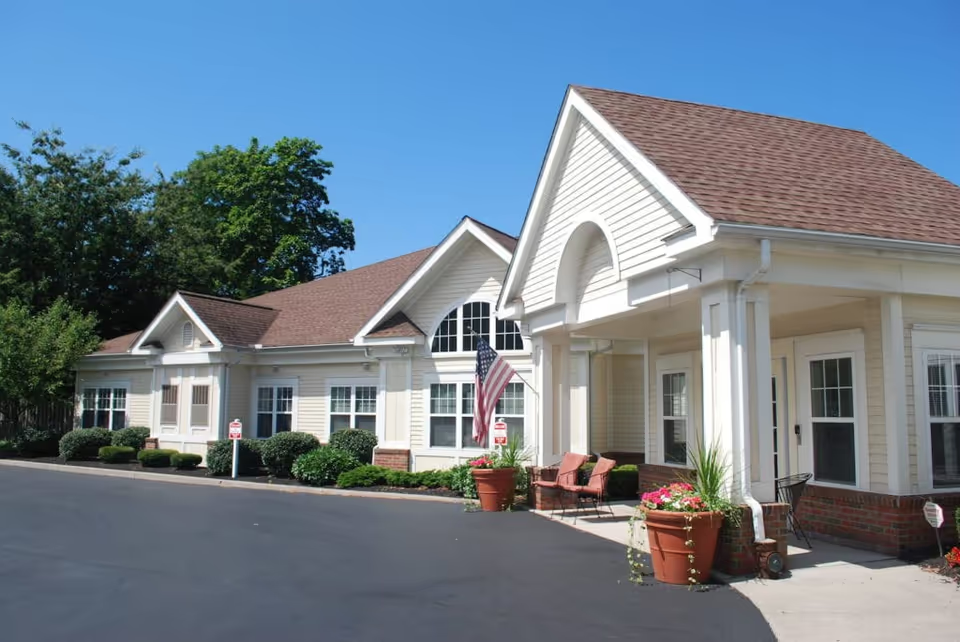
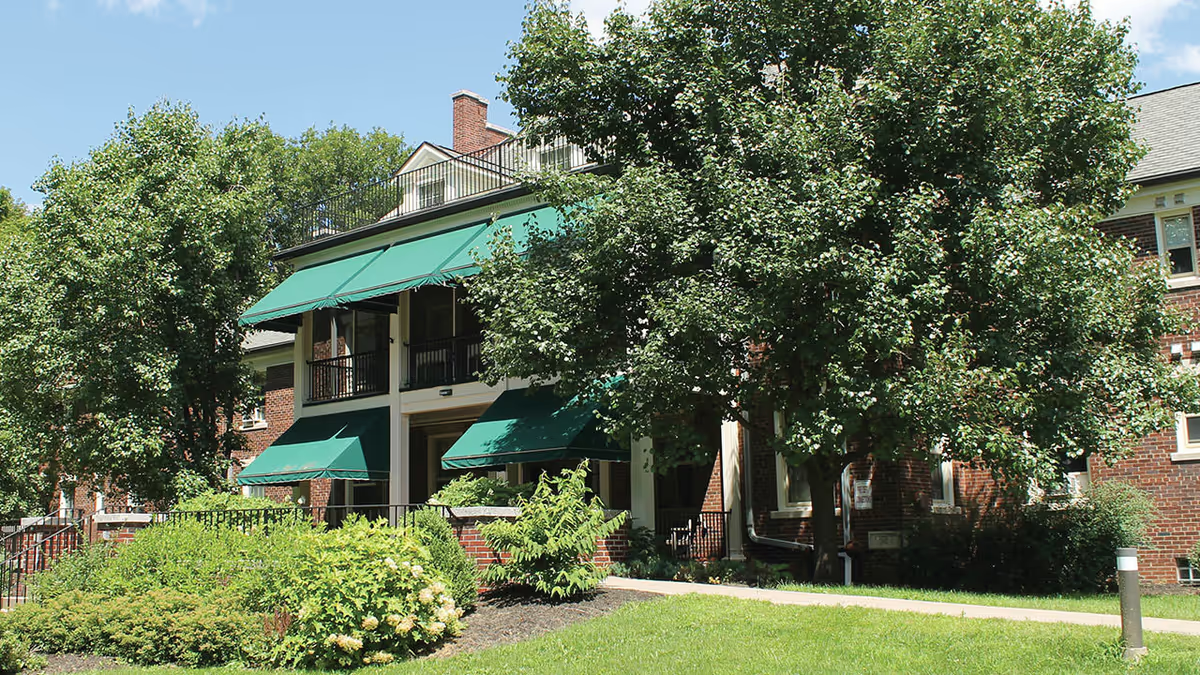
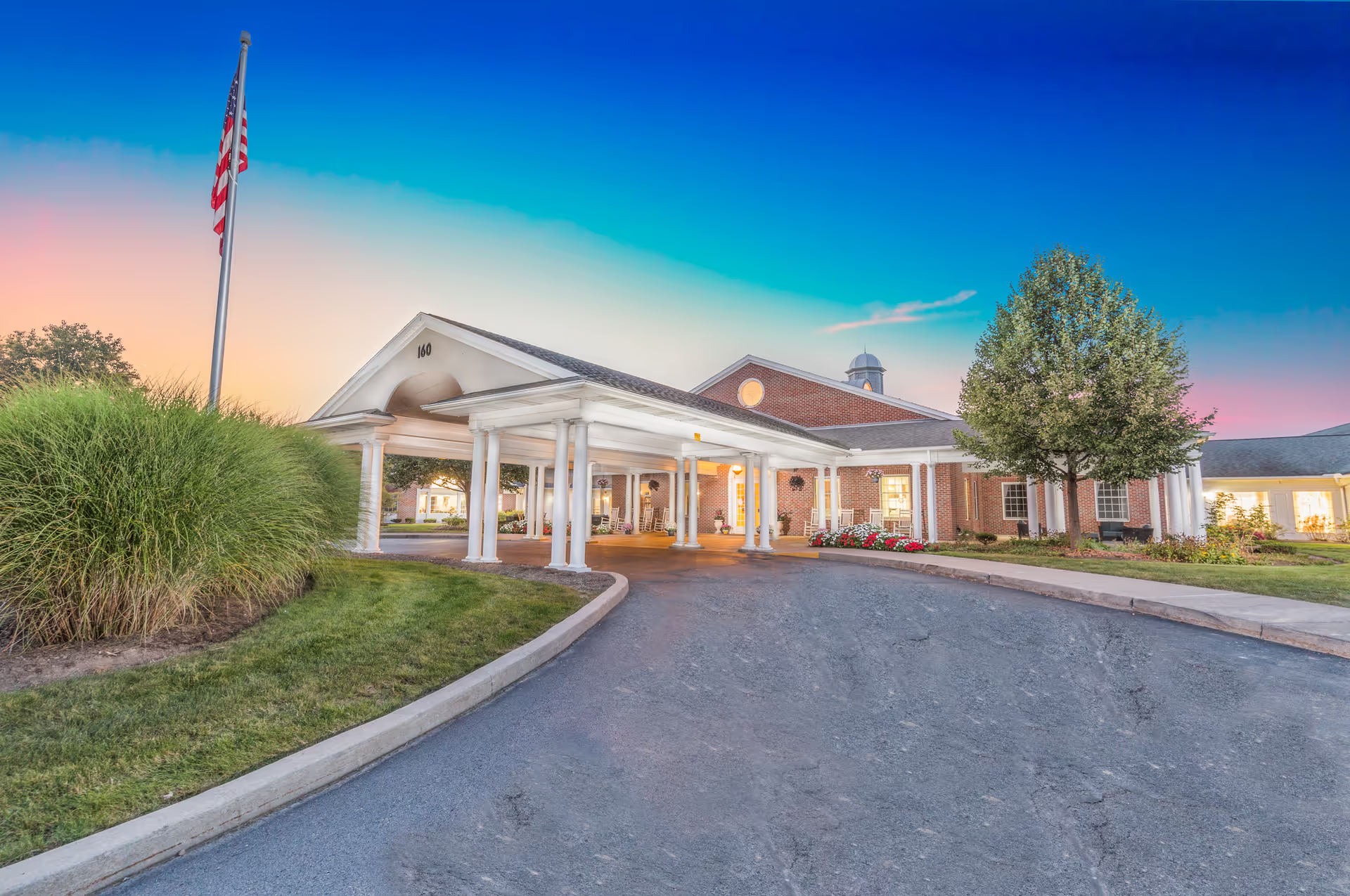
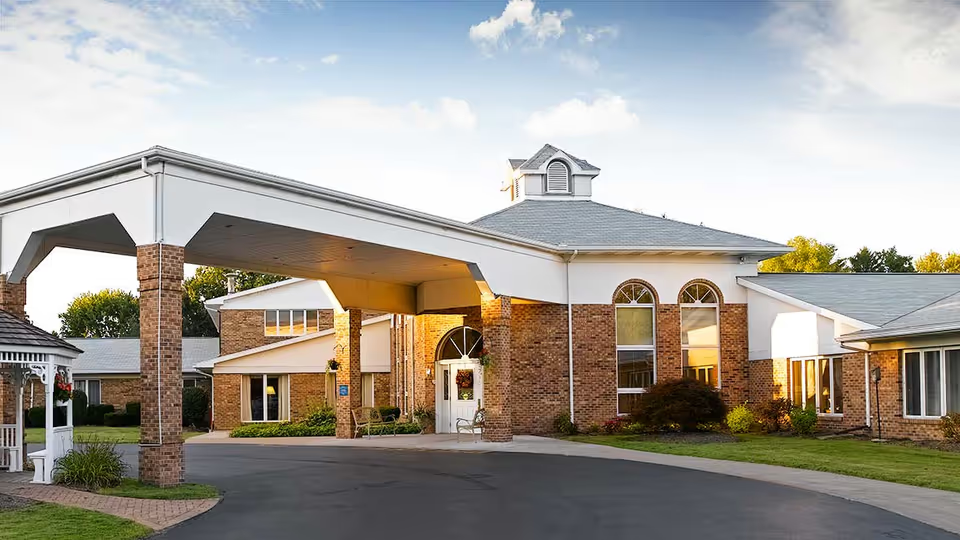
Overall impression: St. John's Meadows is described as a well-appointed, activity-rich retirement community with a strong emphasis on social programming, fitness and on-site amenities. Reviewers consistently highlight long-tenured, personable staff; a lively calendar of lectures, clubs, arts and crafts, exercise classes and entertainment; and extensive facilities such as an indoor heated pool, gyms, libraries, movie room, beauty salon, woodshop and a Market Café. The community is frequently characterized as clean, attractive and socially cohesive, with many residents finding it easy to make friends and stay engaged.
Care and staff: Staff are commonly praised for being attentive, welcoming and familiar with residents' names. Long-term employees, on-site elder-advocate services, helpful main office personnel and proactive transportation staff are noted strengths. However, several reviewers raised concerns about administrative responsiveness and follow-up when incidents occur; this includes perceived delays or gaps in communication and investigation. Clinically, the community appears oriented toward independent and assisted living levels with graduated care pathways, but it does not offer co-located skilled nursing, so residents requiring higher-acuity services should confirm continuity-of-care options before moving in.
Dining: Dining is frequently cited as a positive feature — daily meals, a Market Café, personalized meal accommodations and options for all-inclusive or pay-as-you-go plans receive commendation. Reviewers also point to high-quality, varied menus and convenience services such as apartment delivery. That said, there are isolated concerns about inconsistent meal quality and at least one instance of suspected foodborne illness; prospective residents should ask about food-safety and quality-monitoring protocols and sample meals during a visit.
Activities and amenities: The breadth of programming is a clear asset. Swimming, fitness classes, massage services, lectures, clubs, crafts and on-site clinics (for example, vaccine clinics) support active lifestyles. Transportation services are described as robust and convenient. Housing options range from one-bedroom units to perimeter small homes and central-building apartments; however, preferred layouts such as units with a second bathroom may have waitlists. The campus is pet-friendly and offers garage parking and well-maintained landscaping, which many residents appreciate.
Facilities, access and safety: The physical plant is generally regarded as clean and attractive, but the campus layout can be complex to learn and may make access to some services less direct. Site access has been called out as a concern because the entrance is on a busy road without a traffic light, creating challenging left turns for drivers. More serious are the security-related issues some reviewers described, including alleged theft and burglary and perceptions of inadequate incident-response processes; these accounts point to potential gaps in security protocols, surveillance, and family communication following incidents.
Management and notable patterns: The community operates a straightforward pricing model and offers a range of services that many residents find good value for cost. At the same time, a recurrent theme is the need for clearer, more consistent communication from leadership and stronger, documented procedures for incident investigation and follow-up. Some reviewers expressed a perception that financial considerations influence decision-making; prospective residents and families may wish to discuss policy details, escalation paths for complaints, and how the community balances business operations with resident-centered care.
Bottom line and practical advice: St. John's Meadows appears to be a strong choice for independent and active seniors seeking abundant programming, robust amenities and a socially engaging environment. Before committing, prospective residents should (1) verify assisted-care and skilled-nursing transition options if higher-acuity care may be needed in the future, (2) review dining quality and food-safety procedures and sample meals, (3) ask about security measures and incident-response protocols, and (4) confirm availability of specific floor plans and parking preferences. A daytime visit during an activity and a direct conversation with both staff and residents will help assess whether the community’s operational practices match your priorities.