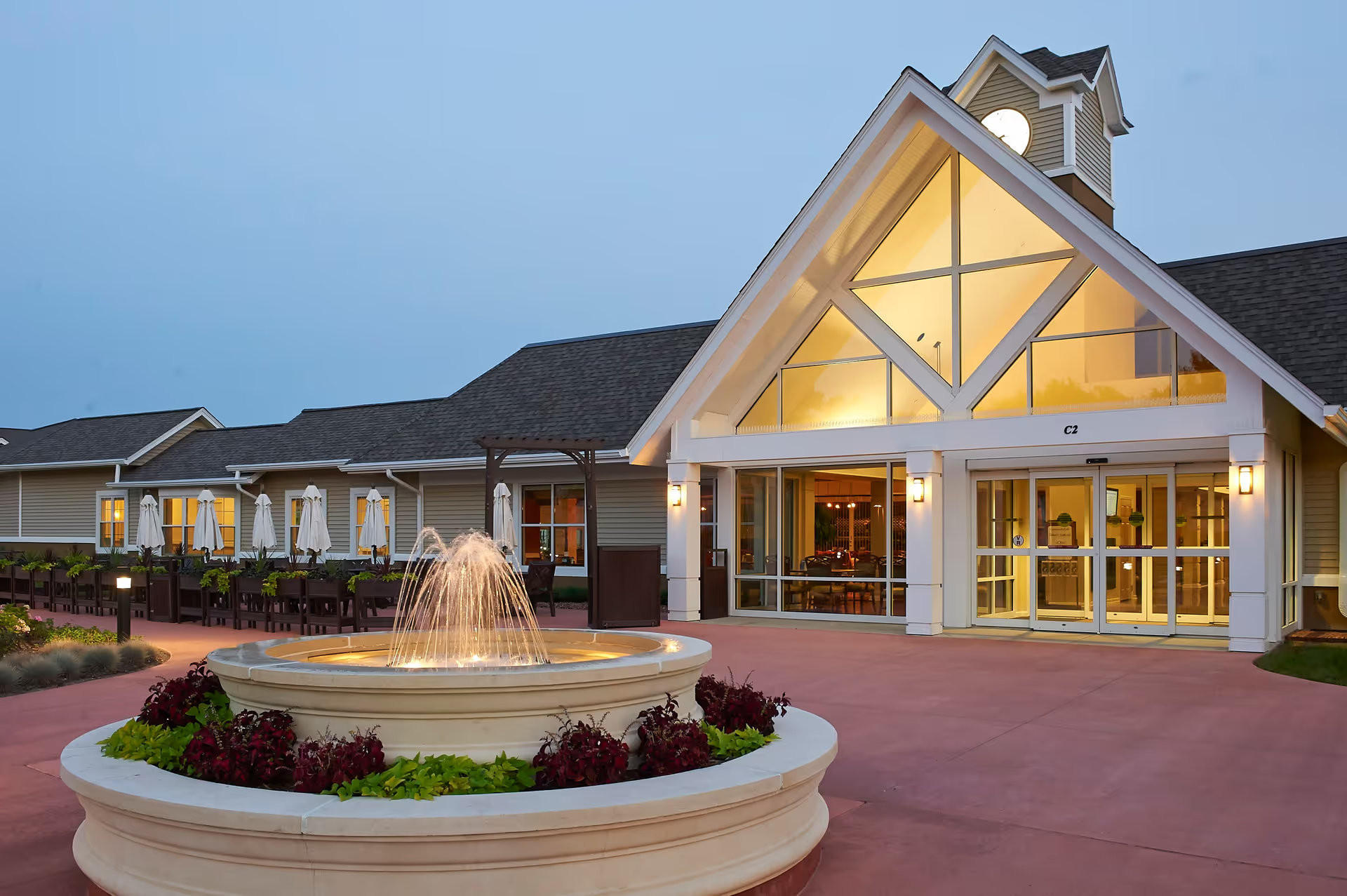
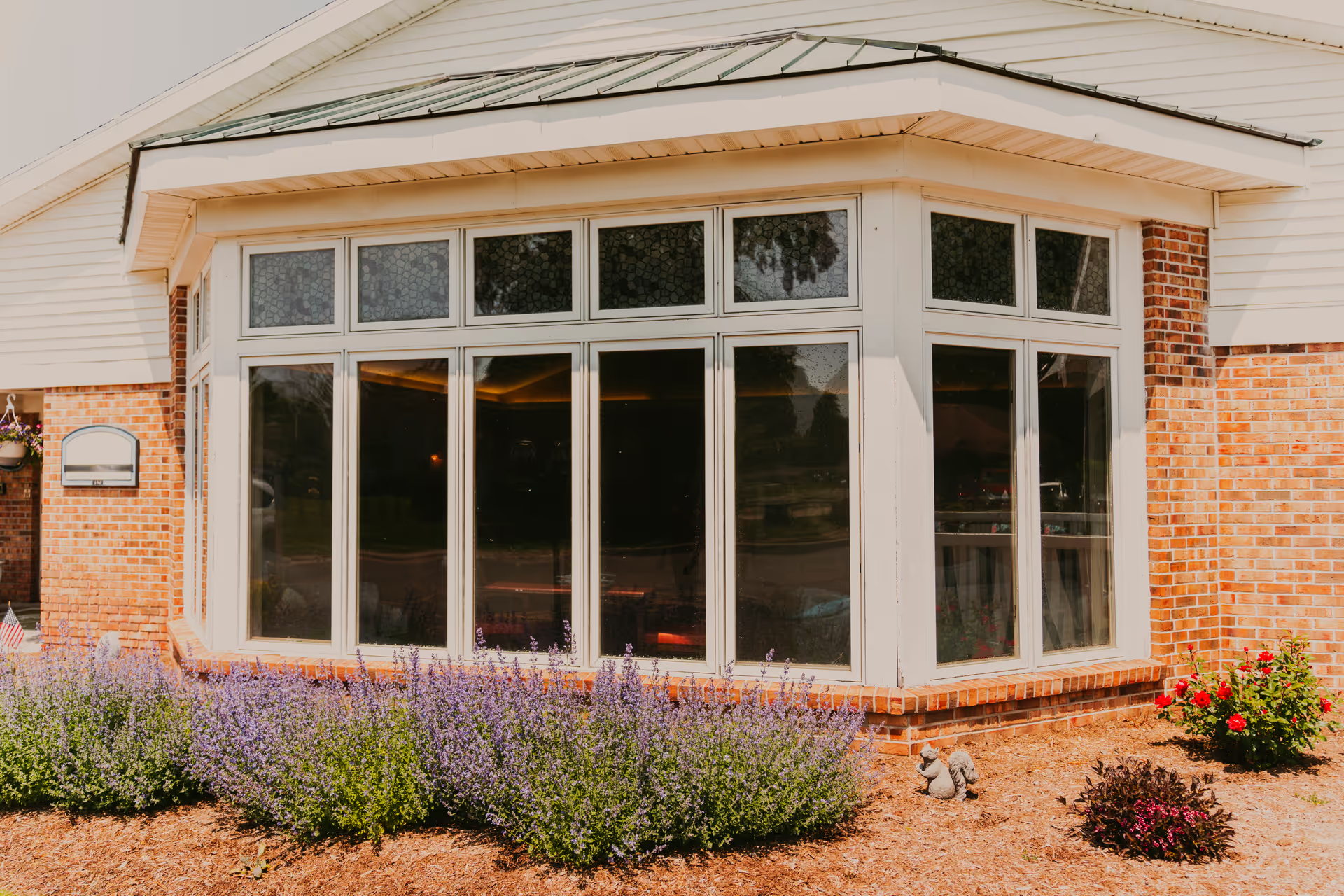
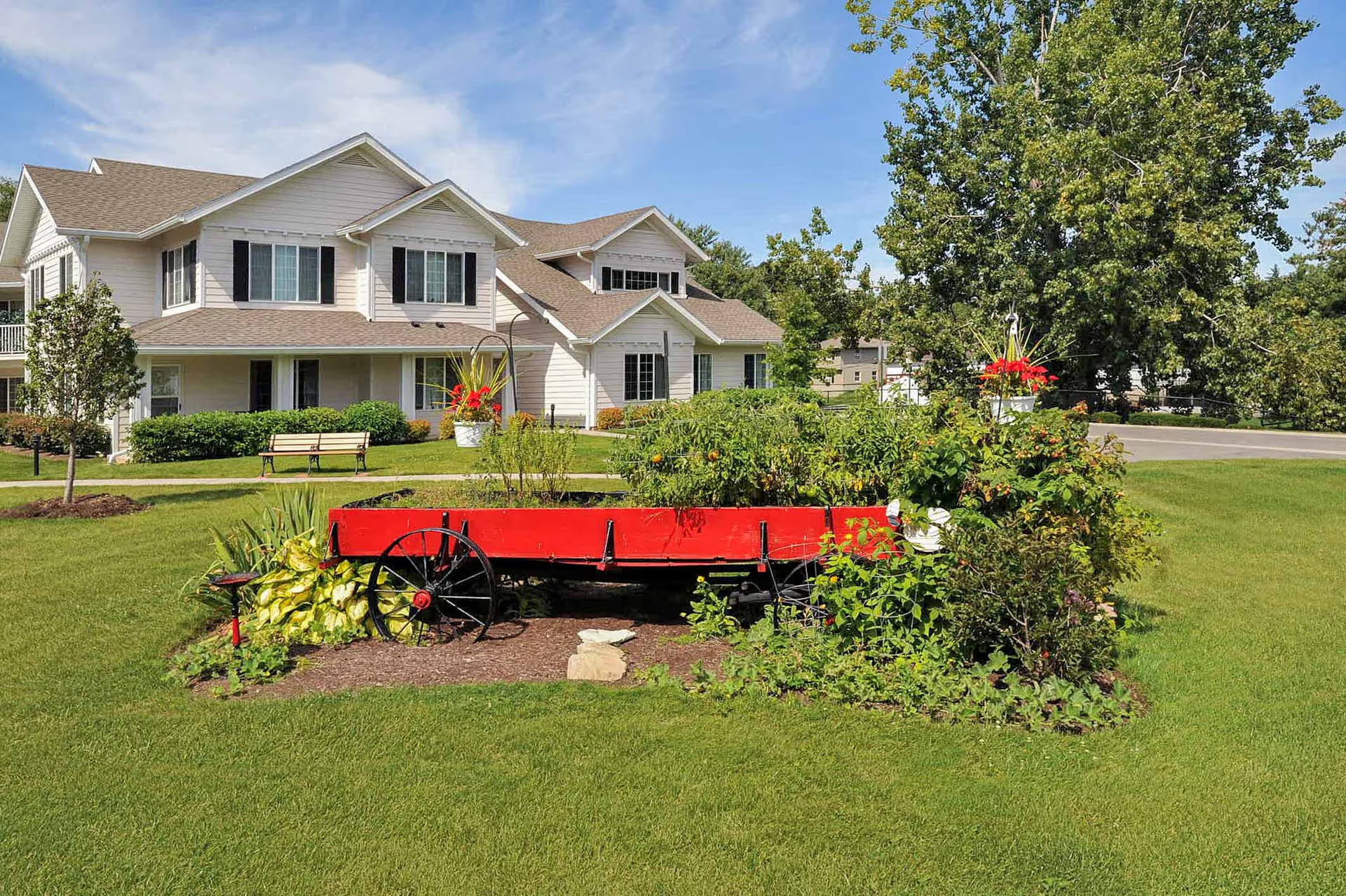
The reviews for Wesley Gardens present a highly mixed picture: there are multiple comments praising individual caregivers, therapy teams, and social workers, while there are also persistent operational concerns that recur across reviews. Positive accounts emphasize compassionate, attentive staff—particularly certain CNAs, nurse managers, and the rehabilitation/therapy teams—and describe a warm, community-oriented atmosphere in parts of the building. Conversely, many families report operational weaknesses that have affected care continuity and resident comfort.
Care quality appears to be variable by unit and shift. Several reviewers describe effective short-term rehabilitation outcomes and skilled PT/OT staff, and some units and staff members receive strong praise for individualized, respectful care. At the same time, other reports raise concerns about medication management, clinical-order follow-through (for example, wound-vac or nebulizer orders), delayed pain relief, significant weight changes, and delayed assistance with hygiene and toileting needs. There are also multiple accounts of fall-related incidents and delayed clinical responses; reviewers framed these as gaps in clinical follow-through and timeliness of care. There are also mentions of concerns following a resident's death in some cases, which families want investigated and explained.
Staffing and supervision are frequent topics. Positive descriptions of compassionate, hardworking staff coexist with reports of understaffing, high turnover, and variable staff conduct (cell-phone use on duty, inconsistent rounding, and limited weekend coverage). Leadership perceptions are mixed: some families singled out particular managers and social workers for praise, while others described leadership as dismissive or slow to respond. These patterns suggest that resident experience can depend strongly on unit leadership and individual staff assignments.
Dining and activities are similarly inconsistent. Several families describe engaging programming, social activities, and meaningful events that support resident well-being. The therapy and rehab teams are often cited as strengths. However, meal quality and delivery are sources of concern for others — reviewers noted uneven food quality, missing portions or beverages between meals, and limited communication about meal plans.
Facility condition and operations show wide variation. Some units are reported as clean and tidy with adequate accommodations and private rooms, while other accounts raise sanitation concerns, odor concerns in common areas, linen shortages and laundry issues, and pest-control concerns. Infrastructure problems (plumbing, heating, intermittent hot water) and maintenance lapses were mentioned in multiple reports. Communication systems and phone lines were also cited as unreliable at times, complicating family contact and staff coordination. There are also allegations of missing resident belongings that families found troubling.
Taken together, the pattern in these reviews is one of strong pockets of competent, compassionate care existing alongside notable and recurring operational weaknesses. The variability appears linked to staffing levels, unit leadership, and maintenance/housekeeping processes. Prospective residents and families should consider an in-person tour, ask about current staffing ratios, medication-management protocols, housekeeping schedules, infection-control and linen procedures, and unit-level leadership. If family oversight is possible, it may help to monitor care transitions and communication practices closely. For families who prioritize rehabilitation services and who can identify the units with consistent leadership and strong therapy teams, Wesley Gardens may meet those needs; for others who are concerned about the operational issues described above, it would be prudent to compare alternatives and verify corrective actions or inspections addressing sanitation, staffing, and clinical governance.