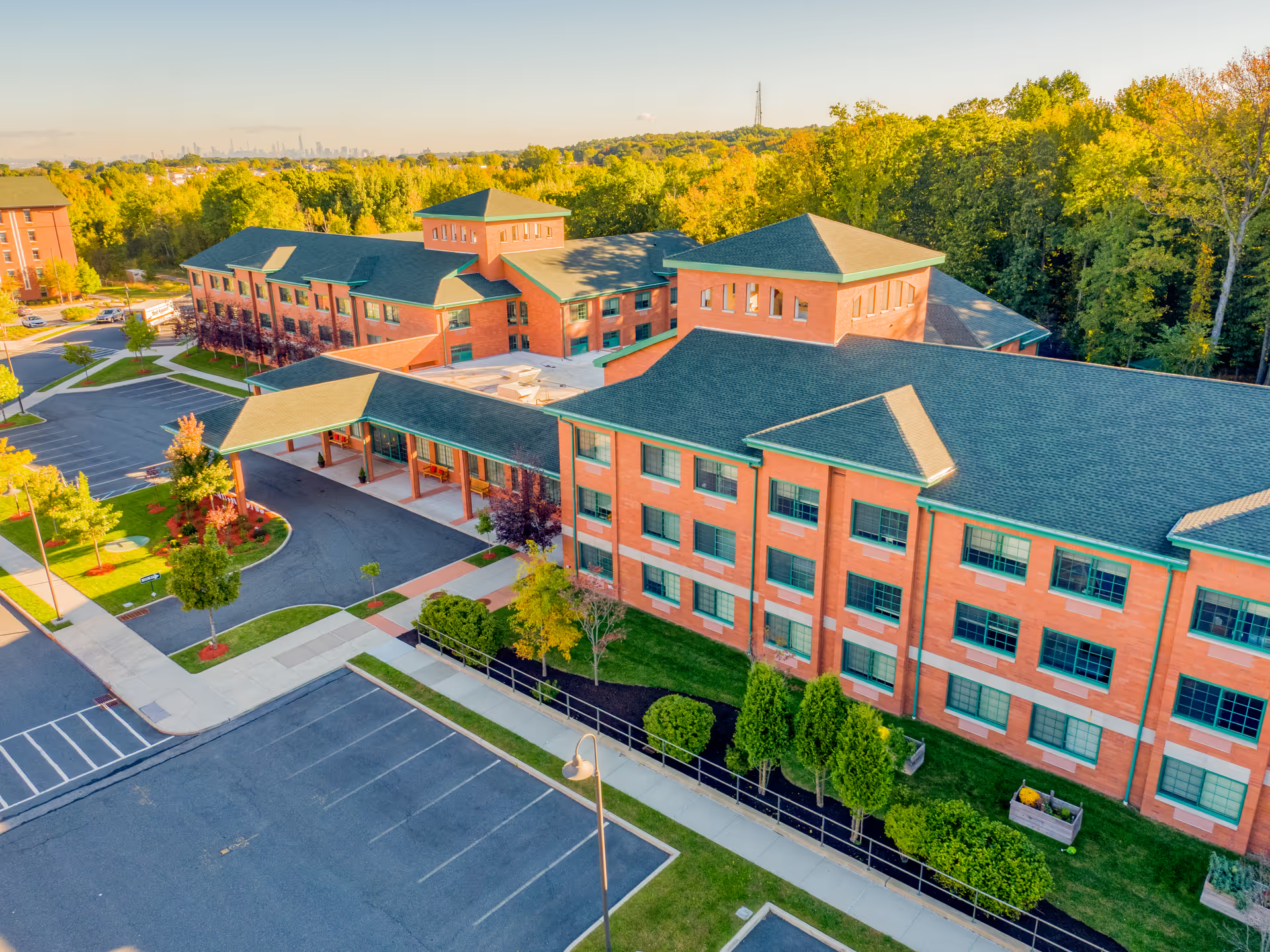
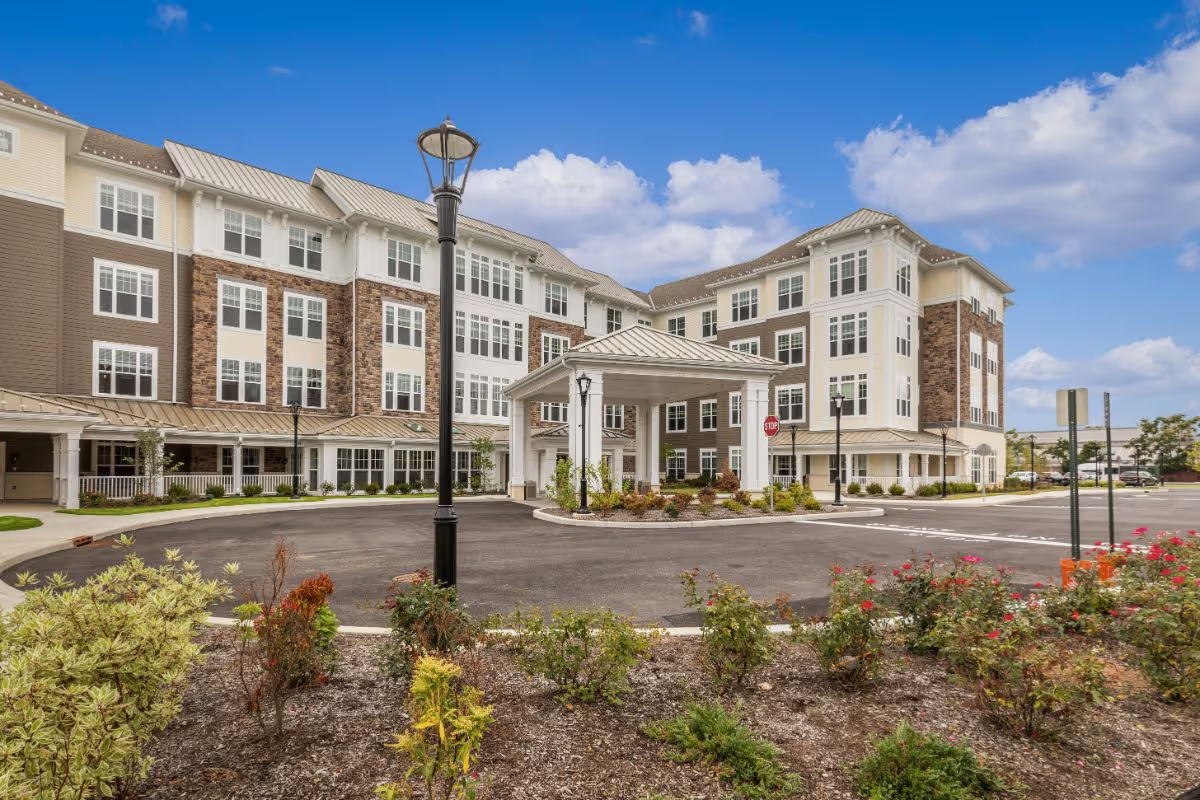
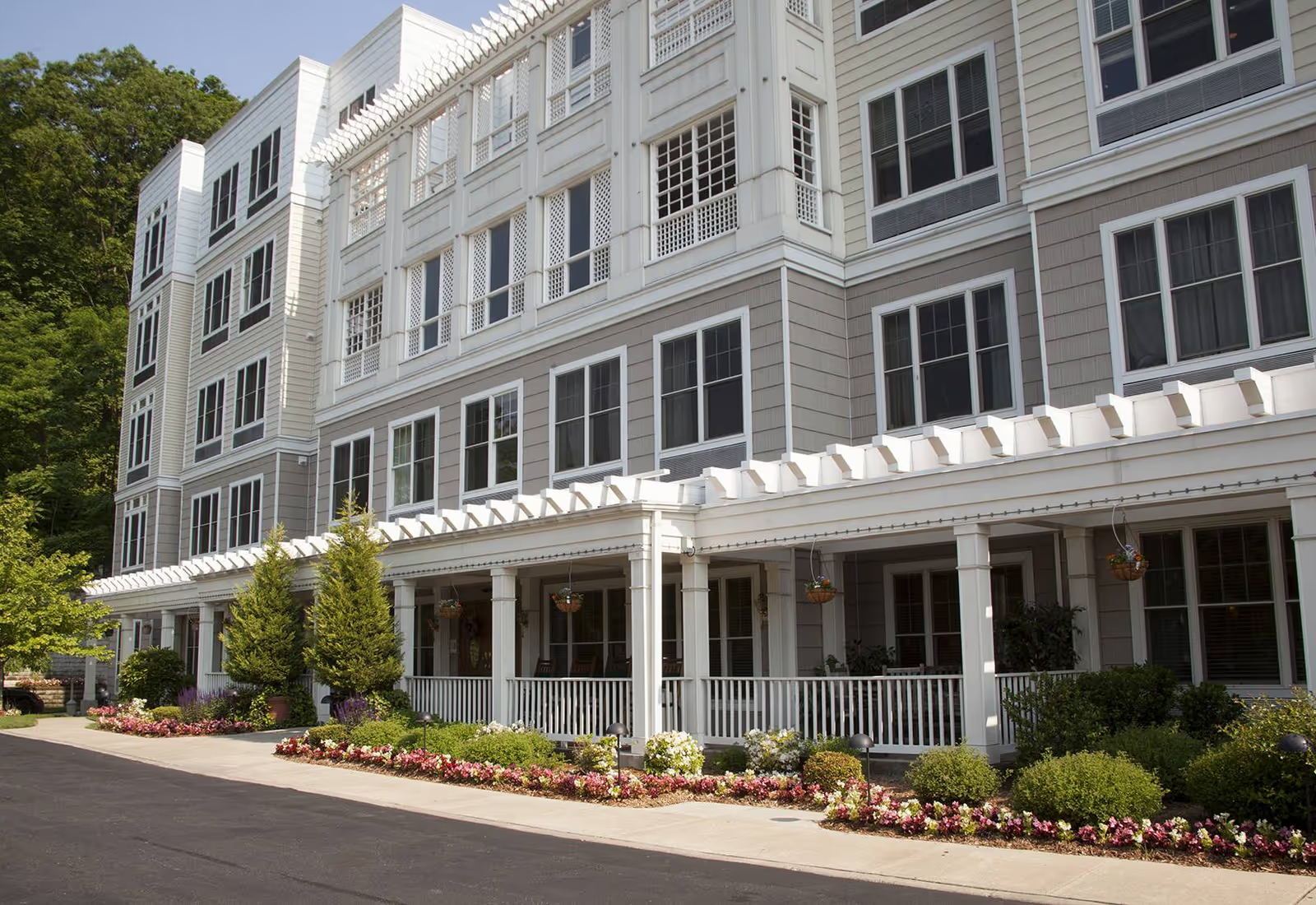
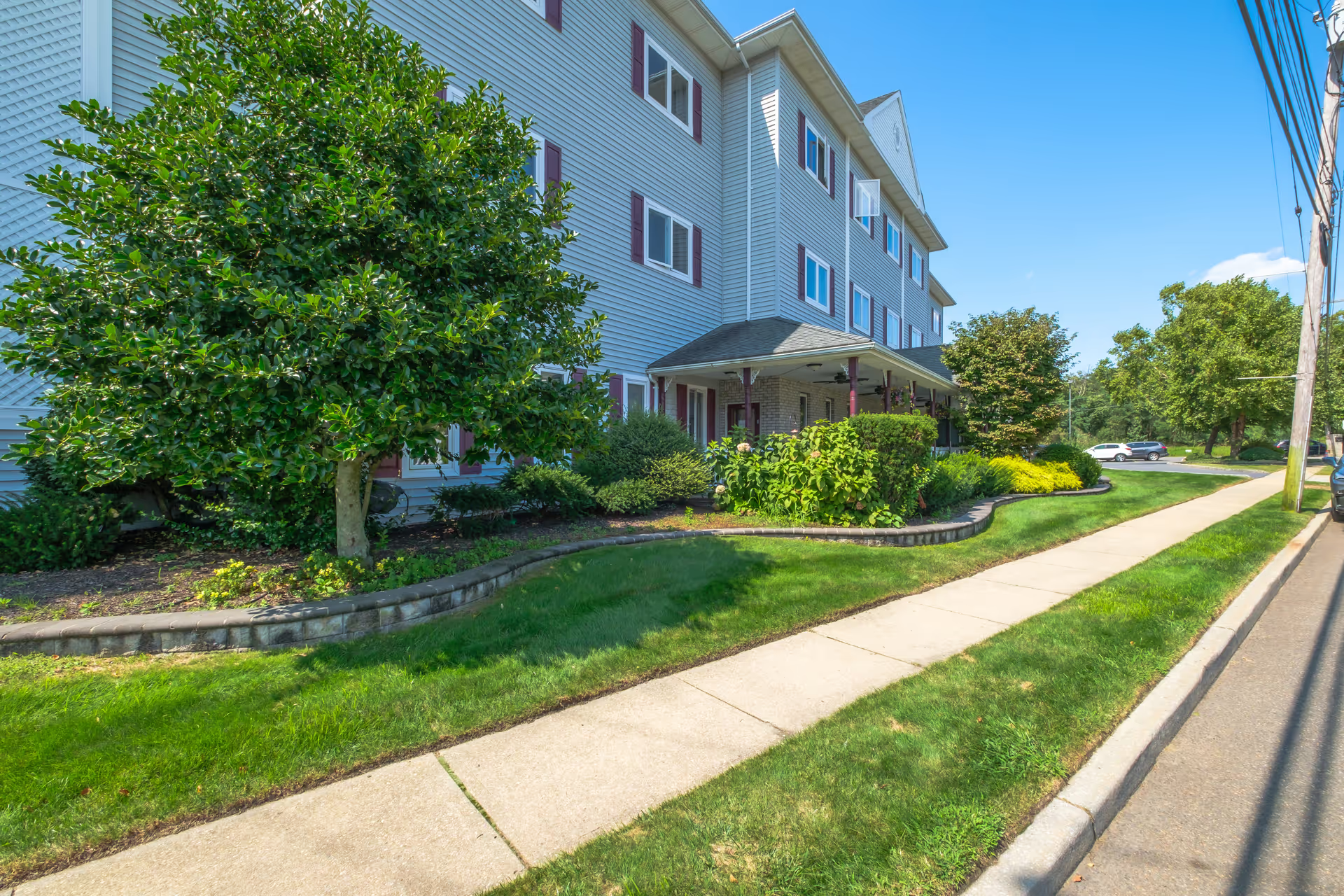
Eger Healthcare elicits strongly mixed impressions. Many families praise the caregiving staff, describing nurses, CNAs, therapists and some social workers as compassionate, attentive and knowledgeable. The facility offers strengths in rehabilitation services, with several comments highlighting effective physical therapy, and a broad activities program including bingo, music, Zumba and regular outings that support social engagement. The campus and grounds are consistently described as attractive and well kept, with outdoor seating, a gazebo and wooded views; private rooms with kitchenettes and accessible common areas are noted as positive environment features.
At the same time, a persistent pattern of operational weaknesses emerges across reviews. Chronic understaffing is the most commonly cited concern and is linked to delayed responses to call buttons, limited time spent with residents, lapses in hygiene and medication/oxygen-management inconsistencies. Several accounts describe safety-related problems such as falls, insufficient overnight monitoring, and what families characterize as gaps in clinical follow-up. These recurring patterns suggest that staffing levels and clinical monitoring protocols are core areas for improvement.
Facility condition and service consistency also vary. While exterior areas and some units are described as very clean and well maintained, other comments point to interior aging, heater and maintenance issues, odor concerns in certain areas, and variable housekeeping performance. Dining receives mixed feedback: some reviewers enjoyed meals and specific menu items, while others found food quality uneven. Therapy and rehabilitation are generally highlighted as a strength, yet a subset of families felt therapy intensity and individualized exercise plans were insufficient.
Management and communication present a mixed picture. Several reviewers commend helpful administrators and social workers, while others describe inconsistent family communication, delayed administrative responses after clinical incidents, and a perception that financial priorities can influence care decisions. Notably, there are mentions of serious clinical concerns and an investigation following an adverse outcome; families considering placement should ask about recent inspections, incident follow-up, and any corrective actions taken.
For prospective residents and families: Eger offers strong social programming, attractive grounds, and experienced therapy staff, and many families report positive, compassionate direct-care interactions. However, variability in staffing levels, responsiveness, clinical monitoring and interior maintenance suggests the facility may perform best for individuals whose care needs are stable and do not require intensive overnight observation. Key questions to raise on a tour include current staffing ratios (day and night), average call-button response times, protocols for medication and oxygen administration, fall-prevention measures, housekeeping schedules, and recent regulatory or incident-history documentation.