The reviews present a polarized picture of care at the facility: many families and patients describe compassionate, attentive direct-care staff and effective rehabilitation services, while others identify systemic operational weaknesses that affect clinical safety and comfort. Positive experiences emphasize engaged aides and nurses, long-tenured staff, strong therapy outcomes for short-term rehab, accessible family-communication options (FaceTime, formal family meetings), and attractive grounds and outdoor areas that support resident wellbeing.
Care quality appears highly unit- and shift-dependent. Strengths include responsive rehabilitation teams, assistance with dialysis and some specialty needs, and hospice teams who several reviewers found attentive when transitions occurred. At the same time, there are recurring operational concerns: inconsistent responsiveness to nurse-call systems, delays in addressing resident needs, and reports of inadequate pain control and medication-administration errors. Several accounts point to difficulties with physician communication and clinical decision-making, and families describe uneven training among staff that contributes to variable clinical competence across units.
Staffing and communication are key themes. Reviewers praised individual caregivers — including language-specific aides and staff that go beyond basic duties — yet they also reported variable staffing levels (notably overnight) and long wait times for assistance. These dynamics correlate with descriptions of unattended needs, inconsistent bathing and incontinence-care practices, and challenges obtaining equipment such as properly sized wheelchairs or walkers. Some families expressed concern about administrative follow-through on complaints and perceived a lack of consistent managerial accountability.
Dining and activities receive mixed feedback. The facility is credited with an active programming schedule (music, bingo, social activities), available snacks, and moments of quality food service; however, other reviewers described inconsistent meal quality and dissatisfaction with menu options. Rehabilitation offerings are often highlighted as a strength, though some units reportedly lack up-to-date therapy equipment or sufficient therapist engagement to meet recovery goals in all cases.
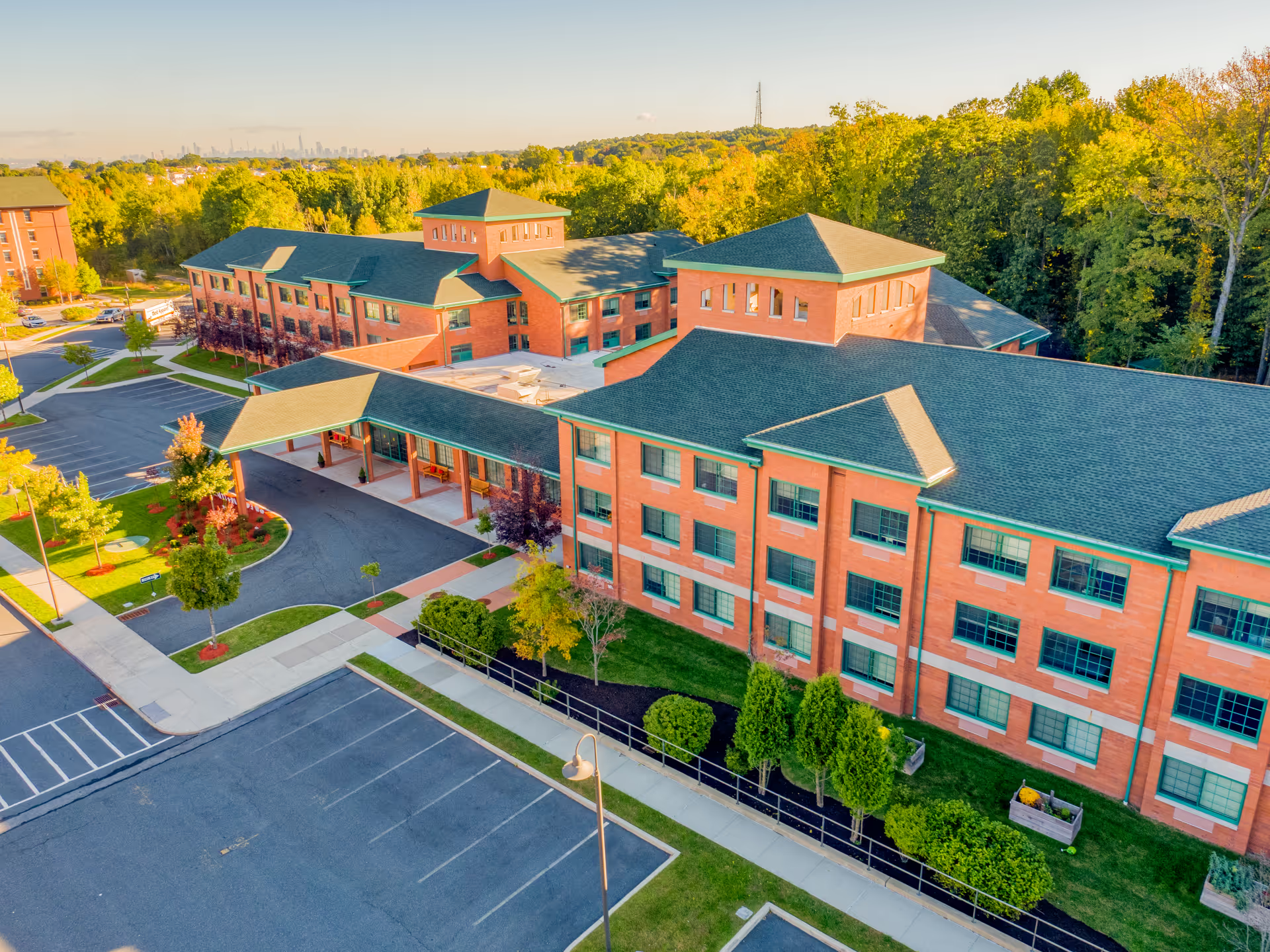
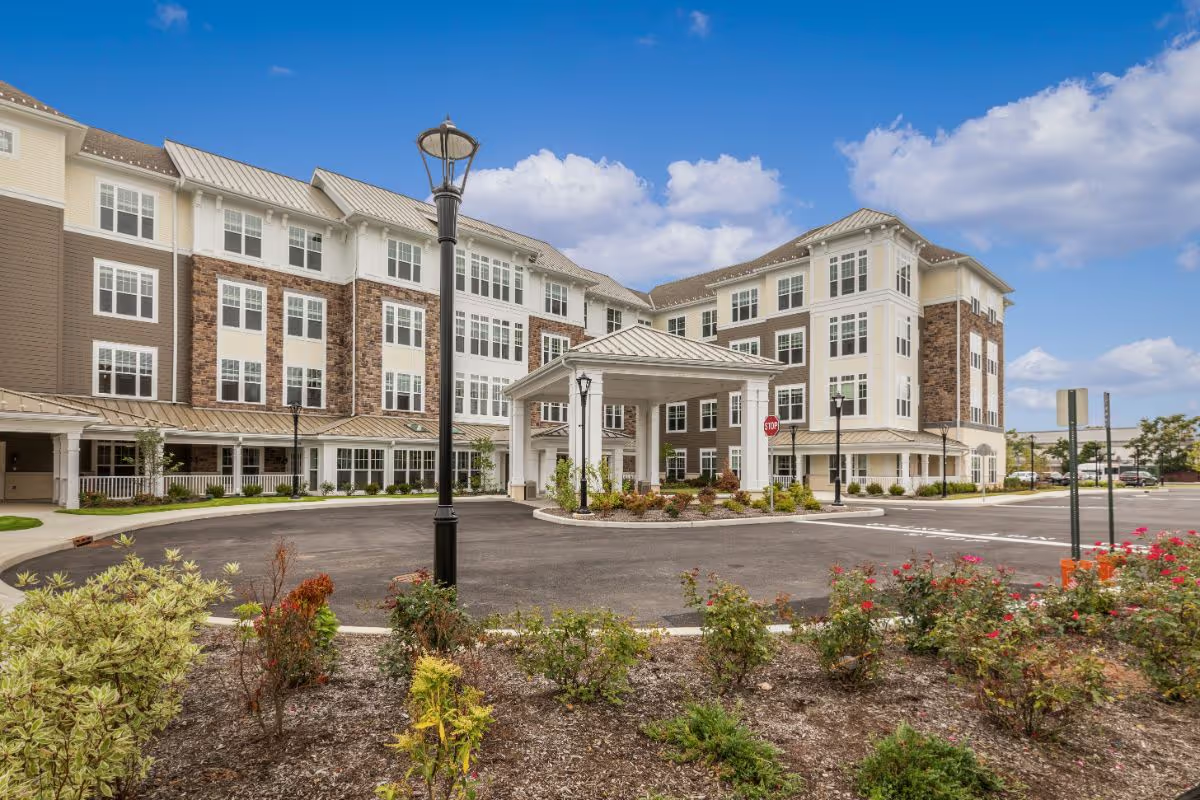
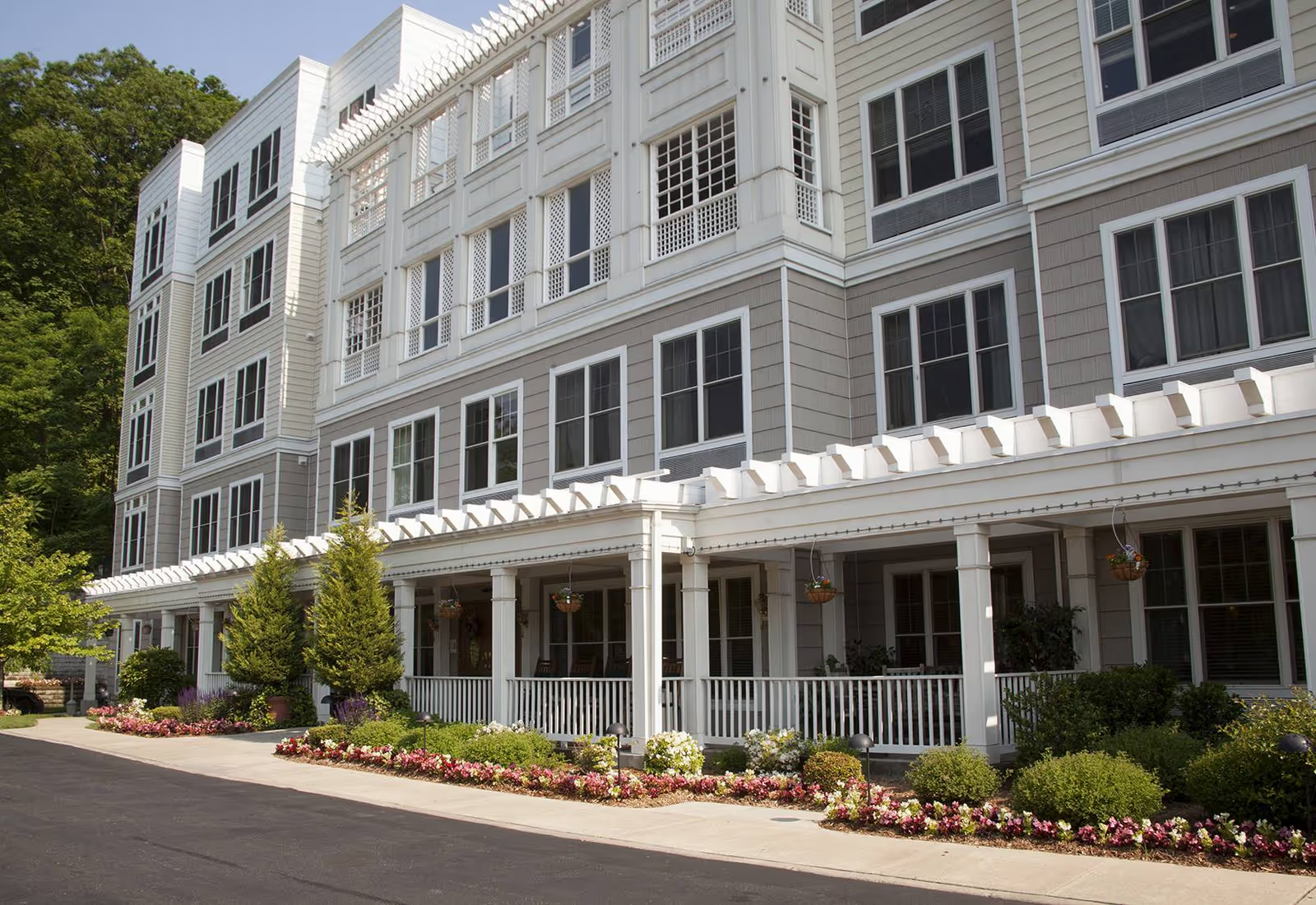
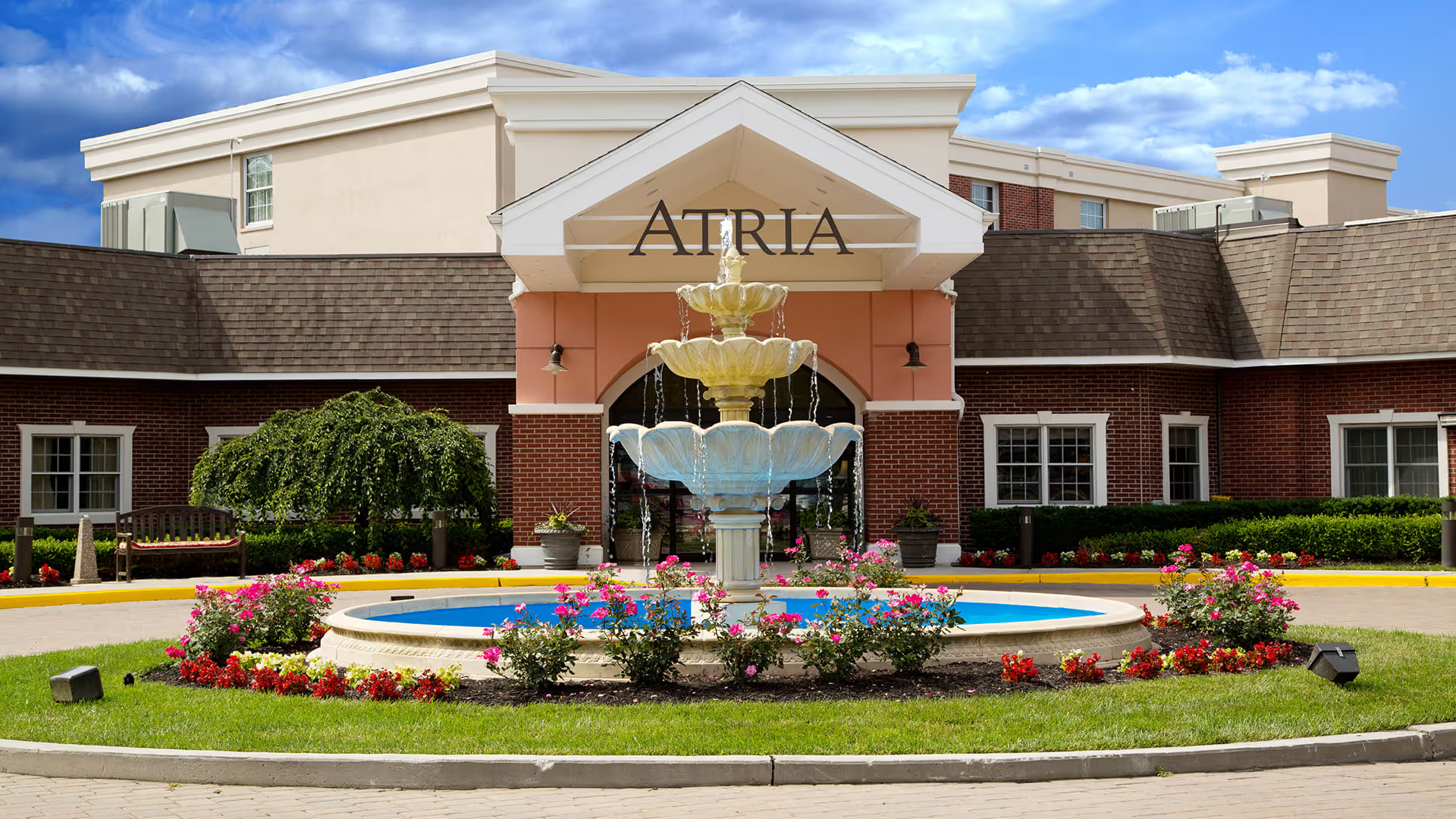
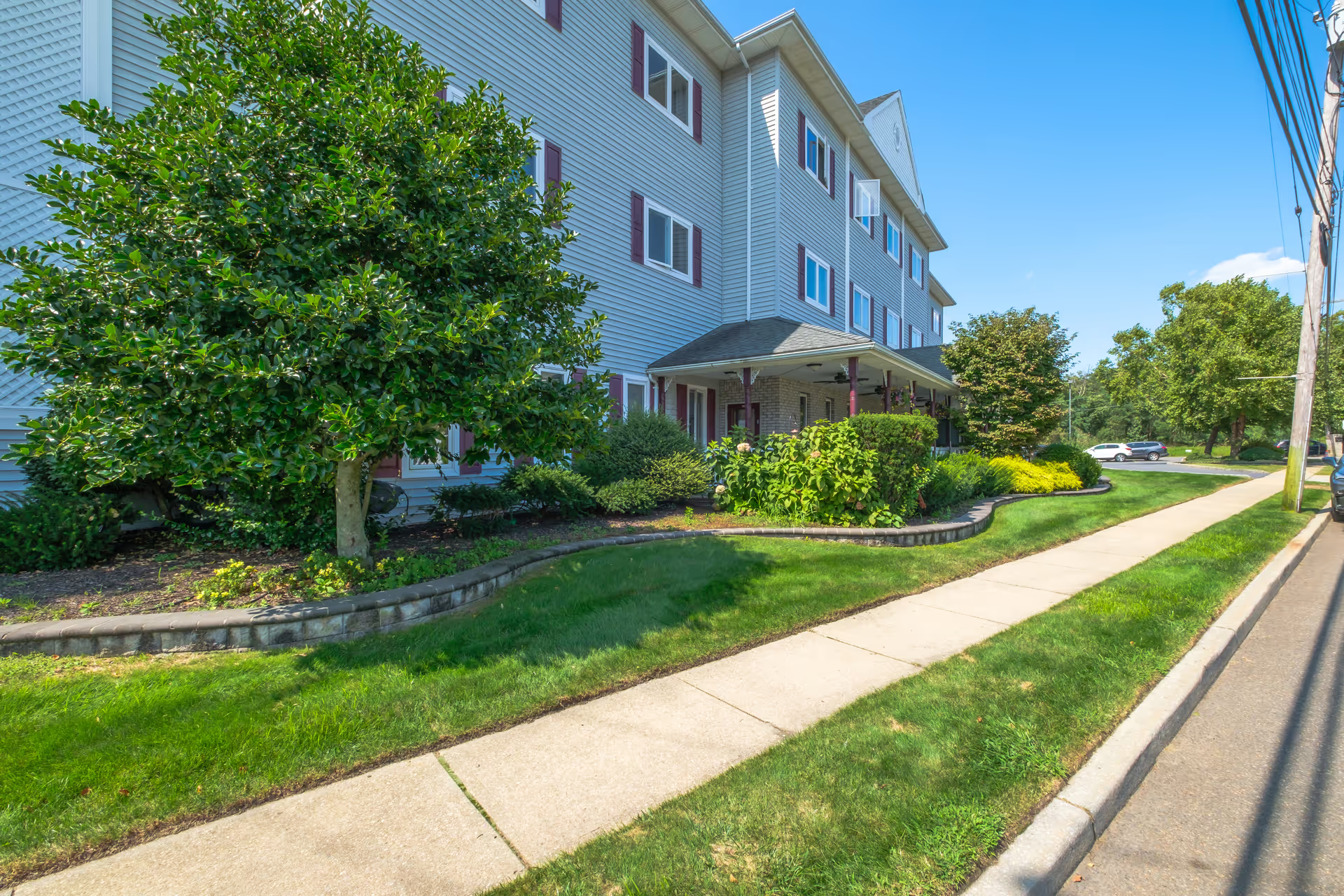
Facility condition and safety concerns are mixed as well. Many reviewers appreciate the grounds, patio, and communal spaces, but others note an aging physical plant: small private rooms, dated interiors, and heating/air-conditioning problems in some rooms. Sanitation and incontinence-care inconsistencies are a recurring operational issue, and there are notable safety and equipment-provisioning gaps cited (for example, oxygen handling, wheelchair fittings, and walker availability). A very serious concern raised by some families involves water-system safety and an alleged Legionella event; that issue highlights gaps in infection-control communication and timely family notification.
Management and oversight emerge as areas for improvement. Reviewers call out delays in transfers, protracted hospice initiation, and inconsistent follow-up from administration. Some families question the integrity of inspection responses and request greater transparency. Conversely, other families report positive interactions with social workers and charge nurses who were helpful in coordinating care and providing reassurance.
Overall, the facility delivers strong, compassionate care in many instances — particularly in rehabilitation and when dedicated staff are present — but the experience can vary substantially by unit and shift. Prospective residents and families should consider unit-level differences during visits, ask specific questions about staffing ratios (including overnight coverage), infection-control policies, medication-administration protocols, equipment availability, and hospice/transfer procedures, and seek multiple visits at different times of day to assess consistency of care.