Brookdale South Park elicits a wide range of family experiences, with substantial positive feedback about the interpersonal side of care and recurring operational concerns. Many families describe warm, compassionate caregiving, a strong memory-care focus, a secure and navigable layout for residents with dementia, and active programming led by committed activity staff. Admissions and move‑in coordination are frequently praised for being organized and supportive; reviewers noted private-room options within memory care, household-style common areas, an on-site kitchen, and outdoor amenities such as garden beds and a fenced courtyard.
Care quality descriptions vary. A large portion of reviewers emphasize attentive, kind staff members and effective nursing and wellness leadership who facilitate transitions, provide routine updates, and help families feel reassured. Conversely, other families described significant operational weaknesses that affected clinical reliability — most notably concerns about medication administration (missed or incorrect doses, and missed medications) and delayed responses to toileting and personal-care needs. These issues suggest variability in clinical processes and staffing levels that can affect daily care continuity.
Staffing and communication are recurrent themes. Positive accounts cite specific staff members (nursing leaders, activity directors, admissions coordinators) who went above and beyond, while critical accounts describe chronic understaffing, uneven coverage on weekends and nights, high staff turnover, and inconsistent communication from management. These operational traits appear to influence responsiveness, availability for activities, and the ability to provide timely clinical follow‑up and family notifications.
Dining and activities receive mixed assessments. Many reviewers appreciate that meals are cooked on site and that there are dining rooms on each hall; activity programming, crafts, games and music are often cited as strengths. At the same time, reviewers frequently mention variability in meal quality, repetitive menus, limited vegetable or balanced options, and occasions when kitchen staffing affected meal service. Activity participation is generally robust but can be constrained by staff availability, limiting outdoor or individualized options at times.
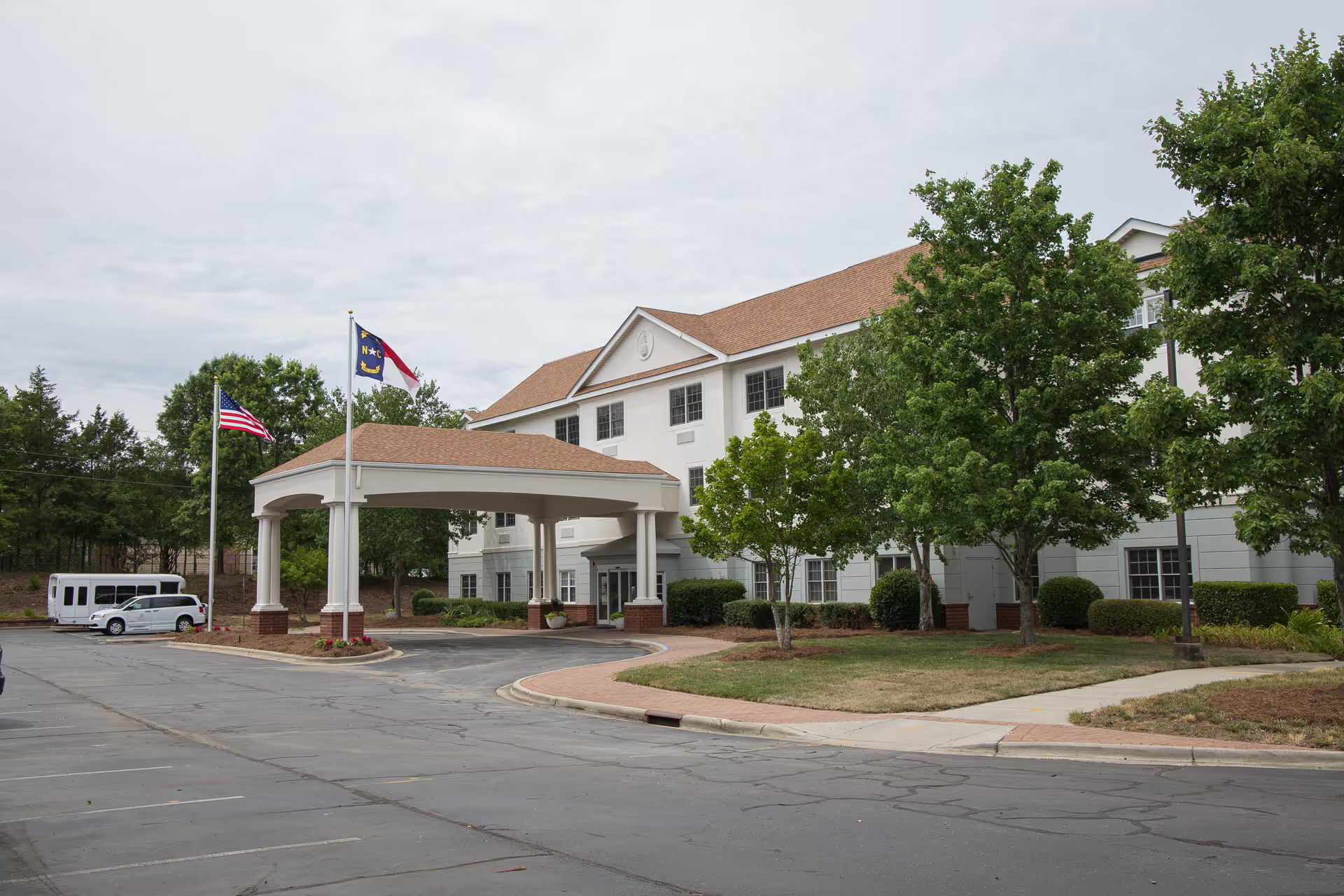
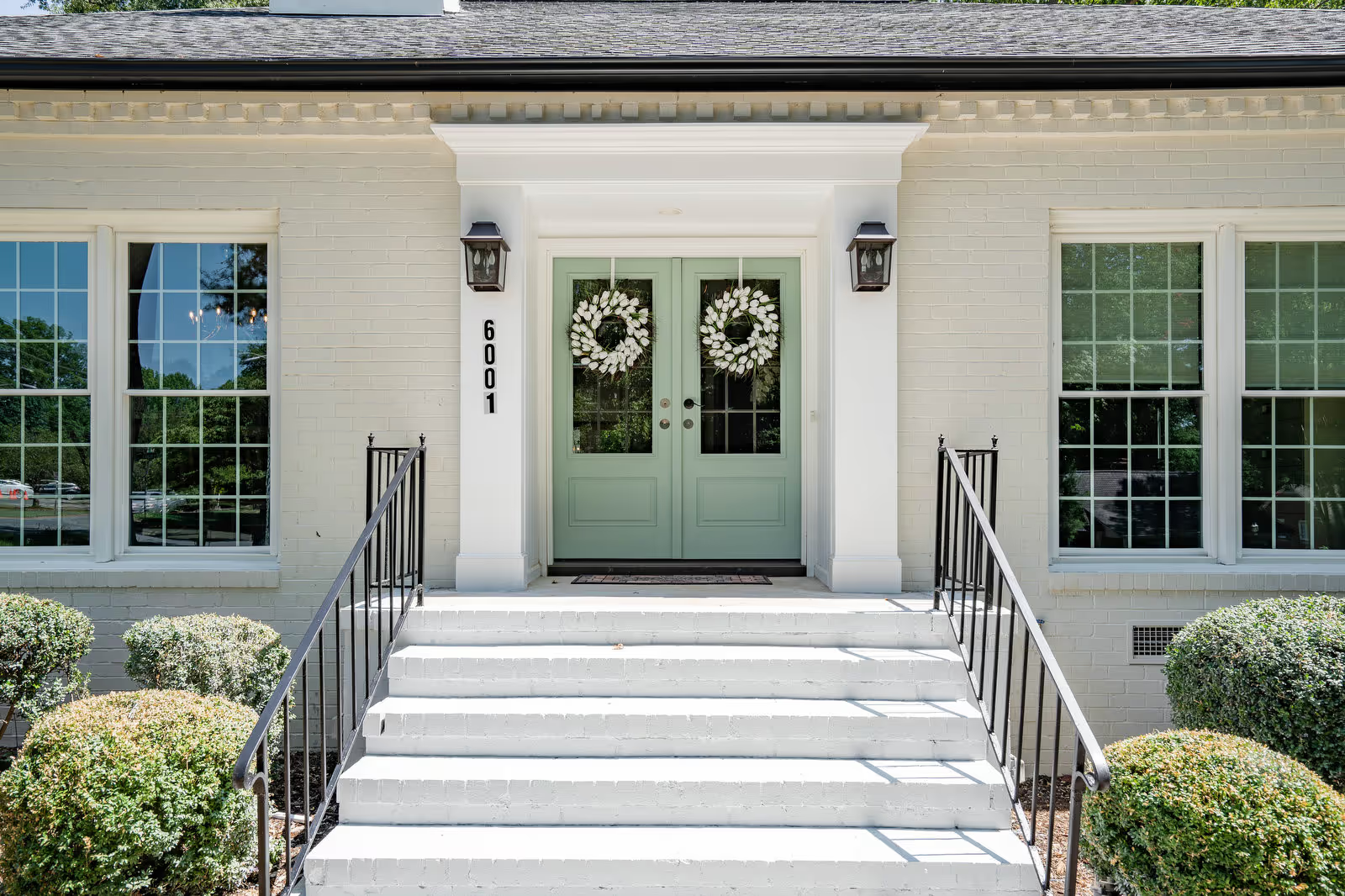
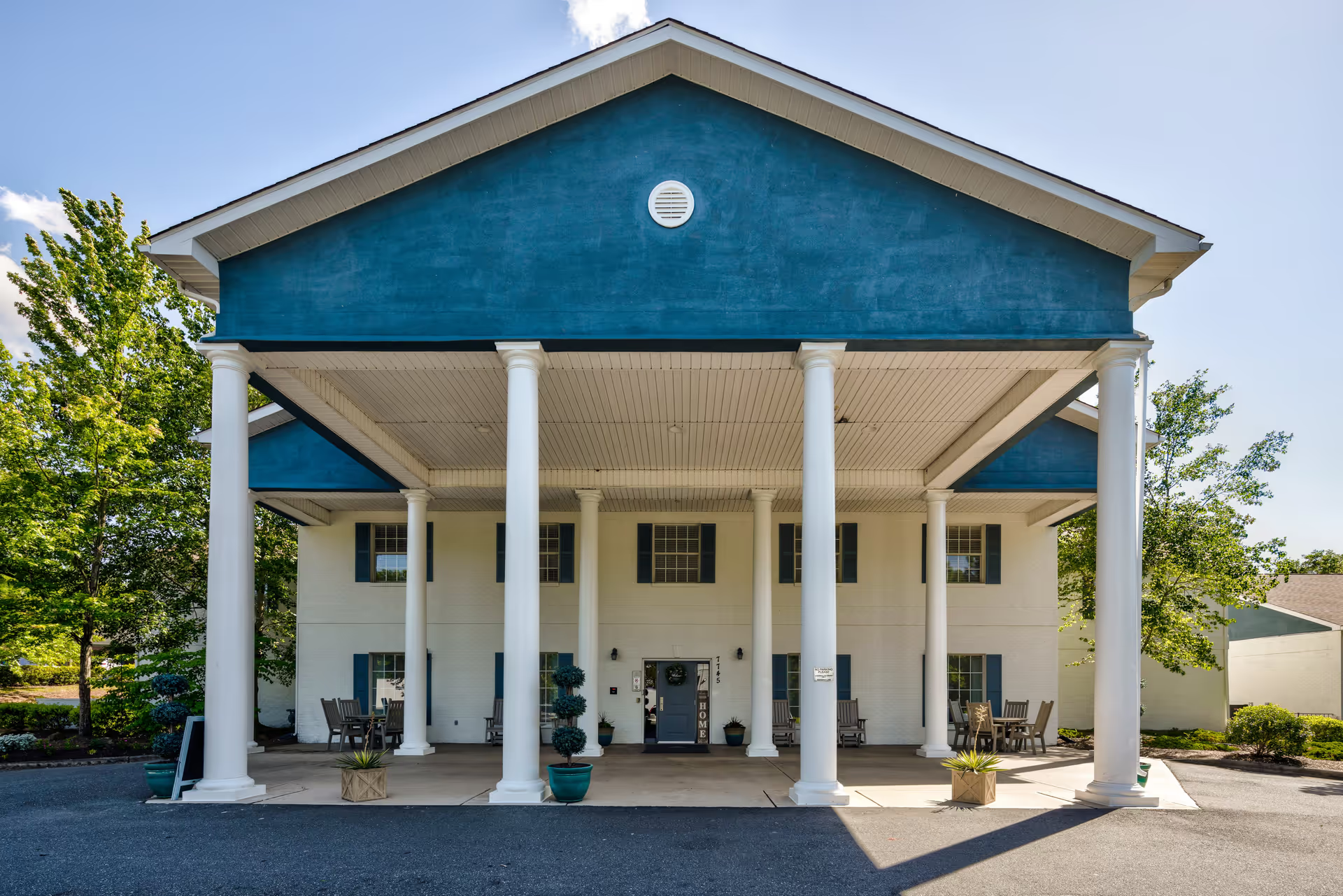
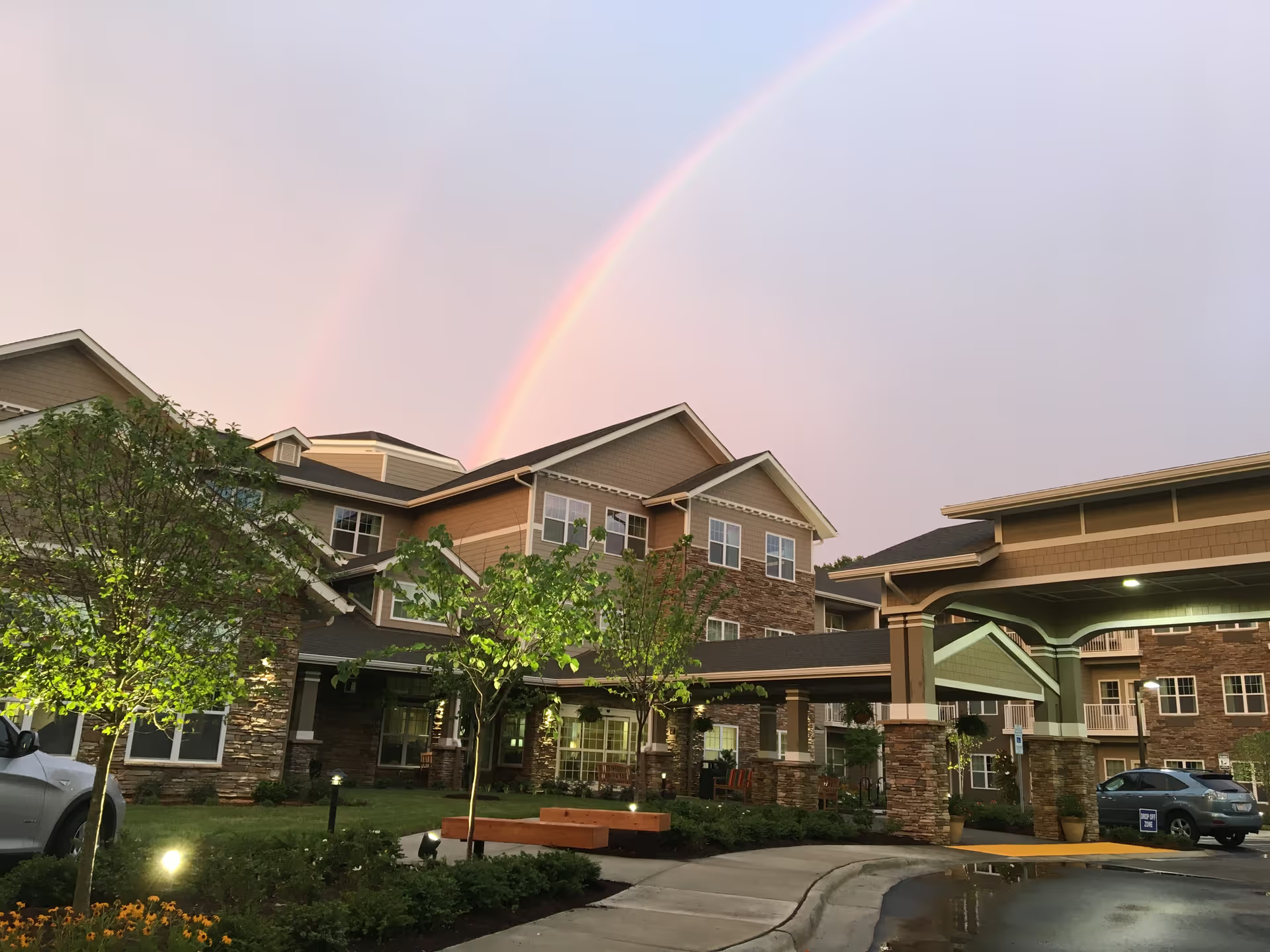
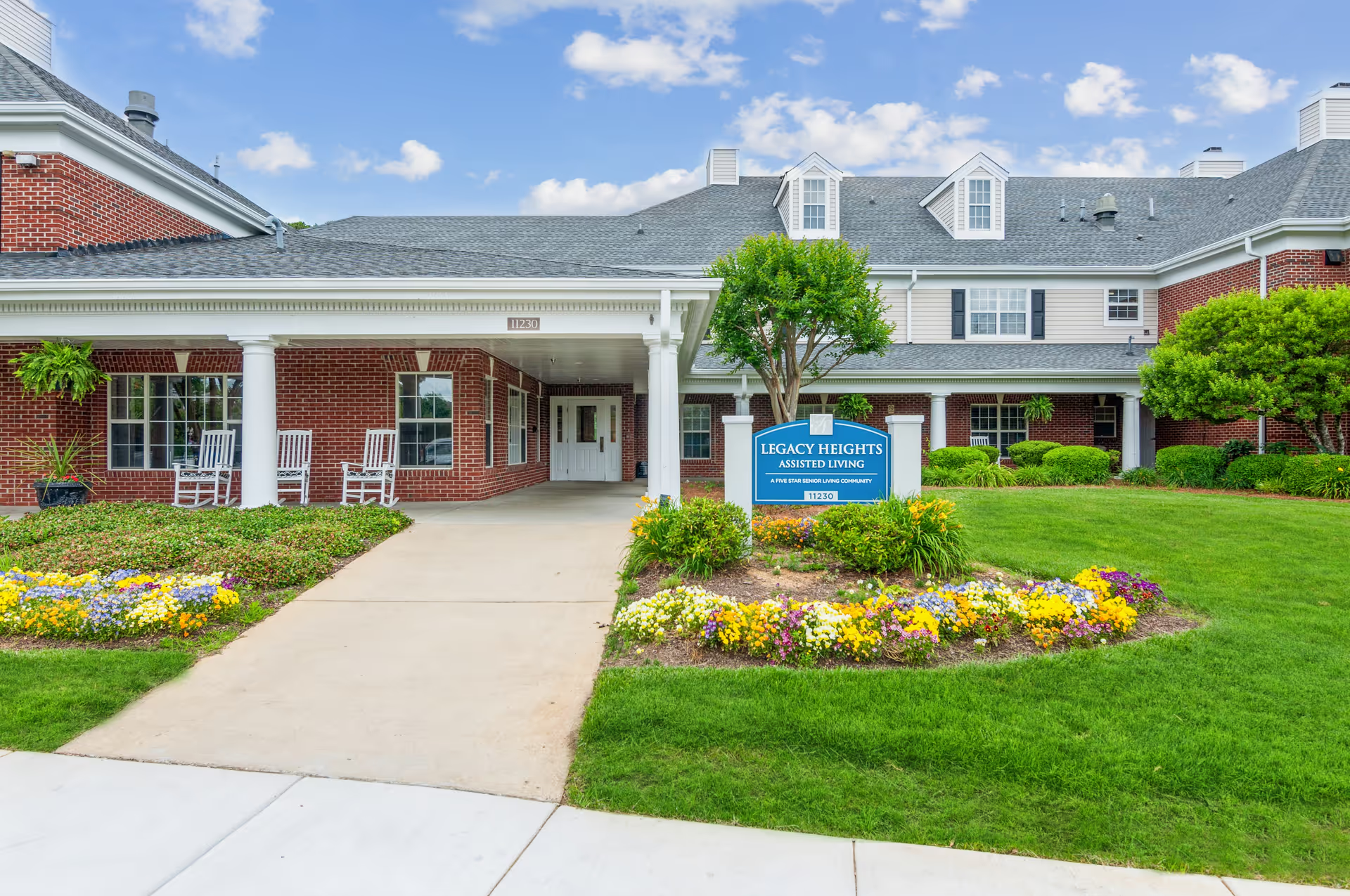
Facility condition and logistics present a mixed picture. The community’s layout, gardens, and secure outdoor areas are positives, but some reviewers reported small room sizes, limited in-room bathing, cleanliness inconsistencies, and occasional lapses in laundry/personal-item management or room-assignment practices. A small number of reviewers raised serious concerns — including allegations regarding inappropriate psychotropic use and legal action — that families should independently verify with regulatory sources and during tours.
Overall, Brookdale South Park appears to offer strong relationship-based care, a memory-care focus, and useful amenities, but it also demonstrates operational variability tied to staffing, clinical process reliability, and facility upkeep. Prospective families should meet with nursing leadership, ask about medication‑administration protocols, staffing ratios by shift, laundry and personal‑item procedures, infection‑control practices, and sample menus, and request references from current residents’ families to assess consistency in the areas highlighted above.