The aggregated summaries present Rosewood Memory Care as a memory-focused residential program with a strong emphasis on compassionate, familystyle caregiving. Reviews emphasize consistently personalized attention, 24/7 availability of staff, and an environment described as calm, dignified, and uplifting. The facility’s memory-care specialization and staff approach are frequent points of praise, with families citing professionalism combined with a personal touch.
Care quality and staff: Care is portrayed as attentive and individualized, with staff described as experienced, friendly, and compassionate. Many comments point to a family-like atmosphere and strong two-way communication between staff and families. The combination of professional skill and a personal approach is a recurrent theme, which reviewers link to residents’ sense of comfort and family members’ peace of mind.
Dining and activities: Dining is consistently characterized as home-cooked, nutritious, and well received by residents. Activity programming appears varied and engaging — examples include music gatherings, holiday events, and organized outings — and reviewers highlight the social and emotional benefits of these offerings. The programmatic schedule and event organization are noted as contributing to a lively, stimulating day-to-day experience.
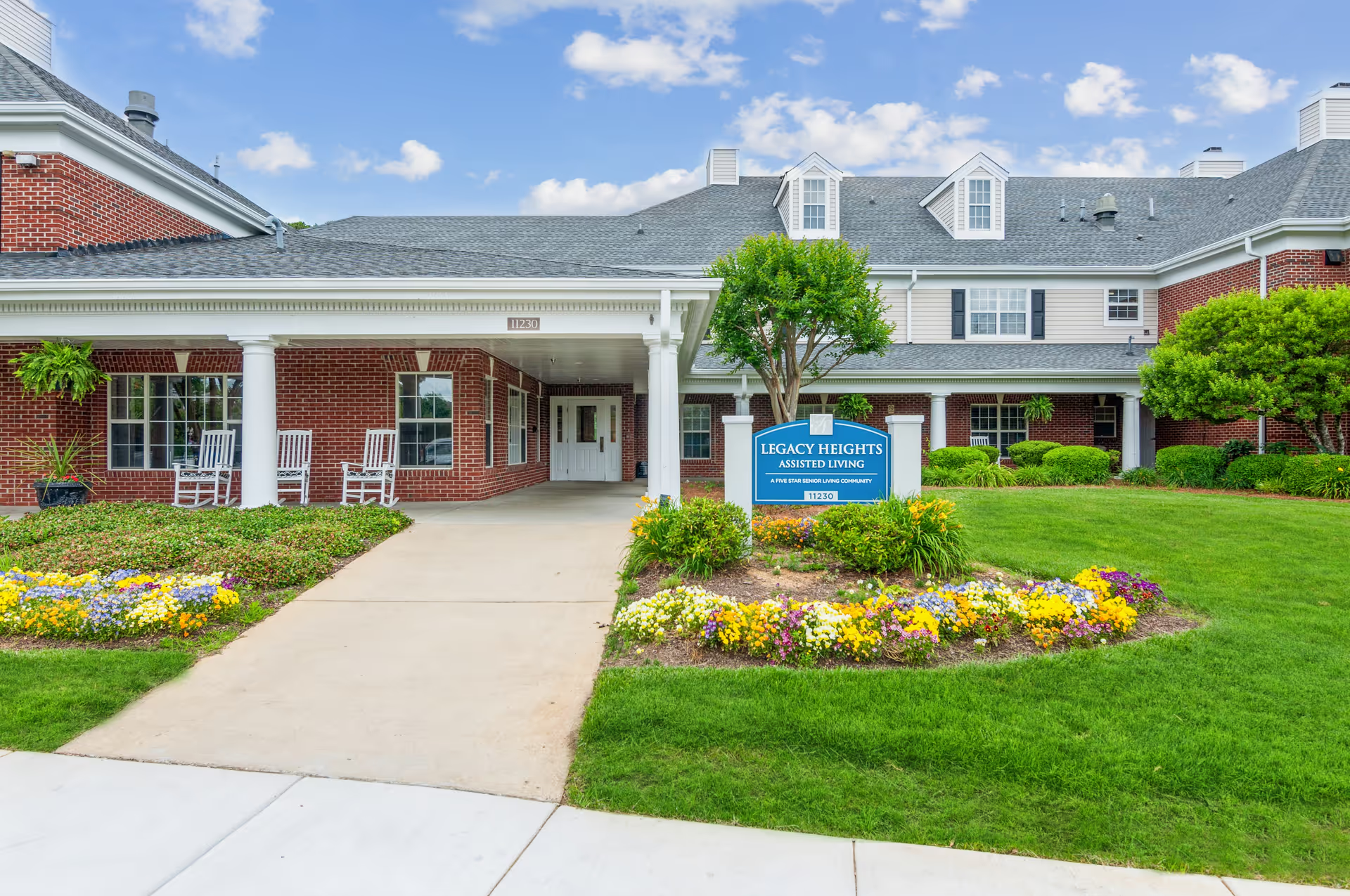
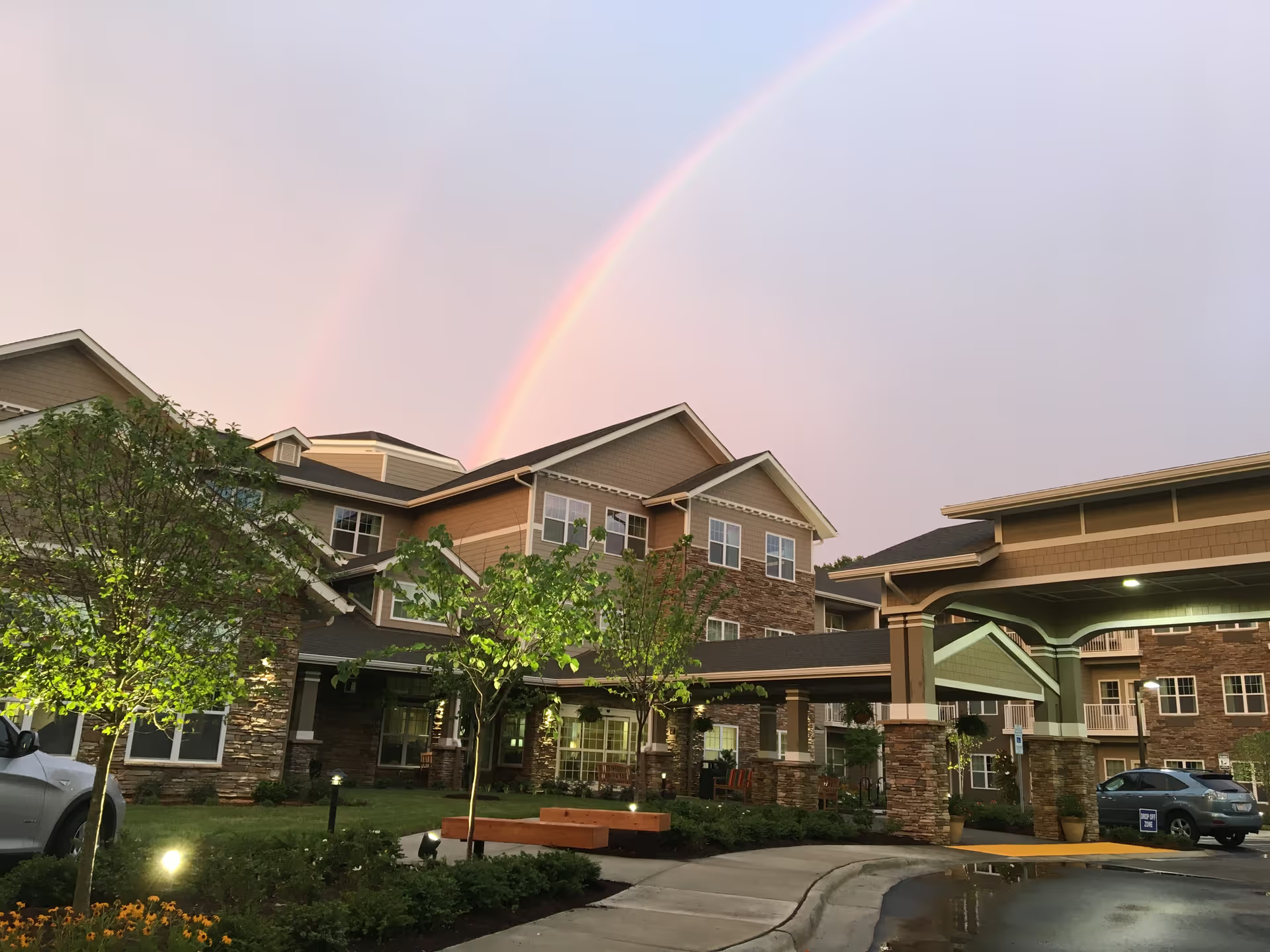
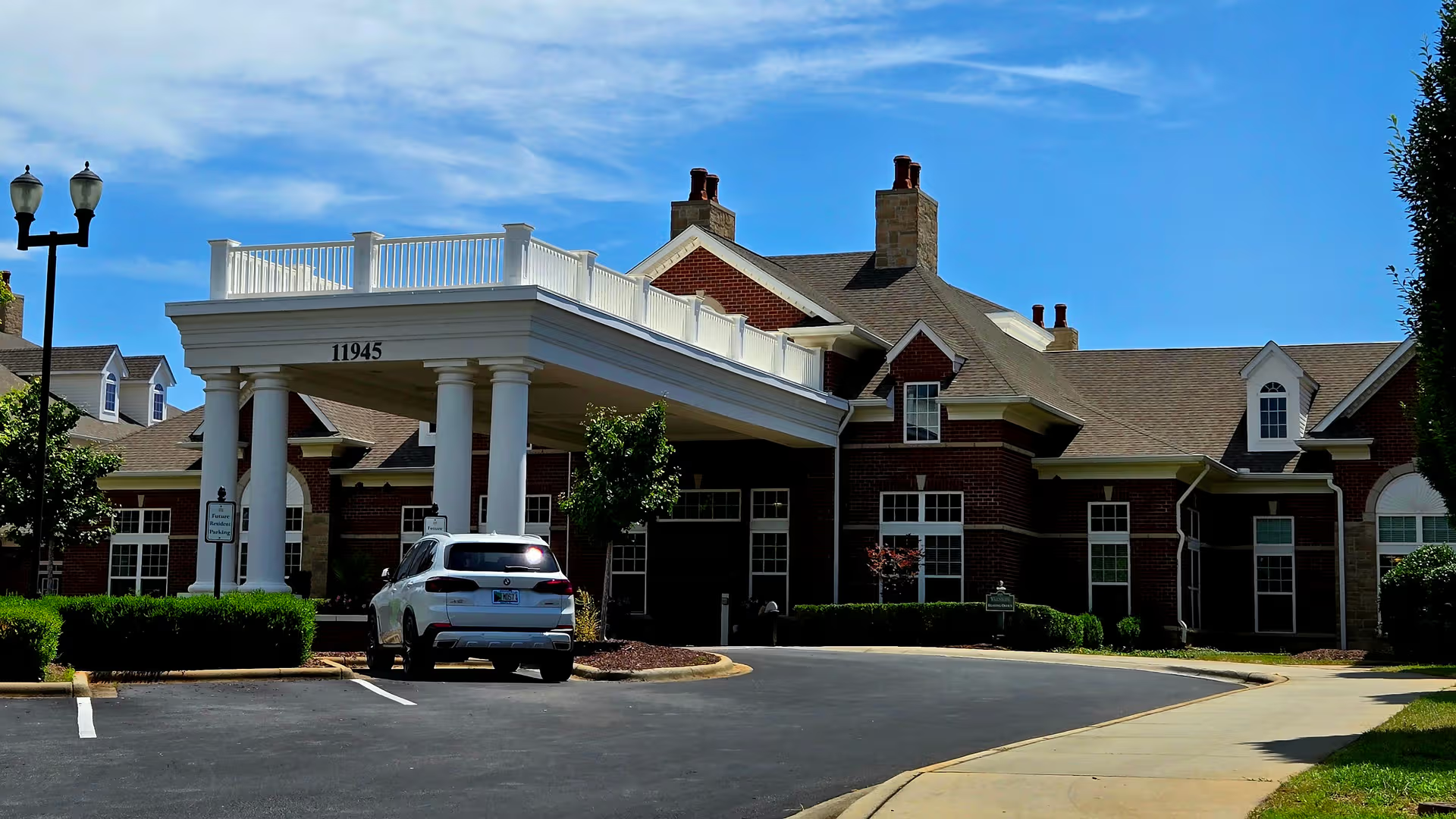
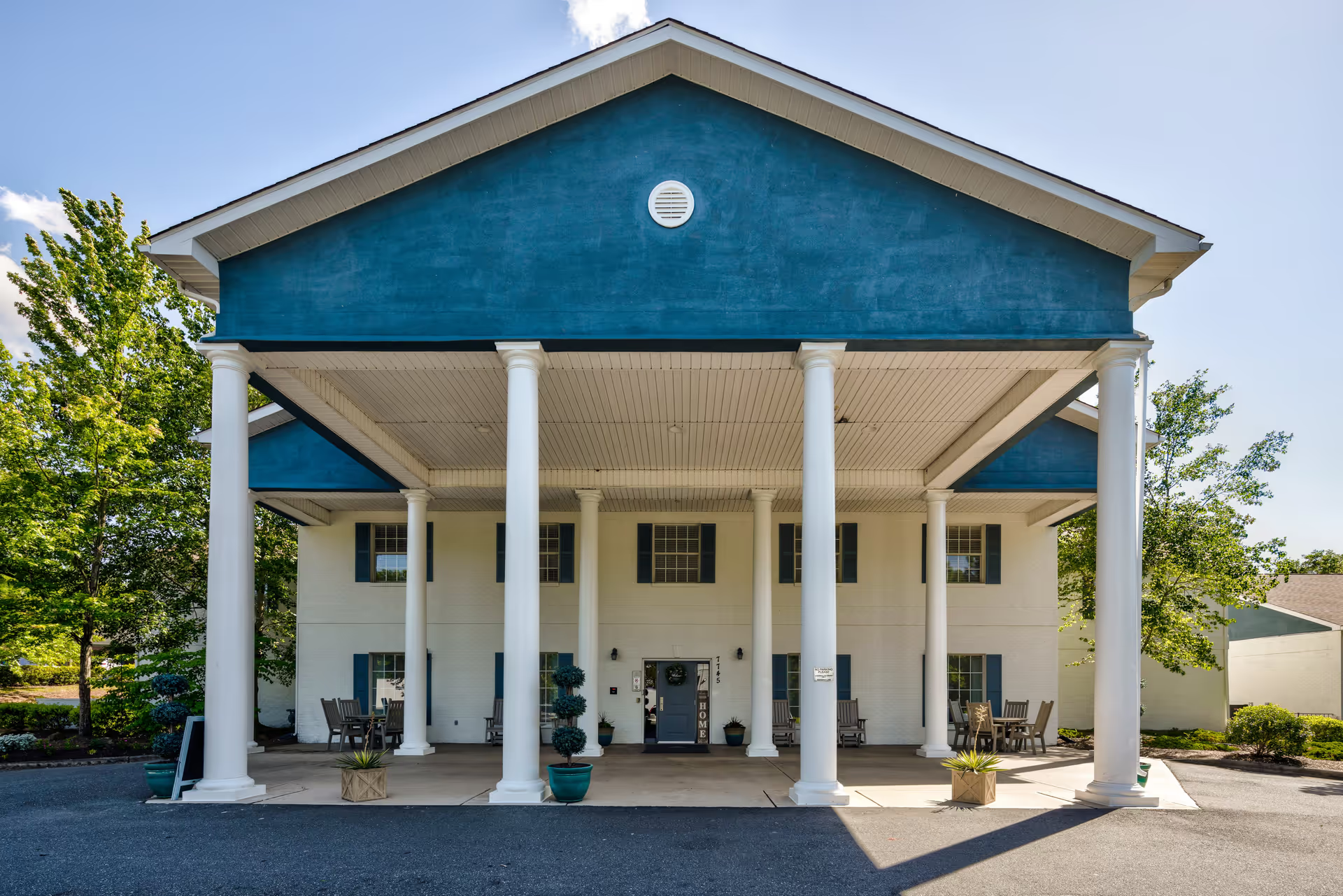
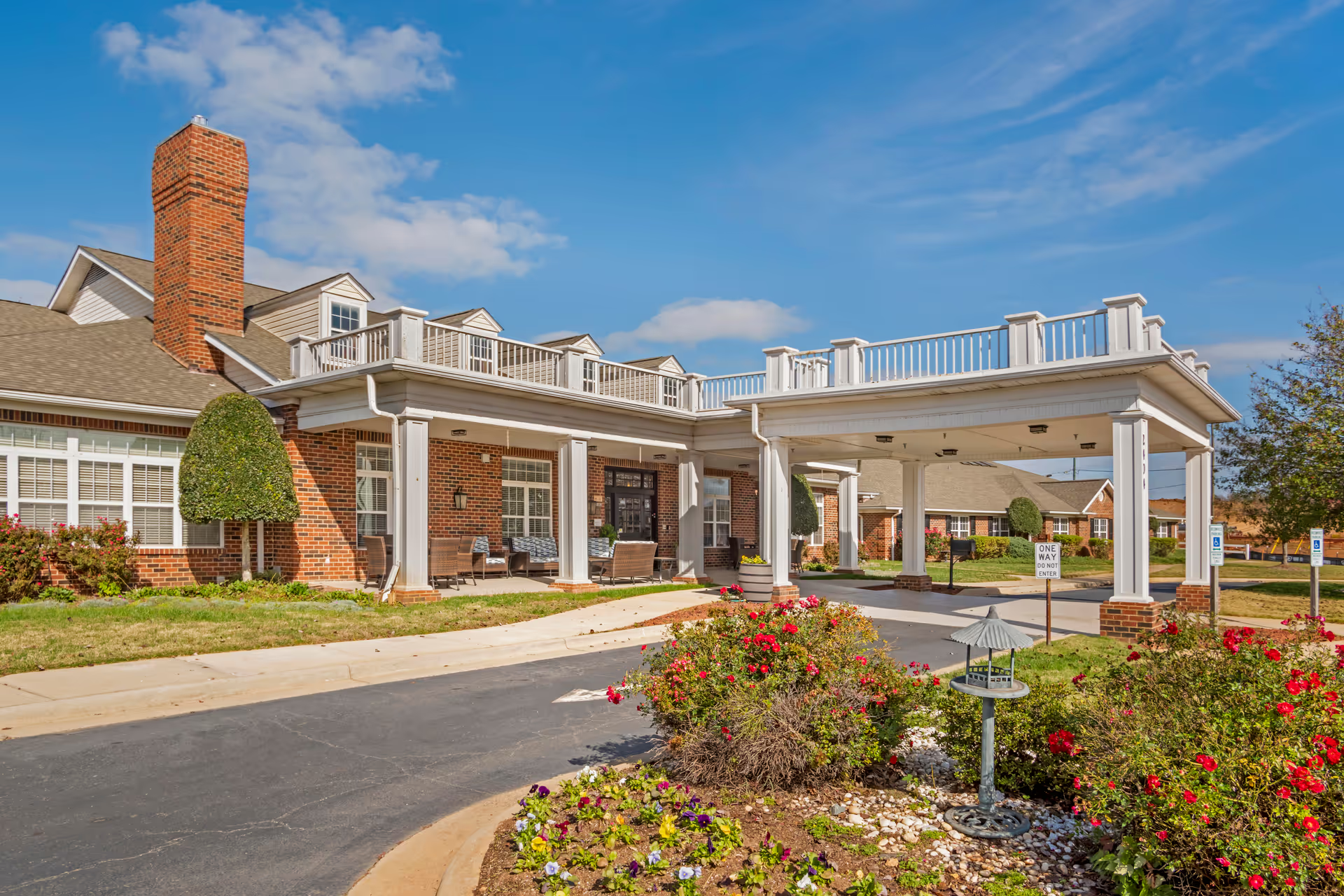
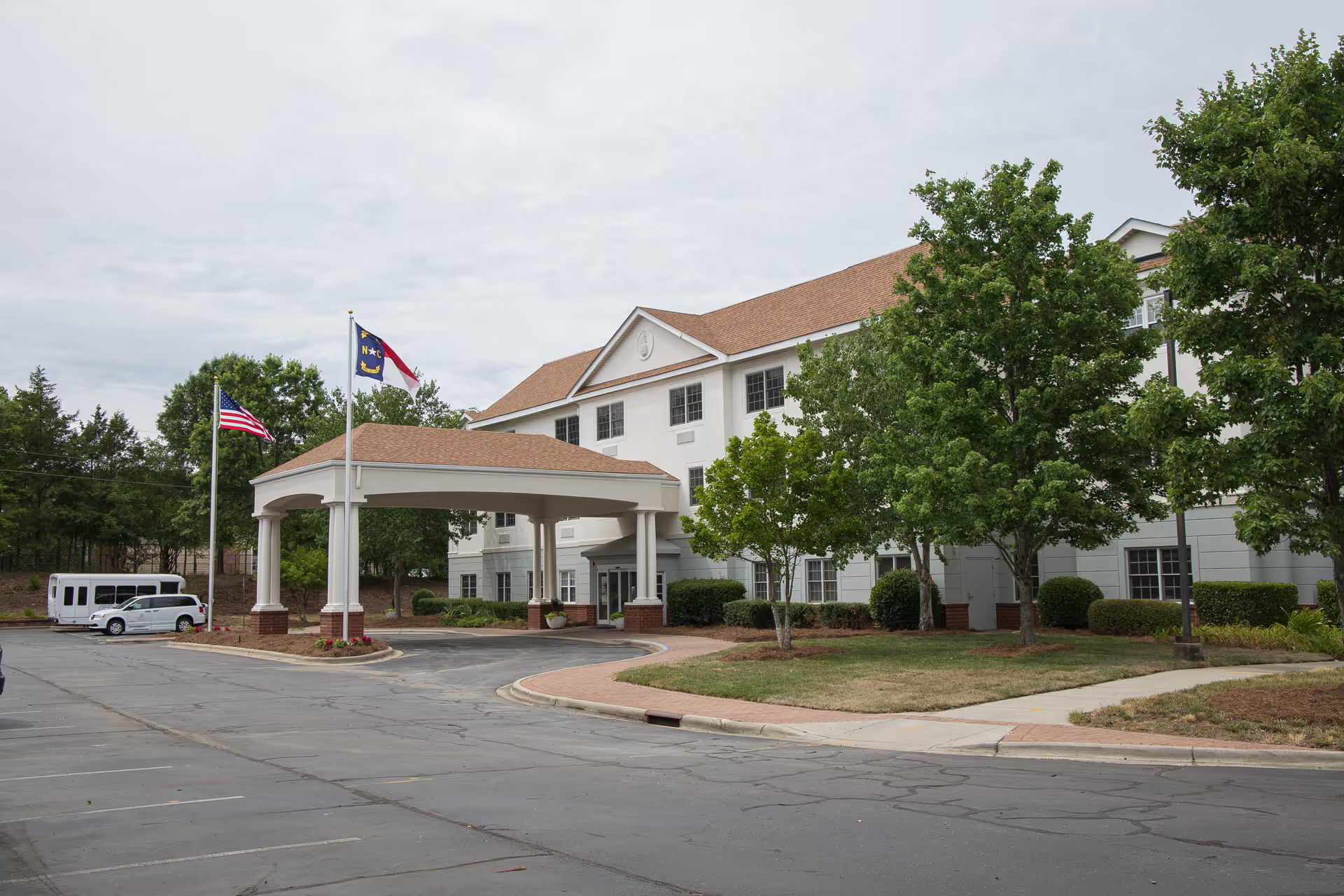
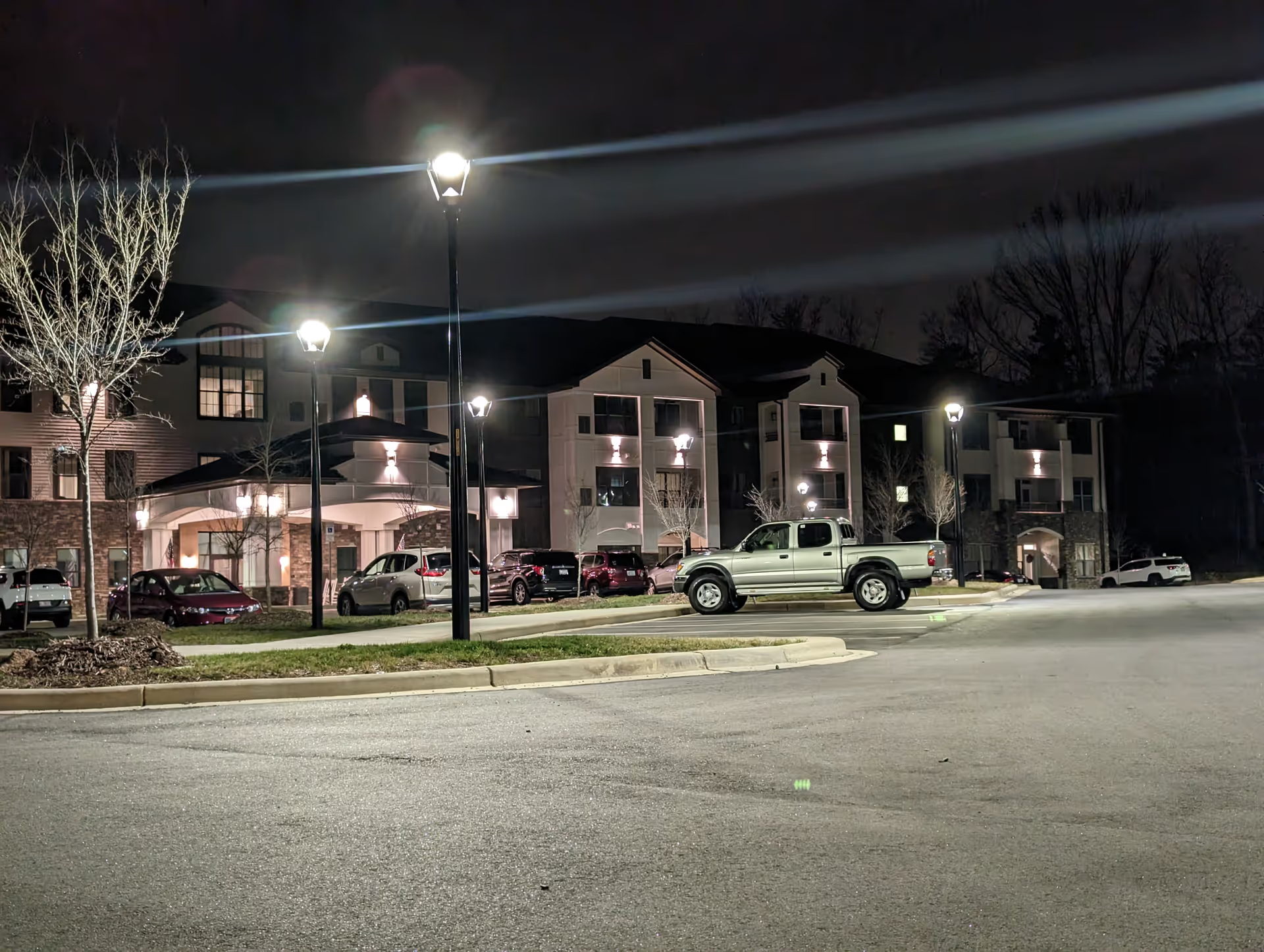
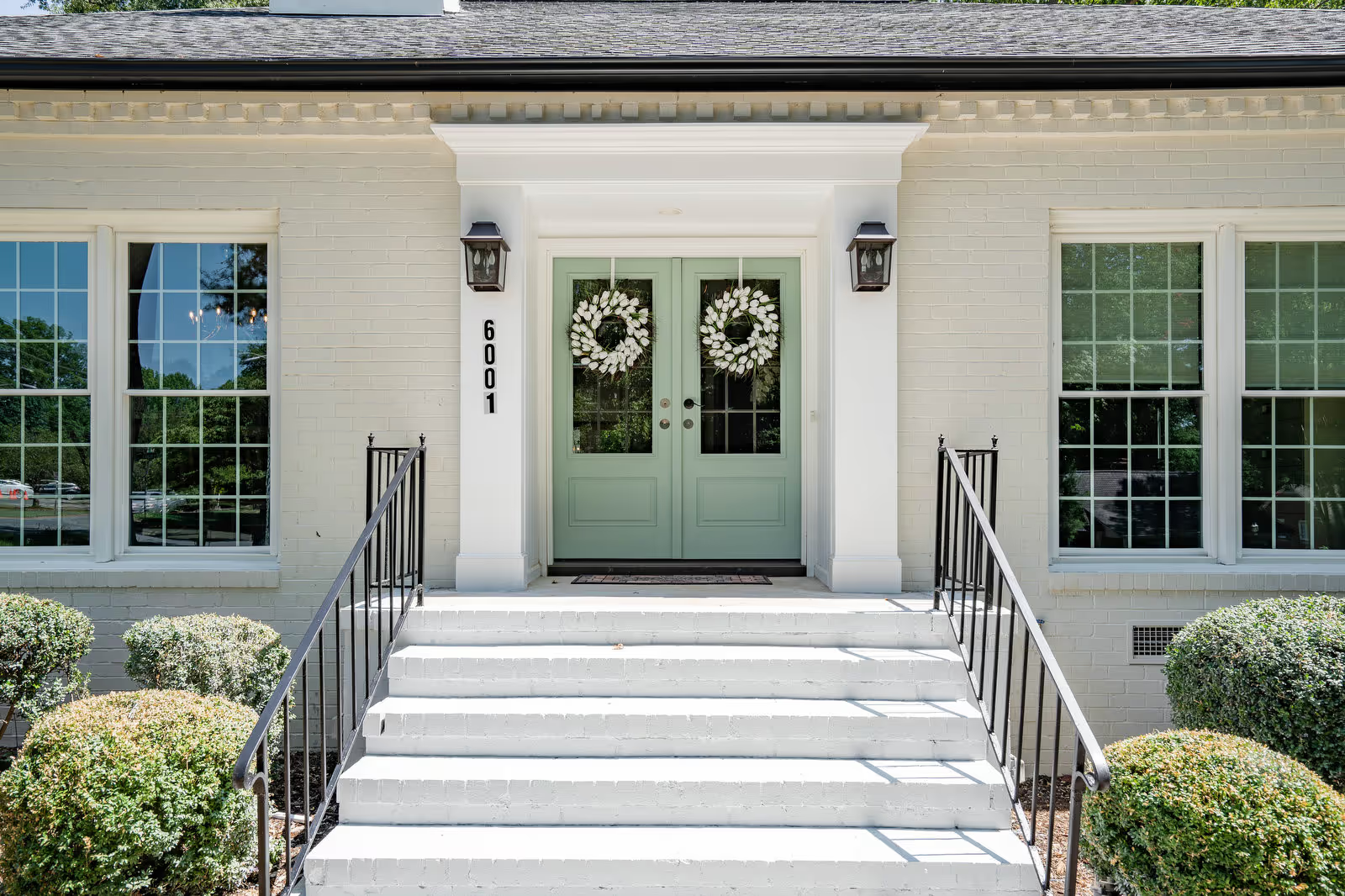
Facilities and environment: The physical setting is described as homelike and attractive, with pleasant surroundings and an overall serene tone appropriate for memory-care residents. The ambiance is repeatedly framed as welcoming and uplifting, which reviewers associate with dignified daily life and resident comfort.
Management and operations: Observations indicate well-organized operations and a strong focus on resident comfort. Families report responsive communication and appreciation for coordination of healthcare needs. The overall tenor suggests leadership that prioritizes relationship-based care and family involvement.
Notable patterns and cautions: The available summaries are overwhelmingly positive, which supports a favorable initial impression but also limits visibility into potential operational limitations. Specific areas where additional verification is advisable include documented clinical staffing levels and credentials, the availability of on-site rehabilitative or specialty medical services, and formal emergency-response and escalation protocols. Prospective families should also consider asking about capacity limits for larger group programming if broad activity options are important.
Practical next steps: For decision-making, arrange an in-person visit to observe staff–resident interactions, sit in on a meal and an activity, and request written information on staffing ratios, staff qualifications, clinical services, and emergency procedures. Ask management for references from current families and for sample care plans to confirm how personalization and clinical oversight are implemented. These steps will help confirm the consistently positive themes in the summaries and clarify any operational questions not addressed in the available feedback.