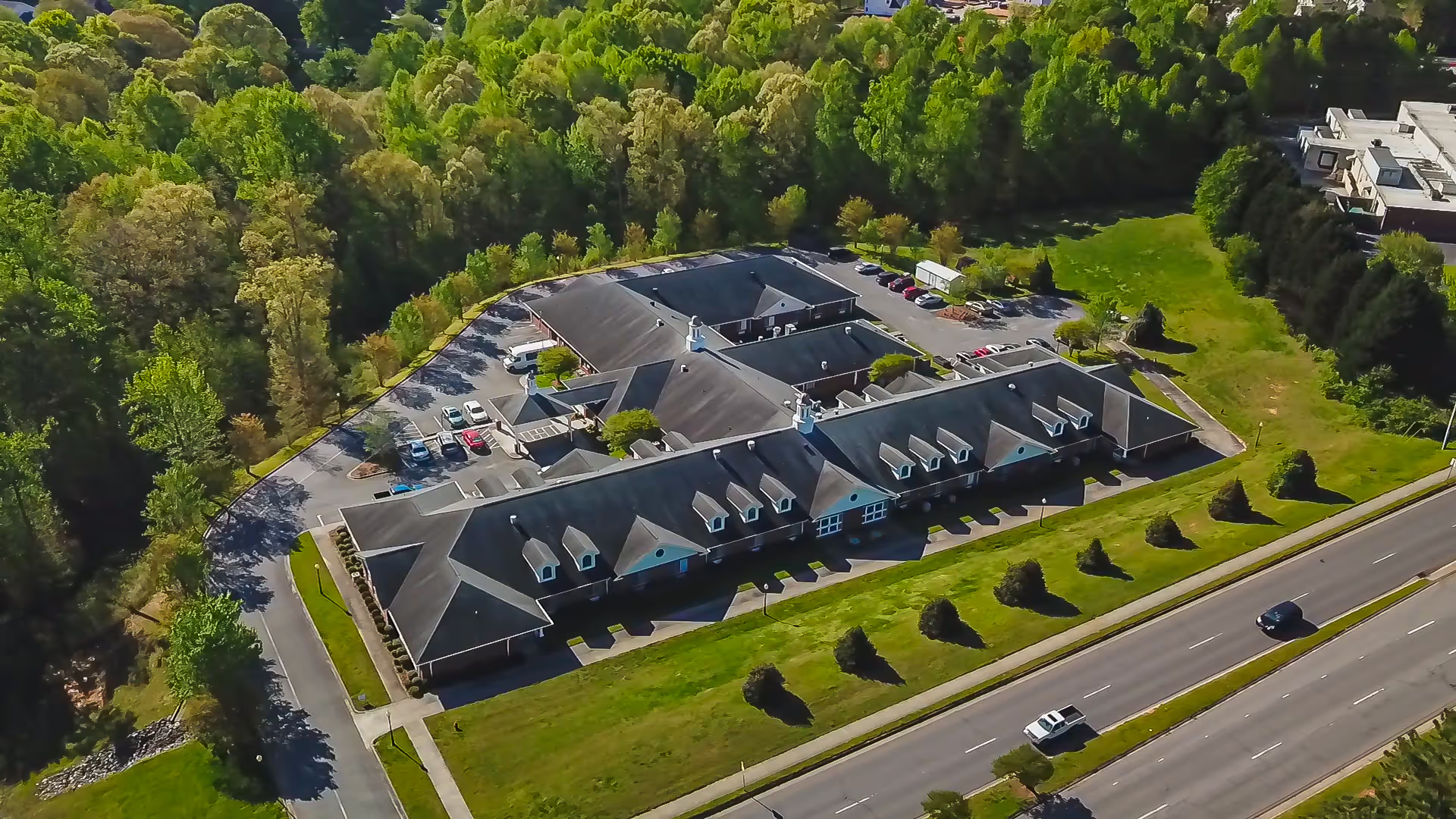
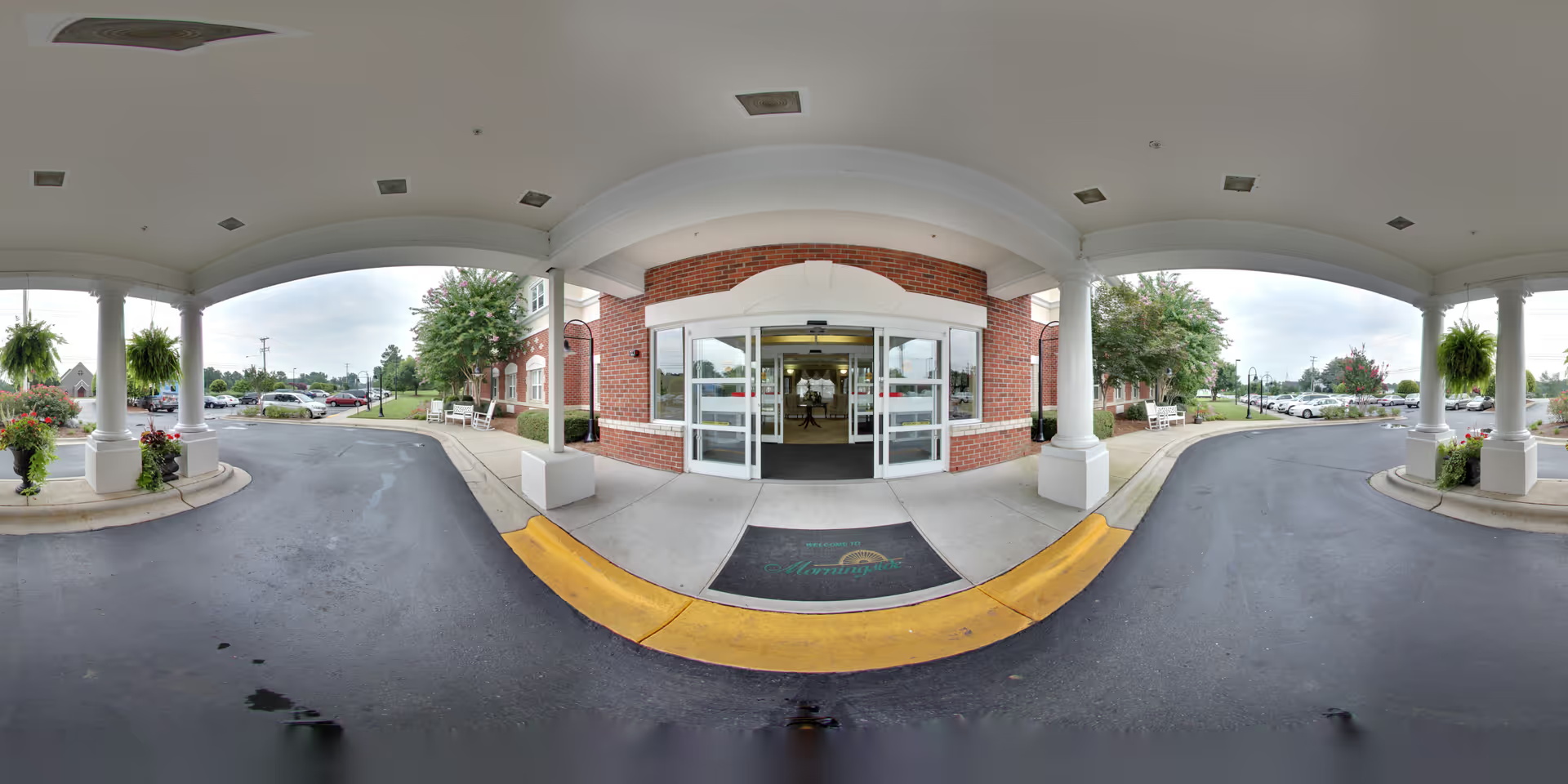
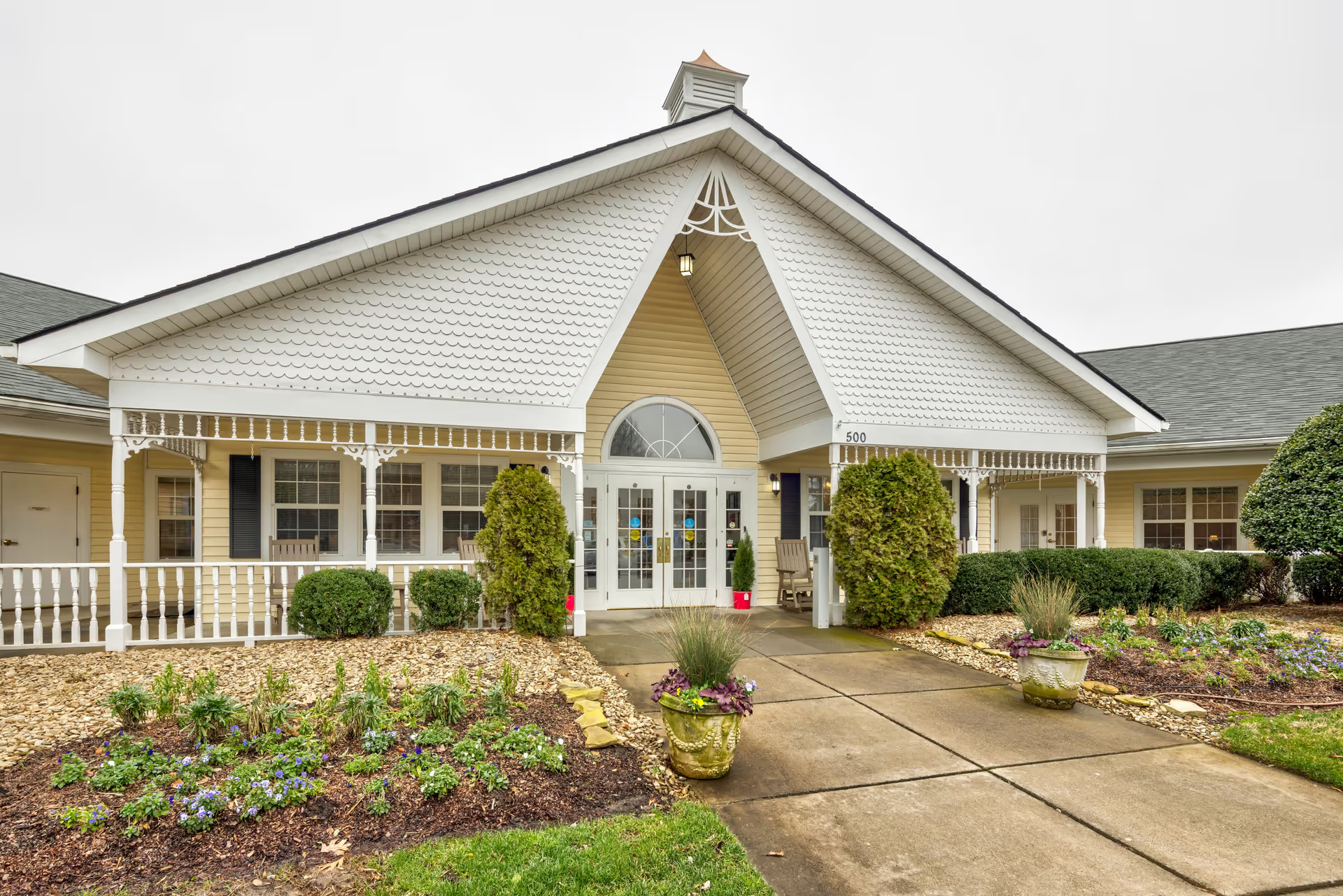
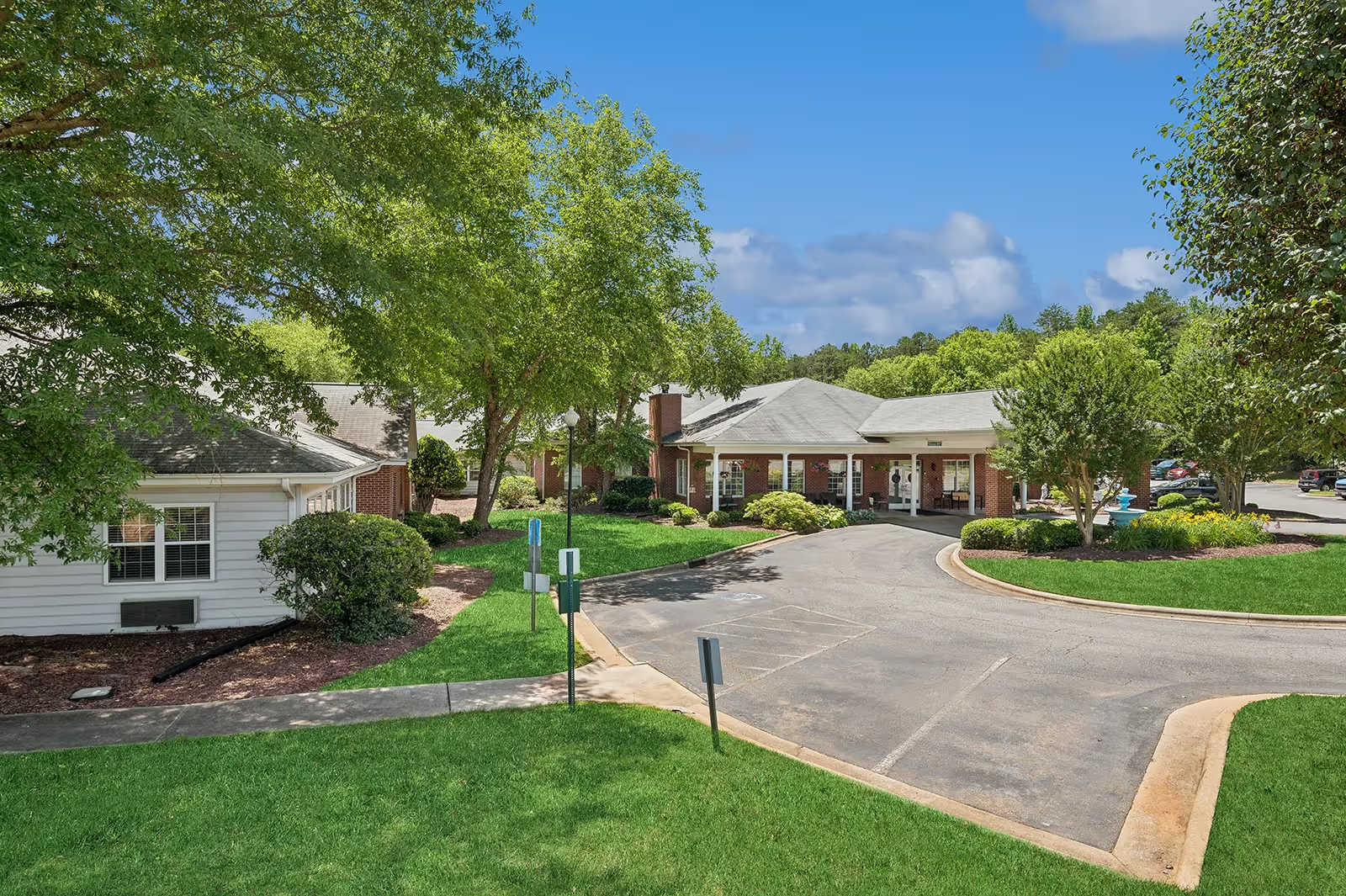
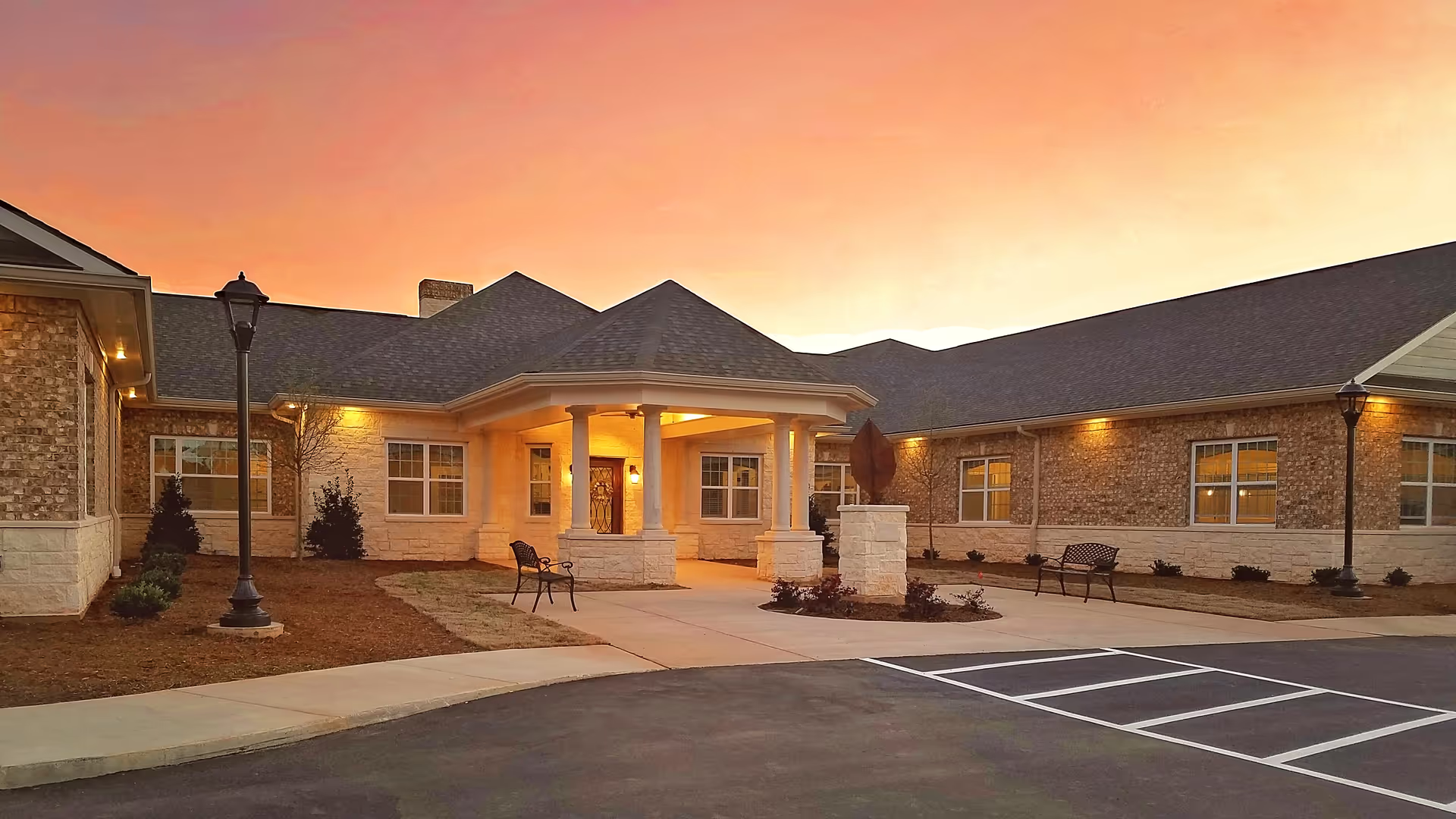
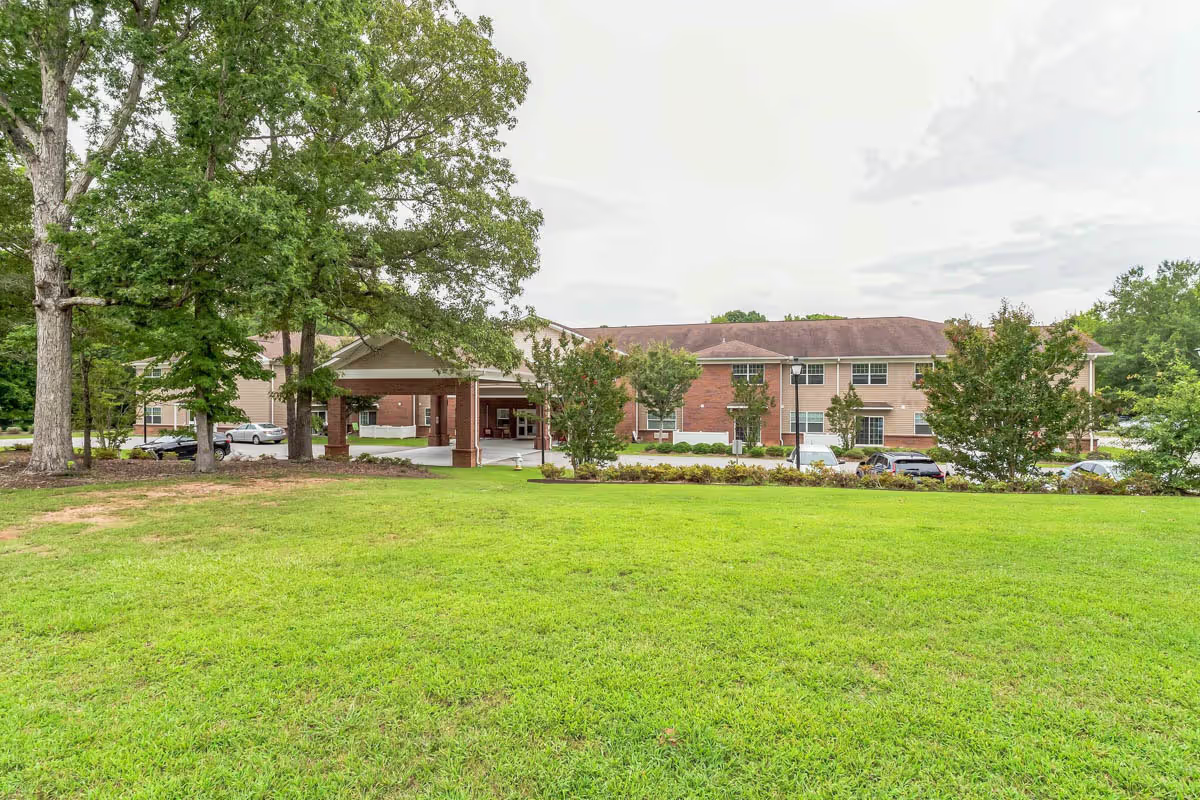
Brookdale Robinwood elicits a broadly mixed but actionable picture: many families and residents emphasize strong interpersonal strengths and an attractive physical environment, while a consistent set of operational concerns appears across reviews. The facility is often described as clean, recently renovated in places, and comfortable — reviewers highlight well‑kept common areas, an appealing and bright dining room, varied room sizes (including larger suites), outdoor walking areas, and on-site services such as a salon. These physical attributes, together with a welcoming social atmosphere and visible resident camaraderie, contribute to positive impressions for prospective residents seeking a home-like setting.
Staffing and care quality are polarizing themes. Numerous accounts praise compassionate, attentive caregivers and an activities coordinator who provides robust programming; several reviewers note long-tenured employees and consistent faces that reassure families. At the same time, there are recurring reports of staffing instability — frequent leadership changes, turnover in care staff, and periods when office staff are not visible — which reviewers link to uneven care continuity. Clinical care is often described as good or excellent, but some families raised concerns about responsiveness to personal-care needs, inconsistent bathing/room rounds, and questions about medication-management practices. Reviewers also caution that the community may not be equipped for high-acuity or advanced dementia needs.
Dining receives mixed assessments. Many reviewers appreciate the dining room presentation and occasional appealing meals and events (for example holiday cookouts and special menus). However, a parallel pattern notes inconsistent food quality, limited menu variety, and challenges accommodating modified or therapeutic diets; families described repetitive options for hospital-style diets and a desire for simpler or more nutritionally balanced choices. Meal continuity and choice appear to fluctuate, and some reviewers judged the food offering as not commensurate with cost.
Activities programming is a relative strength in terms of variety — offerings such as exercise classes, Bible study, church services, bingo, cards, and occasional outings are commonly mentioned. Participation levels vary by resident, and some reviewers highlighted shortcomings in advertising or scheduling of activities and a need for more frequent day trips and off-site transportation. Communication about activities is generally positive when staff are engaged, but gaps in publicity and coordination reduce participation for some residents.
Management, admission, and administrative practices are important areas for prospective families to evaluate in person. Several reviews cite billing problems, delays or errors in benefits verification (including VA paperwork), and communication gaps around financial matters and contract terms. Some families described a mismatch between pre-admission promises and post-admission realities, suggesting a need for careful review of contracts and written commitments. Conversely, other reviewers complimented responsive managers and staff who facilitate transitions and maintain good family communication.
In sum, Brookdale Robinwood appears to offer a well-maintained, socially active community with many caring staff and attractive amenities. Prospective residents and families should weigh that favorable social and physical environment against patterns of operational inconsistency: investigate staffing stability, clarify clinical capabilities for higher-acuity needs, review dining options for therapeutic diets, and perform close due diligence on billing, benefits coordination, and written admission agreements. A tour that includes conversations with both long-tenured staff and current administration, review of menus and activity calendars, and clear documentation of financial arrangements will help align expectations with the facility’s variable operational record.