The reviews for CareCore at Lakeridge present a strongly polarized picture: several families describe attentive, compassionate frontline caregivers, active recreational programming, and constructive leadership changes, while others describe persistent operational shortcomings that affect resident experience and safety.
Care quality is variable. Positive accounts highlight attentive aides, supportive physical therapy and social-work involvement, and leadership-driven improvements in clinical direction. However, other accounts raise concerns about medication administration reliability, delays in responding to call lights, incontinence-care delays, and clinical events that required hospital transfers. Reviewers' concerns about clinical-incident handling extend to family communication and escalation protocols; there is mention of at least one regulatory citation related to a resident-handling incident, which families cited when assessing safety and incident response.
Staffing and staff conduct show mixed signals. Many reviewers praised individual staff members for being kind, accommodating, and effective, and some reviewers singled out helpful maintenance and activity staff. At the same time, a recurring pattern describes inconsistent professionalism and tone from certain nursing staff, periods of inadequate staffing leading to slow responsiveness, and instances of aides or nurses being perceived as distracted or unavailable during care tasks. Turnover and changes in management were described by some families as contributing to uneven experience.
Dining feedback is also mixed. Positive mentions include adequate amenities and occasional supportive meal service, but several reviewers described inconsistent meal quality and mechanical-texture preparation problems that left residents dissatisfied or hungry. These accounts suggest variability in food preparation and diet-consistency controls.
Activities and social engagement are frequently cited as a strength when present. Multiple reviewers noted a structured activities program, weekly offerings, and community outings that contribute positively to resident quality of life. Activity staff and some social-work contacts received favorable remarks for engagement and encouragement of participation.
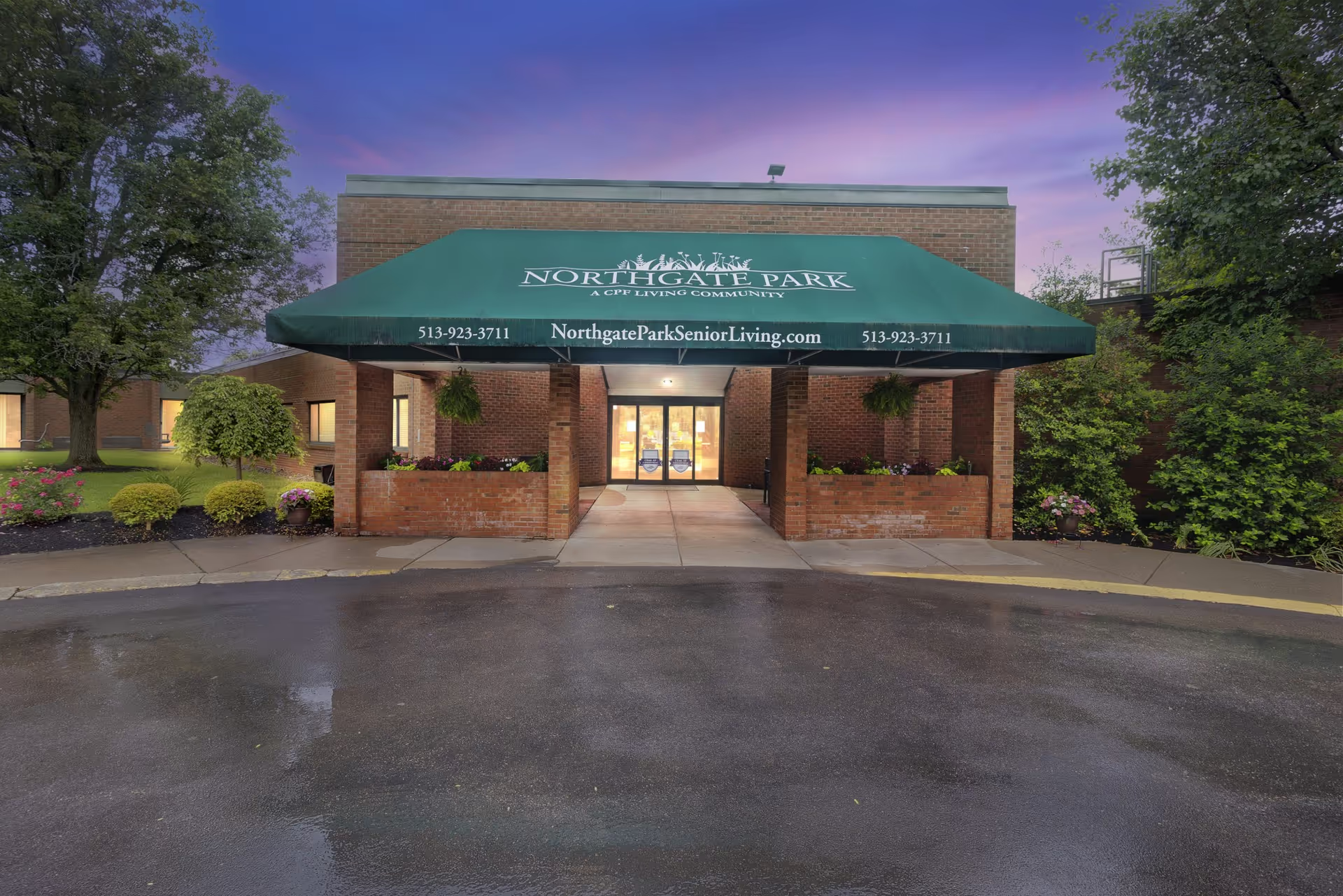
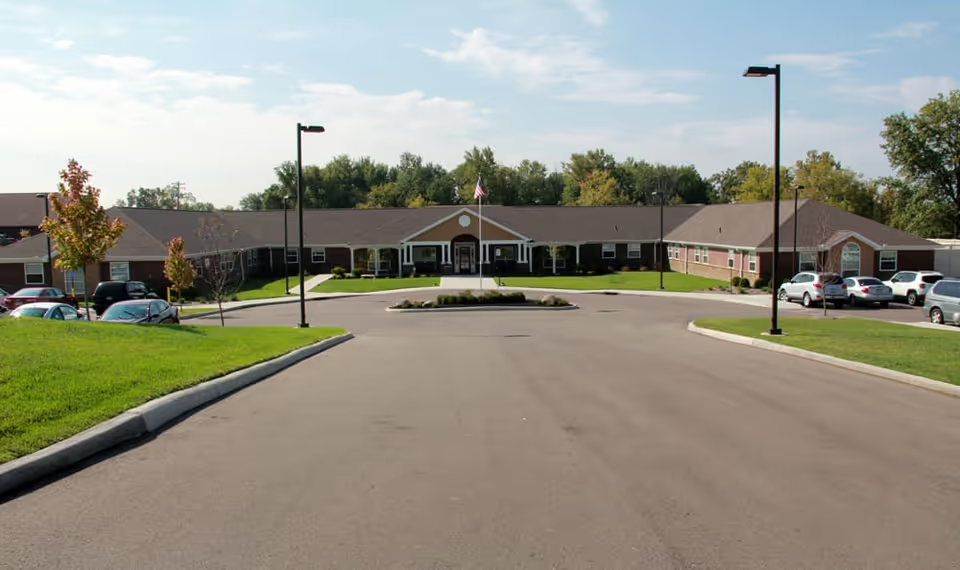
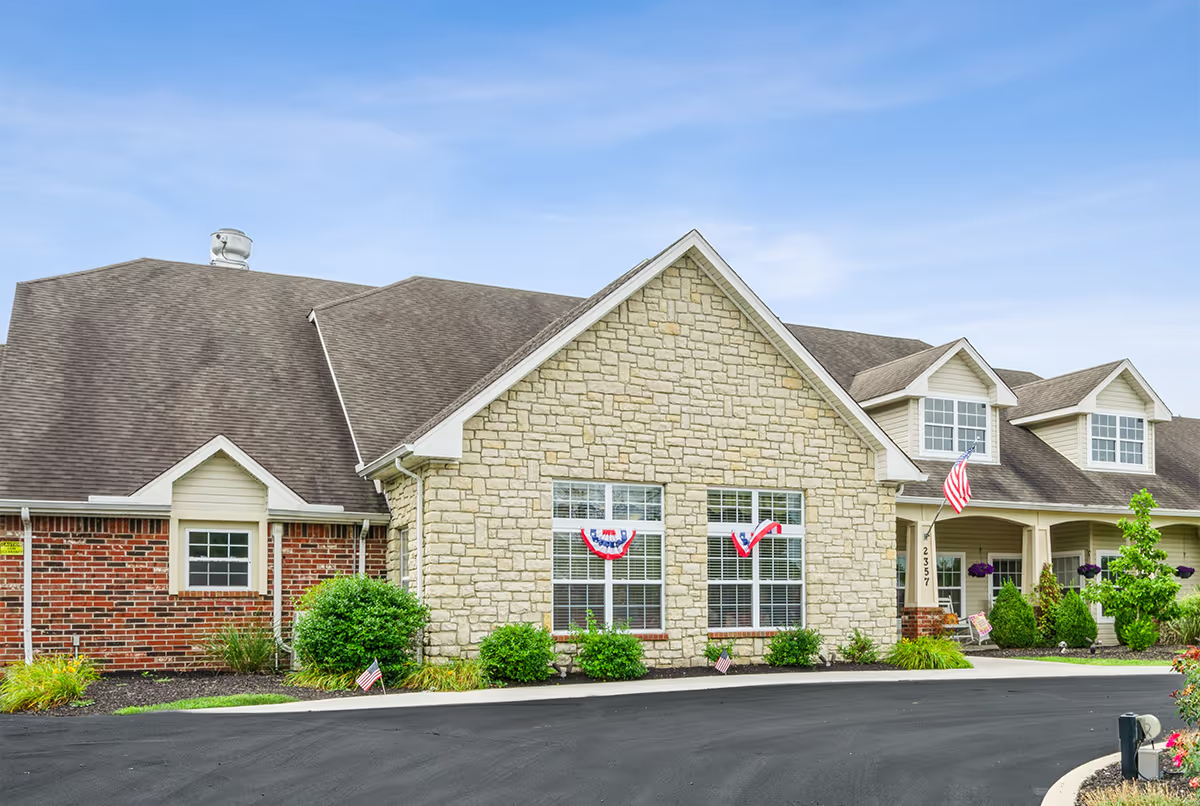
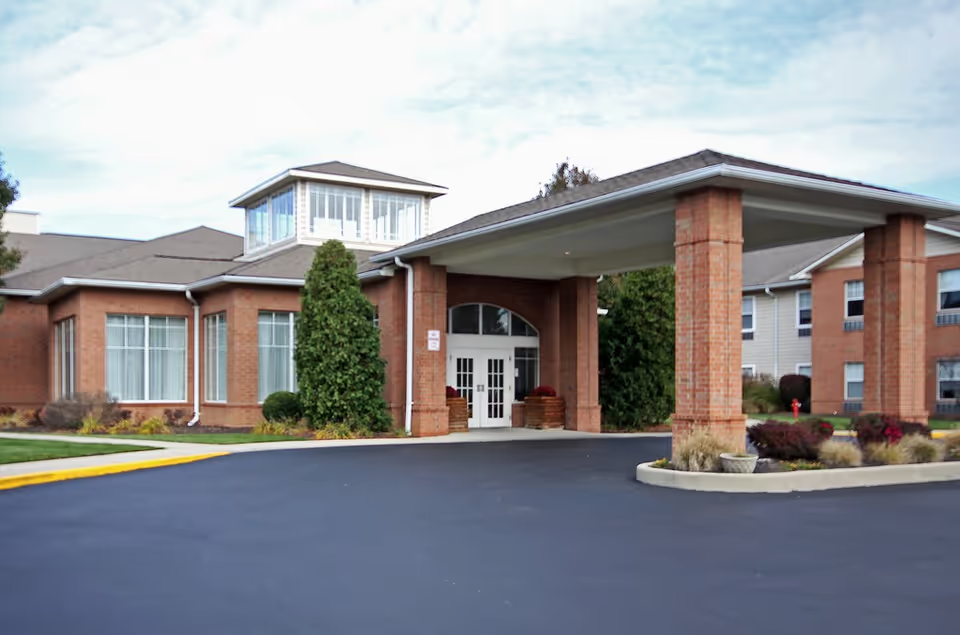
Facility condition and maintenance emerged as a major area of concern for many families. Complaints focus on aging infrastructure, visible maintenance deficits (peeling paint, damaged drywall, evidence of mold or grime), and sanitation issues that produced odor concerns in resident rooms and common areas. Conversely, a number of reviewers described rooms and grounds as clean, well kept, and home-like, indicating substantial variability between observations or units.
Management and communication patterns are mixed. Positive notes include visible leadership improvements, clear COVID-safety communication, and helpful responses from some administrators. Negative patterns include slow or defensive responses to family concerns, difficulty reaching corporate contacts, perceived pressure around visitation policies, and marketing materials that some families felt did not reflect on-site conditions. Property-management concerns such as missing personal items and inconsistent laundry/clothing management were also raised.
Notable patterns across the reviews are the degree of variability in experience and the clustering of operational themes: cleanliness and maintenance, staffing responsiveness, clinical-incident handling, and family communication. Prospective residents and families should expect that experiences may differ by unit and over time; a thorough, in-person tour, specific questions about staffing ratios, incident history, infection-control procedures, dining accommodations, and review of recent regulatory actions would help clarify current conditions and fit for a particular resident.