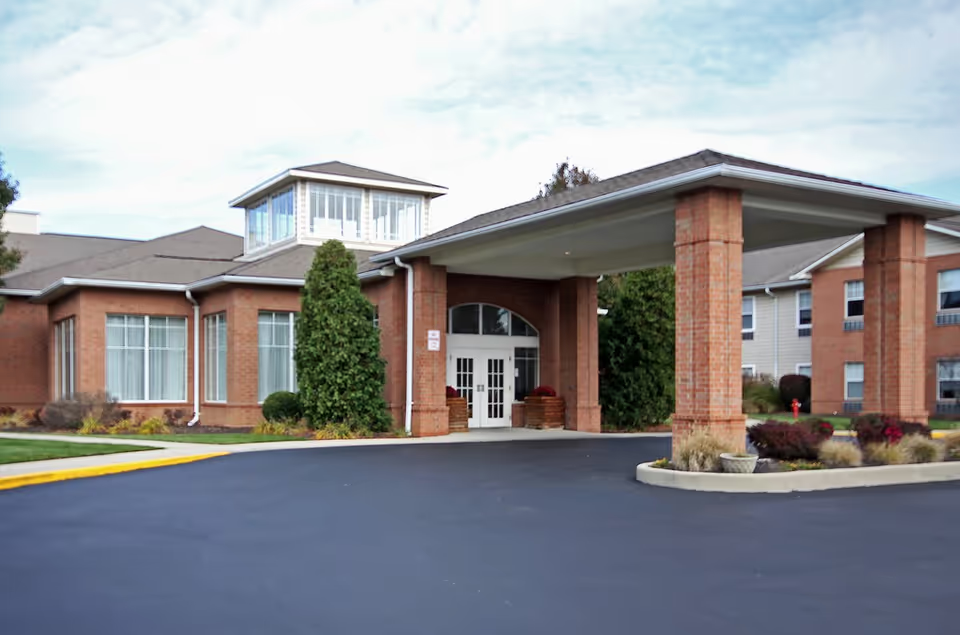
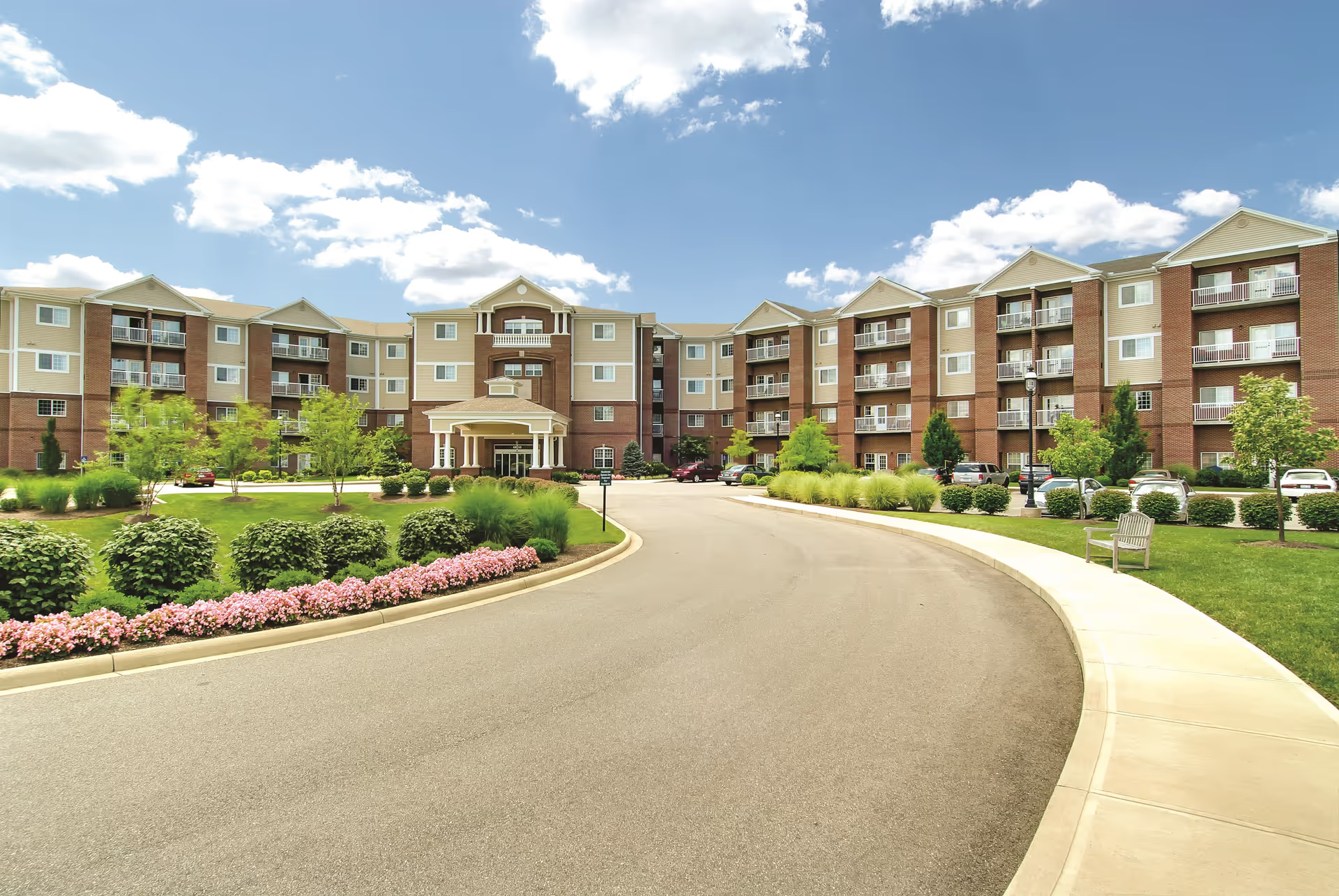
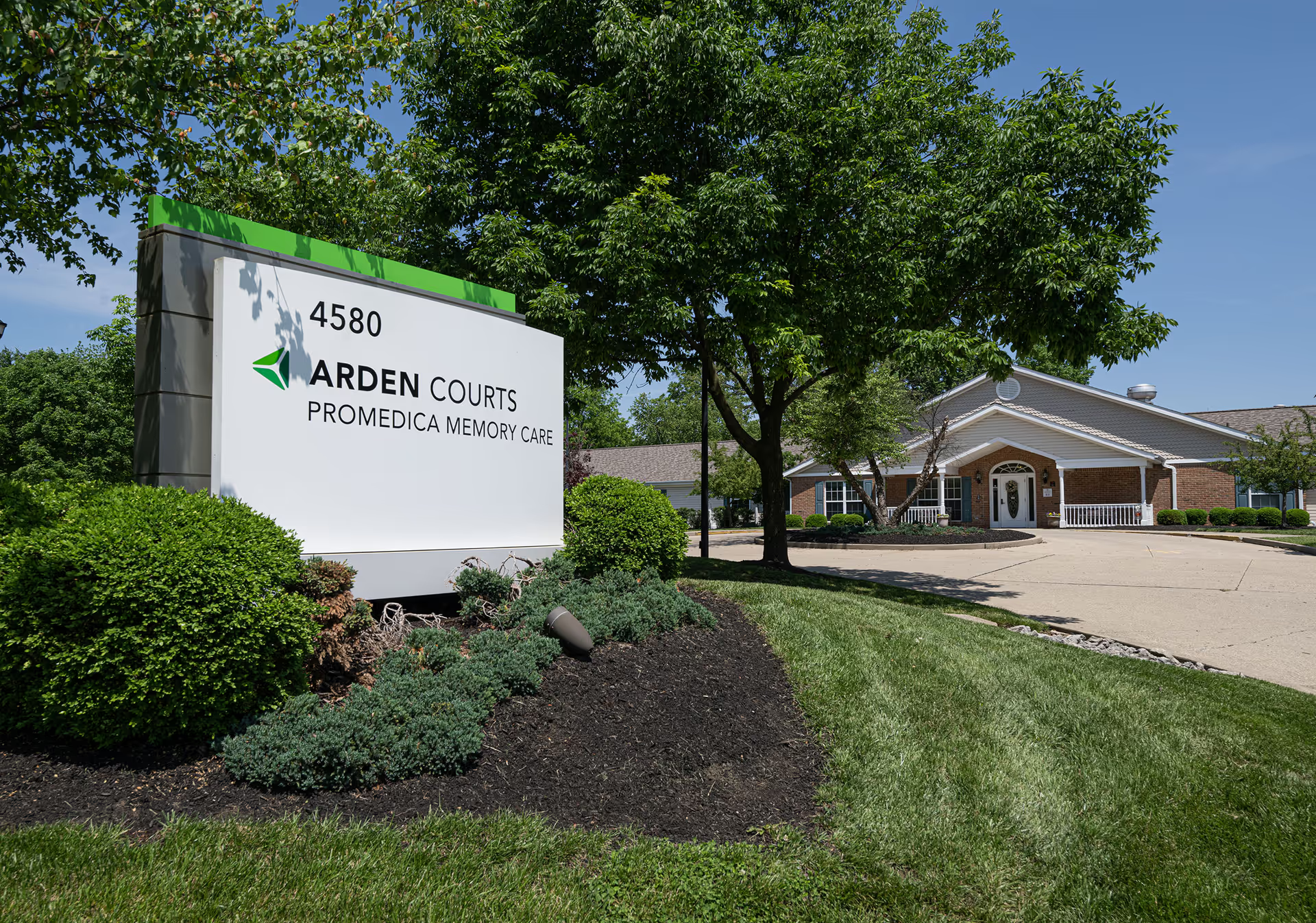
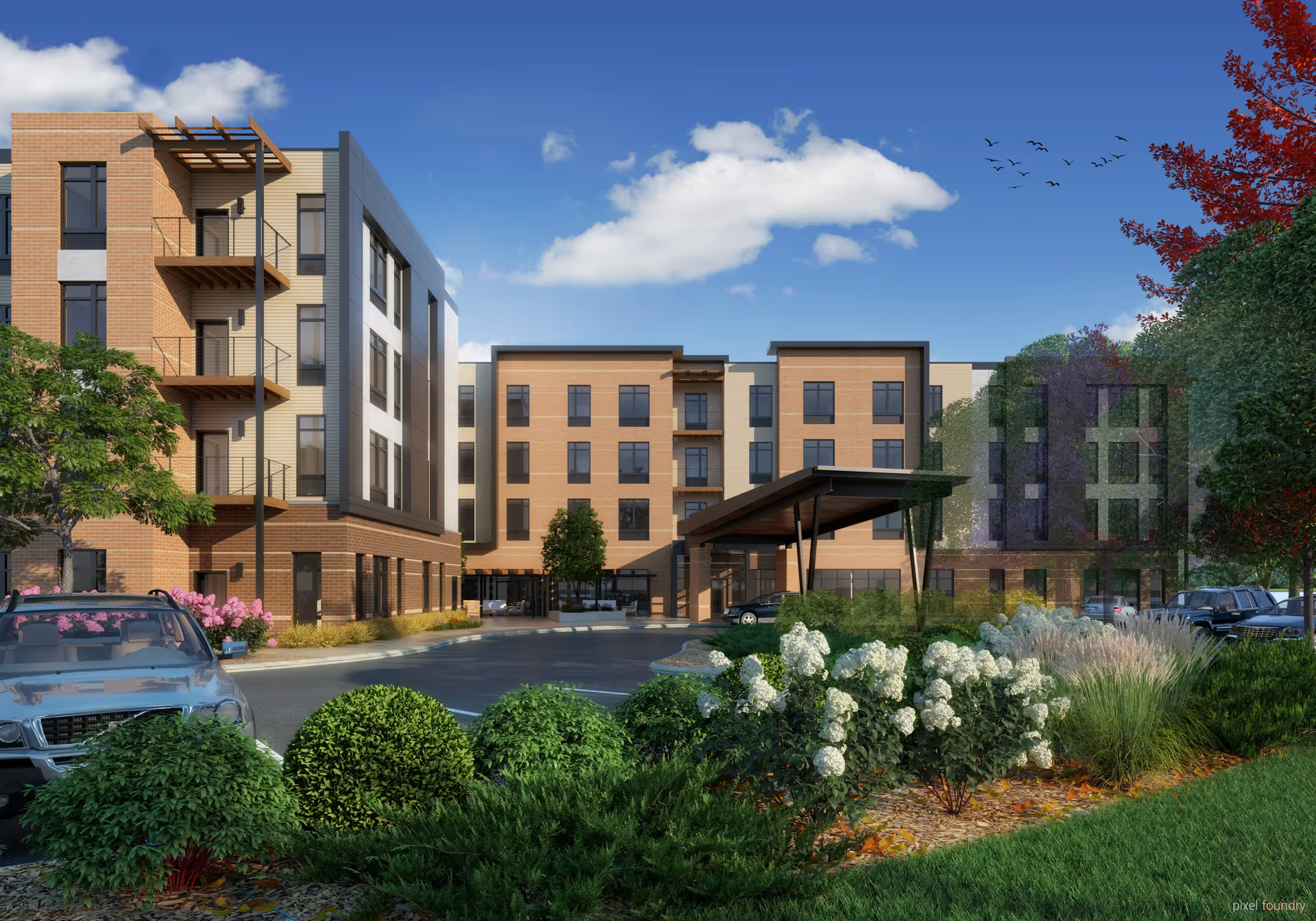
The reviews for this facility show a pronounced split between consistently praised frontline staff and recurring operational weaknesses. On the positive side, many families and visitors highlight compassionate nursing aides, engaged therapists, an active activities calendar, and useful on-site services such as dialysis. Multiple accounts describe helpful case managers and admissions staff who facilitate transitions, responsive front-desk interactions, and pleasant outdoor grounds that contribute to resident quality of life. Where clinical services are delivered as intended—particularly short-term rehabilitation and some individualized therapy—the experience is described as effective and well organized.
Counterbalancing those strengths are repeated concerns about staffing stability and clinical oversight. Reviewers describe frequent turnover and reliance on agency nurses, which is associated with uneven continuity of care, variable clinical competency, and supervisory gaps. These staffing fluctuations correlate with operational problems such as missed or delayed medication administration, inconsistent monitoring of acutely ill residents, and delays in escalating medical needs. Several accounts raise issues about therapy consistency and documentation accuracy, including instances where billed services were not clearly reflected in care delivery.
Cleanliness, maintenance, and dining are other areas of mixed performance. Some parts of the building and grounds are described as clean, bright, and well kept, while other reports indicate sanitation concerns, odor issues in specific areas, and inconsistent housekeeping practices. The dining program receives both praise for menu variety and criticism for variable meal temperature and nutritional consistency; a small number of reviews referenced meals that did not meet expected standards. Facility infrastructure items—temperature control, HVAC, and certain repairs—are repeatedly identified as needing upgrades to improve resident comfort.
Communication and management responsiveness emerge as a central theme. Families commonly note positive individual staff interactions but also report poor follow-through from administration, unclear discharge planning, and difficulty obtaining timely updates. There are serious procedural concerns noted about documentation integrity and property security that warrant attention; some reviewers used strong language about these incidents, and there are references to external scrutiny and regulatory attention in a few accounts. Financial and placement motives are also mentioned as a perceived influence on care transitions by some families.
For prospective residents and families, the pattern suggests that outcomes at this facility depend heavily on unit staffing and which individual staff members are present. When established staff and therapists are available, care, therapy, and activities can be strong; when the facility is relying on temporary staff or experiencing supervisory gaps, families report notable declines in responsiveness, clinical monitoring, and housekeeping. If considering placement, families should evaluate recent staffing stability, ask for written protocols on medication administration and escalation of care, review therapy scheduling and billing practices, and clarify discharge planning and property-protection procedures. Engaging the facility’s case manager and documenting expected standards of care may help set clearer expectations and mitigate some of the operational variability reflected in the reviews.