Life Enriching Communities presents a mixed but overall positive profile: many reviewers praise the campus aesthetics, activity programming, and the compassionate demeanor of caregivers. The community offers a wide continuum of care—independent living, assisted living, skilled nursing, rehabilitation and hospice—and is noted for a lively social environment, pastoral support, fitness amenities (including a pool and gym), and a variety of dining options. Long-tenured staff and on-site social-work resources are frequently mentioned as strengths that help residents and families navigate transitions.
Care and staff quality receive largely favorable comments for everyday compassion and attention, with multiple accounts describing nurses and aides who engage residents and families and who provide emotional support during difficult times. At the same time, several reviewers describe uneven clinical performance: issues such as inconsistent follow-through on care plans, challenges with wound and complex-care management, and at least one account of clinical deterioration requiring hospital transfer. These narratives suggest variability in clinical reliability across units and shifts rather than uniformly consistent practice.
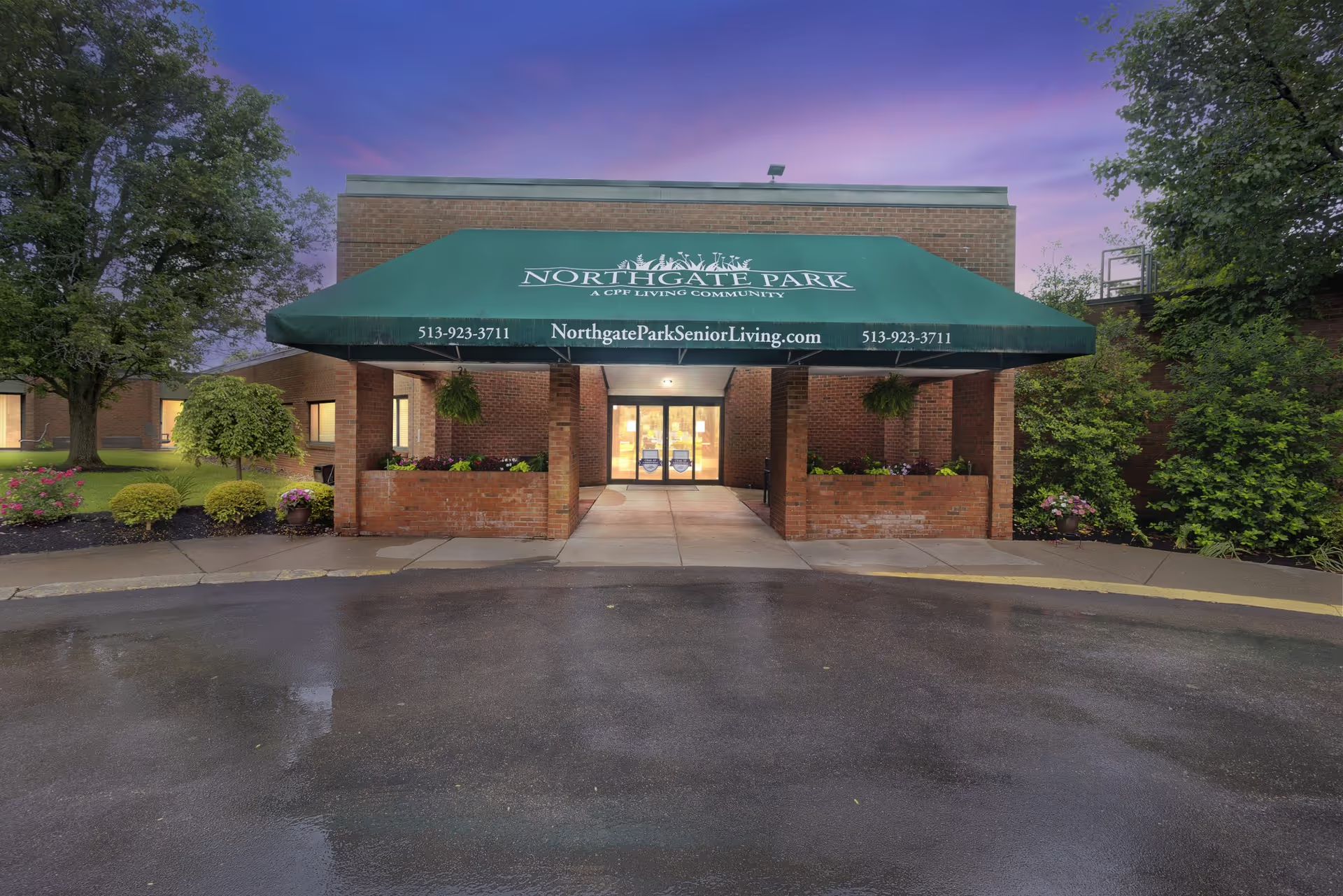
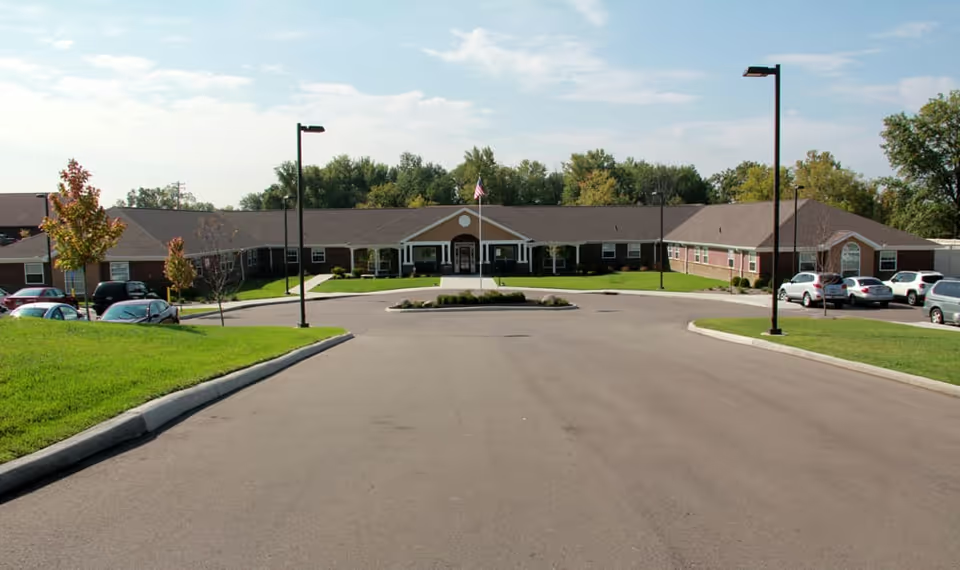
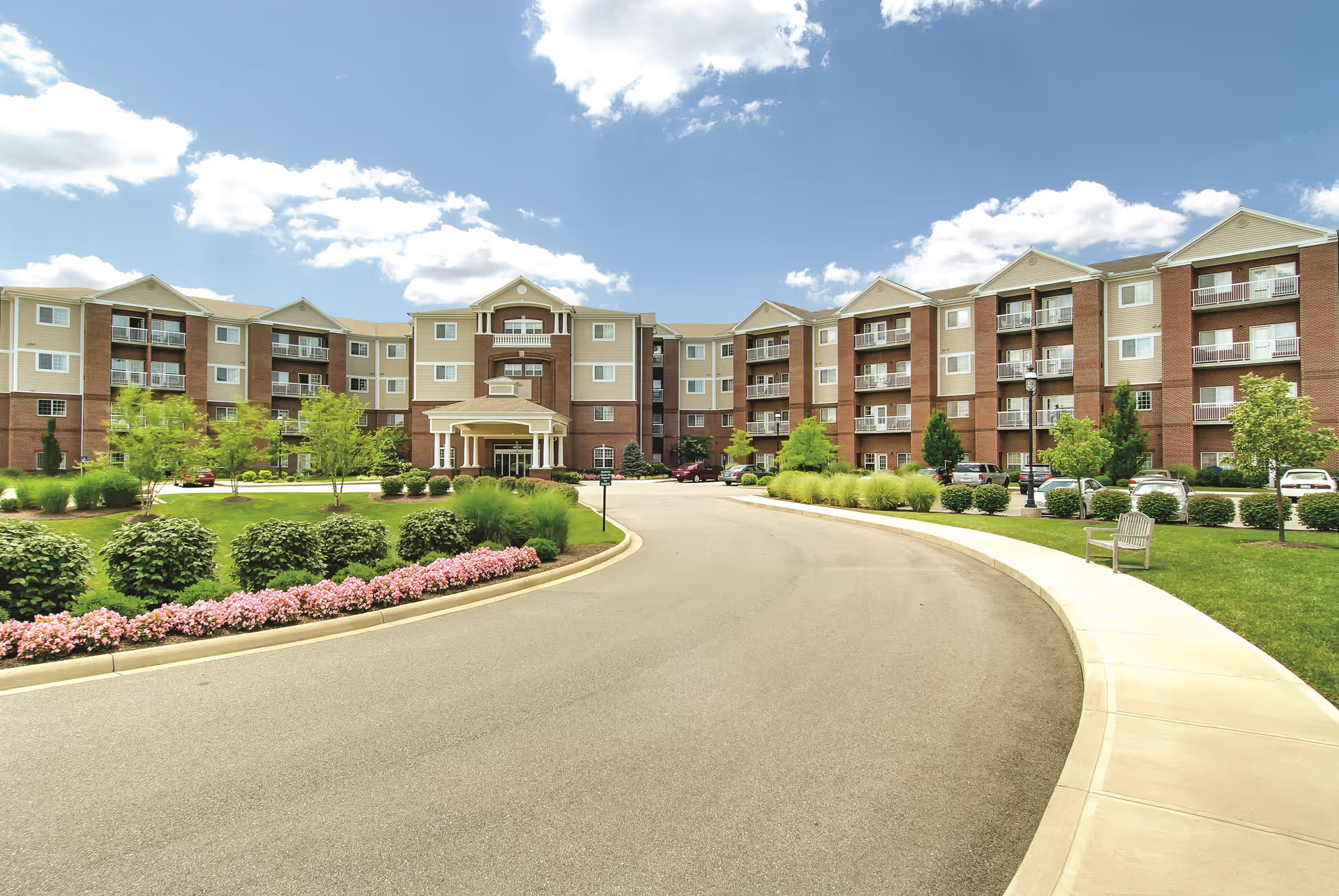
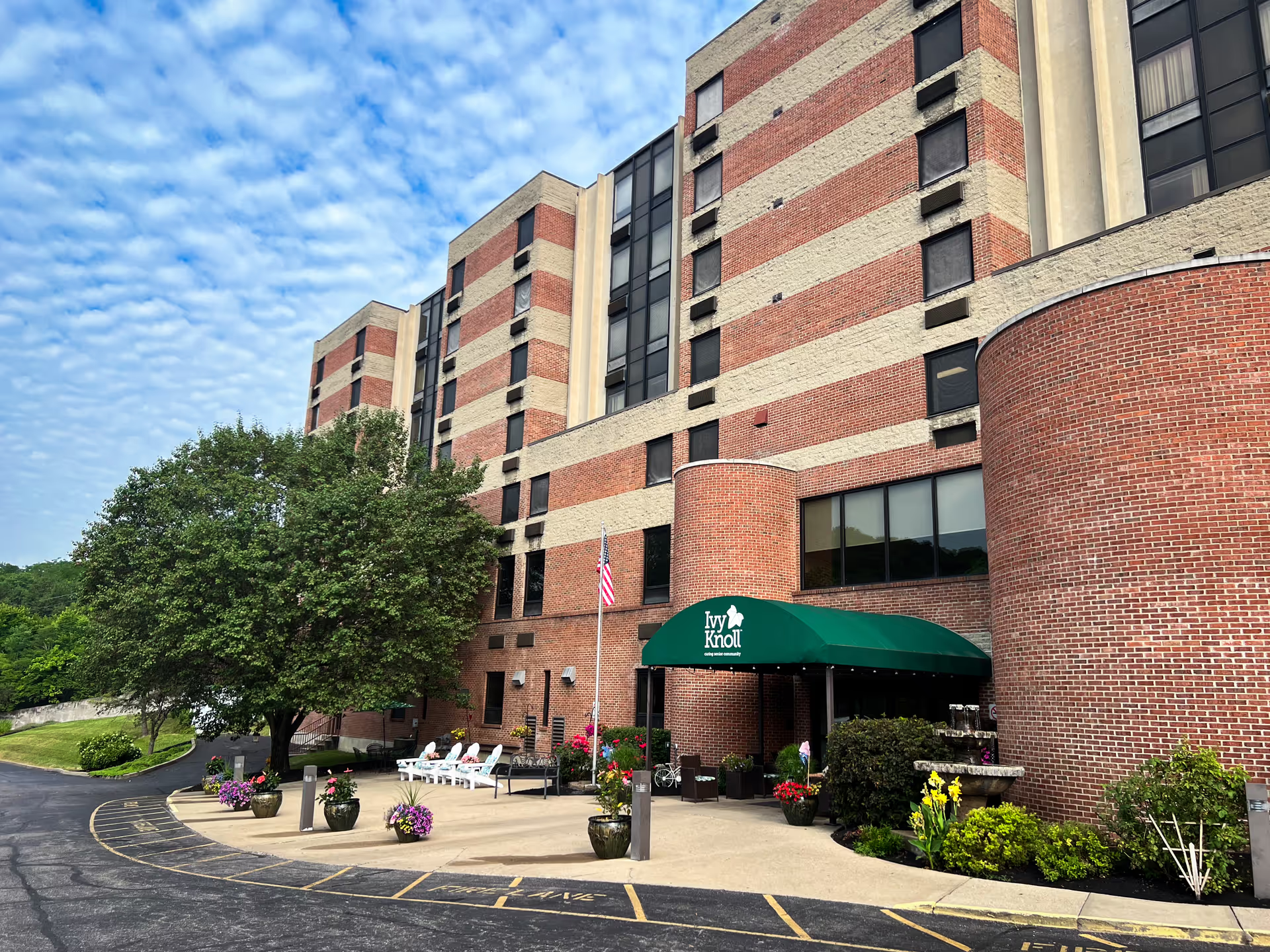
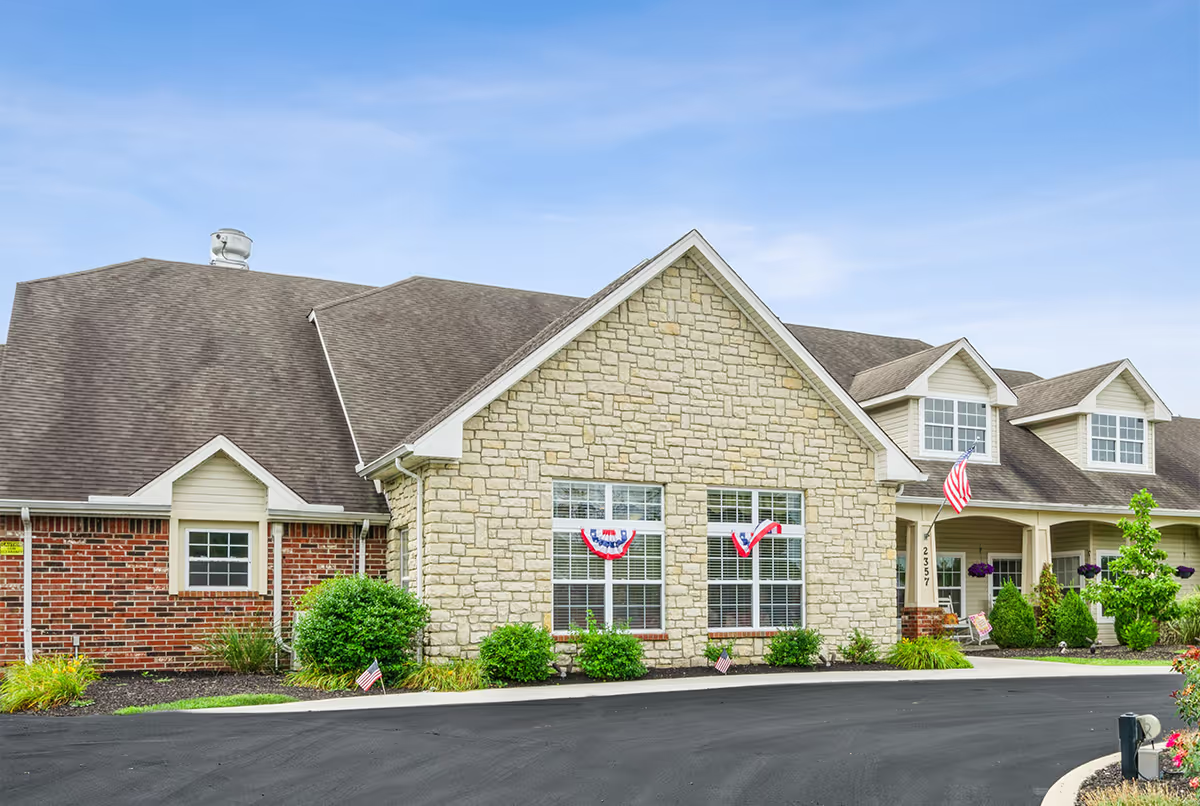
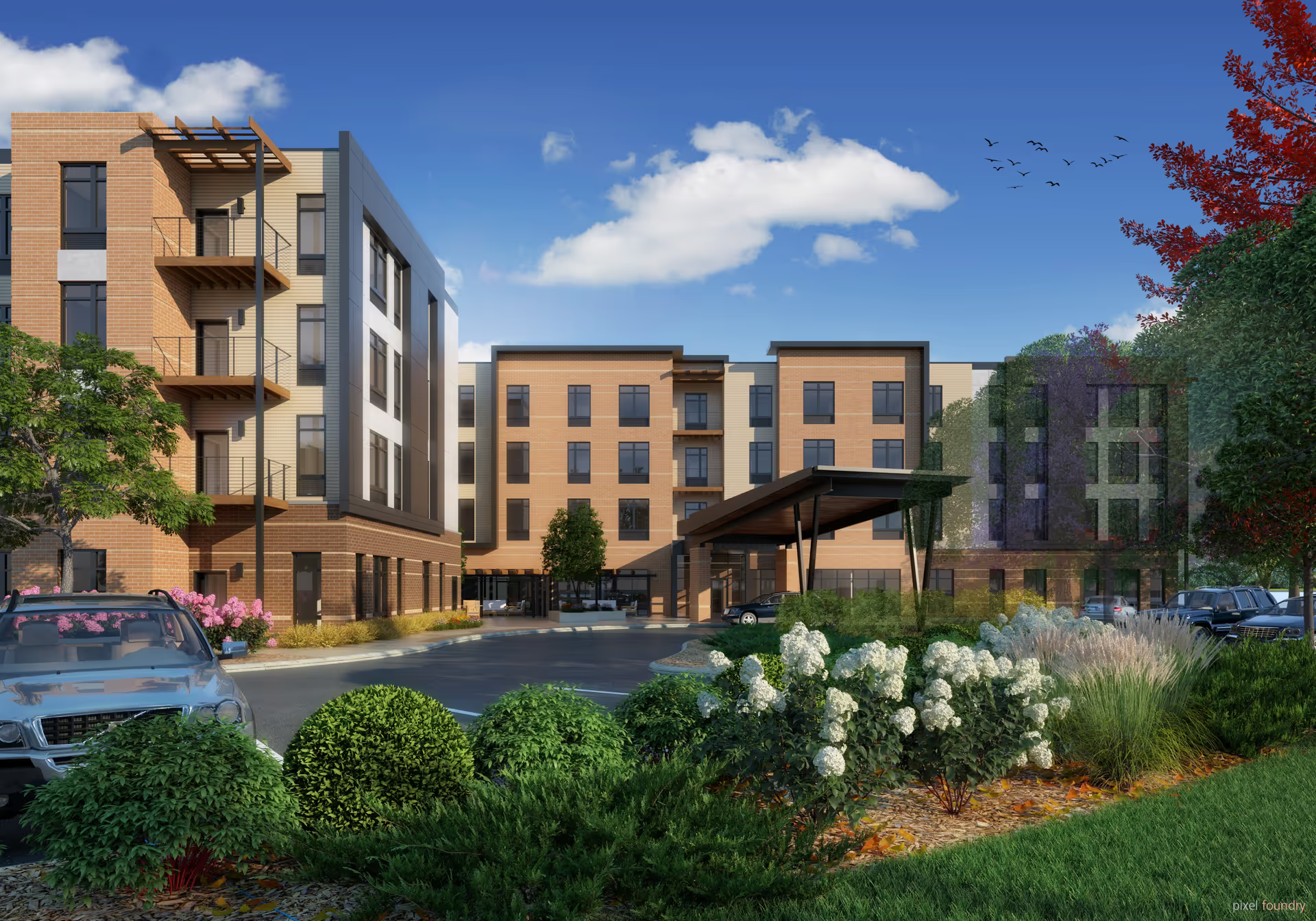
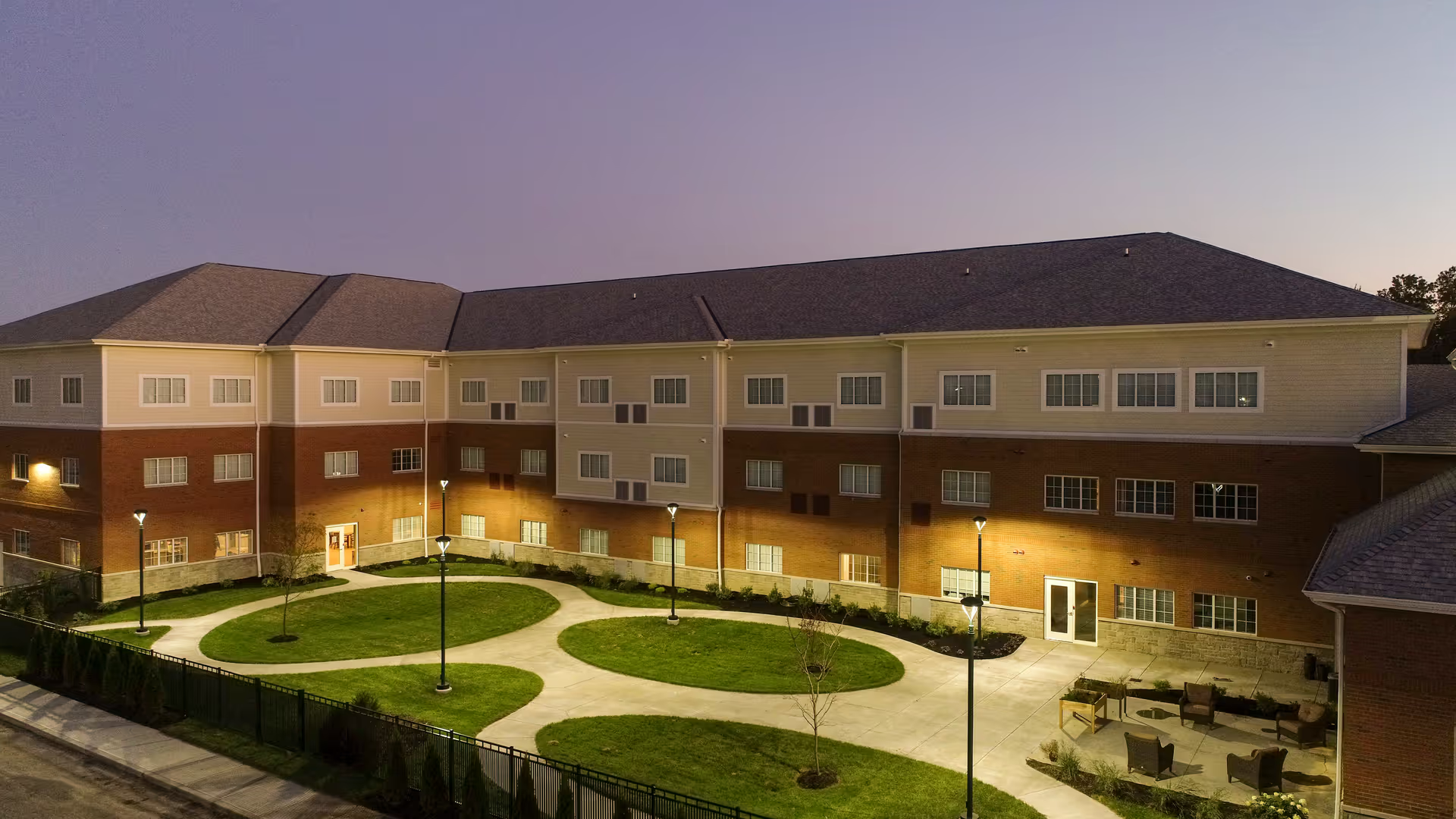
Dining, activities, and facilities are consistent selling points. Reviewers highlight varied meal choices and generally positive food quality, frequent programming (exercise, concerts, outings), well-maintained indoor and outdoor spaces, and a welcoming, socially active resident culture. The campus size and scope support a wide range of housing types and amenities, which some find attractive and others find overwhelming; the community's scale allows robust programming but also contributes to navigation and parking challenges for visitors and new residents.
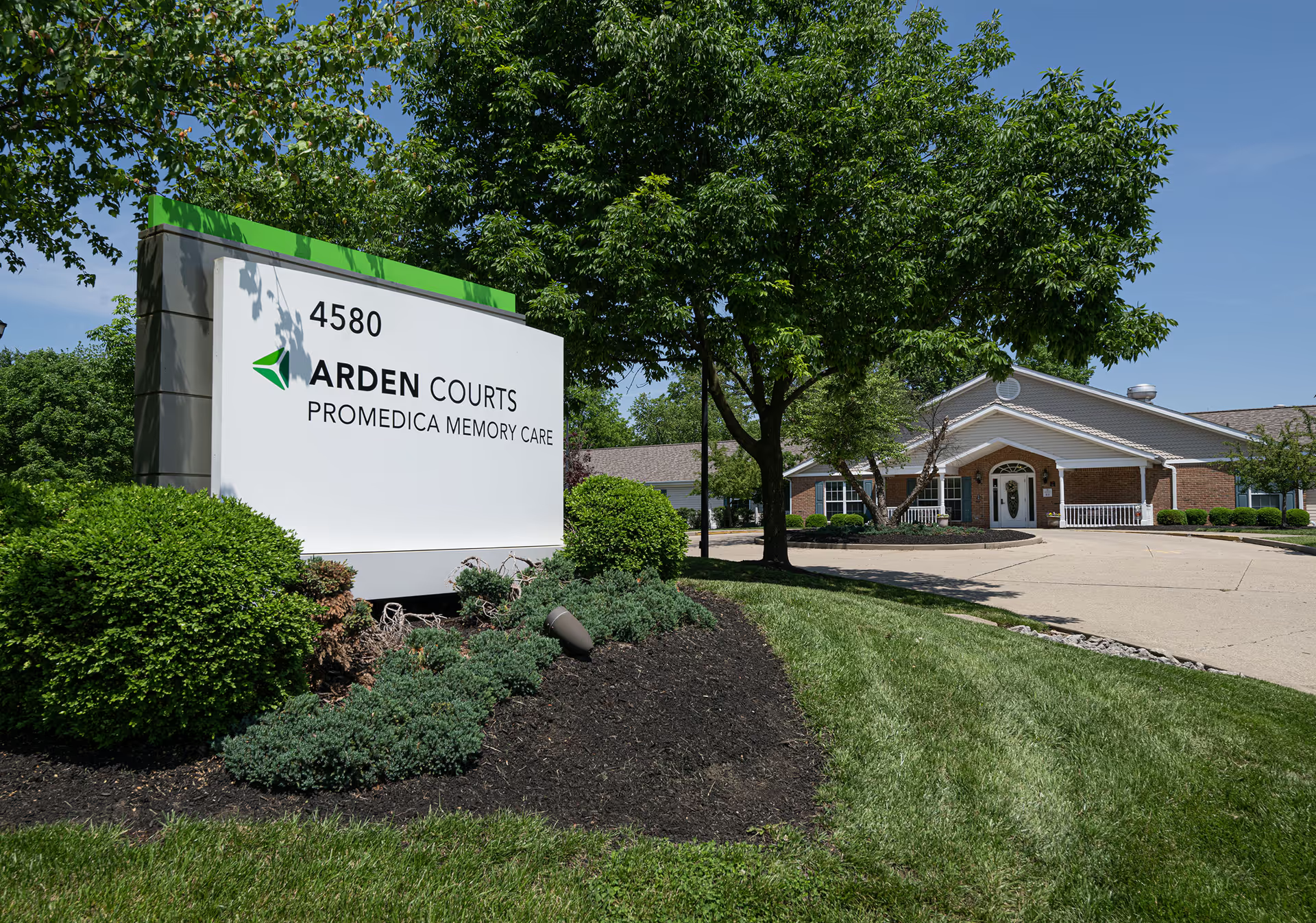
Operational and management patterns are mixed. Positive notes include responsive housekeeping and Life Safety teams, and examples where executive intervention resolved billing concerns amicably. However, recurring operational weaknesses include billing and insurance coordination problems (unexpected out-of-network charges or misunderstood coverage), admissions and front-desk responsiveness gaps, unclear wayfinding and entry signage, and perceived staffing and workload pressures that appear to affect consistency of care. Cost is also a notable factor: pricing is frequently described as high, with differences between baseline and fully featured accommodations not always obvious to prospective residents.
For prospective residents and families: weigh the clear strengths—compassionate everyday caregiving, active programming, attractive campus, and multi-level care availability—against the variability in clinical consistency and operational coordination. When touring or evaluating placement, consider asking for specifics about staffing ratios, wound- and complex-care protocols, recent staffing continuity, billing examples for your insurance situation, weekend staffing patterns, and how the community handles care-plan adherence and family communication. Observing meal service and a weekend shift, and requesting references from current families in the same care level, can help clarify whether the facility’s strengths align with your priorities.