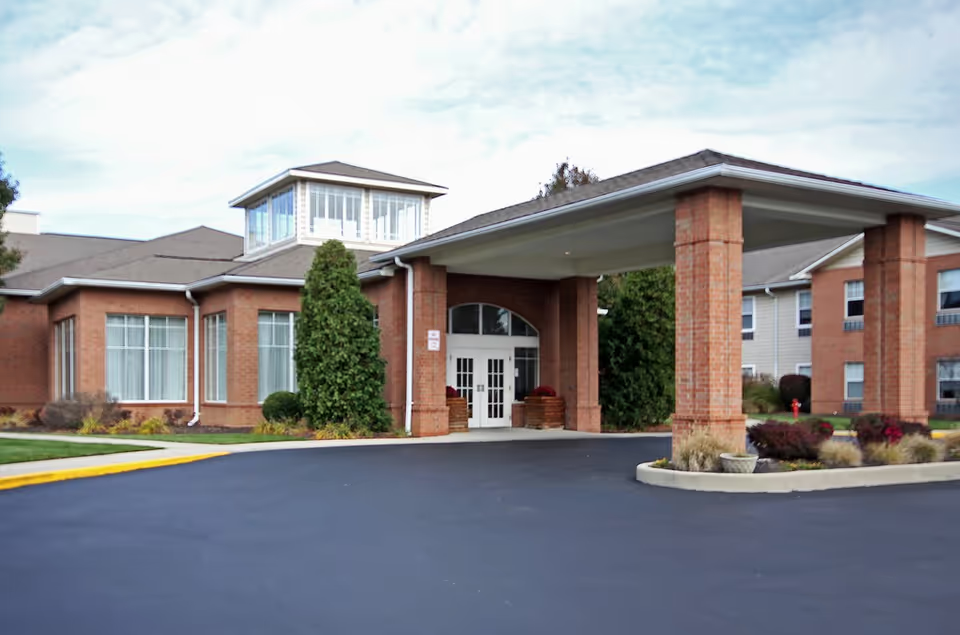
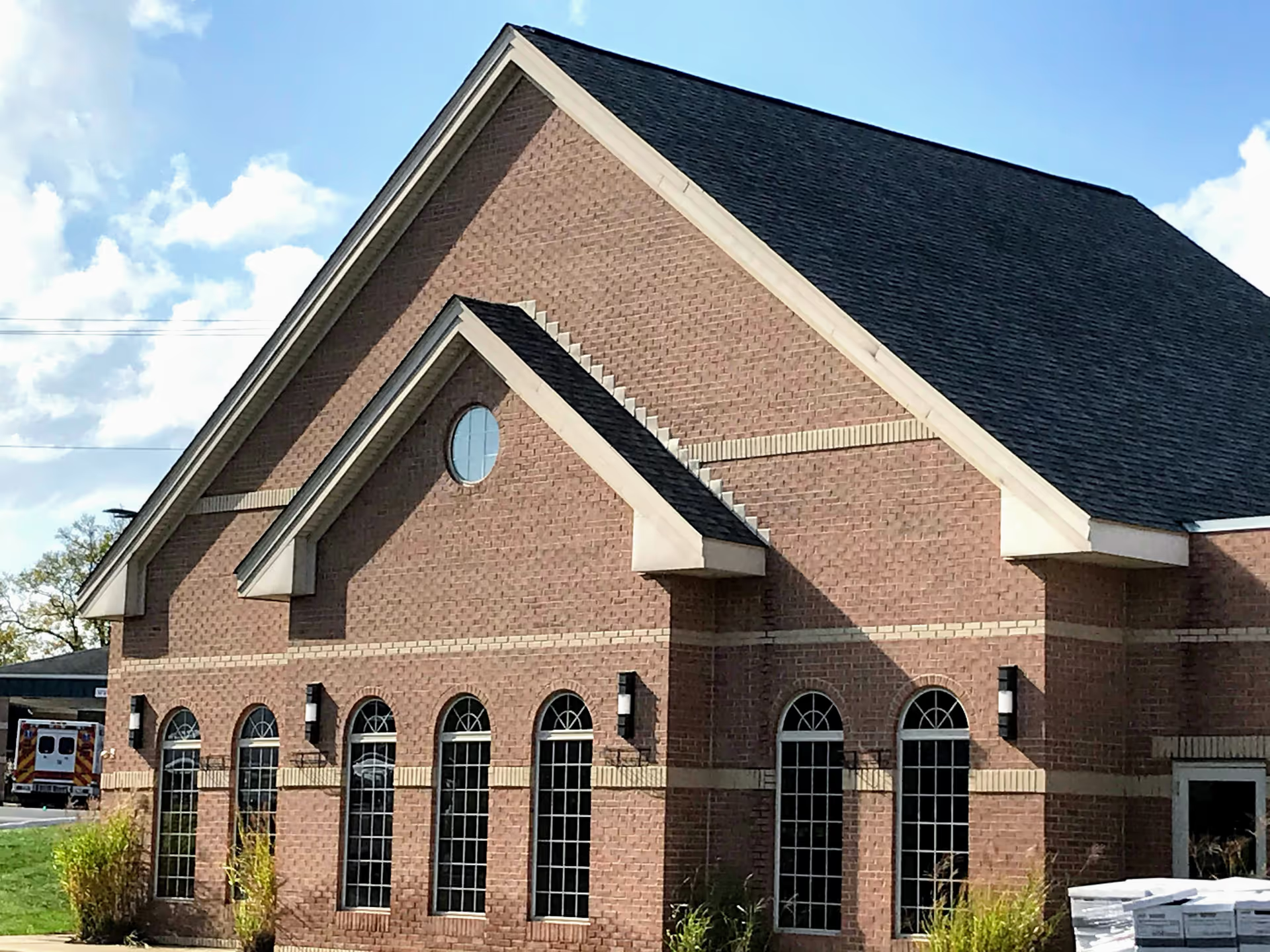
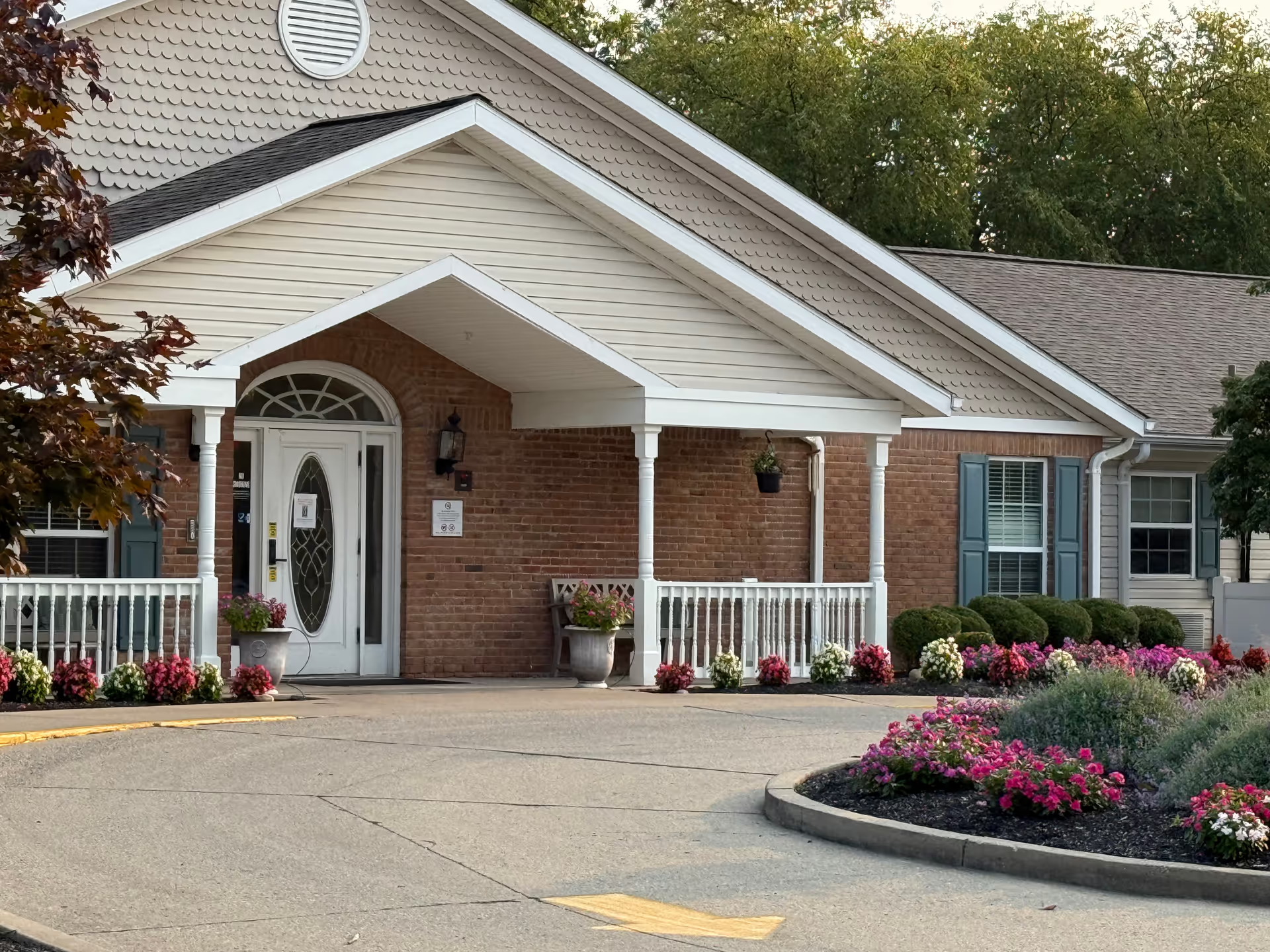
Reviews of Mt Airy Gardens Rehabilitation and Care Center present a mixed picture: a clinical-strength in therapy and many frontline caregivers, paired with recurring facility-level operational concerns. Therapy services—particularly physical and occupational therapy—are consistently praised for professionalism and positive rehabilitation outcomes, and multiple accounts describe residents returning home following short-term stays. A substantial portion of feedback highlights compassionate, attentive nursing assistants and nurses who provide individualized, empathetic care; several reviewers singled out specific leaders (e.g., Director of Nursing) and front-line staff for commendation. There is also evidence of ongoing facility improvements and renovation efforts, with some common areas described as clean and well-maintained and spiritual/faith-focused programming available for interested residents.
Care quality is therefore uneven. While rehabilitative care and respiratory/end-of-life coordination receive positive comments, reviewers also describe notable lapses in everyday clinical operations: inconsistent medication administration, missed or delayed hygiene and incontinence care, and occasional pressure-injury and wound-care concerns. Several families reported delays in attending to resident needs during certain shifts, and reliance on agency personnel unfamiliar with residents can reduce continuity of care. These operational gaps appear most acute during night shifts and periods of perceived understaffing.
Staff culture is described in polarized terms. Many accounts emphasize friendly, hardworking, and compassionate staff who create a family-like atmosphere and offer individualized attention. Conversely, other accounts raise concerns about staff conduct, responsiveness, and tone with families, and describe situations where supervisory oversight and training did not appear adequate. Communication with families and between clinical teams is another recurrent theme: some reviewers praised clear, collaborative communication, while others experienced admission hang-ups, unreturned calls, phone system problems, or inconsistent updates from administration.
Dining and activities are similarly mixed. Several reviewers commended meal quality and satisfactory therapy-supporting nutrition, whereas others reported interrupted meal service, variability in food preparation, and trays left without timely retrieval. The activities program received positive feedback after a management change that reportedly increased engagement and variety for residents.
Facility condition and safety concerns merit attention. The building is frequently described as aging, with maintenance issues that include water-damage, mold or peeling finishes in some rooms, elevator outages, and areas requiring cosmetic and mechanical repairs. Sanitation and infection-control practices are inconsistent across units; reviewers described cleanliness issues in specific rooms or bathrooms and odor or pest-control concerns in some areas. Safety processes were questioned in relation to unlocked doors, fall risks, and inconsistent adherence to transfer and supervision protocols. There are also several comments about personal-property security and isolated incidents that families found troubling.
Management and oversight perceptions vary. Some families credited recent ownership and administrative changes with visible improvements in cleanliness, staffing responsiveness, and program offerings. Other reviewers alleged concealment of problems, insufficient corrective action, or slow responses to safety concerns, and a few called for stronger regulatory scrutiny. Overall, the dominant pattern is a facility where high-quality, compassionate caregiving and effective rehab services coexist with operational weaknesses in housekeeping, staffing consistency, medication and hygiene practices, communication, and building maintenance. Prospective residents and families should weigh the facility’s strong therapy and many dedicated staff against the documented variability in day-to-day operations, and consider direct, documented discussions with administration about staffing, infection-control procedures, maintenance timelines, and family communication plans before admission.