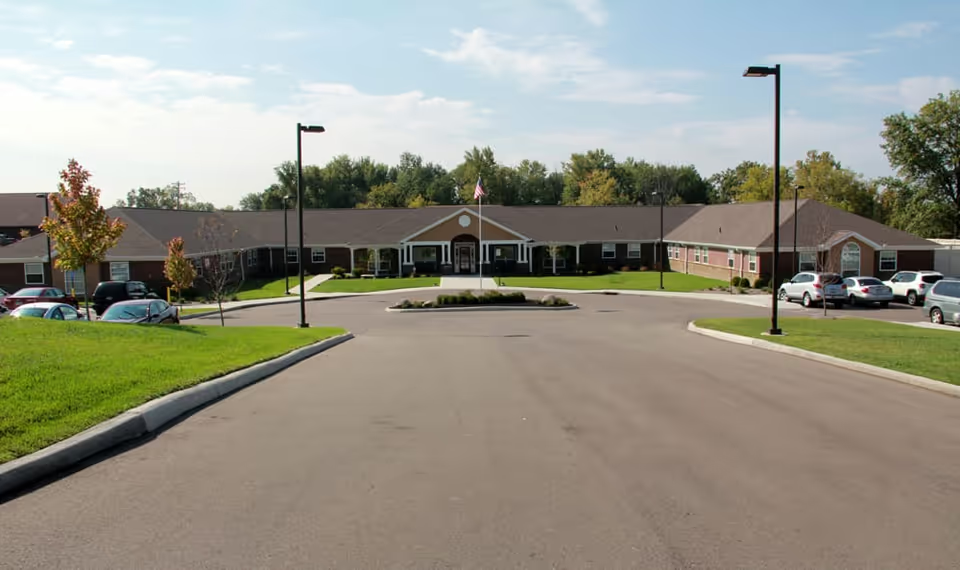
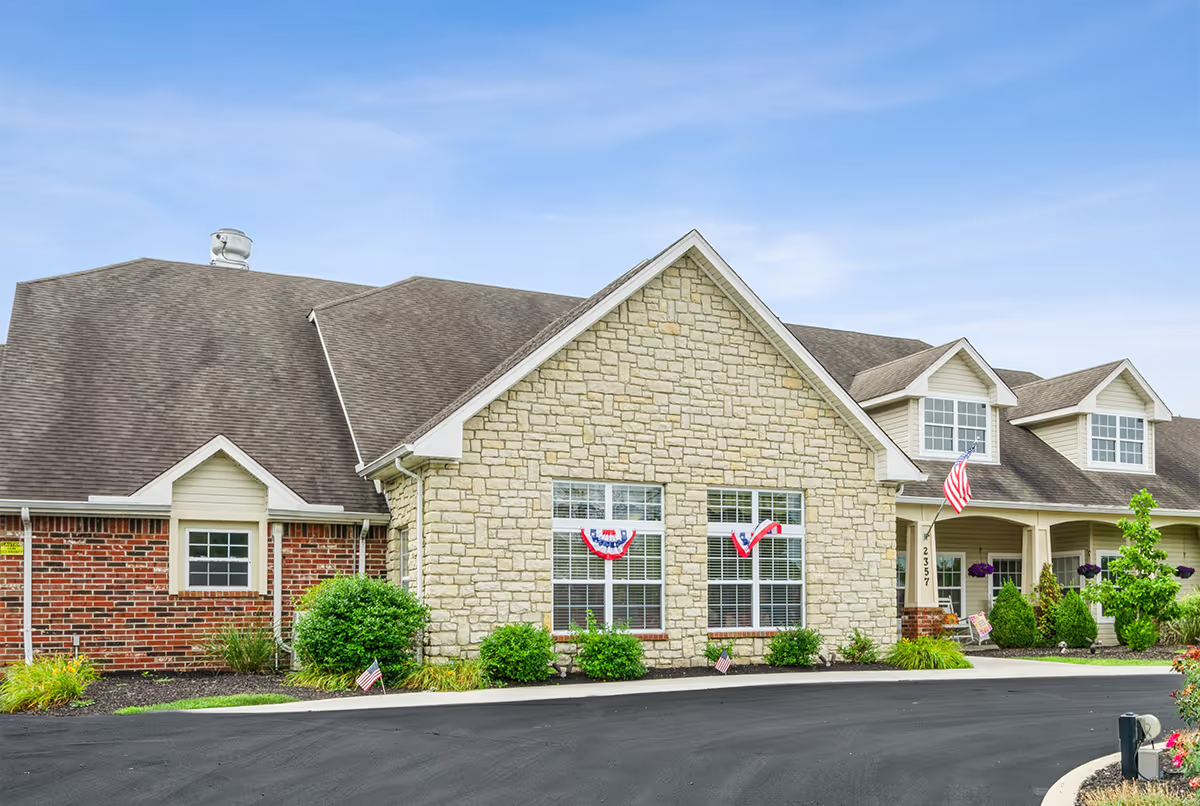
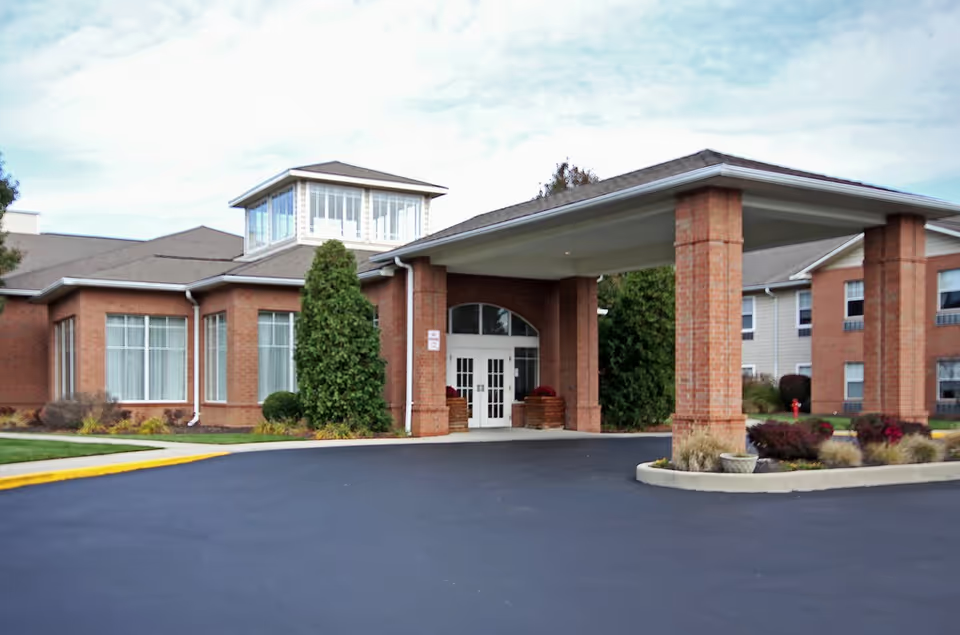
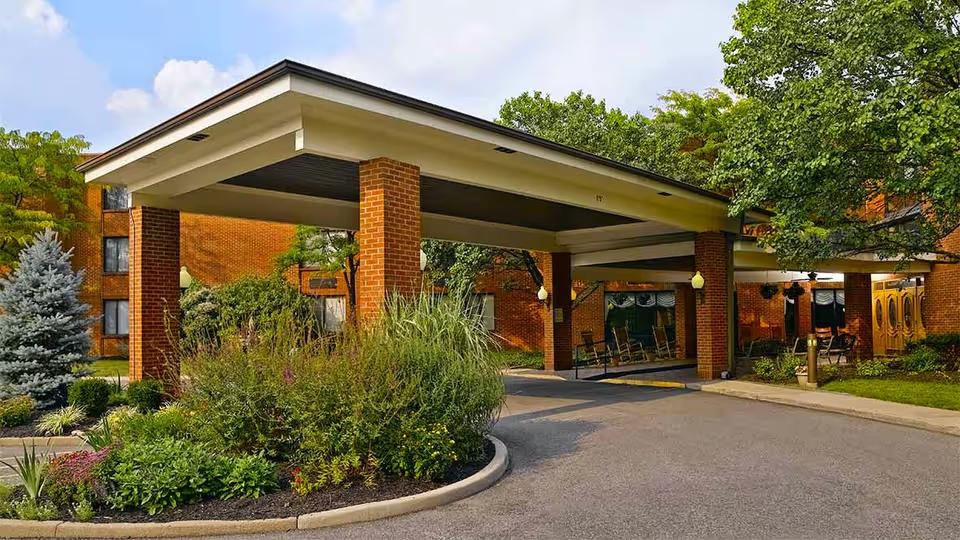
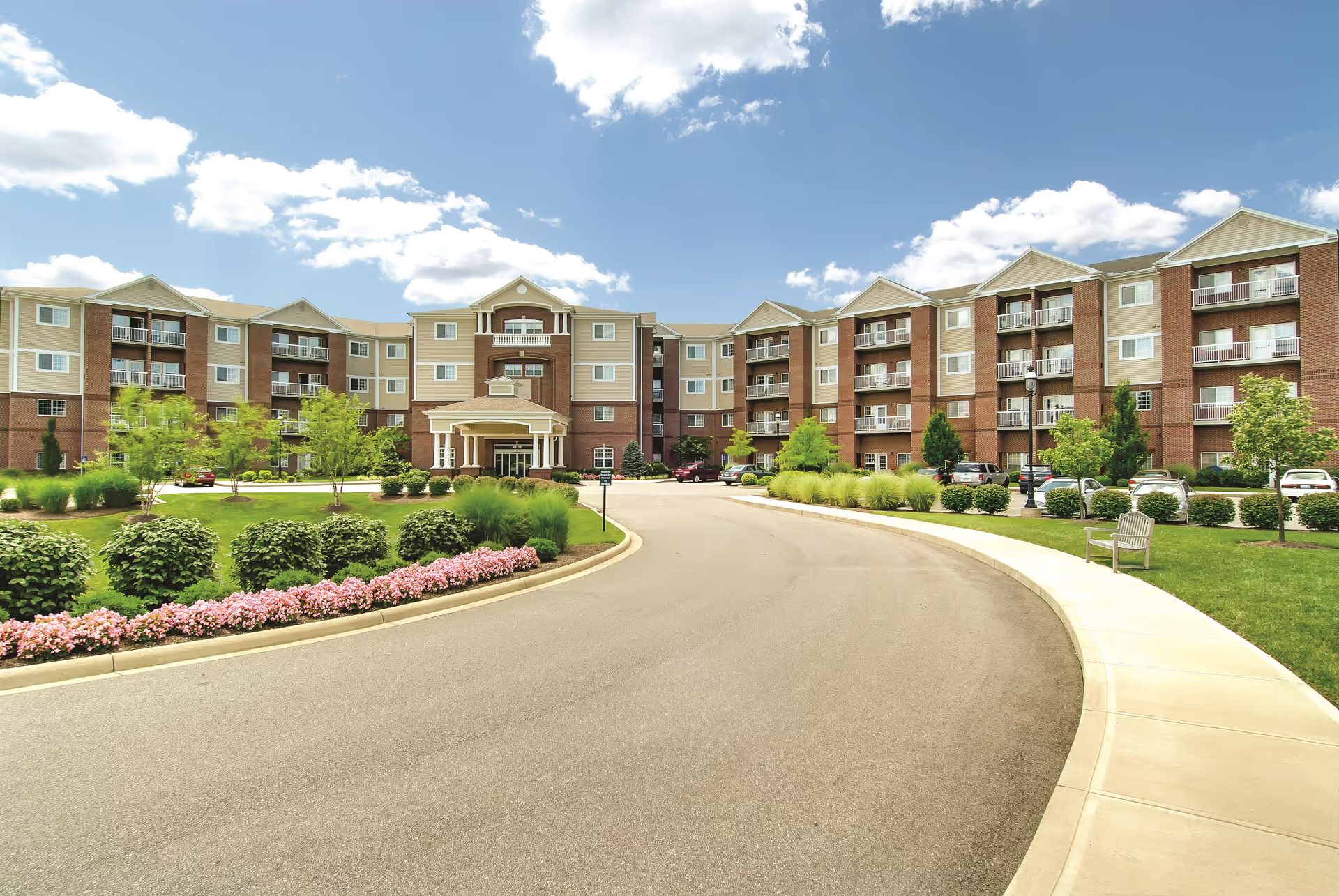
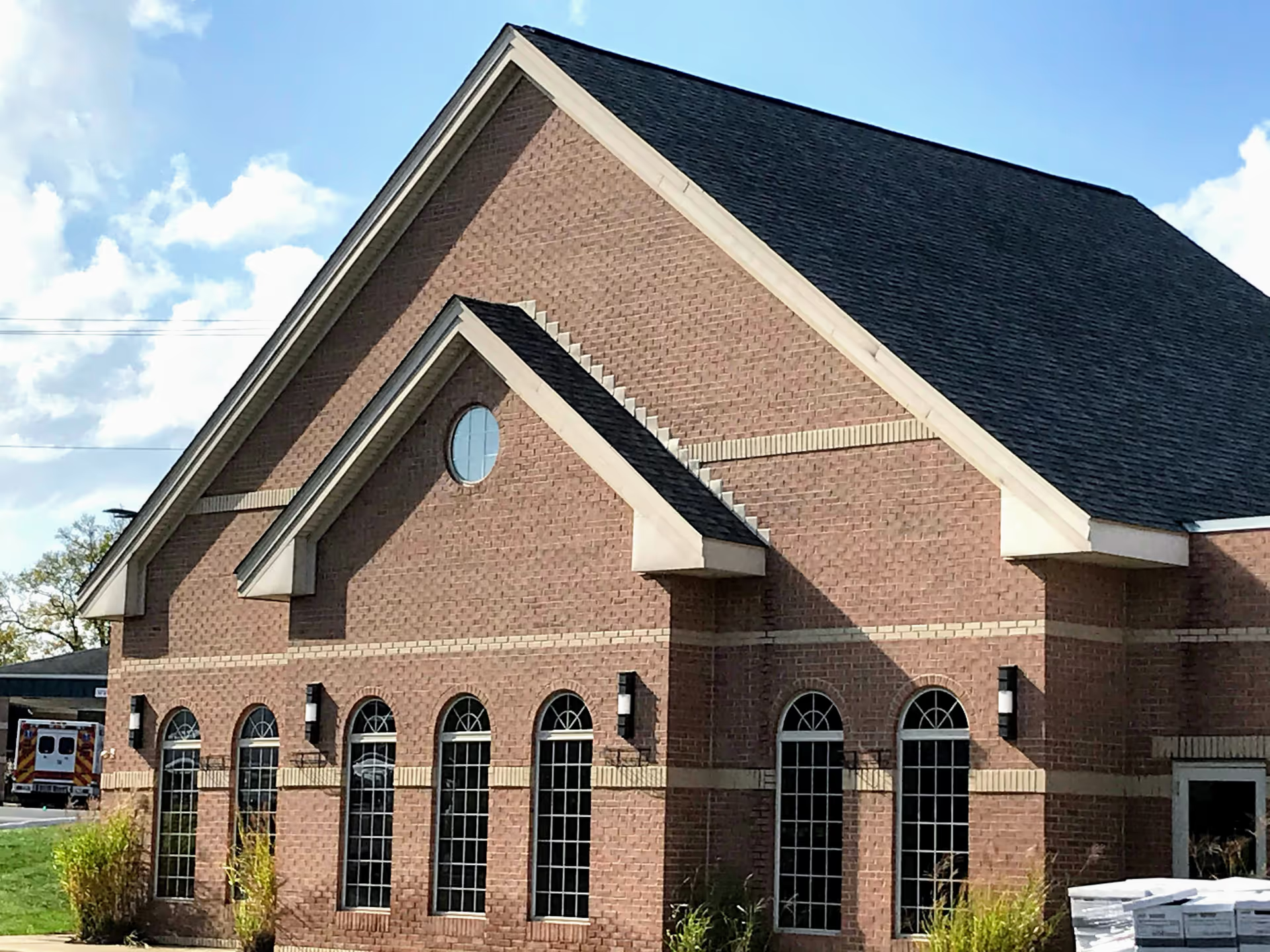
The Wellington at North Bend Crossing presents as a modern, amenity-rich senior living community with many features that appeal to independent and assisted-living residents. Reviewers commonly praise the facility’s renovated interiors, attractive landscaping, and a variety of communal spaces — lounges, a pub, fitness center, salon, and chapel — that support social life. Apartment layouts frequently cited as positive include one-bedroom units with sunrooms, walk-in closets, and in-unit washer/dryer capability; however, two-bedroom availability is limited. Move-in coordination and concierge services receive consistent positive mention, and the campus location close to shops and medical services is convenient for families.
Care quality and staffing show a mixed pattern. Many families and residents describe caregiving staff, nurses, and aides as compassionate, attentive, and engaged; several named staff and activity leaders are singled out for consistently positive interactions. At the same time, reviews reveal operational weaknesses: understaffing, high turnover, and a reliance on agency or temporary personnel are recurring themes. These staffing issues correlate with concerns about medication administration controls, delays in responding to nurse-call alerts, and inconsistent support for residents who require more frequent assistance. Memory-care programming is identified as an area with variable consistency — some recent improvements are noted, but the unit’s size, staffing ratios, and activity engagement are points of concern.
Dining and activities are overall strengths but show variability. The community’s restaurant-style dining, staffed servers, and menu variety are frequently highlighted, as are an energetic activities department and a wide calendar of options (exercise classes, cards, bingo, live music, outings). Multiple reviewers praised particular activity staff for keeping residents engaged. Conversely, others reported declines or inconsistencies in meal quality and occasional service lapses (missing silverware, beverage service failures), indicating that food-service reliability can fluctuate depending on staffing and timing.
Facility operations and management draw mixed assessments. Numerous families commend housekeeping and maintenance responsiveness and the general cleanliness and upkeep of public areas. However, there are recurring operational criticisms: inconsistent housekeeping standards in some units, laundry mixups, pest-control and sanitation concerns in isolated cases, and uneven application of policies (pets, billing, service charges). Communication gaps between staff and families, delayed administrative follow-through on complaints or refunds, and perceptions of limited visibility by leadership are also noted. These administrative patterns often amplify clinical and service-care concerns when families seek answers.
Taken together, the community is best characterized as an upscale, activity-focused environment with many resident comforts and a strong social program. Prospective residents and families who prioritize independent living, social engagement, and on-site amenities are likely to find many positives. Those seeking a higher level of clinical consistency — particularly for memory-care needs or complex medication regimens — should perform targeted due diligence: verify staffing ratios (including weekend coverage), ask about medication-administration policies and audit practices, inspect housekeeping and pest-control protocols, review contract and fee transparency, and confirm availability of desired apartment sizes. Scheduling meetings with nursing leadership and the activities director and requesting recent staffing and incident-communication examples will help clarify whether the community’s operational performance aligns with a family’s care expectations.