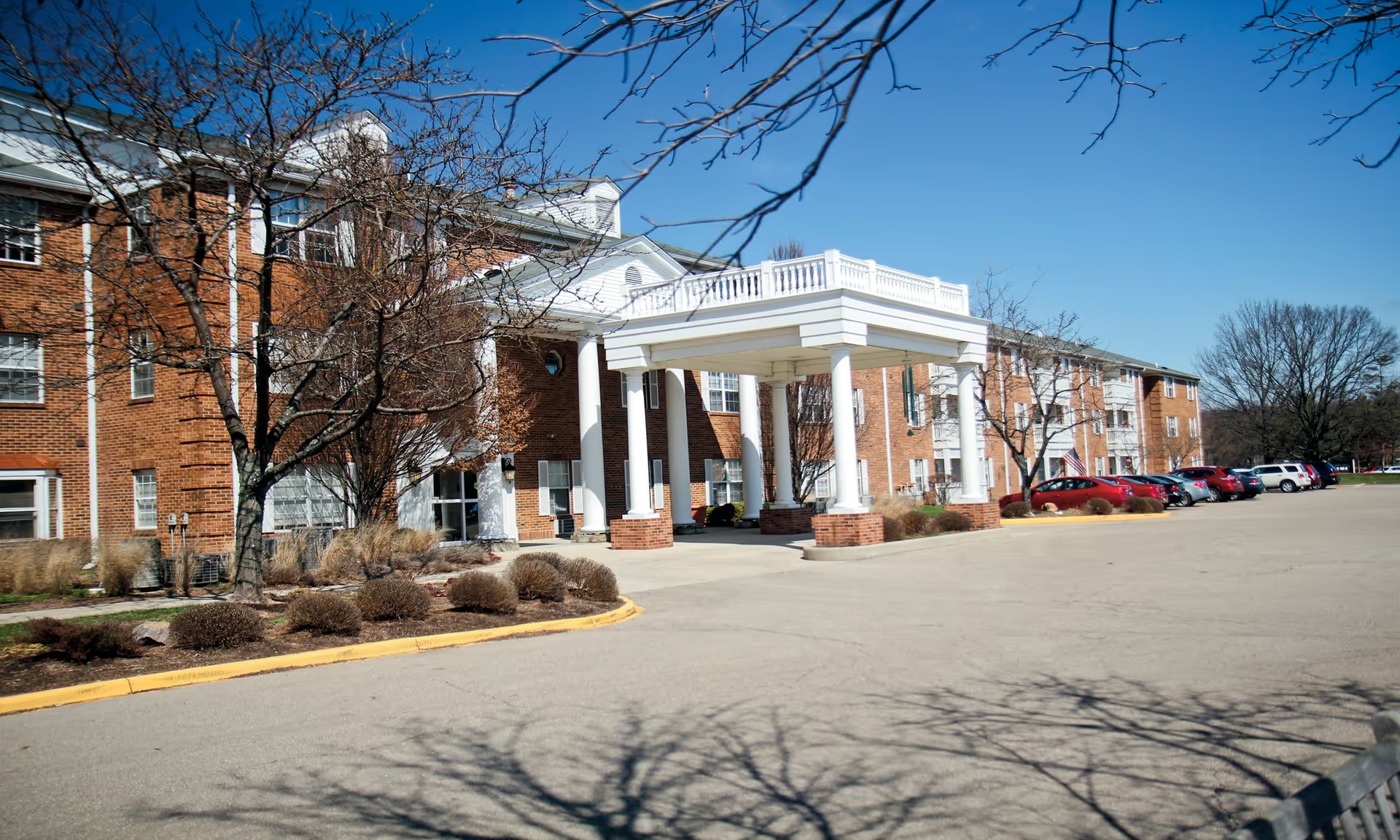
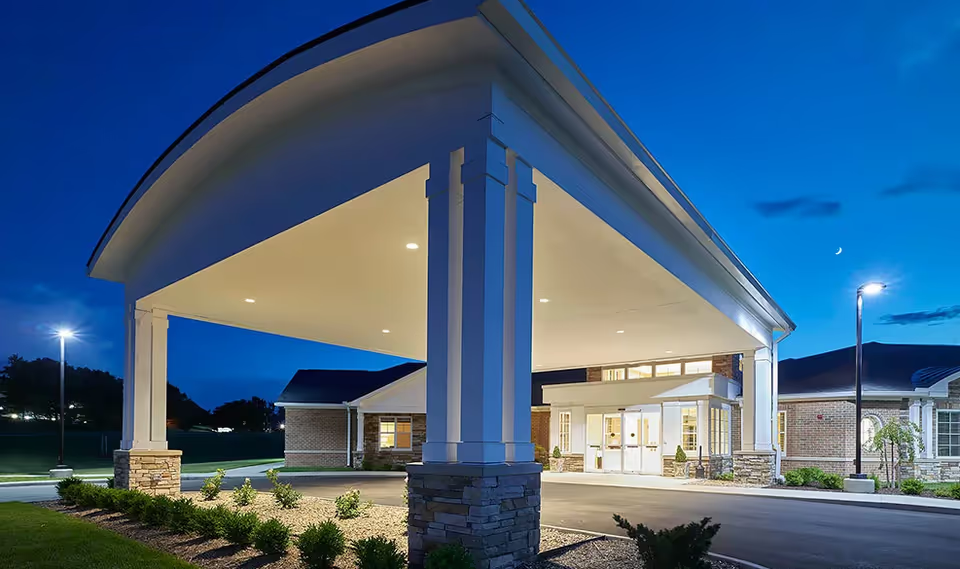
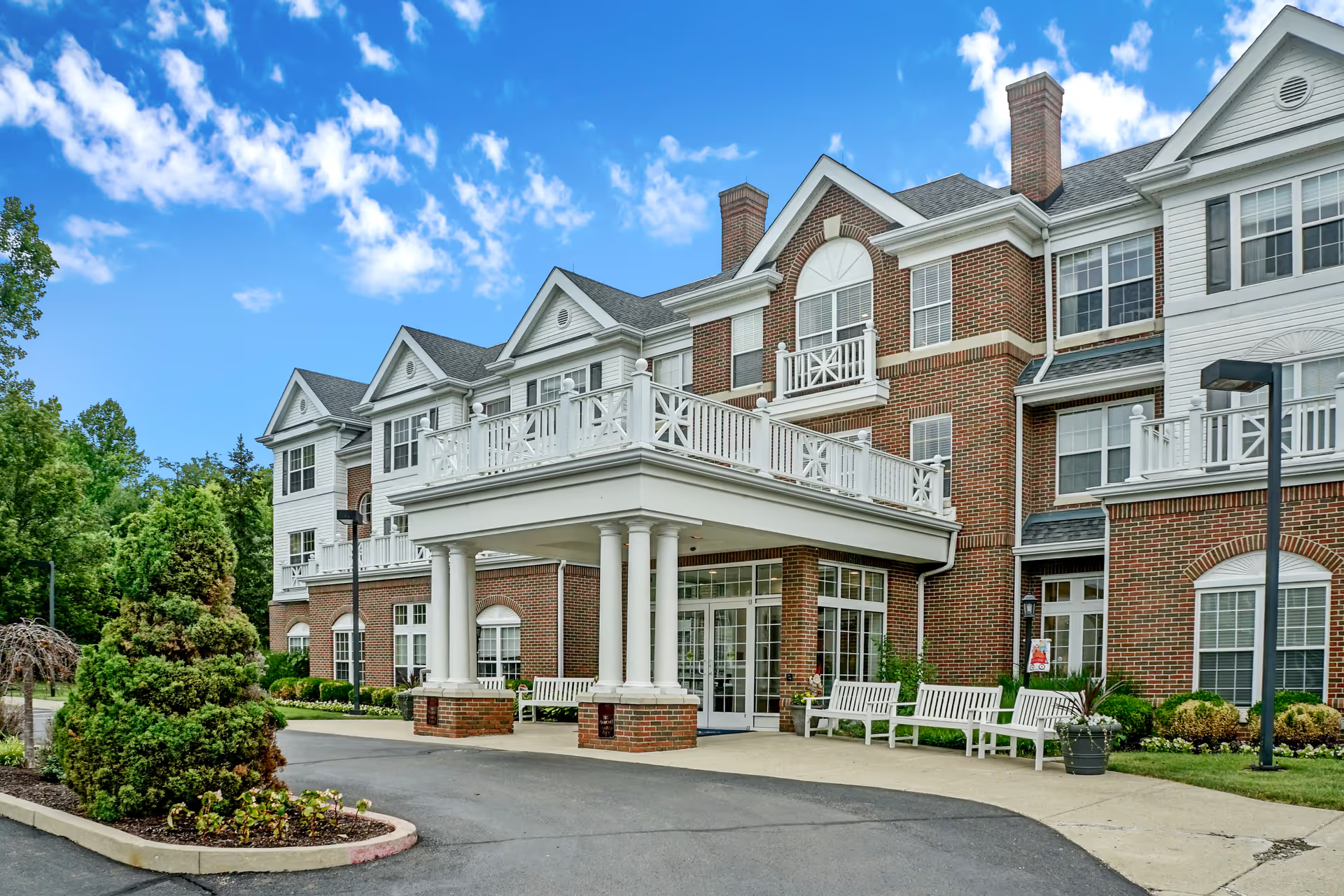
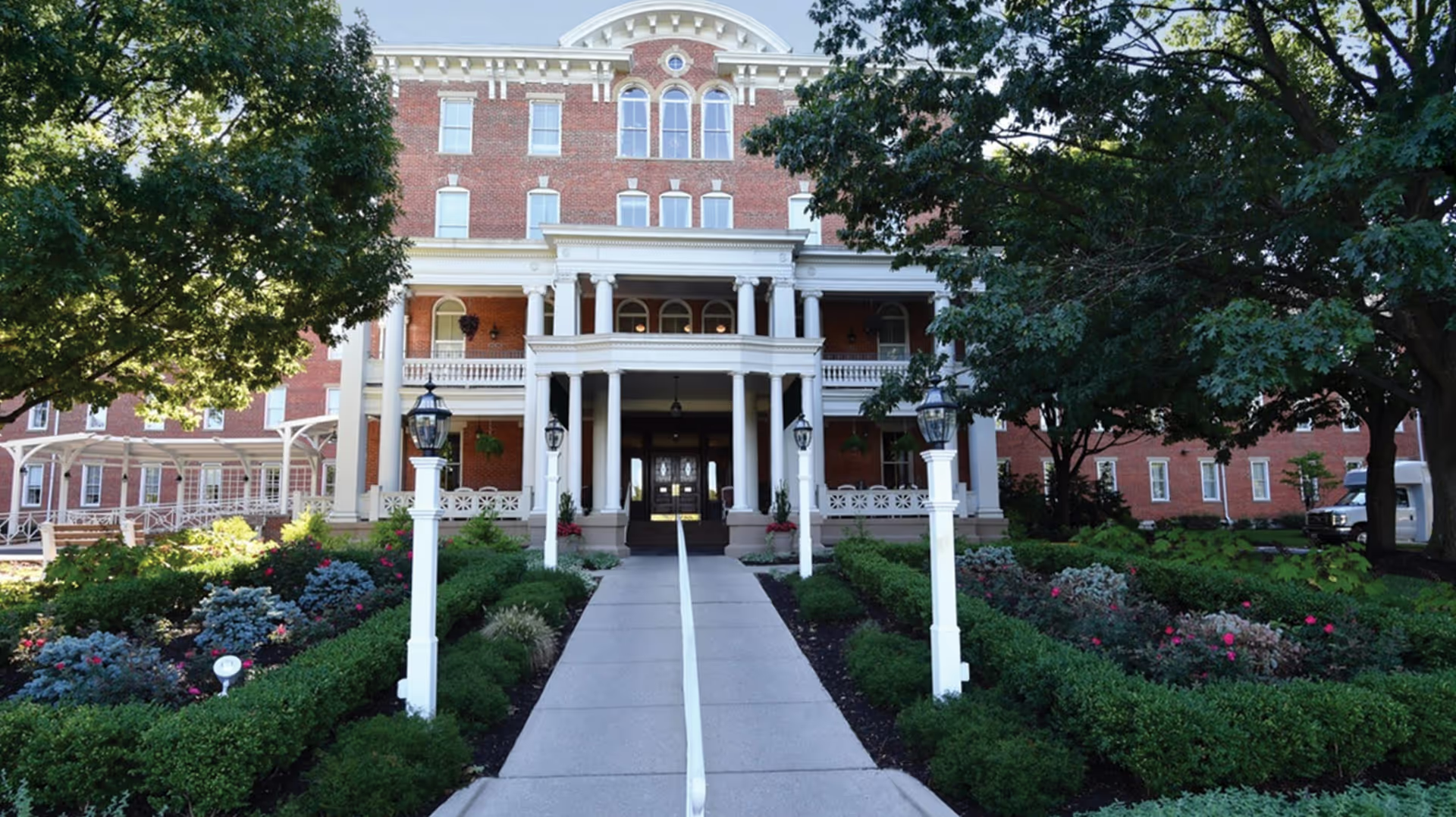
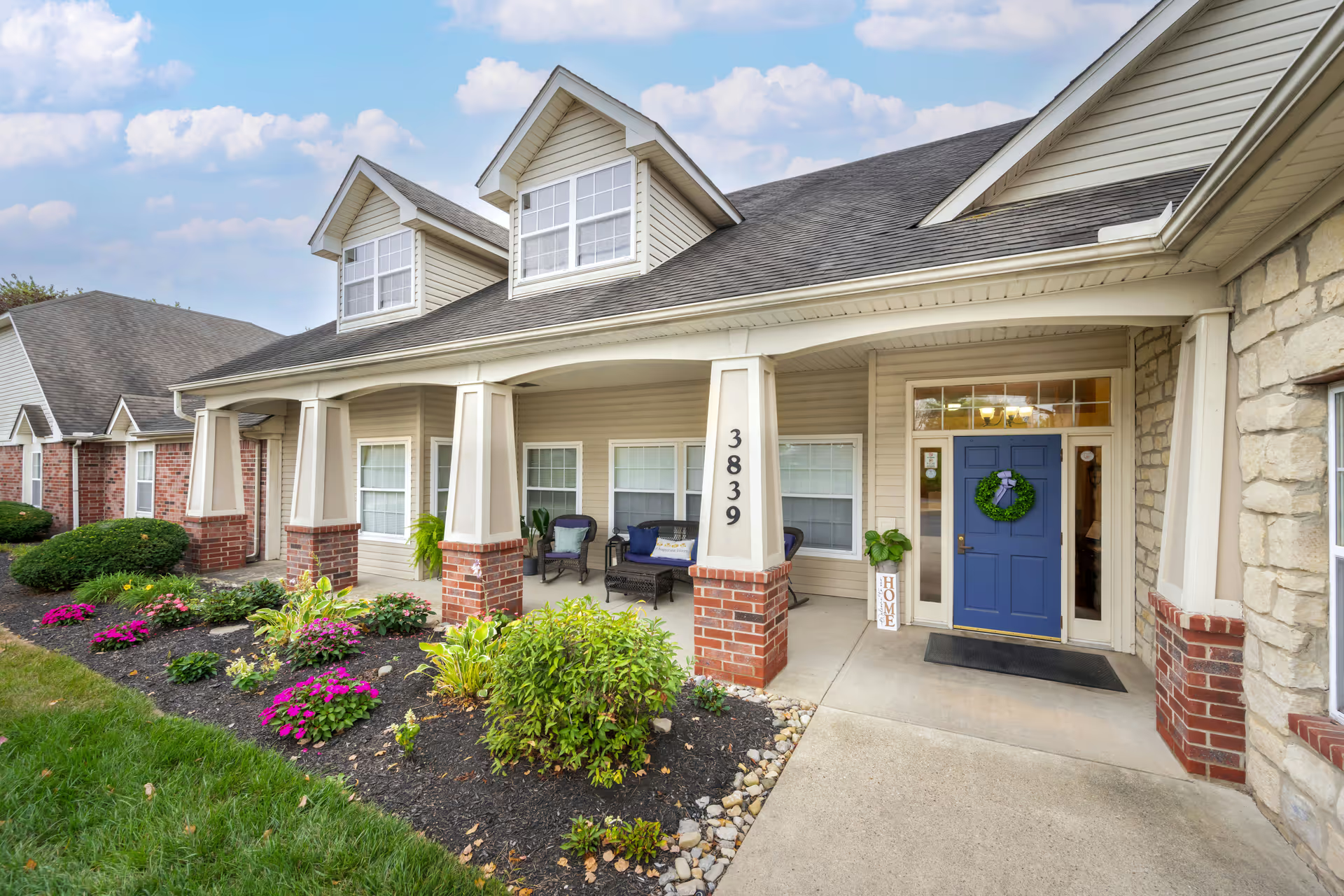
The Wellington at Dayton presents as a well-appointed community with many amenities that appeal to independent-living residents and families seeking a social, apartment-style environment. Reviewers consistently praised the facility’s appearance, communal spaces, and apartment features — full kitchens, in-unit washers/dryers, walk-in closets and sizeable floor plans were repeatedly cited as strengths. On-site conveniences such as a beauty salon, emergency pendants, scheduled shuttle service, therapy and fitness rooms, and a comprehensive activities calendar contribute to a lifestyle-oriented setting that many residents and families described as welcoming and family-like.
Staffing and care quality elicit mixed feedback. Numerous accounts describe attentive, compassionate caregivers, helpful front-desk personnel, and responsive nursing staff; these comments often accompany recommendations and long-term residency. However, a parallel pattern indicates inconsistent staffing levels and turnover — particularly in some assisted- and memory-care areas — which reviewers linked to slower call-button responses, delayed personal-care assistance, and perceived gaps in medication administration and clinical handoffs. For prospective residents with escalating medical or memory-care needs, reviewers tended to caution that the community’s ability to reliably support higher-acuity care appears uneven.
Dining and activities are prominent features of the community experience. Many reviewers praised the dining room atmosphere, two daily meals for independent living residents, and creative menu offerings from culinary staff. At the same time, meal quality and service continuity were described as variable: accounts ranged from “very good” and “restaurant-style” to complaints about cold meals or frequent substitutions and delivery delays. The activities program is widely noted as a strength — bingo, outings, fitness classes, and special events are regular and well-attended — although some families observed that opportunities can be curtailed by staffing constraints or that layout and proximity issues reduce participation for residents in more remote apartment locations.
Facility operations and management present a mix of positives and concerns. The building is generally well maintained and clean, with attractive common areas and good landscaping, but multiple reviewers mentioned maintenance backlogs, water-damage remediation, and lingering carpeting or cosmetic issues in some corridors or units. Several families expressed frustration with pricing practices — move-in promotions followed by later increases, recurring annual increases, and occasional extra-day charges — which created a perception of uneven value. Communication from leadership and responsiveness to family concerns were also cited as inconsistent: some families praised engaged directors and helpful administration, while others described difficulty obtaining timely answers or resolution when clinical or billing issues arose.
Taken together, The Wellington at Dayton is frequently recommended for independent-living residents who value apartment-style accommodations, social programming, convenience, and a strong community atmosphere. For prospective residents requiring higher-level assisted or memory care, due diligence is advised: consider asking for current staffing ratios, recent clinical staffing history, specific protocols for call-response and medication management, and to observe the memory-care unit during active times. Visiting for meals, attending an activity, and speaking directly with nursing leadership can help families weigh the community’s many amenities against the operational inconsistencies highlighted in some reviews.