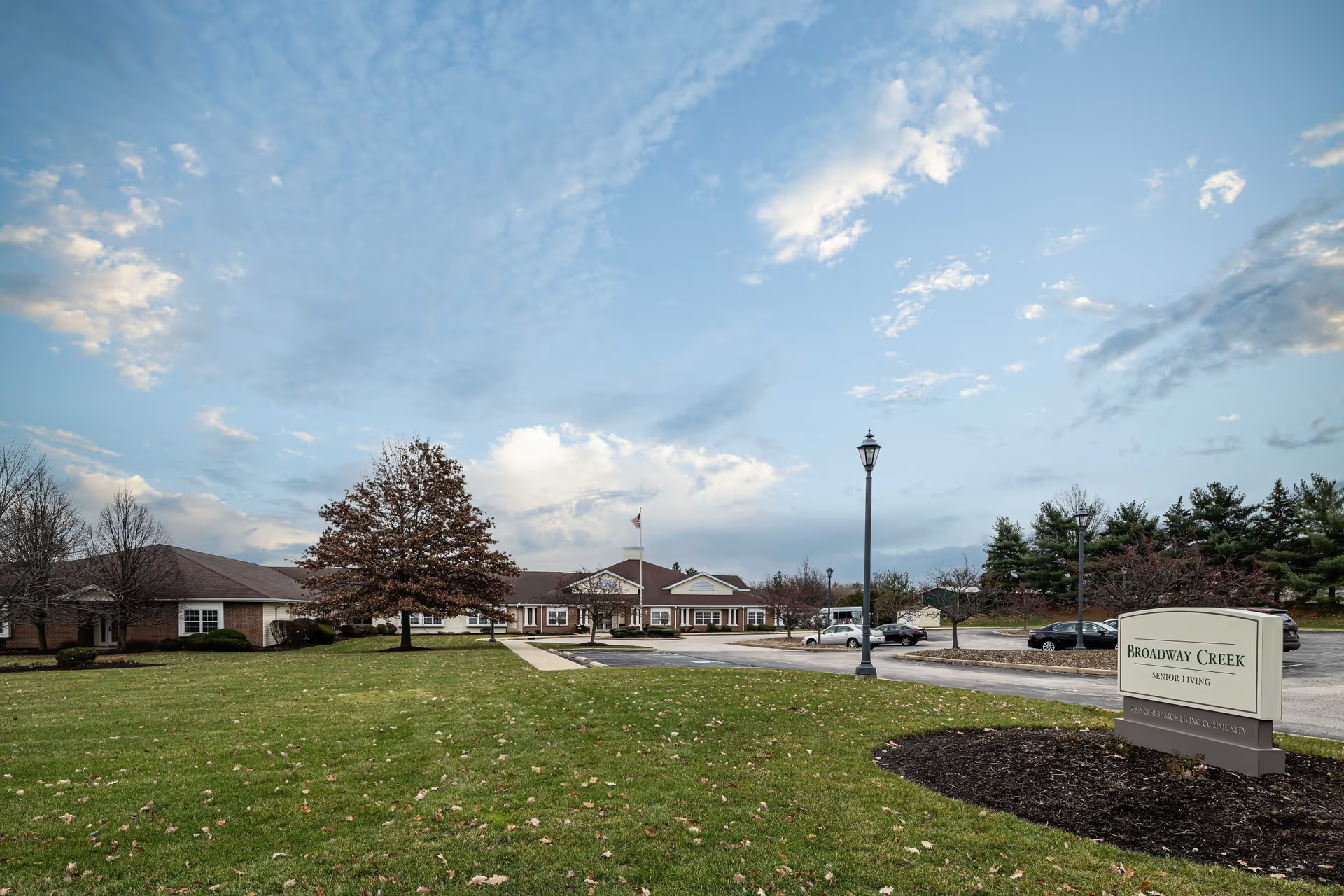
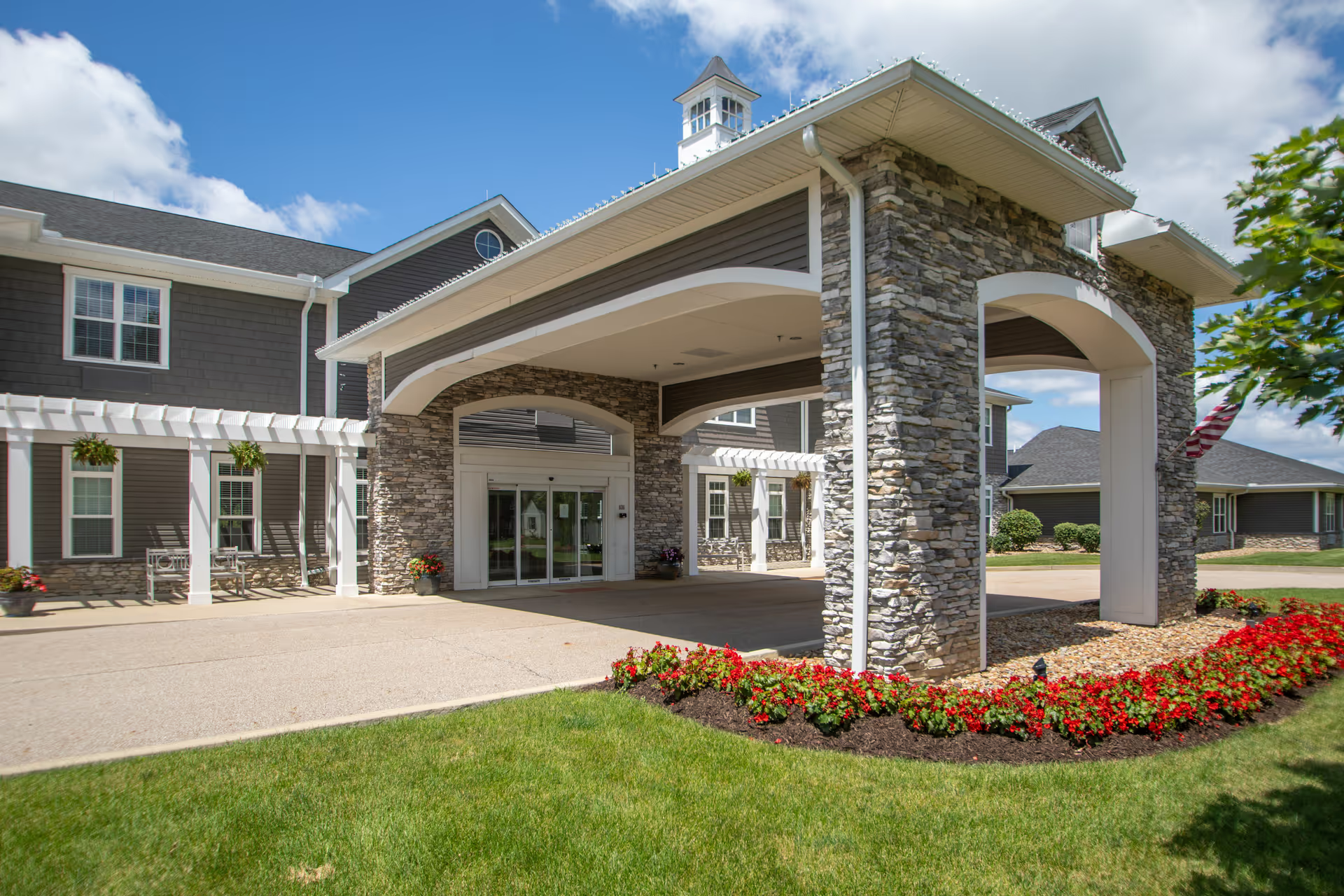
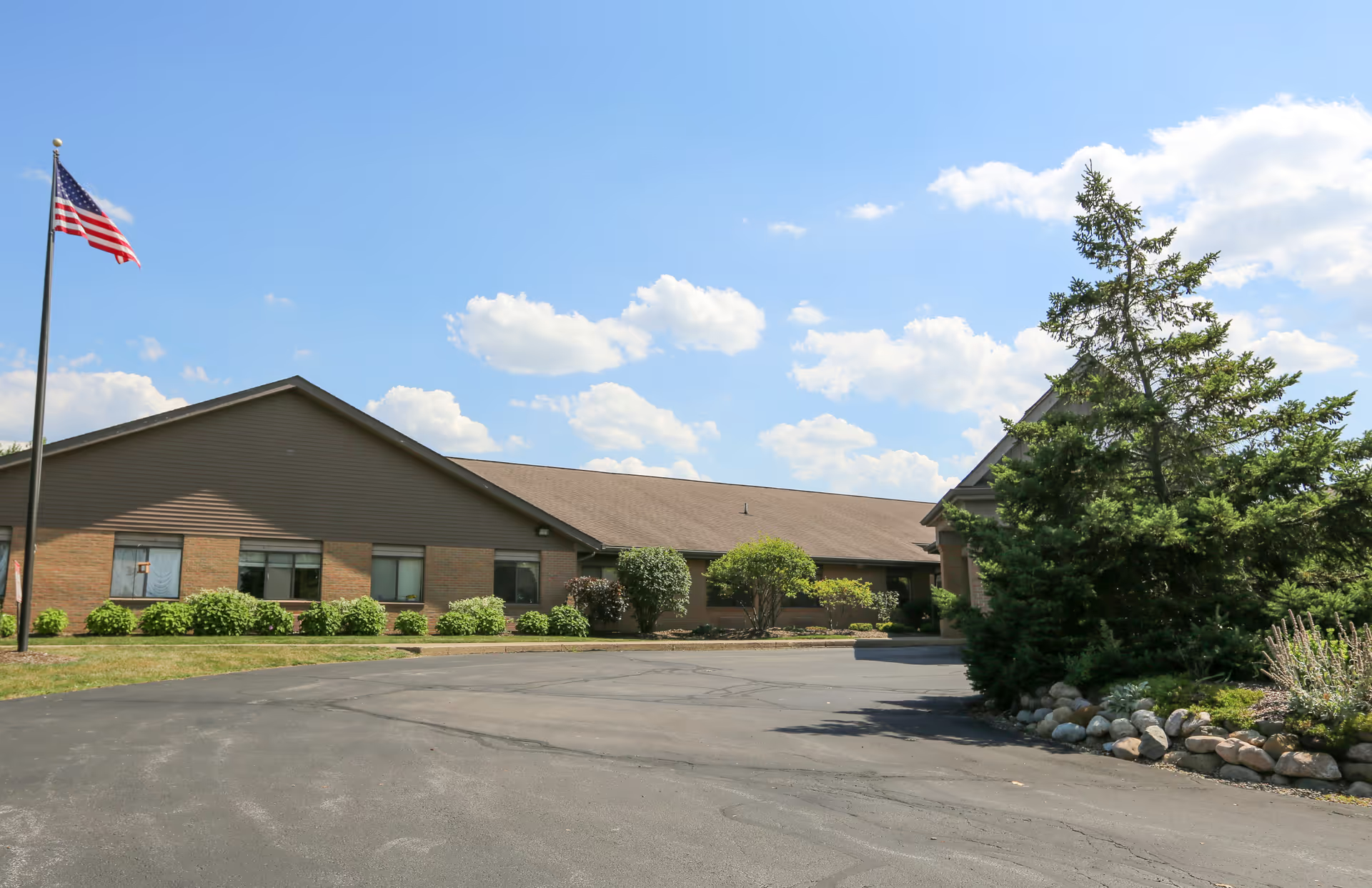
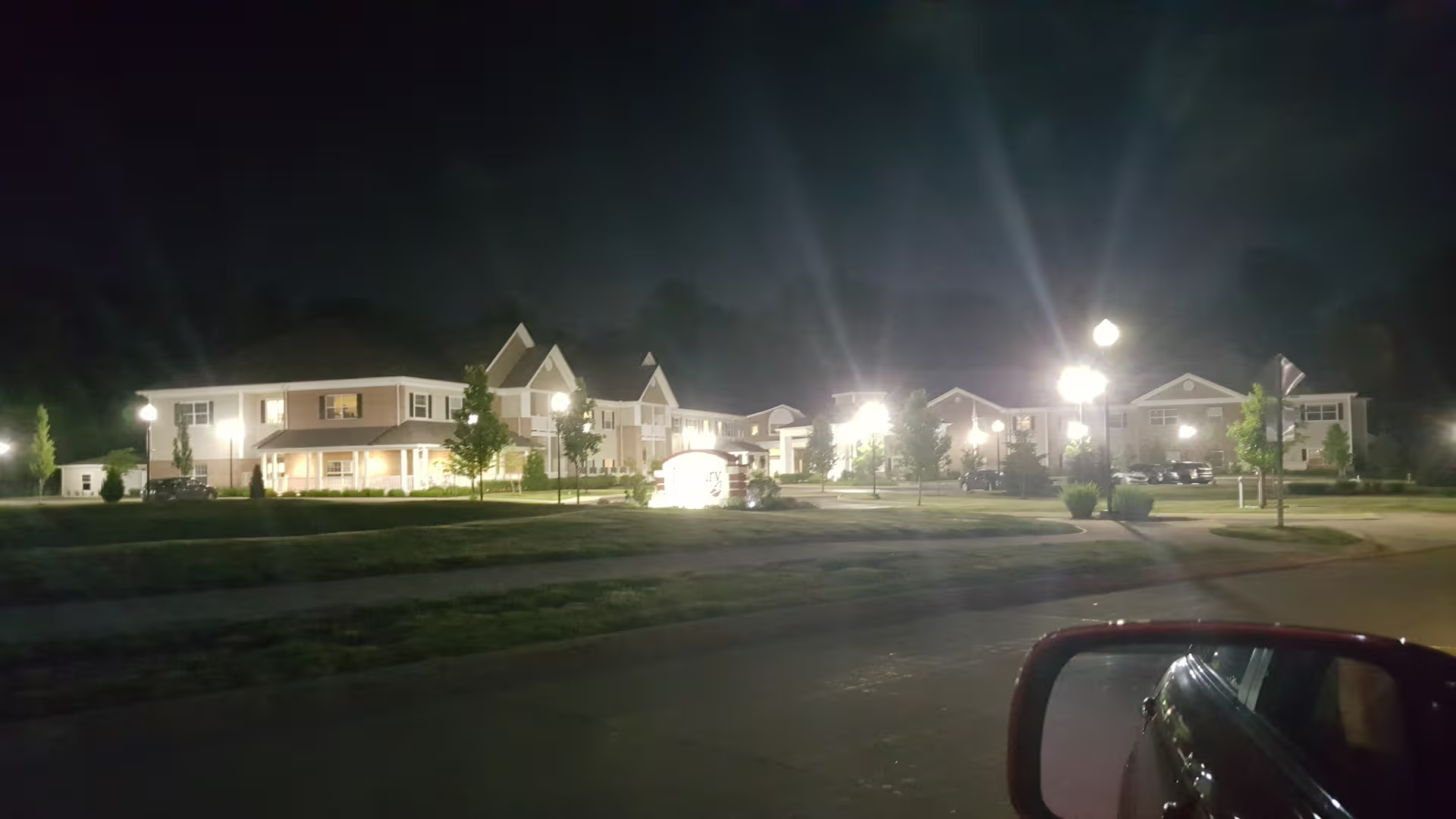
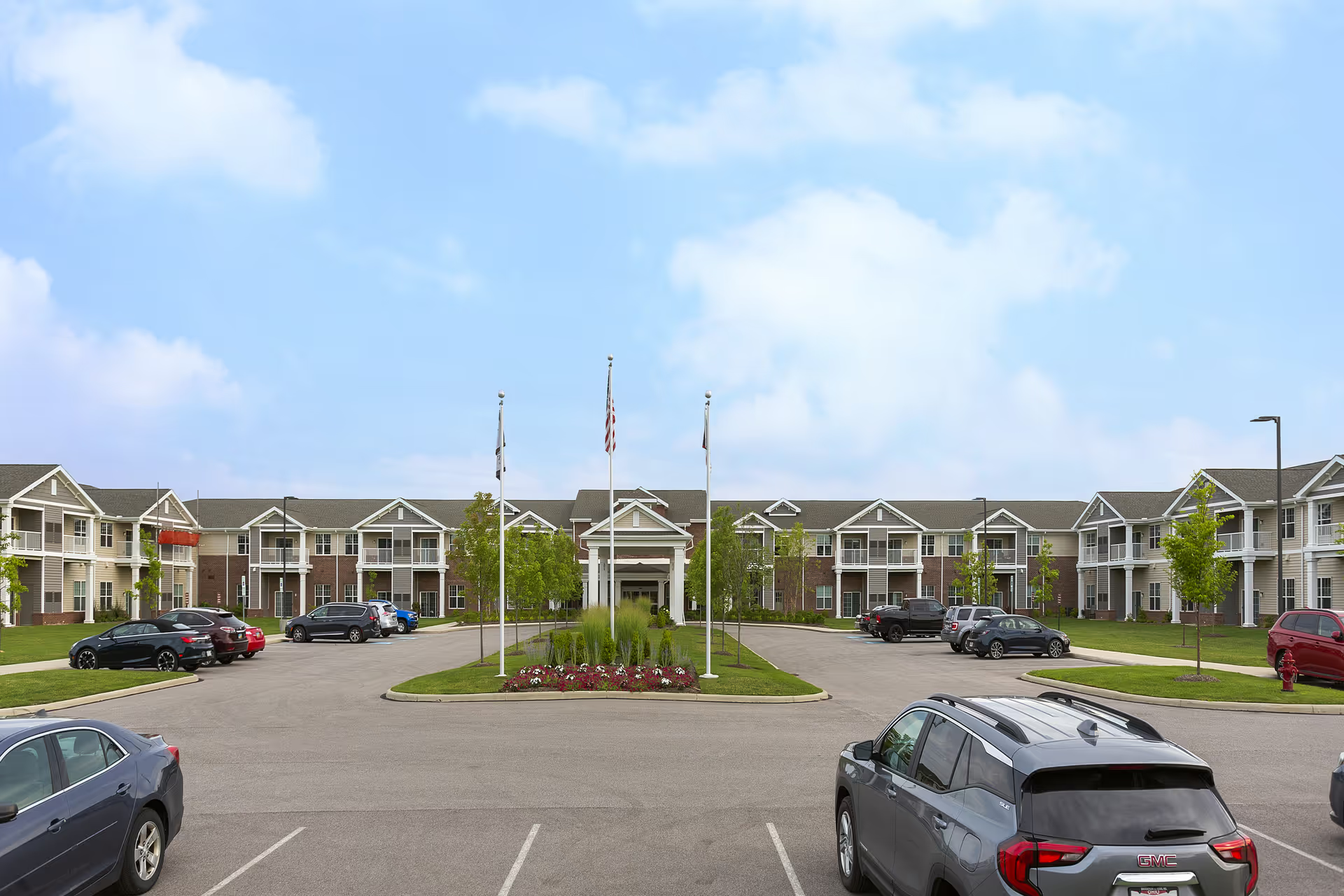
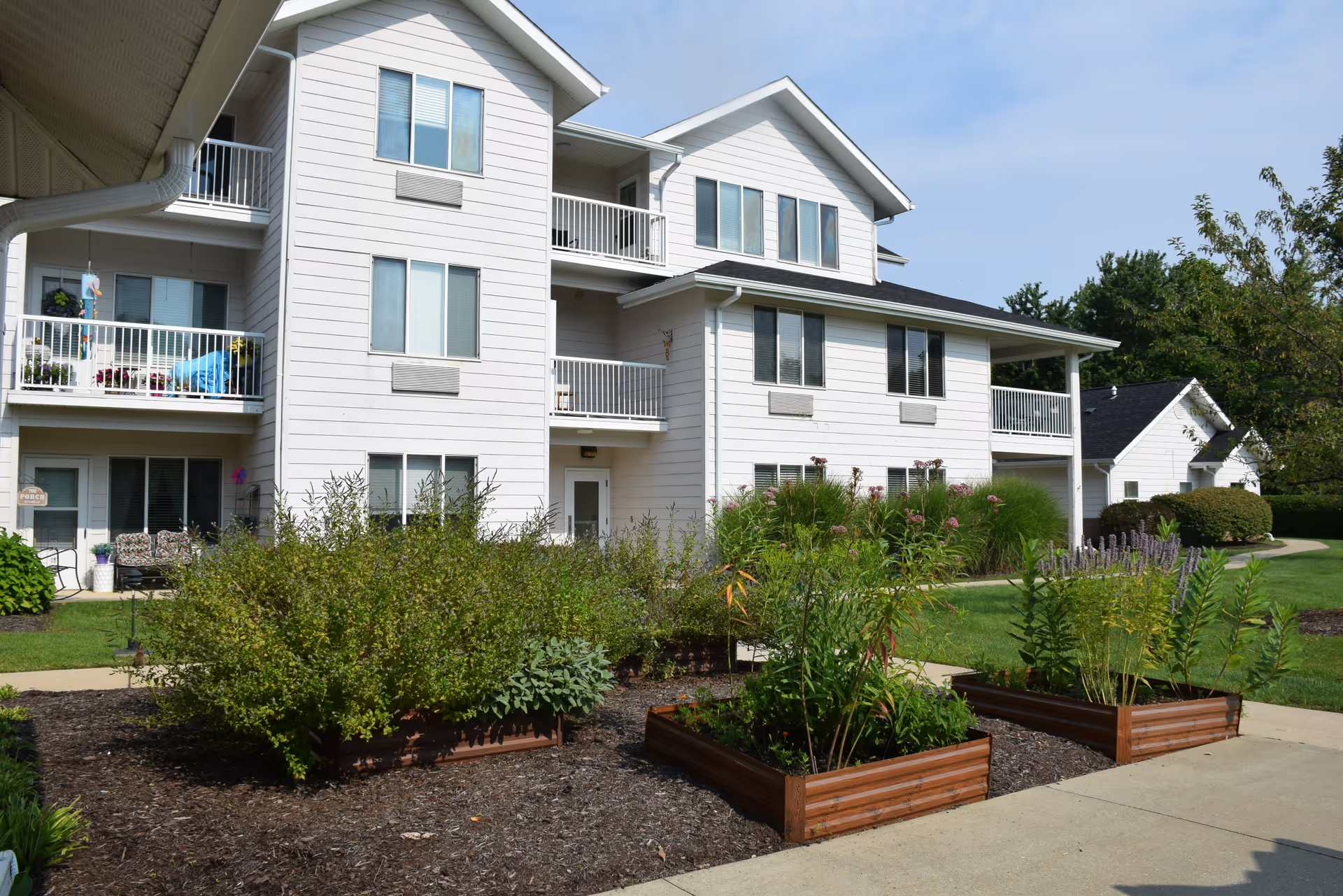
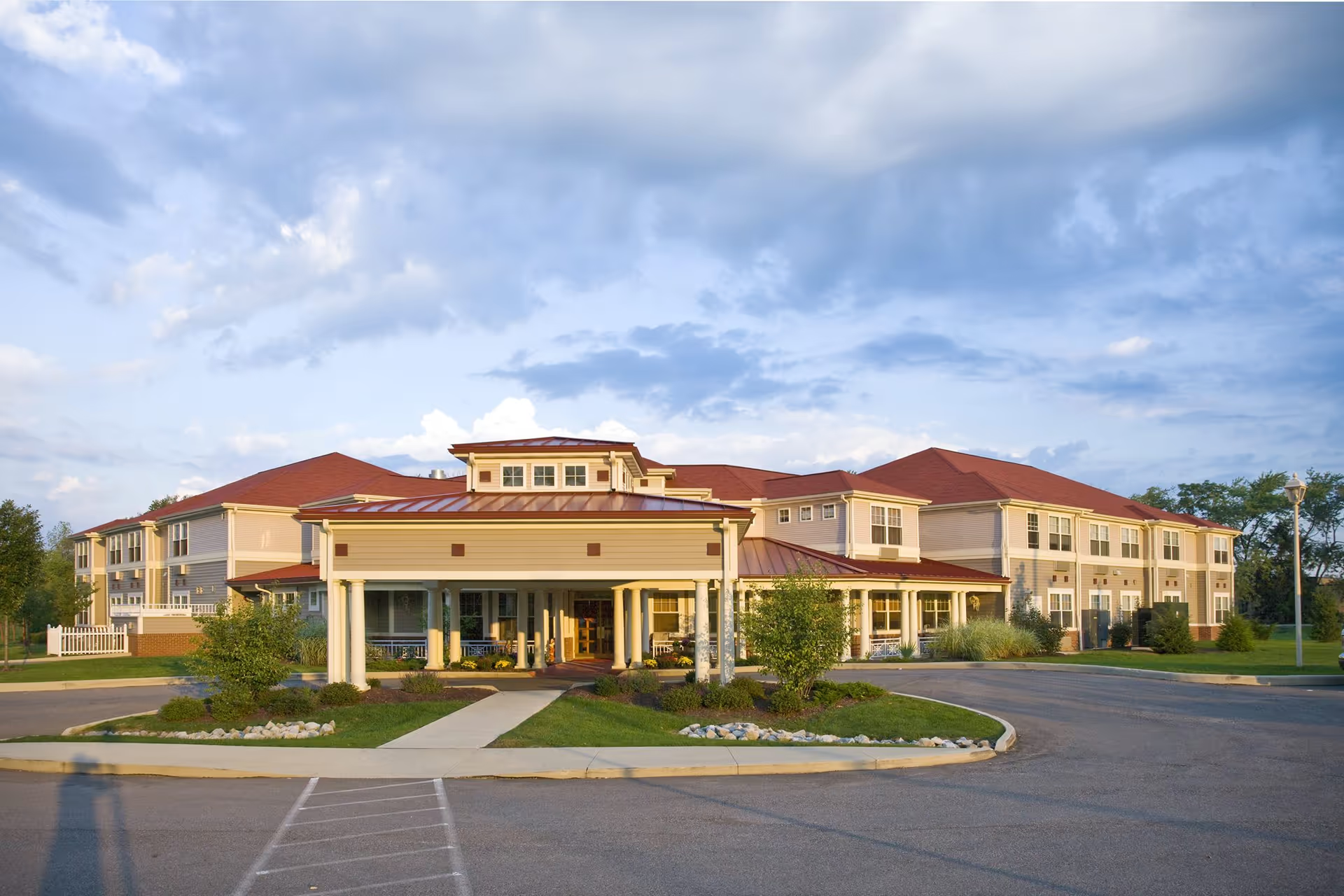
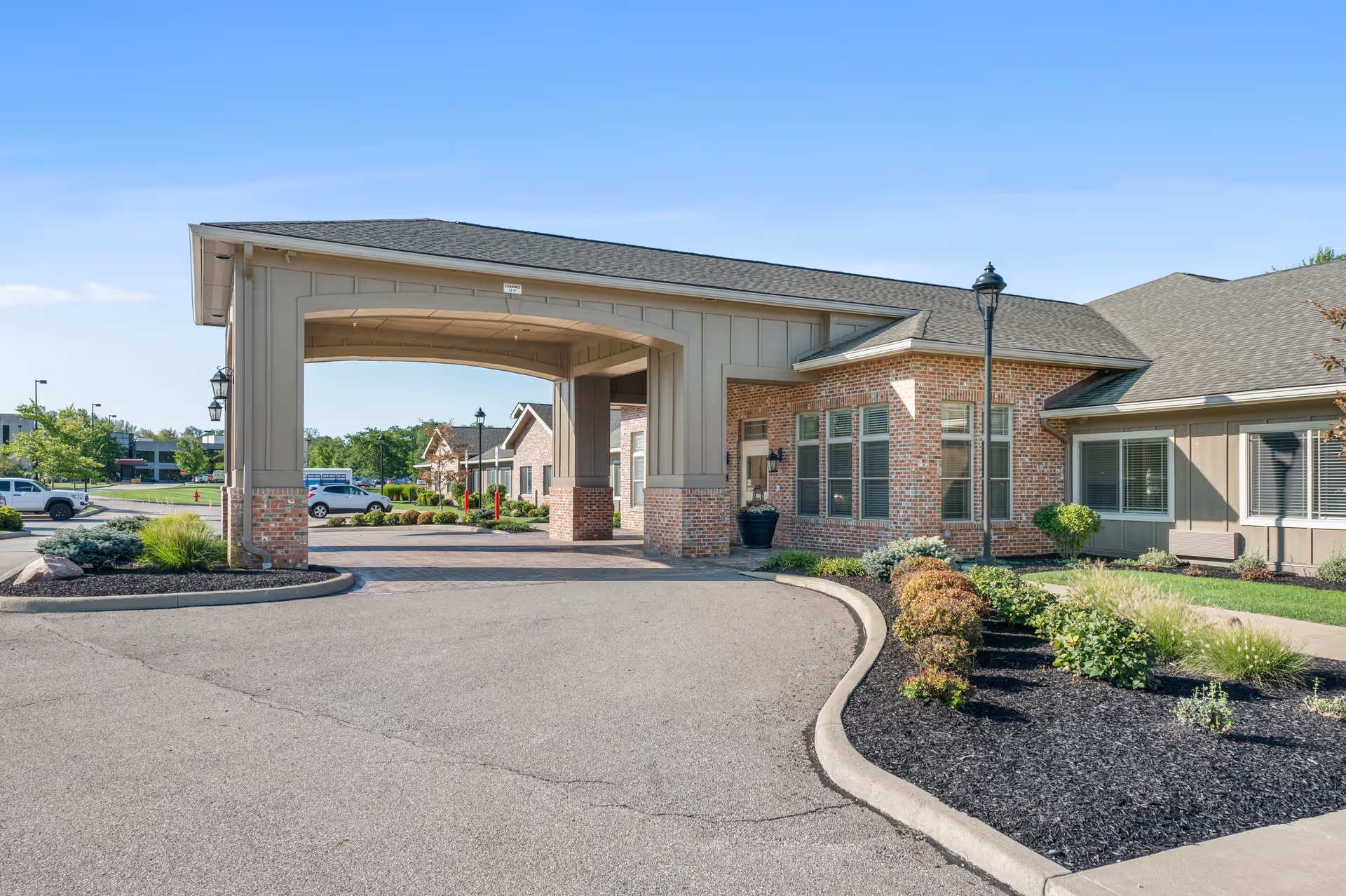
Overall impression Brookdale Camelot Medina presents as a well-appointed, hotel-like senior living community with many strengths in environment, amenities, and customer-facing services. Reviews consistently highlight a clean, bright facility with attractive central gathering spaces, outdoor patios and balconies attached to many units, and convenient on-site amenities such as a salon, library, snack shop, and therapy/exercise rooms. The community’s age-in-place orientation and stated hospice capability are viewed positively by families seeking continuity of care.
Care and staff Care experiences are mixed but tend to cluster at two poles. Numerous accounts describe compassionate, knowledgeable nurses and direct-care staff who go above and beyond—helping with move-ins, transporting residents, coordinating insurance/VA benefits, and responding after hours. Several individual staff members and admissions personnel were praised by name for responsiveness and advocacy. However, there is a recurring operational concern about inconsistent staffing levels and turnover. That inconsistency is linked to delays in attending to resident calls, variable evening coverage, and uneven staff conduct or communication tone in isolated instances. Reviewers also raised issues suggesting gaps in clinical oversight and medication coordination in a small number of cases; conversely, other families reported prompt medical reassessments and improvements in clinical status when staff were proactive.
Dining and foodservice Dining is a prominent strength for many residents: a number of reviews praise varied menus, three-entrée options on some days, a pastry chef, and room-service delivery—especially useful during infection-control periods. At the same time, several reviewers reported variability in meal quality and cited frequent kitchen staffing changes that may affect consistency. Specific operational weaknesses include occasional cold items at breakfast, limited soup/dish rotation on certain days, and periods where food preferences or dietary needs felt insufficiently accommodated. In short, the dining program offers breadth and convenience but demonstrates intermittent quality control challenges.
Activities and social life The community offers a broad activities program, including bus outings, shopping trips, exercise classes, bingo, crafts, music groups, pool rooms, and occasional spa days. Many residents report active social engagement and useful daily structure. A recurrent pattern is variability in actual resident participation: some families describe highly engaged residents who formed social bonds, while others observed declining or limited participation that required encouragement. Staffing and program execution appear to influence activity uptake—when staffing is consistent, activity participation tends to be stronger.
Facilities and apartments Physical facilities are frequently described as spacious, modern, and clean; apartments often include balconies, walk-in closets, microwaves, and mini-fridges. Common area design—bright central seating areas and hotel-like lobbies—receives consistent praise. A minority of reviews cite maintenance or condition issues in specific apartments (worn carpeting, plumbing/clog issues), indicating occasional lapses in unit-level upkeep. Overall, the campus and apartment offerings are competitive for families seeking a comfortable assisted-living environment.
Management, billing, and notable patterns A clear pattern across the reviews is variability over time and between teams. Several families referenced a period of stable, long-tenured staff and strong leadership under prior management; other accounts describe transition-related instability after organizational change, including administrative turnover and staffing realignments. Operational consequences cited include uneven communication from management, instances of delayed follow-up, and concerns about billing transparency—extra charges, lack of itemized receipts, and contested invoices were mentioned. There are also isolated but serious concerns about personal-property controls and dispute resolution processes. These themes combined—management instability, staffing variability, and billing issues—are the primary operational risks prospective families should evaluate.
Recommendation for prospective families Prospective residents and families will find much to like about the physical environment, amenities, and many of the caregiving staff at this community. Important due diligence steps include: arranging multiple in-person visits at different times of day (to assess staffing levels and activity engagement), asking for a written explanation of billing and extra-charge practices, confirming clinical oversight and medication-management protocols, and clarifying dementia-care pathways and transition policies. If consistent daytime/evening staffing, transparent billing, and reliable meal quality are priorities, those topics should be discussed explicitly with leadership before commitment.