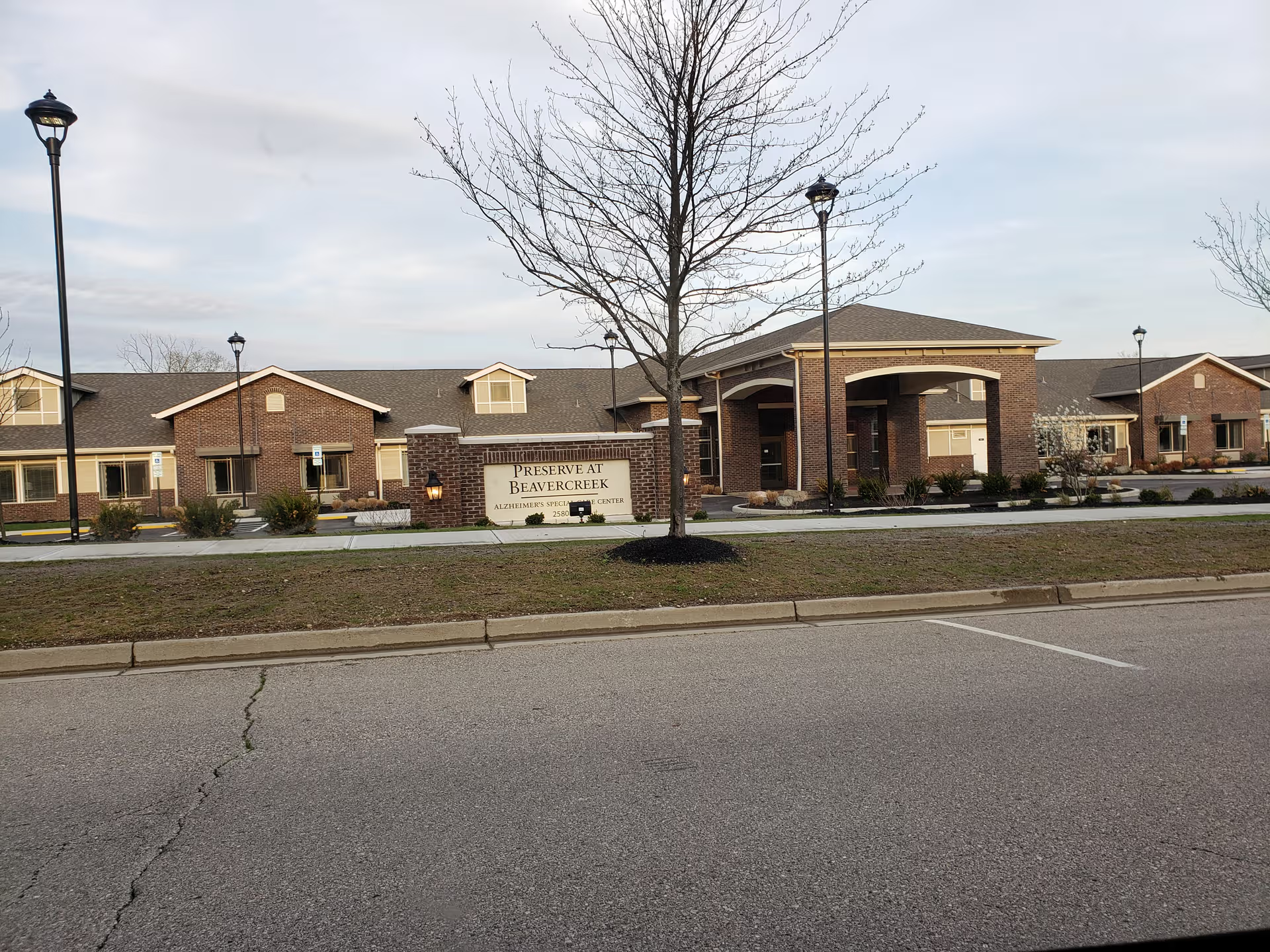
Reviews of Harmony Center for Rehabilitation and Healing describe a facility with a mix of clearly positive strengths and recurring operational weaknesses. Strengths most consistently highlighted include dedicated memory-care capabilities, a strong nursing presence, and robust therapy services. Families and visitors frequently note compassionate, warm floor staff who provide hands-on assistance with activities of daily living and create a family-like atmosphere. Rehabilitation services — including physical therapy and an identified respiratory team — receive positive attention for clinical effectiveness.
Care and staff performance appear uneven across accounts. While many reviews praise knowledgeable nursing leadership and attentive bedside teamwork, other accounts describe delays in clinical response after acute events and concerns about how those events were handled and communicated to families. The net impression is one of variability: excellent clinical performance and teamwork in some units or shifts, and lapses in responsiveness or safety oversight in others.
Dining and nutrition show a similar pattern of mixed experience. Several families reported satisfactory meals and active dining programs, but others described breakdowns in diet management (for example, incorrect meals for texture-modified or liquid diets) and an absence of a formal dietitian intake in some cases. These operational lapses have led some families to supplement meals. Billing and insurance communication problems were also mentioned, creating additional administrative stress for families.
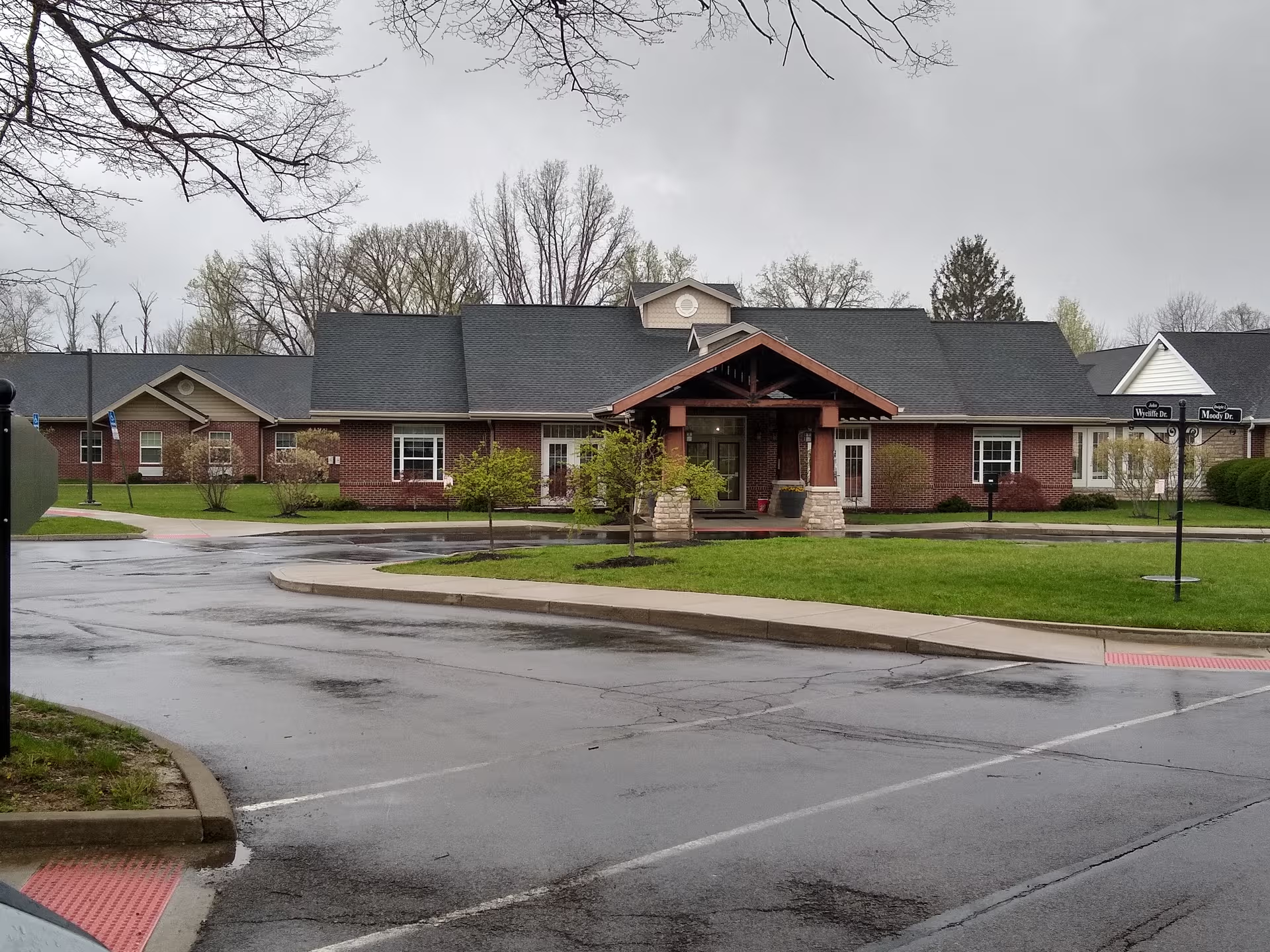
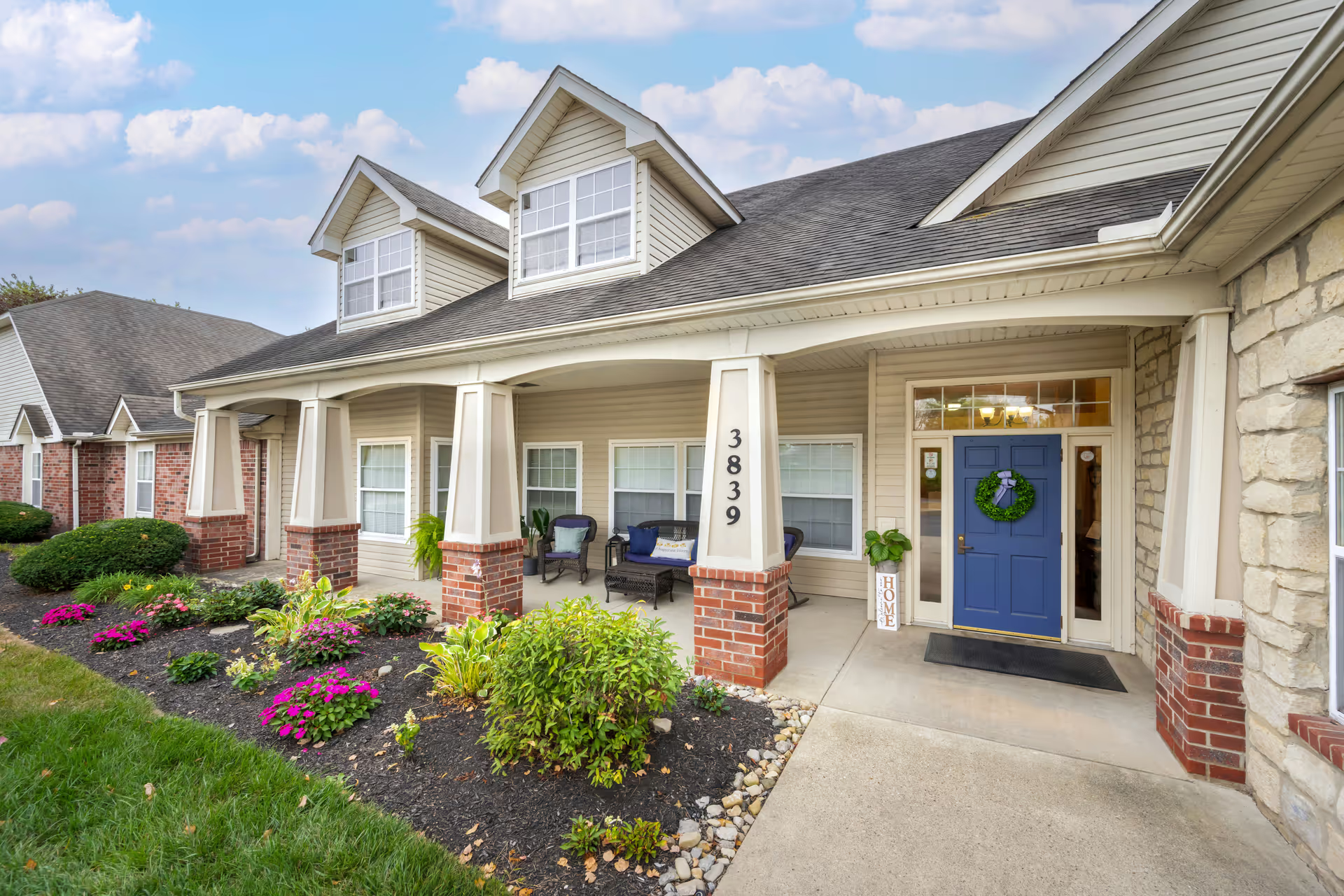
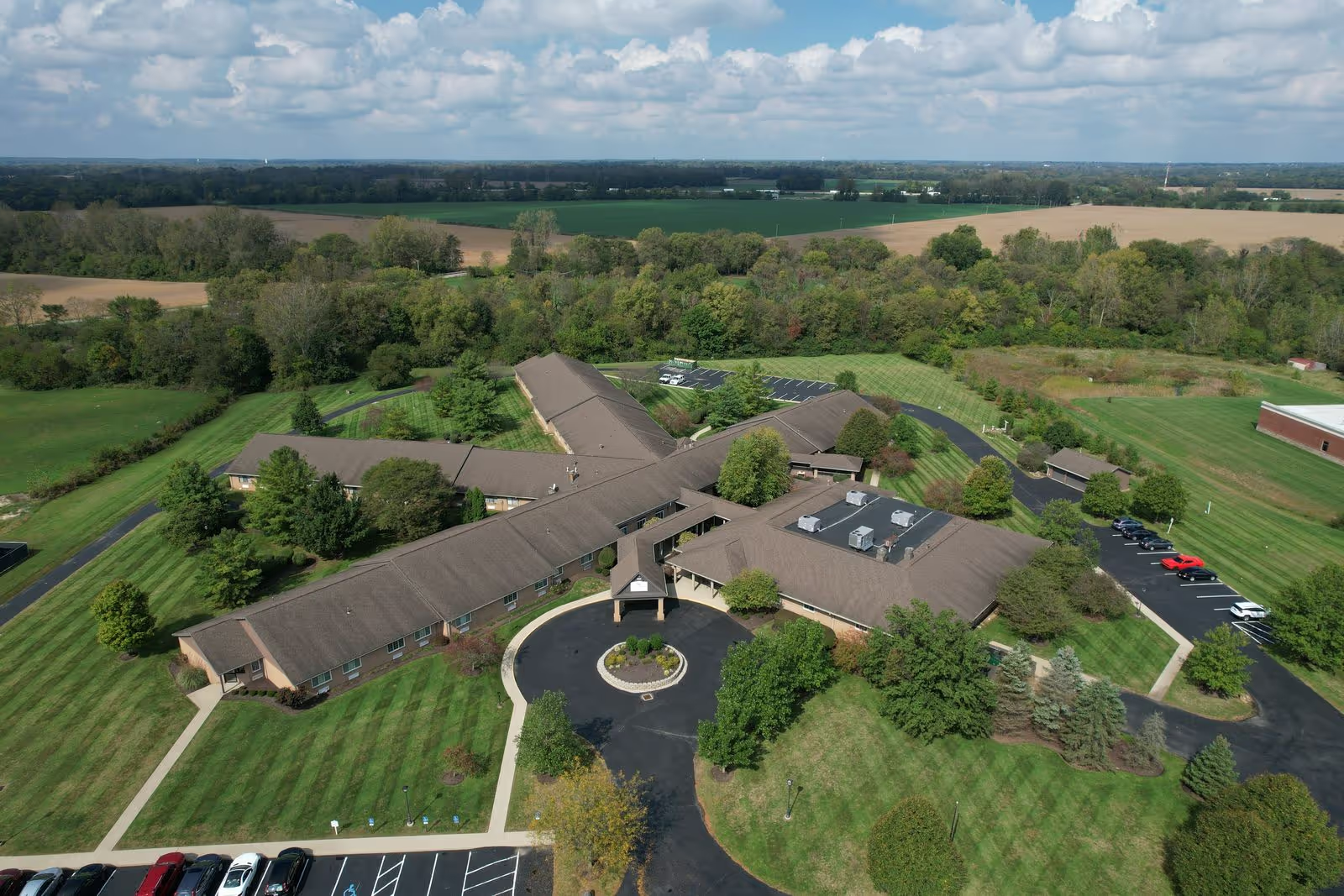
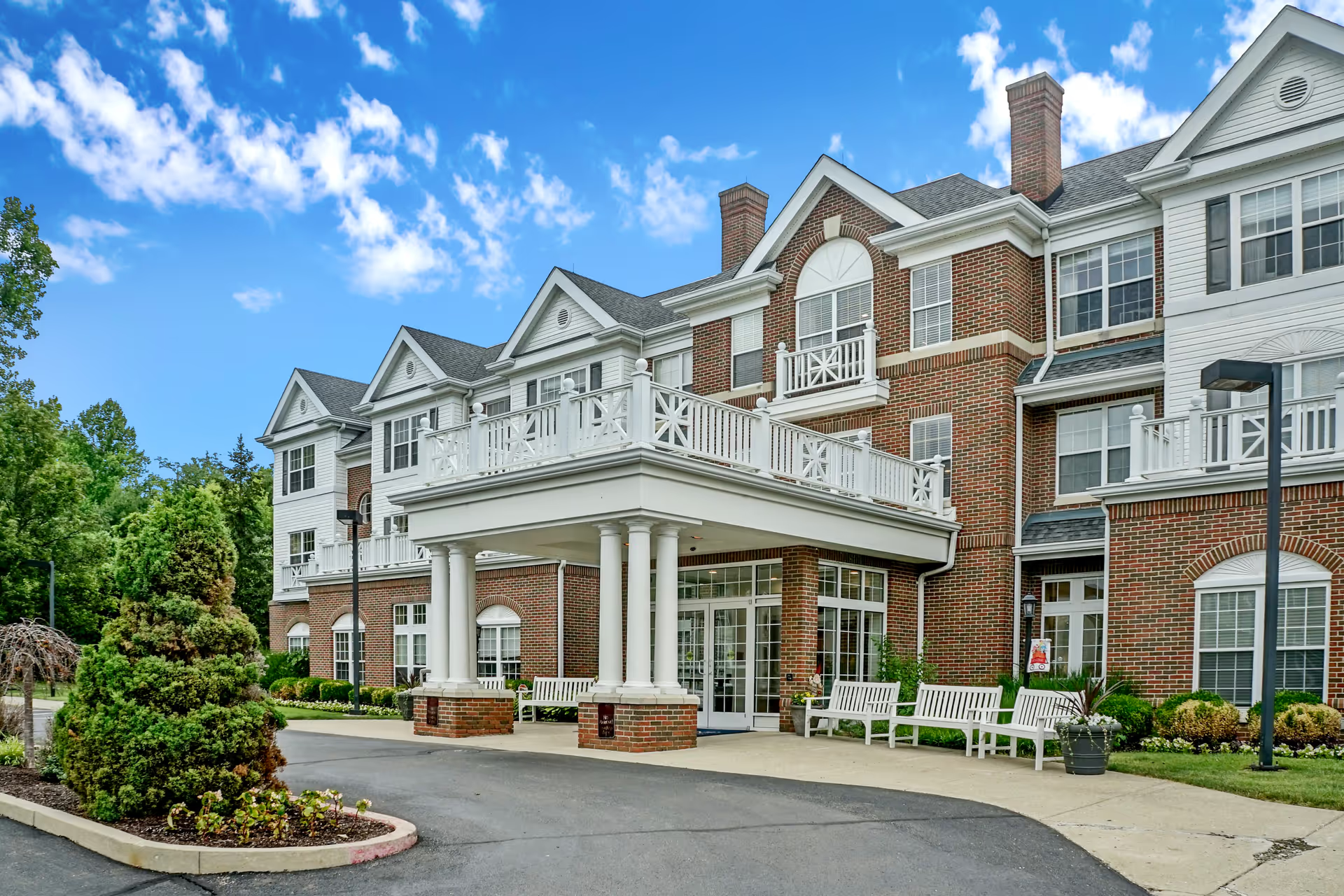
Activities are repeatedly cited as an area of strength: teams provide varied, monthly programs and social engagement efforts that many residents enjoy. Common areas are often described as clean, bright, and updated with natural light, reflecting cosmetic improvements in parts of the building. At the same time, reviewers report variable room-level conditions — including older, run-down rooms, missing fixtures, or uncomfortable beds — indicating uneven facility maintenance.
Management and operations are a notable area of divergence. Some reviewers specifically praise managers and responsive leadership, while others criticize inconsistent communication, poor follow-up on incidents, and a need for stronger ownership-level oversight. Agency staffing reliability is another recurring operational weakness: frequent cancellations and inconsistent coverage were raised as problems that affect continuity of care. Security-related issues (allegations of personal items missing) combined with reports of inadequate incident follow-up have also eroded trust for some families.
Taken together, the review set portrays Harmony Center as a facility capable of delivering high-quality, compassionate memory care and therapeutic services in many cases, particularly where stable staffing and engaged leadership are present. However, prospective residents and families should be aware of variability in room maintenance, diet-management processes, agency staffing reliability, and incident response/follow-up. Those considering the facility would benefit from focused questions during a tour about dietitian intake and menu management, staffing consistency and agency use, protocols for acute-event response and family notification, and recent ownership or leadership changes and their operational impact.