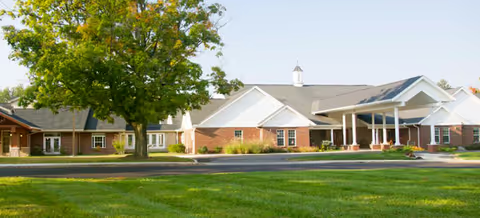
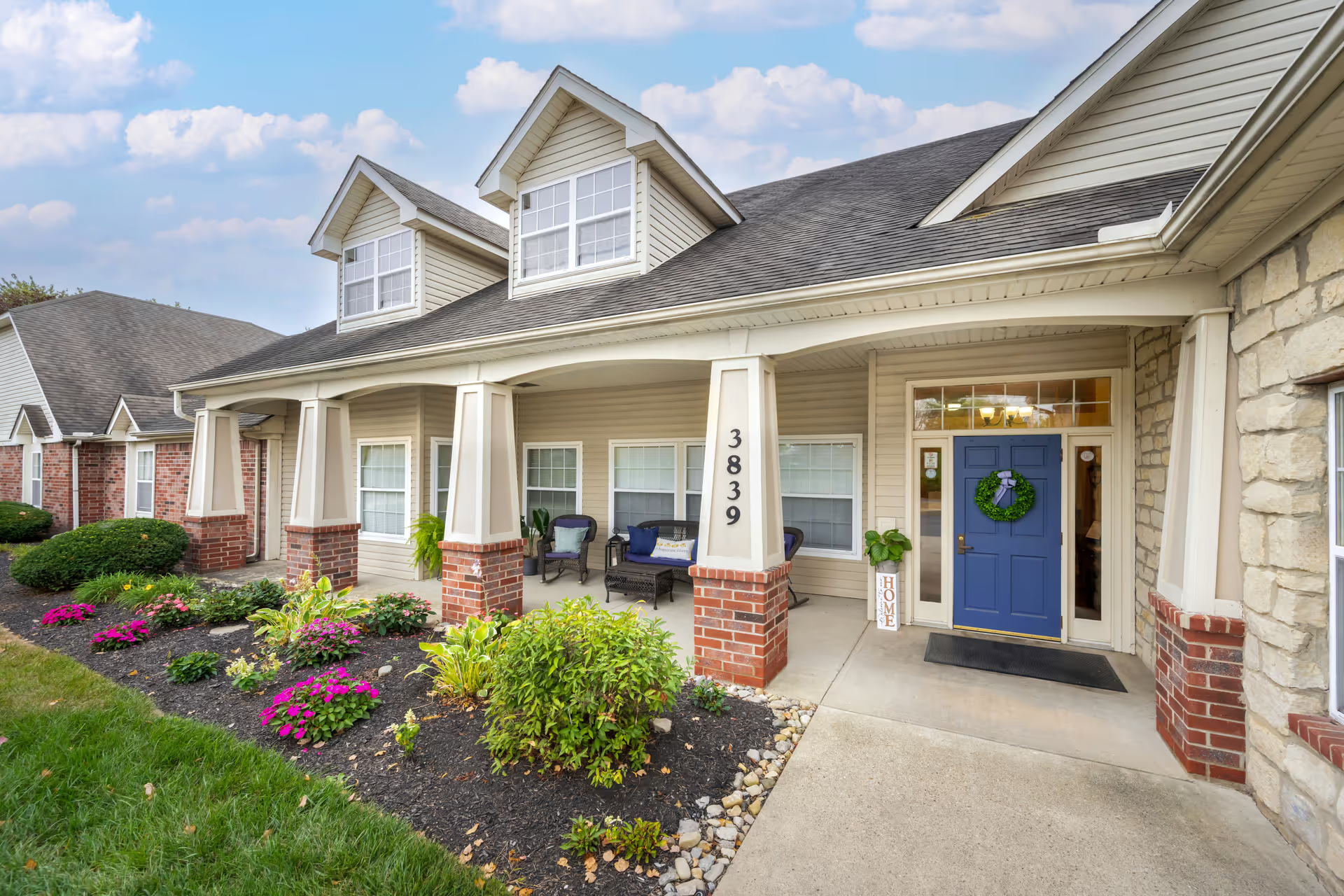
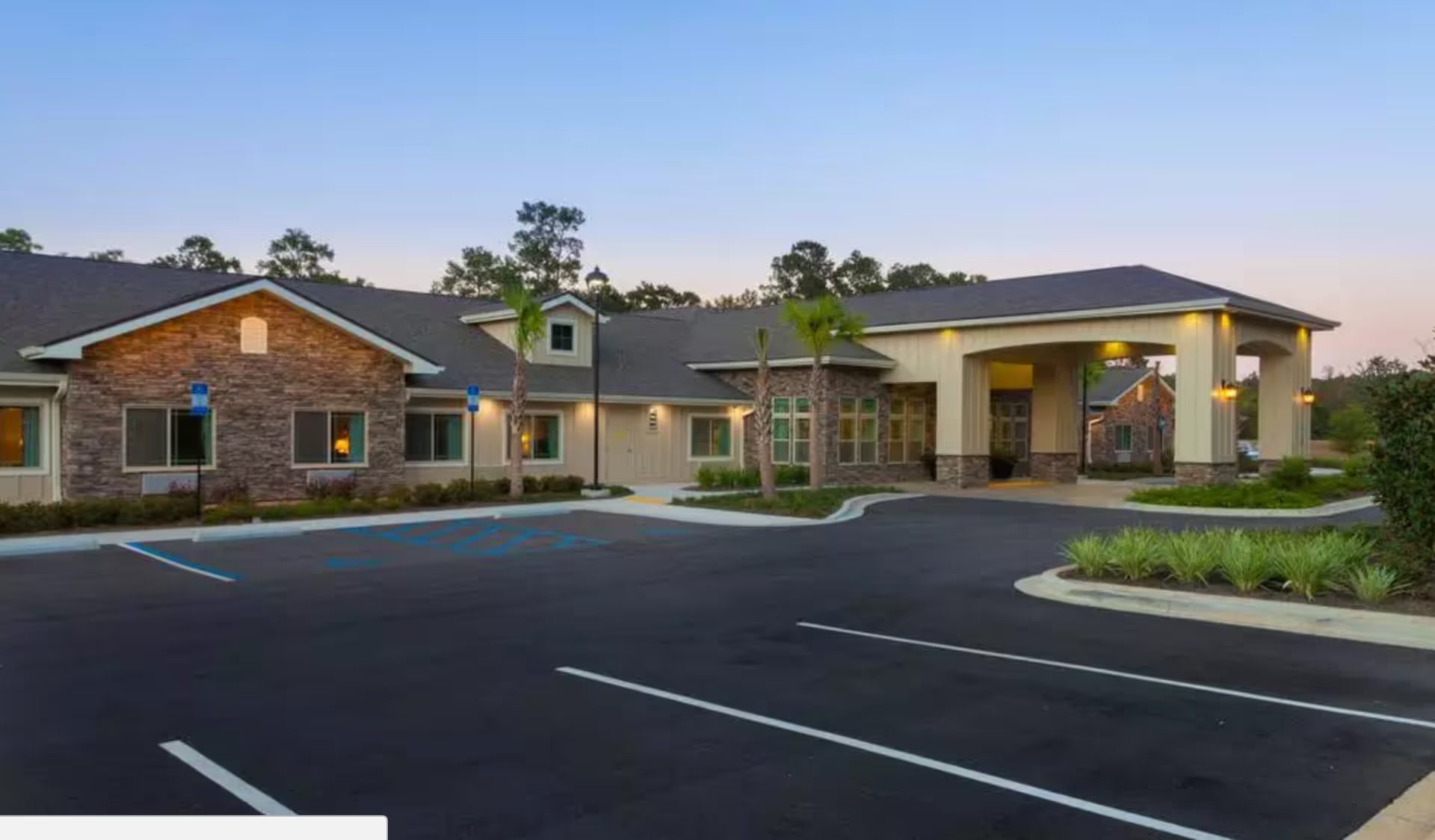
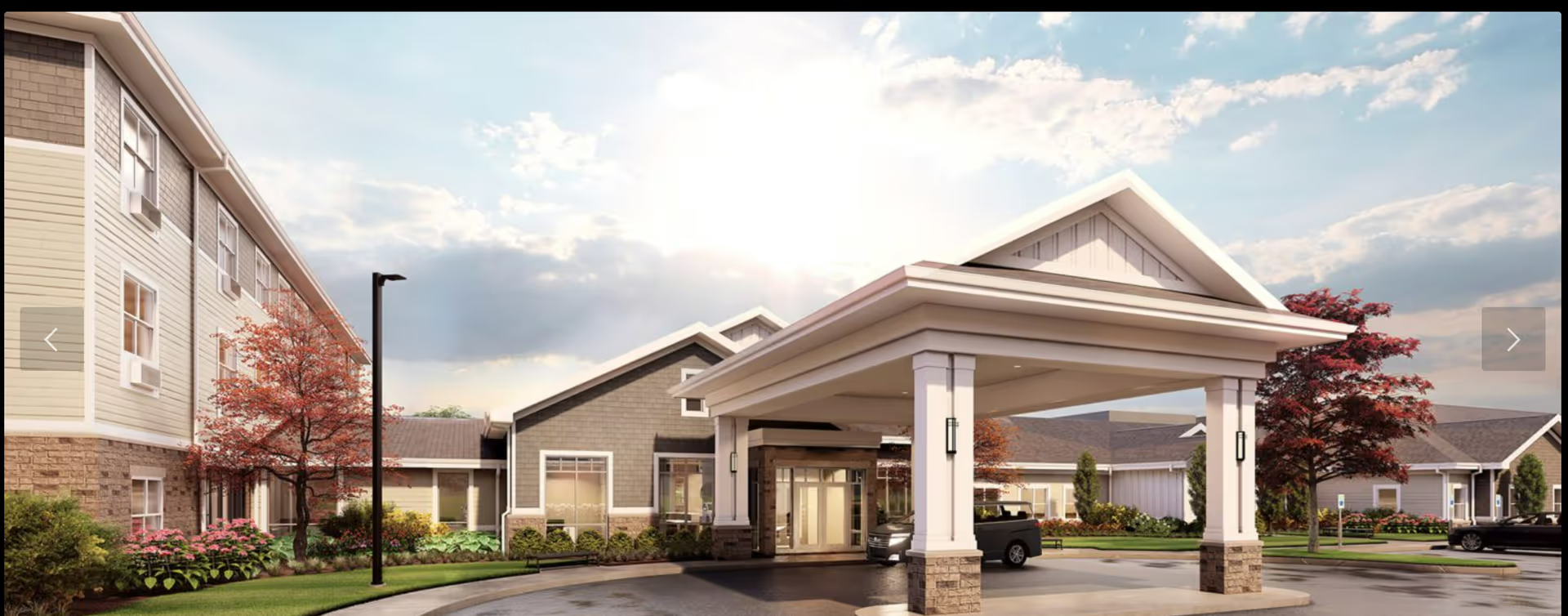
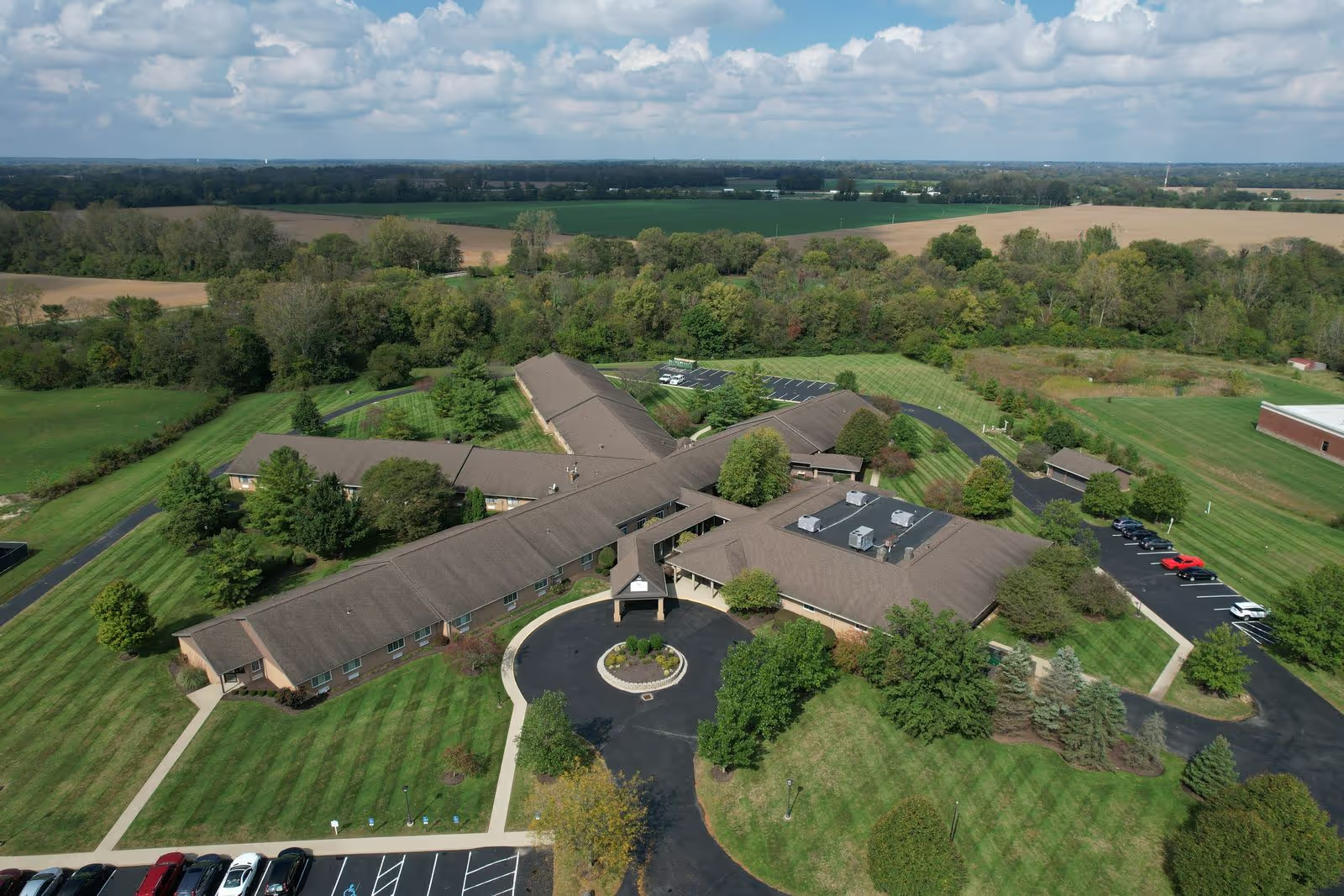
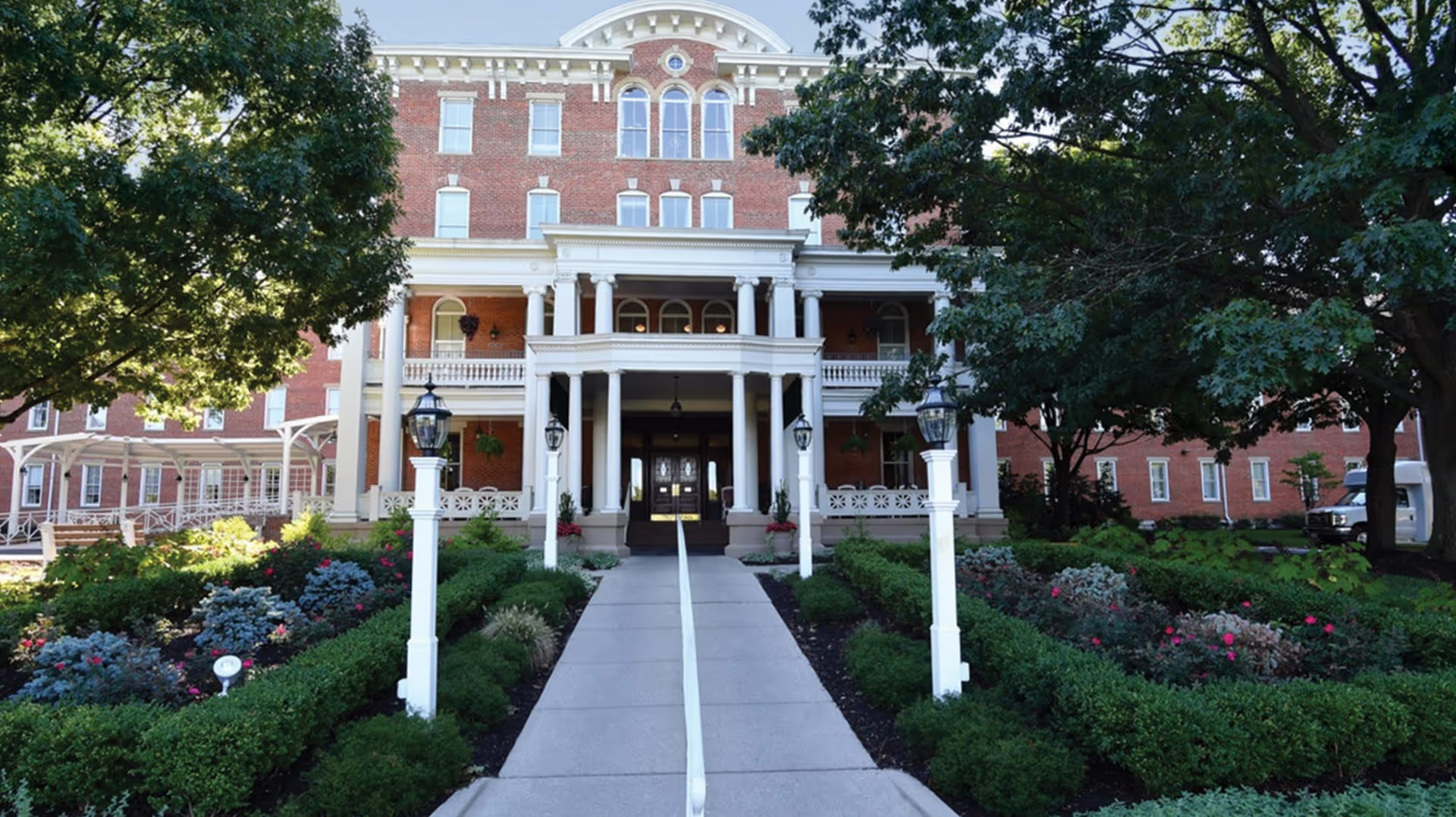
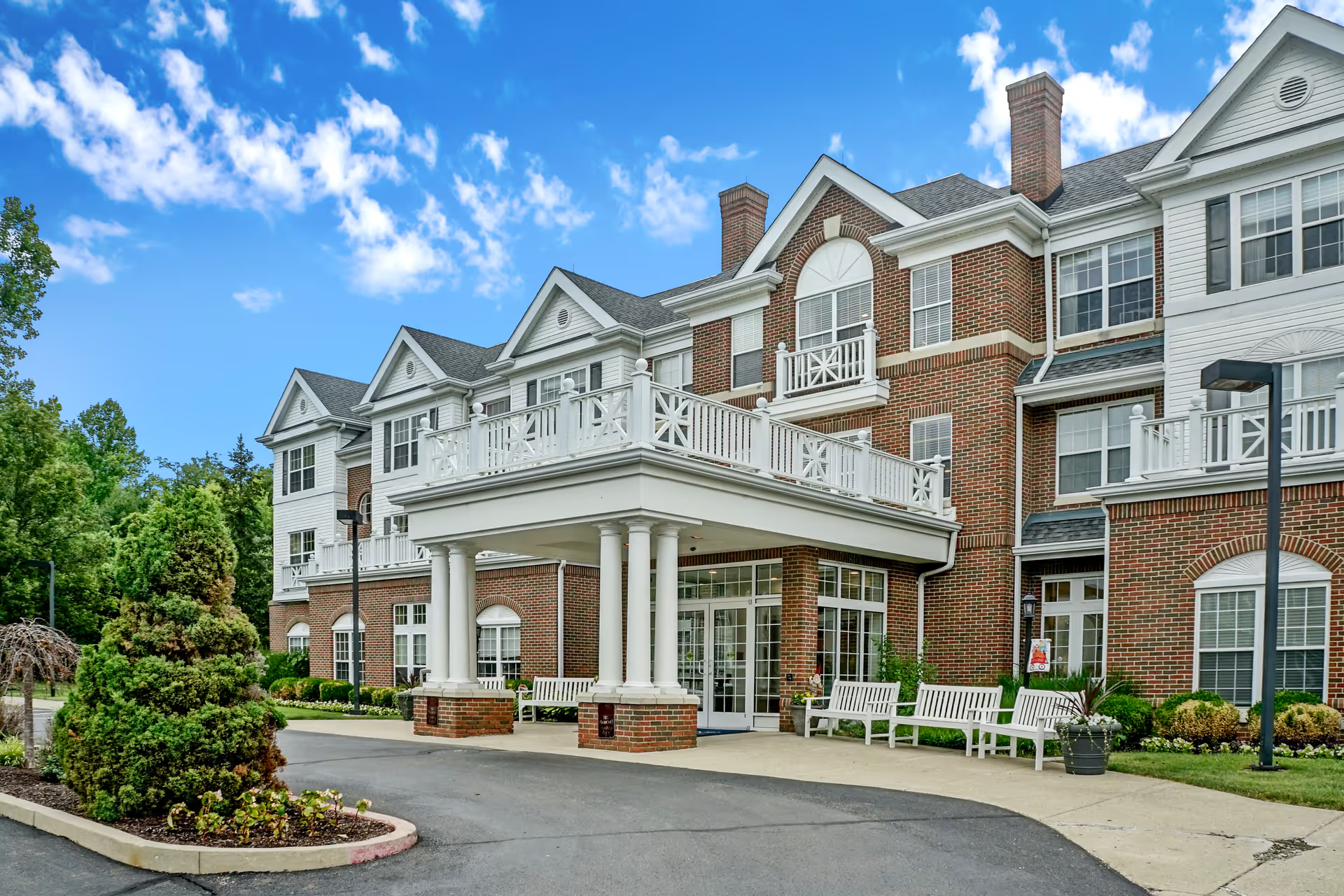
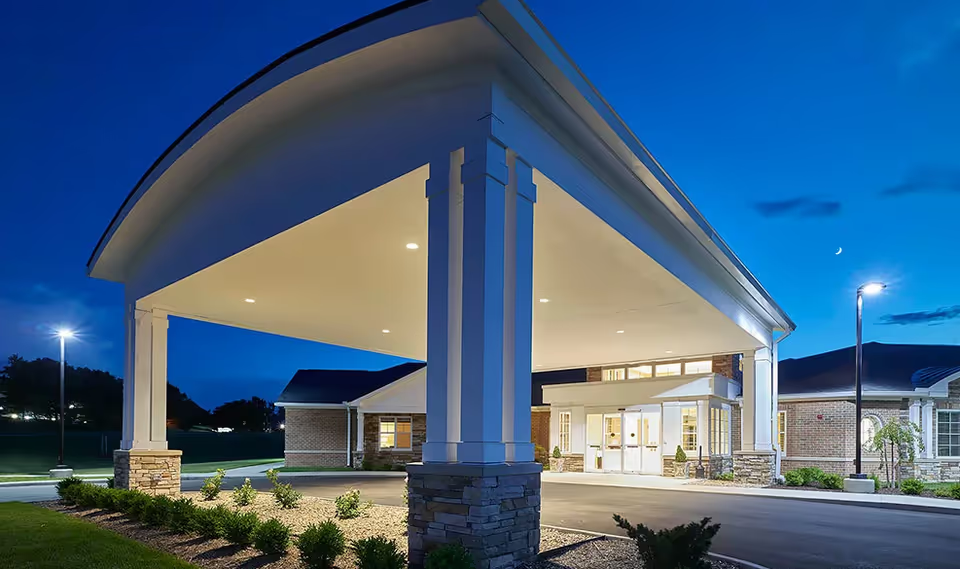
Shawnee Estates presents a mixed picture that prospective residents and families should weigh carefully. Many reviewers praise the facility’s appearance and atmosphere: the building is widely described as clean, homelike, and hotel-like, with private studio apartments, a secure courtyard, and visible investment in communal spaces and seasonal programming. Therapy and rehab services receive positive mentions, as do organized events (farmers markets, cookouts, music) and pet-friendly policies that support resident engagement. Several families singled out individual staff and administrators for strong communication and compassionate care, and move-in support and transition help are commonly described as smooth.
Care quality is uneven across levels of service. Assisted-living residents and families often describe proactive, caring staff and adequate supervision, while memory-care accounts raise consistent operational concerns. Key clinical themes include inconsistent staffing and turnover, which reviewers linked to limited supervision in the memory-care unit, variability in personal-care and hygiene scheduling, and episodic lapses in safety practices such as fall prevention. A small number of serious clinical incidents and end-of-life situations were described, prompting concerns about clinical-incident response and family communication in those cases. Medication-management and informed-consent processes were noted as areas needing clearer protocols and documentation.
Dining and activities are generally strengths in assisted living but variable in execution. The dining room experience—table service, menu variety, and social meals—was frequently praised, and therapy/activities staff are credited with valuable programming that supports social engagement. At the same time, reviewers described inconsistent meal quality over time and limitations in dietary accommodations (for example, gluten-free options not consistently provided). Activity programming in the memory-care unit was cited as limited by staffing and design in some accounts, even as music and individualized approaches were highlighted as calming and beneficial for some residents.
Facility upkeep and management present a combination of positives and operational issues. The interior, grounds, and many rooms are viewed as attractive and well cared for, but several reviews described maintenance gaps (unfinished repairs, dust, limited hot water episodes), laundry and lost-belongings problems, and pest-control concerns in specific areas. Management visibility and responsiveness receive mixed assessments: specific staff members and leaders are frequently commended for responsiveness and compassion, while other reviews cite inconsistent follow-up, variability in staff conduct and policy enforcement, and uneven communication during off hours or weekends. Cost and rate increases are also noted; families are sometimes concerned that rate changes are not always matched by consistent service improvements.
Overall pattern: Shawnee Estates appears to offer a warm, community-oriented environment with many strengths in appearance, therapy, social programming, and individual staff relationships. However, persistent operational challenges—most notably inconsistent staffing (particularly in memory care), variable personal-care and medication-management practices, maintenance and laundry issues, and occasional lapses in responsiveness—warrant careful inquiry by prospective families. Visitors should tour multiple times, ask specifically about memory-care staffing ratios and programming, review medication-consent and incident-response protocols, and clarify how dietary needs, laundry, pest control, and weekend nursing coverage are handled before deciding.