The reviews present a mixed picture of Xenia Health and Rehab. On the positive side, multiple accounts highlight compassionate, supportive caregiving by individual nurses and aides, instances of effective teamwork, an active activities program, and examples of successful rehabilitation for some residents. Several staff members received direct praise for their attention and impact on residents, and a few comments indicated clean, well‑maintained areas and welcoming front‑desk interactions.
However, a number of recurring operational weaknesses emerge across the feedback. Staffing levels and continuity are a central concern: reviewers describe chronic understaffing, frequent use of agency or temporary nursing staff, and shifts where caregiver availability appeared limited. Those staffing patterns are associated with longer waits for assistance, delayed responses to call lights, inconsistent bathing and incontinence care, and gaps in medication administration and clinical follow‑up. In several instances these clinical and responsiveness issues were linked to hospital transfers or emergency care.
Dining and nutrition are another area of concern. Reports indicate inconsistent meal quality and temperature control, with meals sometimes arriving cold or unevenly prepared and gaps in provision of therapeutic diets such as a clear diabetic meal plan. Attempts to resolve menu or diet issues with the dietary team were described as unsuccessful in some accounts, contributing to family dissatisfaction.
Communication and management responsiveness were frequently noted as problematic. Families described difficulty reaching staff by phone, limited physician presence or infrequent medical rounds, and challenges in getting assistance from social work, activity coordination, or financial services. There are also consistent comments regarding staff conduct and tone toward residents and families: while individual caregivers received praise, other interactions were described as unprofessional or dismissive, and there are reports of staff congregating outdoors in ways that observers found concerning for professionalism.
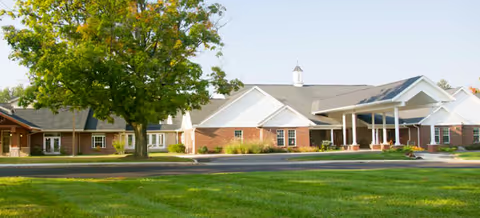
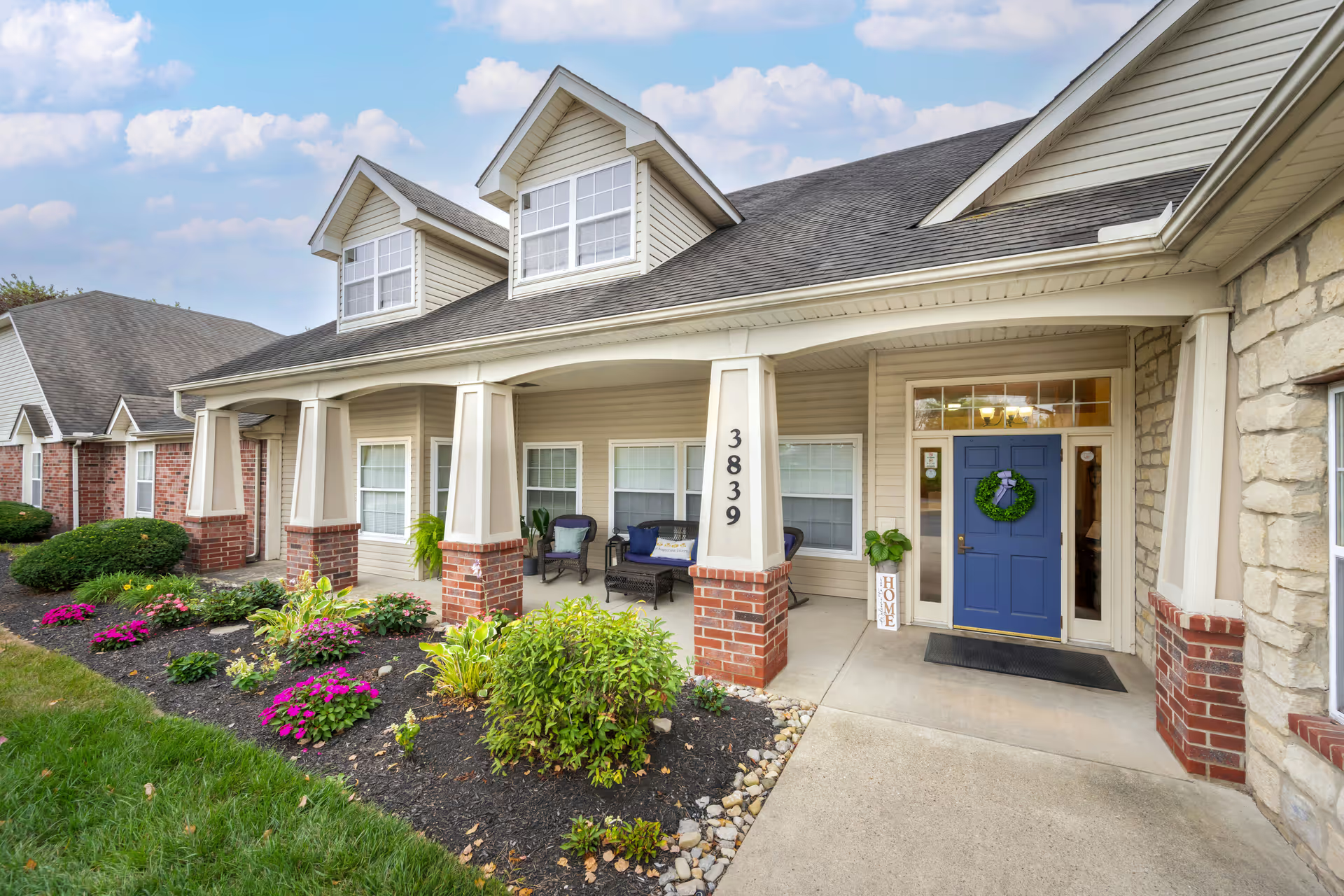
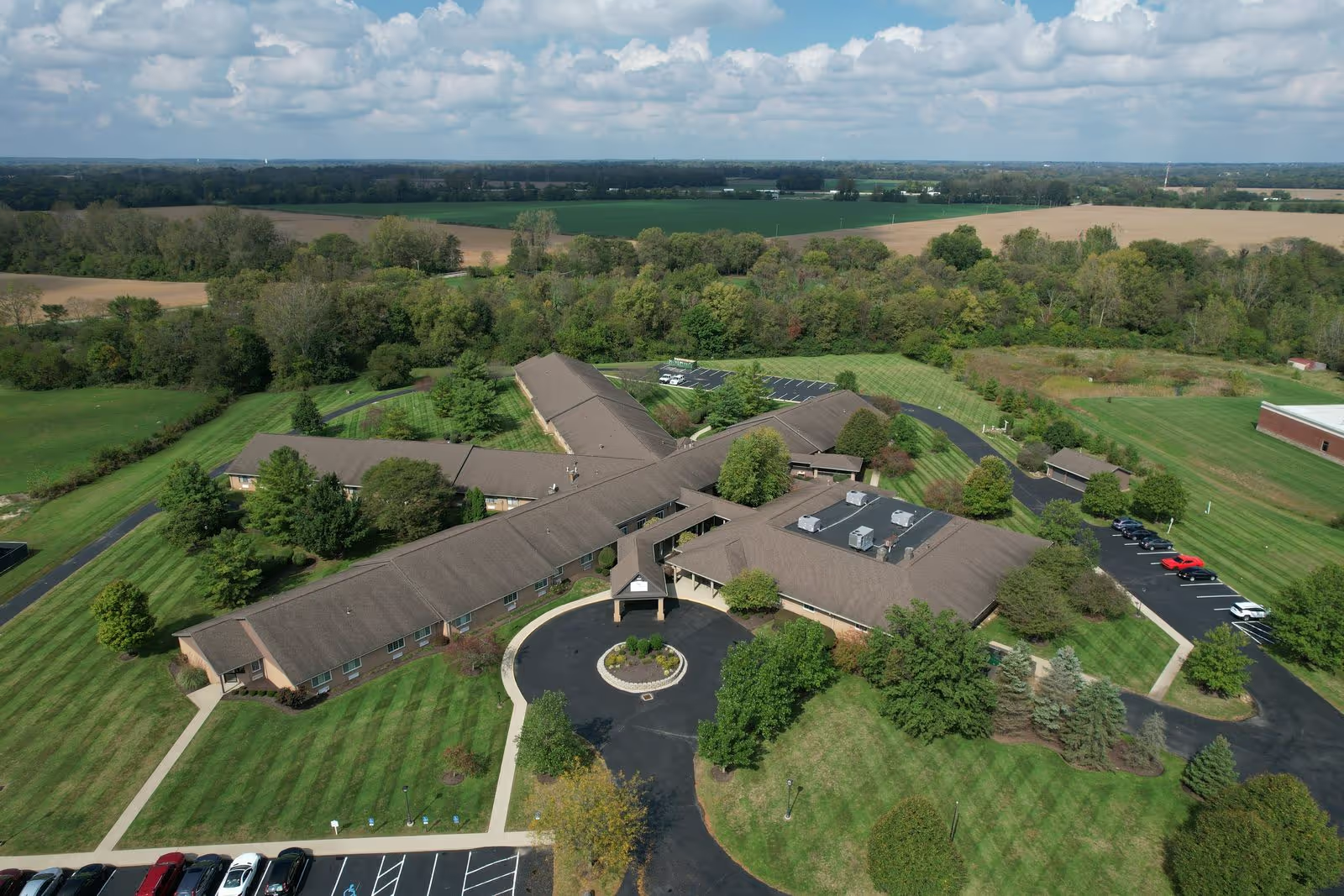
Facility maintenance and sanitation descriptions are mixed. Some reviewers praised cleanliness and named staff who contributed positively, while others raised sanitation concerns and odor issues in certain areas. These divergent observations suggest variability by unit, shift, or time period rather than a uniformly consistent condition across the facility.
Taken together, the pattern in these reviews points to strengths arising from committed individual staff and an active programming environment, set against systemic operational challenges: staffing shortages, continuity gaps, inconsistent clinical oversight, variable dining services, and uneven communication from management. Prospective residents and families should weigh the positive interpersonal experiences and rehabilitation successes against reports of inconsistent day‑to‑day care practices. When evaluating this facility, consider asking specific, current questions about staffing ratios and continuity, nurse and physician coverage, medication‑administration protocols, diabetic and therapeutic dining plans, call‑response times, and recent quality‑assurance or sanitation audits. If continuity of care and robust clinical oversight are priorities, request up‑to‑date documentation or meet with administrative and clinical leaders to assess current operational performance.