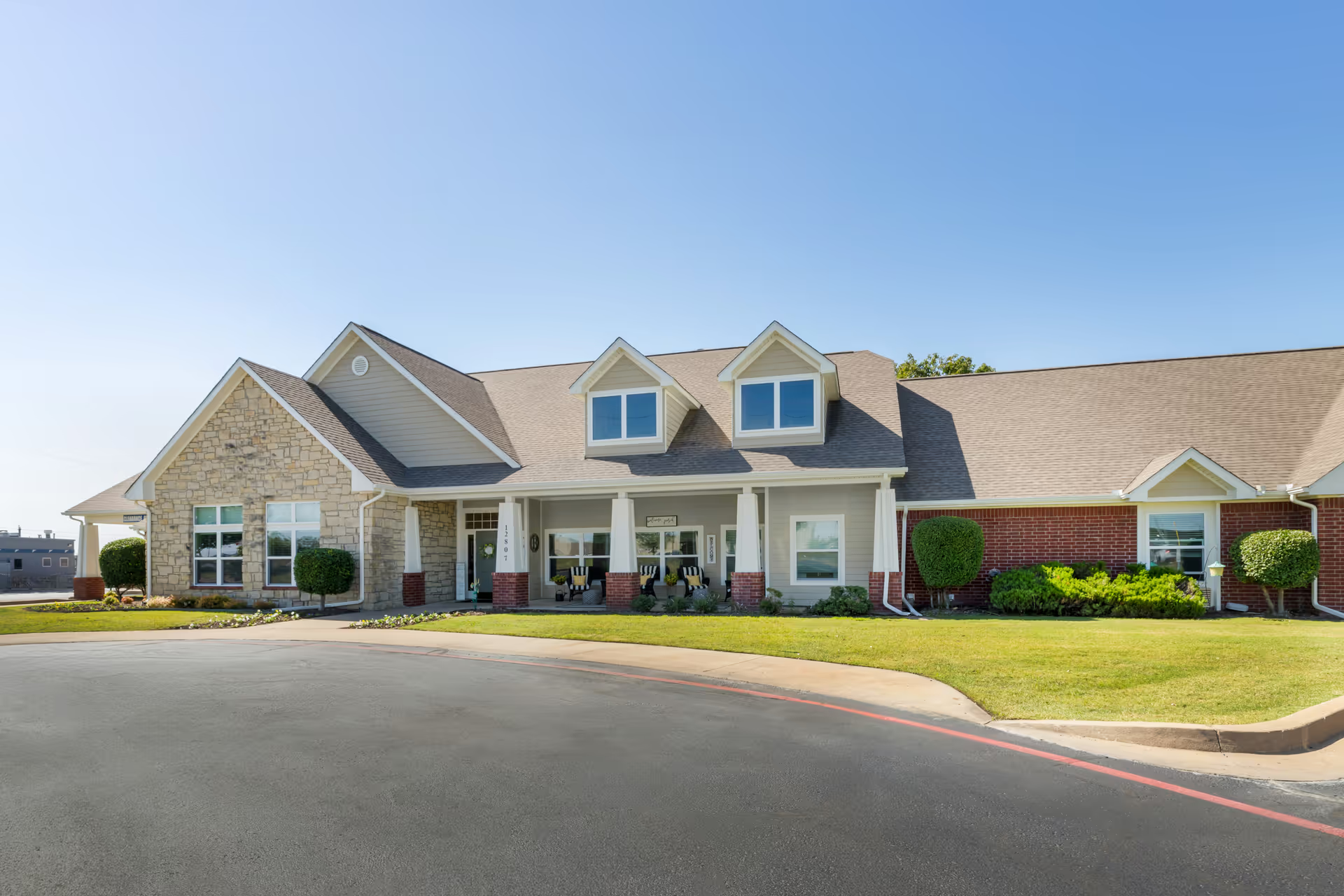
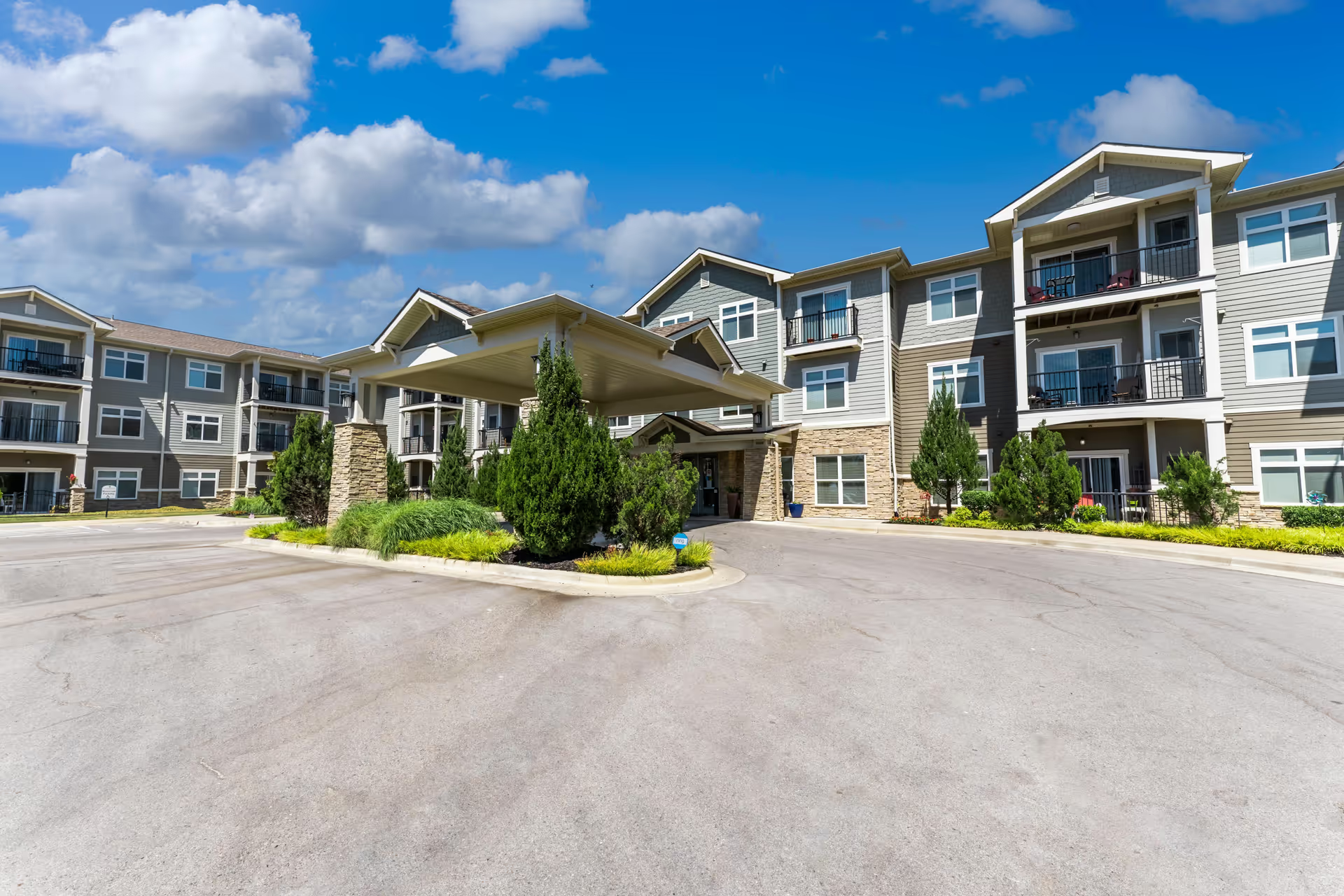
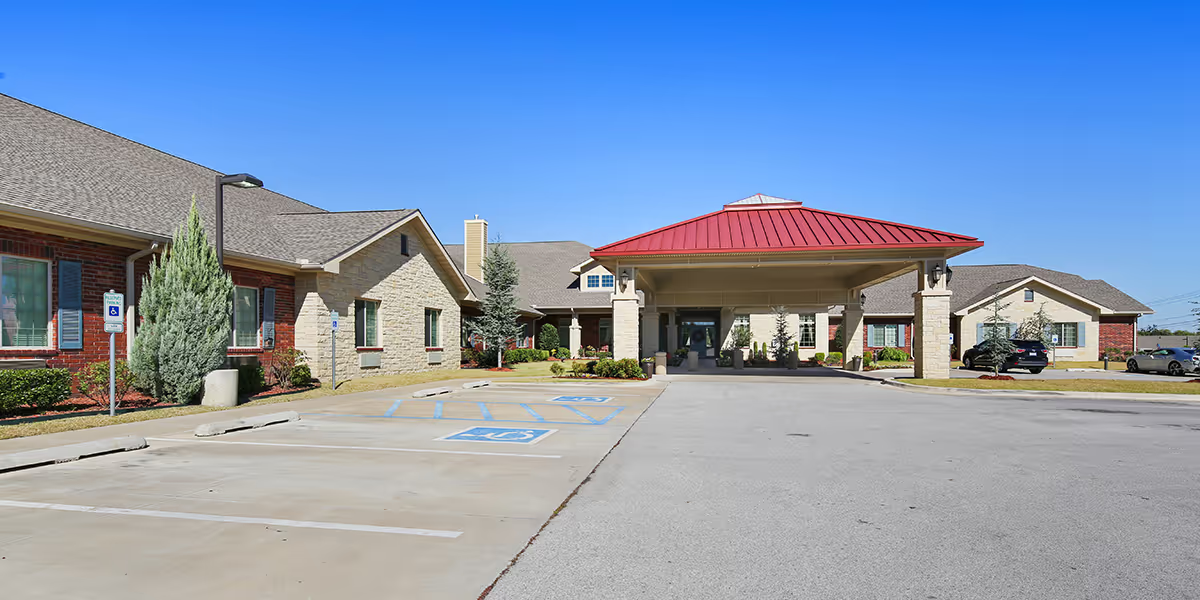
Overall impression: Reviewers convey a generally positive impression of Canoe Brook Assisted Living–Catoosa, particularly highlighting the facility’s small scale, approachable atmosphere, and committed front-line staff. Many families and residents described strong day-to-day caregiving, frequent communication from nursing staff, and administrators who are responsive. The facility’s furnished apartments, individual HVAC controls, basic cable, and a bright, hotel-like interior are cited as attractive features that ease the transition to assisted living.
Care and staff: Clinical and support staff are commonly praised for personal attention, accessibility, and responsiveness. Charge nurses and administration are noted for prompt family communication and follow-through, and the on-site pharmacy arrangement reduces gaps in prescription refills. At the same time, reviewers identify variability in staffing levels, especially in the memory-care unit, and a pattern of turnover that can affect continuity of care. A small number of comments raise concerns about staff conduct or communication tone; these are presented alongside many positive statements about individual caregivers, indicating variability rather than uniform practice.
Dining: Dining receives mixed feedback. Several residents enjoy the food and portion sizes, but others describe inconsistencies between advertised menus and actual meals served, and note that quality sometimes does not match the facility’s premium pricing. Seasoning and flavor preferences were mentioned as variable. Prospective residents should ask for current menus and sample meals where possible and clarify how special dietary needs and menu substitutions are handled.
Activities and programming: Activity offerings are reported as meaningful by some families—several reviewers describe abundant engagement—while others find programming limited. The facility’s small size supports individualized attention, but that scale can also limit the breadth of scheduled options. Ask for a weekly activity calendar and for examples of memory-care–specific programming when evaluating fit for a given resident.
Housekeeping, laundry, and infection-control policies: Housekeeping and laundry consistency emerged as an operational weakness in multiple comments. Some residents experience irregular room cleaning schedules and occasional laundry mix-ups or privacy concerns related to clothing handling. Reviewers also described strict infection-control and outing restrictions during pandemic periods; while administrators framed some measures as state-directed, families characterized the policies as rigid and limiting. Clarify current housekeeping frequency, laundry procedures, and the facility’s visitation/outing policies during your tour.
Management and notable patterns: Administration and several leaders receive positive remarks for being helpful and responsive; they are frequently singled out as a strength. However, there are also references to organizational gaps, such as inconsistent admissions follow-up (video tours with limited contact) and occasional conflicts in coordinating hospice or comfort-medication needs. These comments suggest that clinical coordination at transitions of care and communication with outside providers can be an area for improvement.
Bottom line: Canoe Brook presents as a small, well-appointed assisted living community with many strengths in person-centered caregiving, family communication, and apartment amenities. Prospective residents should weigh those strengths against observed variability in dining, housekeeping/laundry processes, and staffing continuity in memory care. Visiting in person, sampling a meal, reviewing current activity schedules, and asking specific questions about hospice coordination, medication protocols, and laundry/housekeeping routines will help families determine whether the facility’s operational patterns match their expectations.