The reviews present a polarized picture of Shady Rest Care Center: several accounts describe a visible turnaround under new leadership, while other accounts describe persistent operational failures that affect resident safety and family confidence. Positive observations emphasize recent physical improvements, an orderly kitchen environment, and frontline staff who appear engaged and willing to exceed basic expectations. Conversely, many concerns point to inconsistency across shifts and areas of care.
Care quality and safety appear uneven. Positive comments note residents who look well cared-for and ambulatory in common areas, suggesting active rehabilitation or engagement programs for some residents. At the same time, there are multiple descriptions indicating delayed responses to call systems, lapses in toileting and incontinence care, repeated falls, and handling or transport practices that families perceive as unsafe. These items cluster into operational weaknesses around transfer safety, fall prevention, and timely bedside care.
Staffing and management are similarly mixed. Some reviewers credit a new director and a collaborative mix of newer and long-term staff with improving morale and visible repairs. Other reviewers describe variability in staff professionalism and concerns about the tone and responsiveness of case management and the business office. These differences suggest an organization in transition where improvements under new leadership may not yet be consistently implemented across all teams and shifts.
Dining and activities show both strengths and weaknesses. The kitchen and some dining areas are described as clean and well-maintained, and observers report residents appearing engaged and content in communal areas. However, there are also accounts of meals not being served during scheduled dining times and inconsistency in meal-service continuity. Activity-related comments tend to focus on resident engagement and improved appearance, but concrete program descriptions are limited.
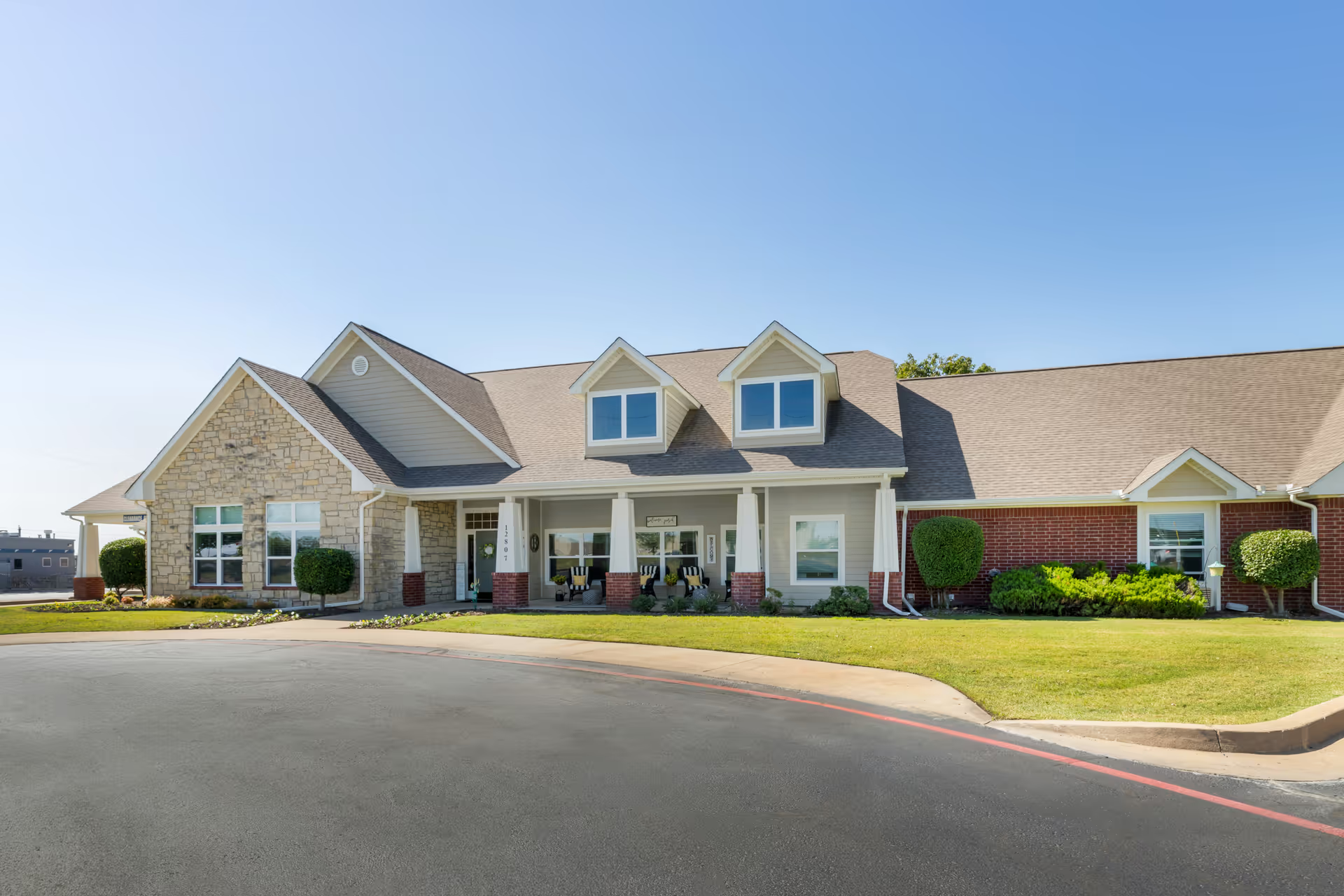
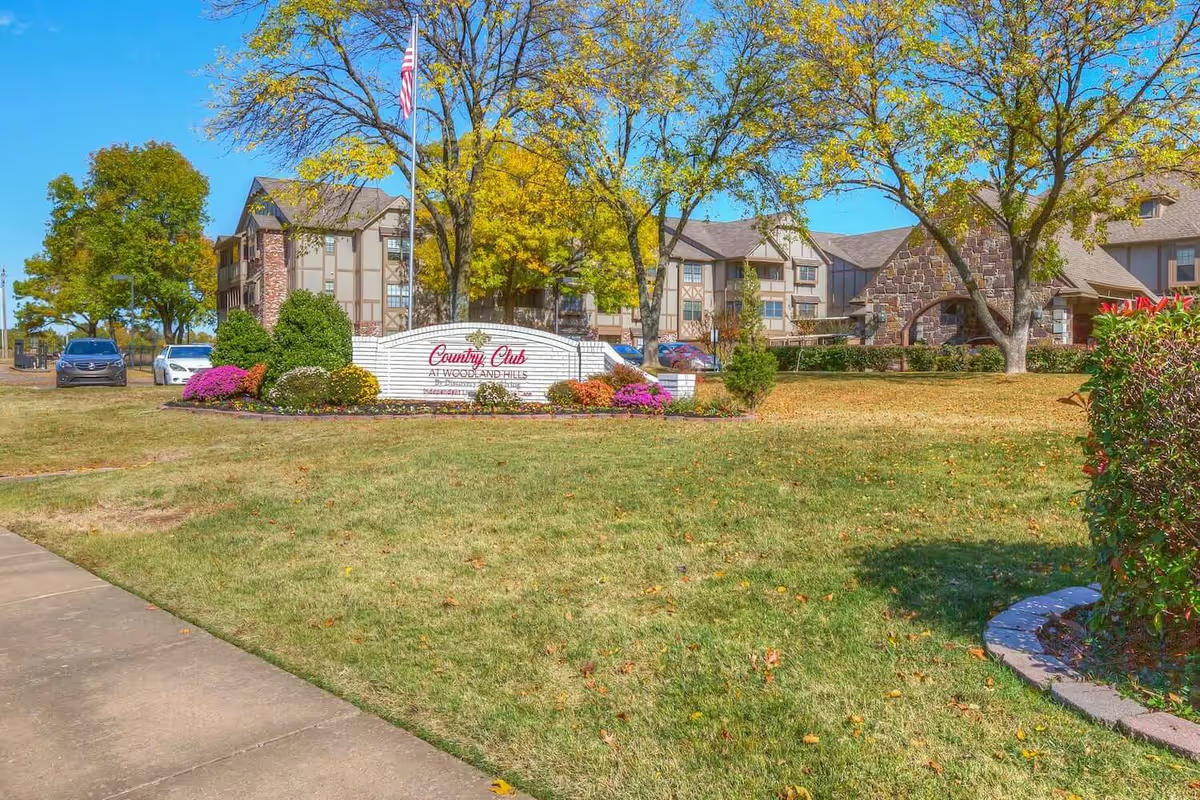
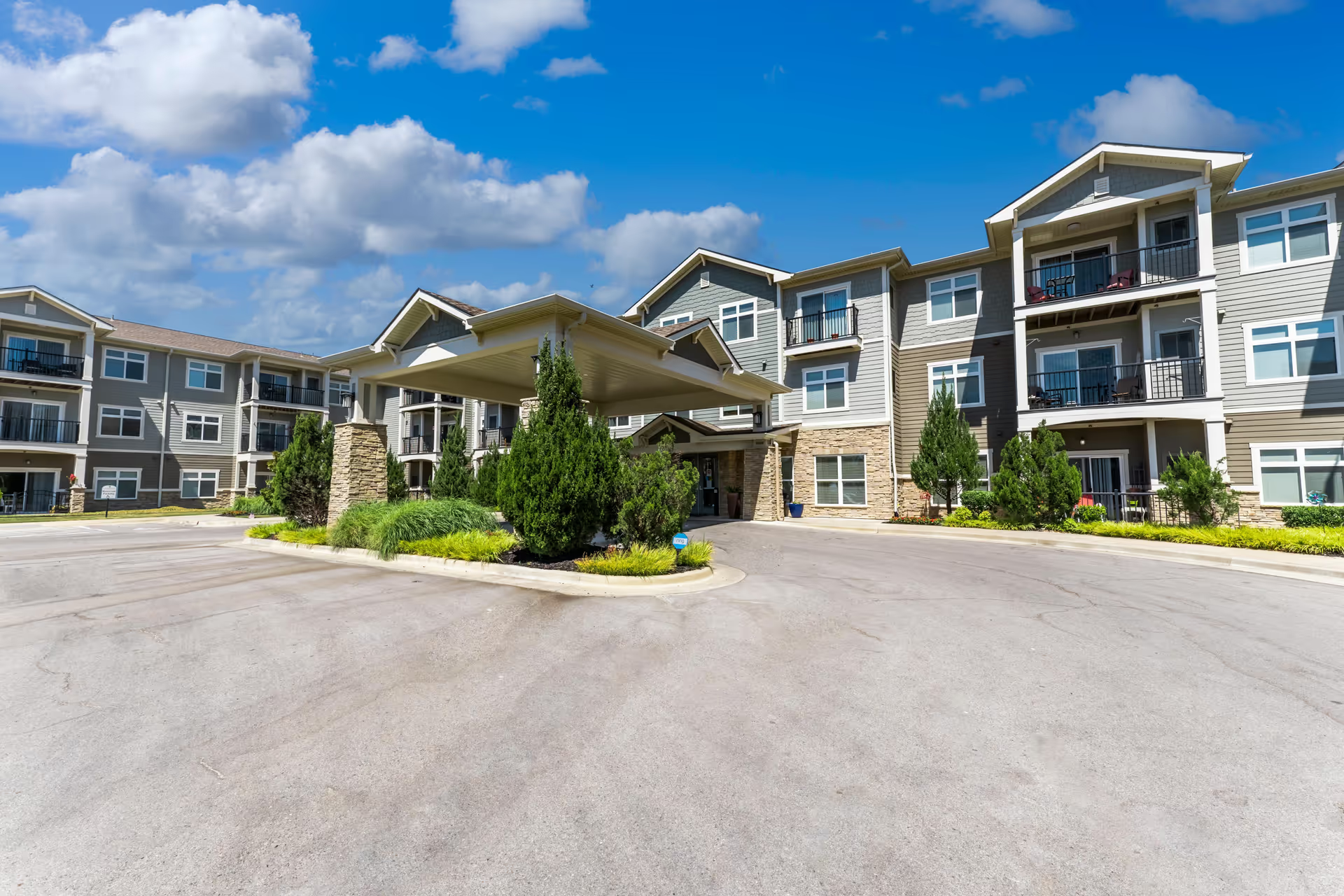
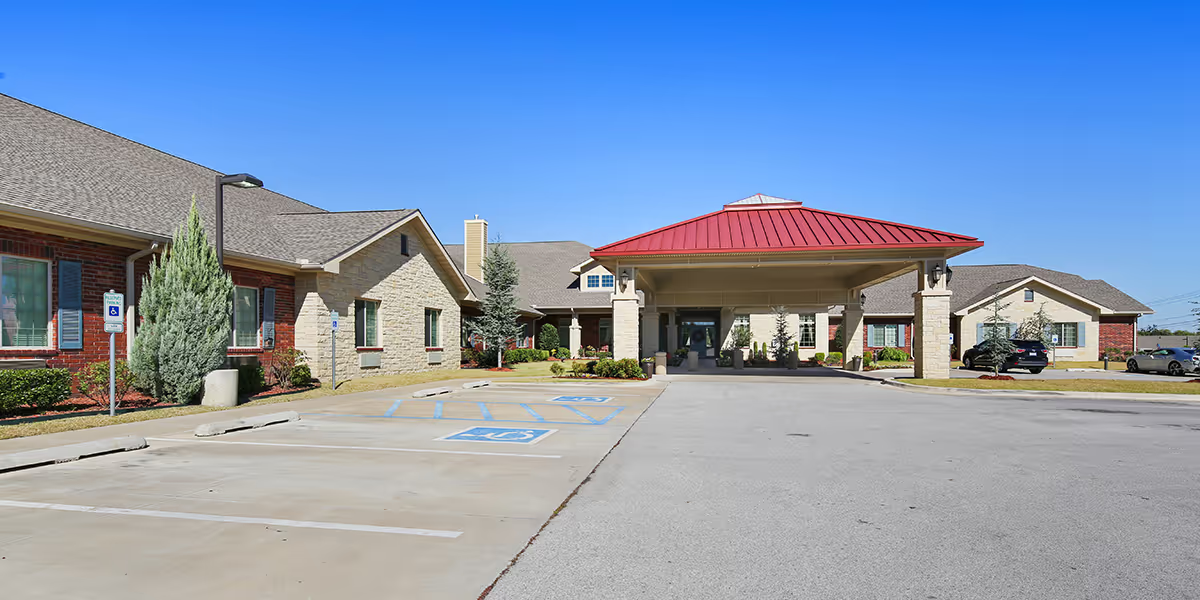
Facility environment evidence is mixed. Several reviewers highlight painting, repairs, and cleaner public spaces, which align with a visible refurbishment effort. At the same time, concerns about sanitation inconsistencies in resident areas, pest-control and water-quality management issues, and lapses in personal-property protection are raised. These point to uneven environmental maintenance and infrastructure oversight.
Notable patterns: the overall impression is one of variability — clear signs of an administrative effort to improve the facility coexist with operational and safety gaps that remain unresolved for some families. Because accounts range from favorable to strongly critical, prospective residents and families should perform targeted due diligence: arrange unannounced visits at different times of day, ask about staffing ratios and shift coverage, review fall and incident logs, inquire about transfer protocols and incontinence-care procedures, request documentation of pest-control and water-quality remediation, and verify policies for personal-property protection and family notification after incidents. This mixed pattern indicates potential for improvement, but also a need for continued oversight until performance is consistently reliable.