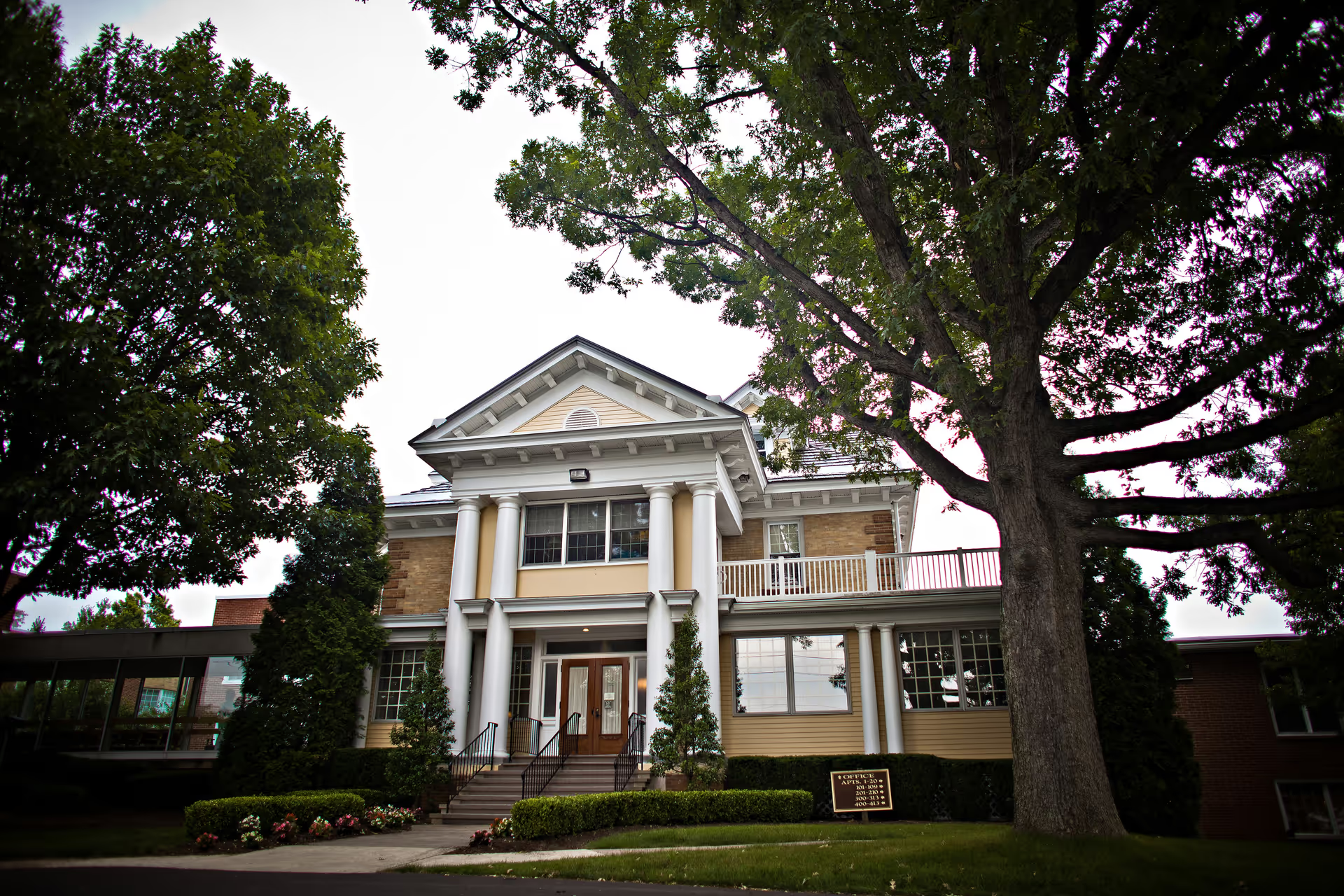
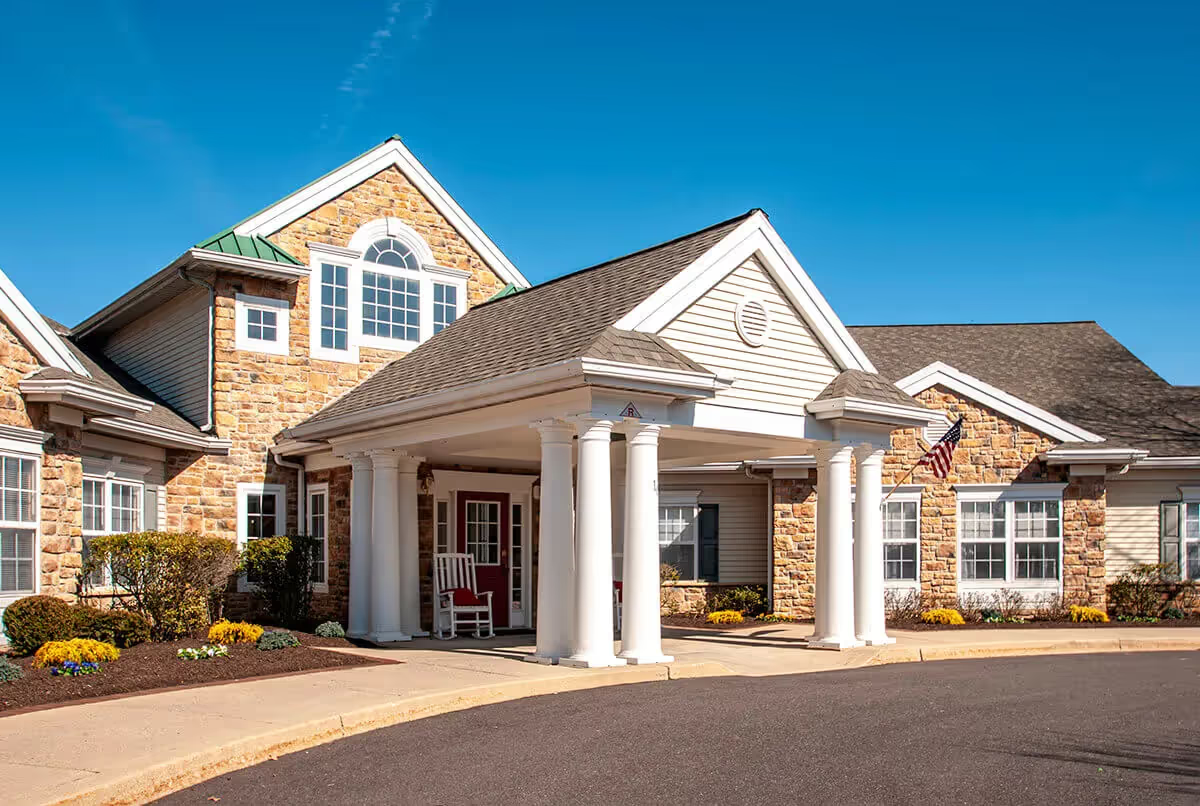
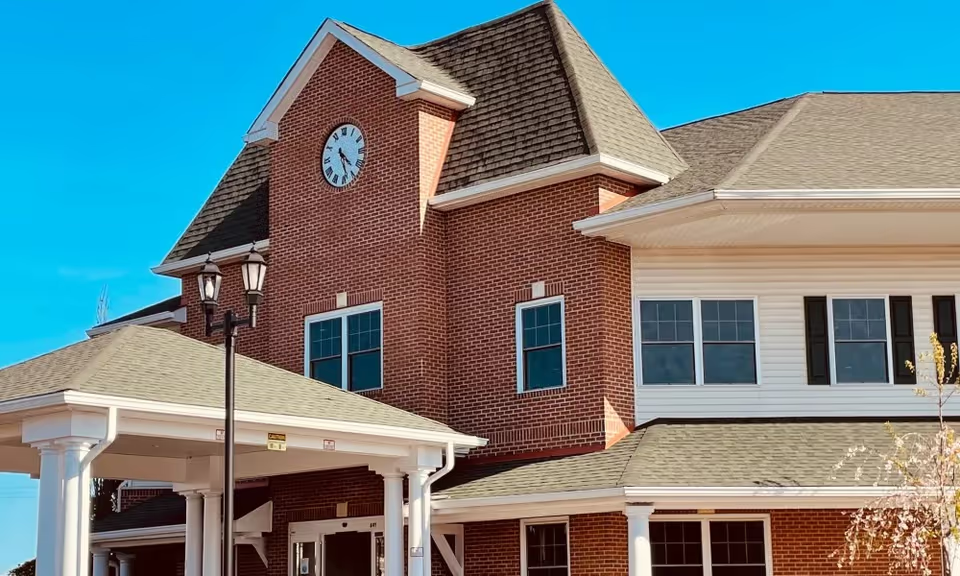
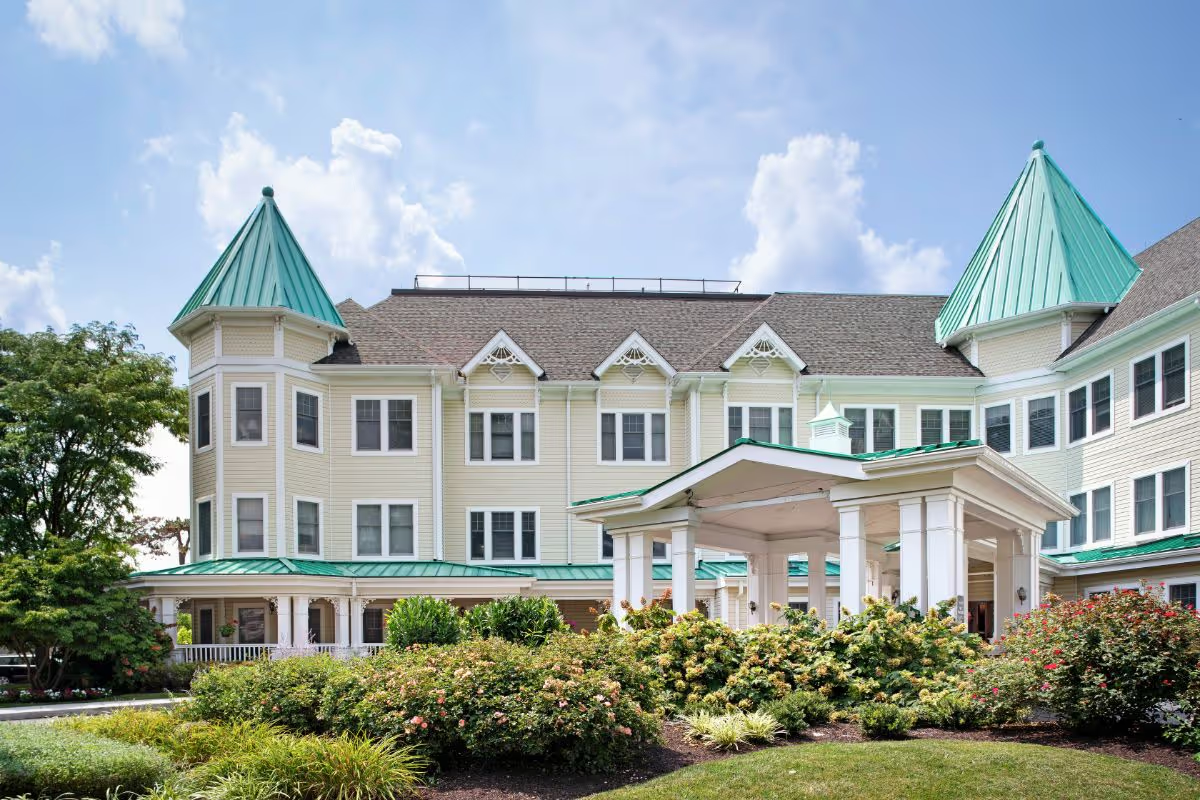
Brittany Pointe Estates is generally described as a welcoming, well-appointed continuing-care community with a strong emphasis on social life and clinical resources. Reviewers consistently highlight compassionate, professional staff, a friendly resident population, abundant activities (arts, music, Bridge, water volleyball, volunteering), and a bright apartment product with wide hallways and well-maintained grounds. The community’s life‑care contract, not‑for‑profit governance, and a five‑star Medicare rating are cited as reassuring indicators of financial stability and clinical oversight.
Clinical services receive mixed but mostly positive commentary. Several reviews describe robust skilled‑nursing and medical resources, including 24/7 clinical coverage, in‑house rehabilitation, and individualized end‑of‑life care. At the same time, a subset of reviewers raised serious concerns about medication handling and pain management practices and about delays in physician responsiveness and family communication in certain incidents. These statements suggest potential variability in clinical execution; prospective families should ask about current medication protocols, on‑call physician workflows, and recent clinical quality measures when evaluating the community.
Staff and community culture are frequent strengths. Many accounts emphasize courteous, attentive caregivers, a welcoming culture that fosters friendships, and opportunities for residents to lead programs and showcase talents. Management is often described as responsive, and long‑tenure staff and residents contribute to social continuity and a stable atmosphere. That said, a few reviewers described perceived changes in service quality over time, pointing to inconsistent staffing levels that may affect day‑to‑day continuity of care.
Dining and hospitality receive varied feedback. Several reviewers praise the Pointe Bistro, specialty baked goods, and high‑quality menu items, while others mention unappealing meals, missing items in delivered trays, or limited accommodation of special diets. This pattern indicates reliable culinary strengths in some dining venues alongside inconsistent meal‑service experiences elsewhere; confirming dietary accommodations and meal‑delivery processes during a visit is advisable.
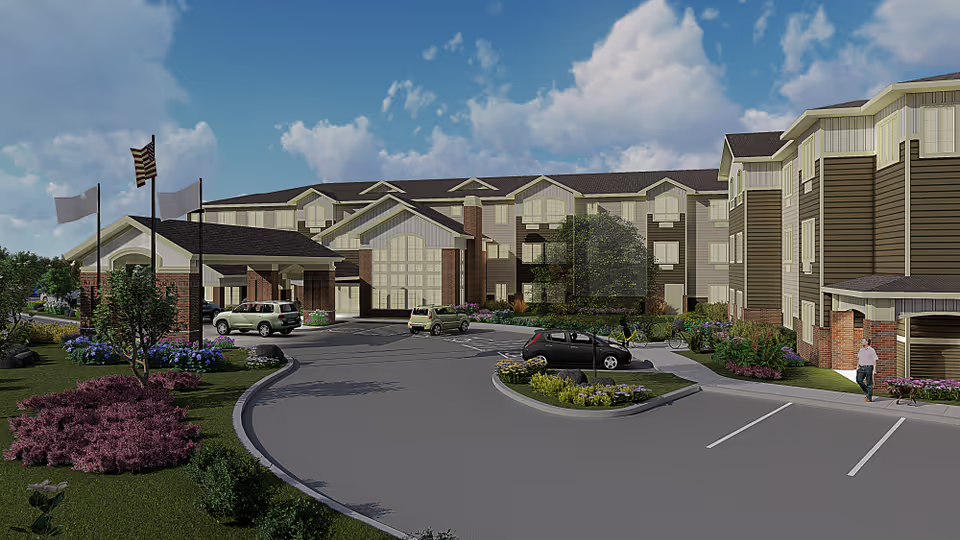
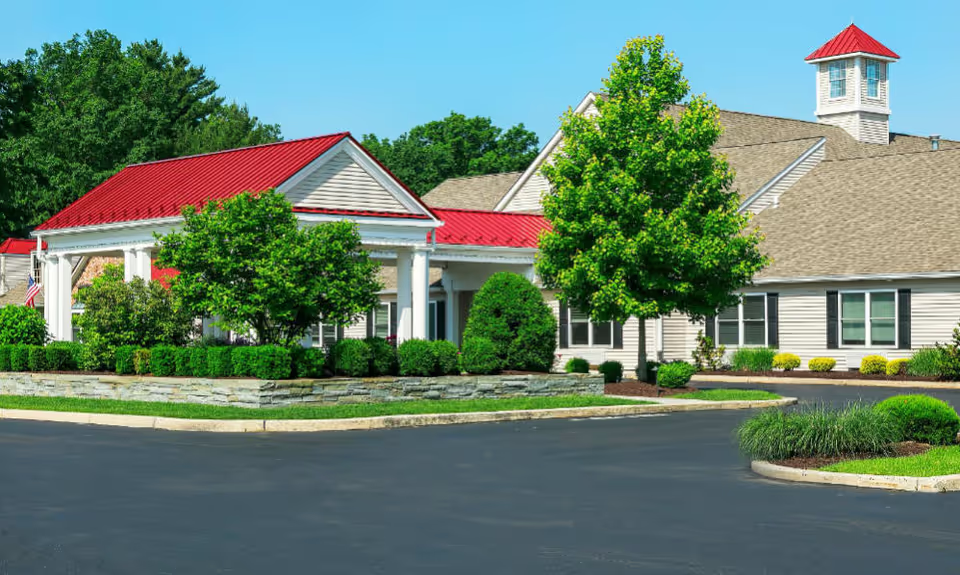
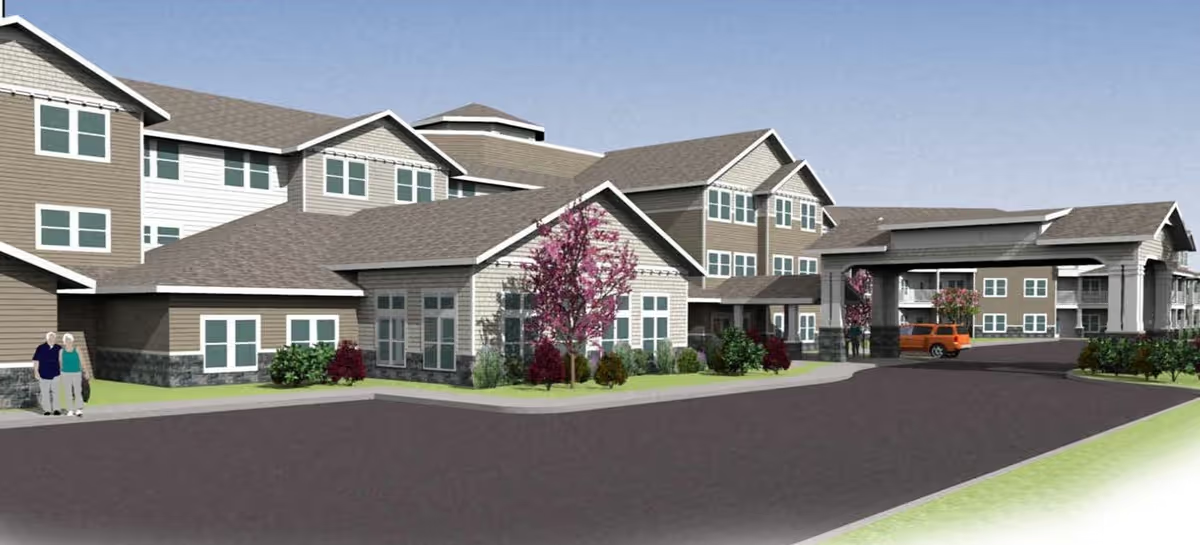
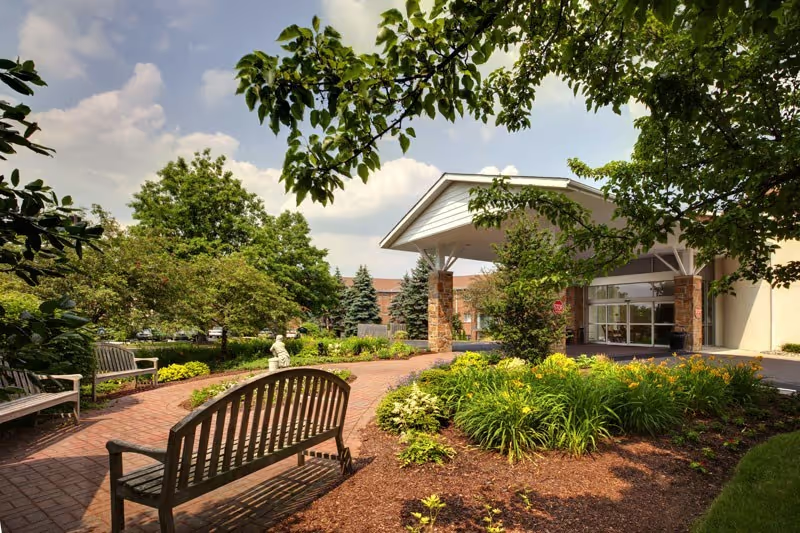
Facilities and amenities are generally rated highly: bright apartments (including newer units with multiple exposures), guest accommodations, active programming, and ample outdoor space are recurring positives. The community’s life‑care model and not‑for‑profit status are commonly cited as value drivers and sources of price stability. Conversely, a number of reviewers expressed concern about perceived cost relative to the level of amenities or recent reductions in low‑price amenities, and a small number referenced contractual or governance disputes (including entrance‑fee refund issues and related legal activity), which suggest the importance of careful contract review and governance inquiries prior to commitment.
Overall, Brittany Pointe Estates presents as a socially active, clinically capable community with many well‑regarded staff and amenities. The most important patterns to verify in person are current staffing levels and turnover, medication‑management and pain‑control protocols, dietary accommodation processes, and any recent governance or contractual developments. A focused tour that includes discussion with the medical director, dining manager, and administrative leadership — plus a review of recent state inspection results and contract terms — will help prospective residents and families assess whether the facility’s strengths align with their priorities.