Reviews of Harborview Rehabilitation and Care Center at Lansdale are sharply mixed, with a clear pattern: clinical rehabilitation, activities, and several front-line staff draw consistent praise, while operational, maintenance, and safety-related concerns recur across accounts. Prospective residents and families will find examples of strong short-term rehab outcomes and an active social program, but they should also be alert to patterns that may affect longer-term placement and day-to-day living.
Care and staffing: Reviewers frequently highlight competent nursing and therapy clinicians, with multiple mentions of effective PT/OT teams and nurses who communicate proactively. CNAs and certain nurses are described as warm and resident-focused, and several families praised admissions staff and a visible, responsive administrator. Conversely, there are recurring complaints about delayed responses to call bells, inconsistent caregiving coverage, and staffing shortages or turnover that reduce continuity. Reviewers also raised concerns about medication-management processes and clinical safety practices; paired with reports of delayed incident responses or weak family notification, these suggest gaps in some clinical and communication protocols.
Dining and housekeeping: Many reviewers compliment the food—fresh, accommodating to special diets, and in some cases better than hospital fare—and note helpful dietary staff. At the same time, other accounts describe uneven meal quality and situations in which residents sourced outside food. Housekeeping receives mixed feedback as well: some families describe clean, homey rooms and an attentive housekeeping team, while others cite cleanliness issues and odors in communal areas. These contrasts point to variability in service delivery across units or shifts.
Activities and therapy: Activity programming is a relative strength. The facility is noted for a range of social offerings (bingo, outings, religious services, themed activities) and an energetic activities director who fosters resident engagement. Therapy services are repeatedly credited with supporting successful short-term recoveries, making the facility a reasonable option for rehabilitation-focused stays.
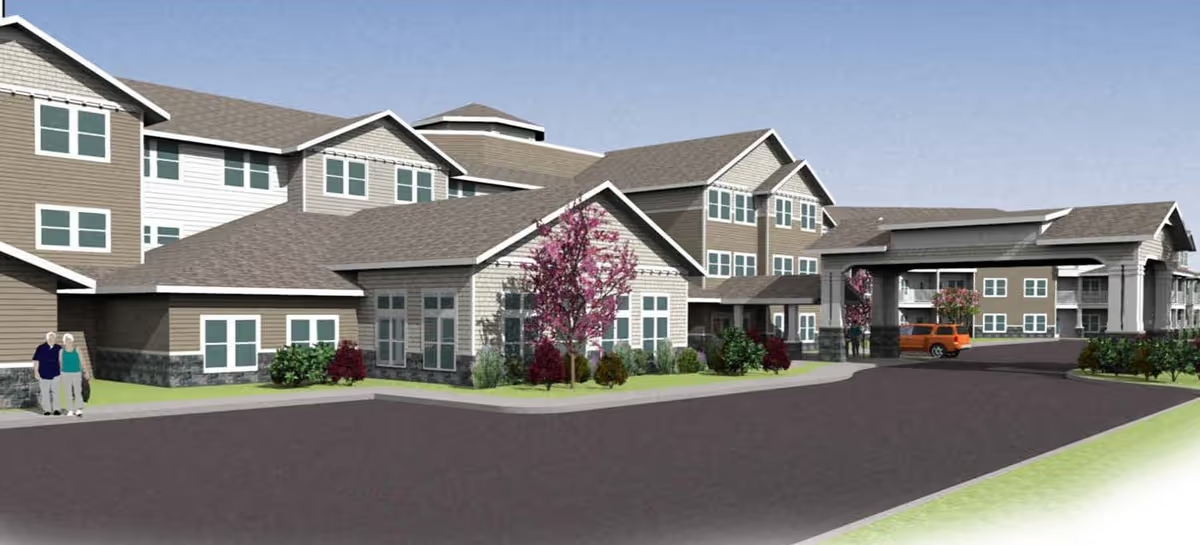
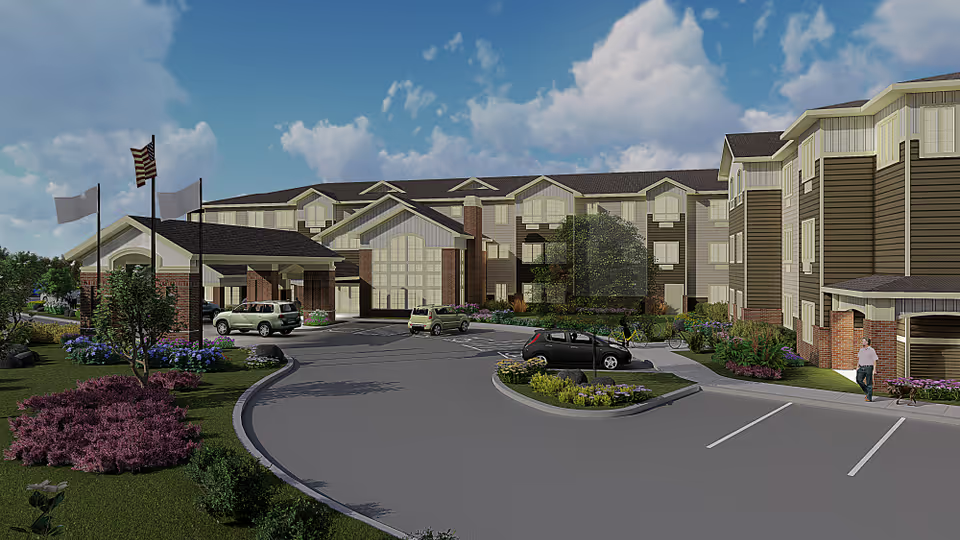
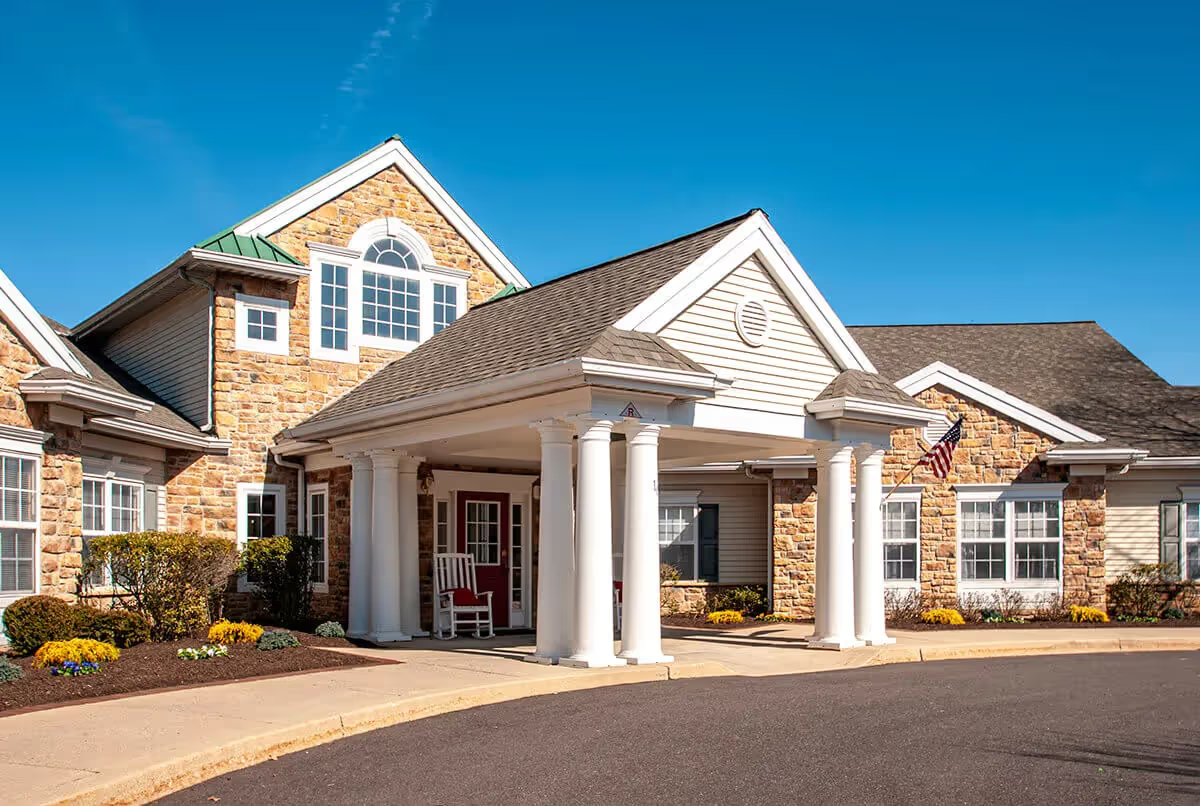
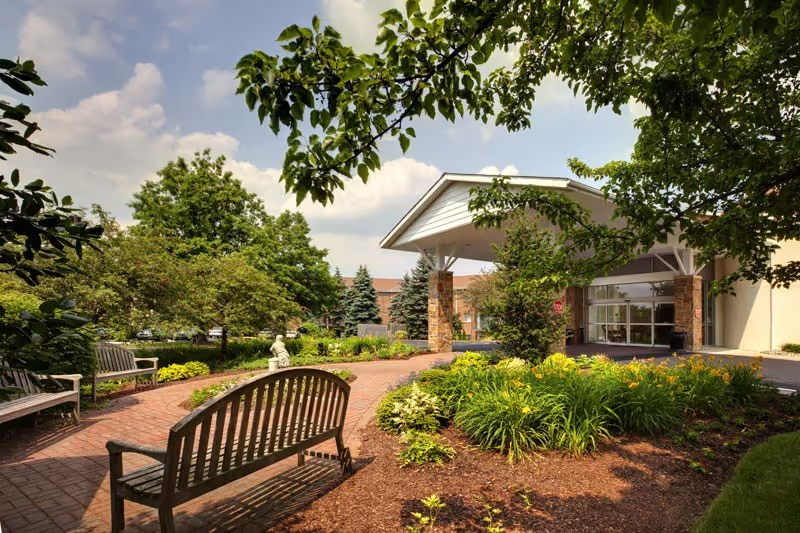
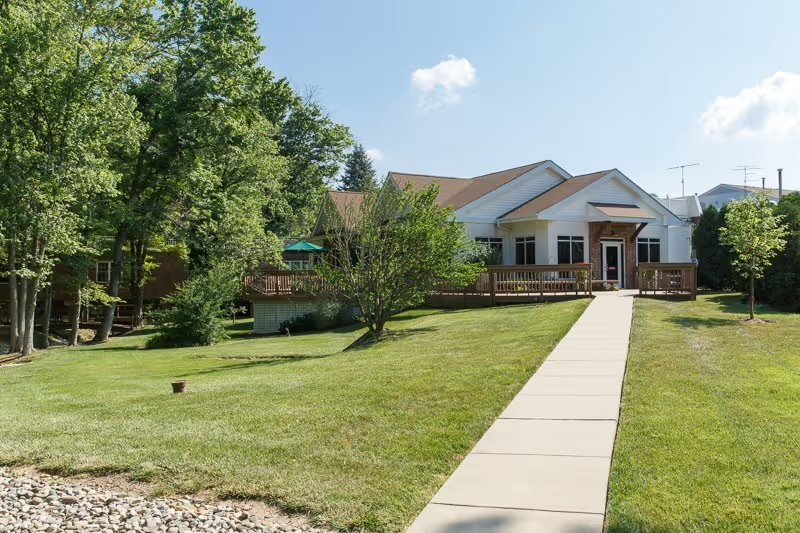
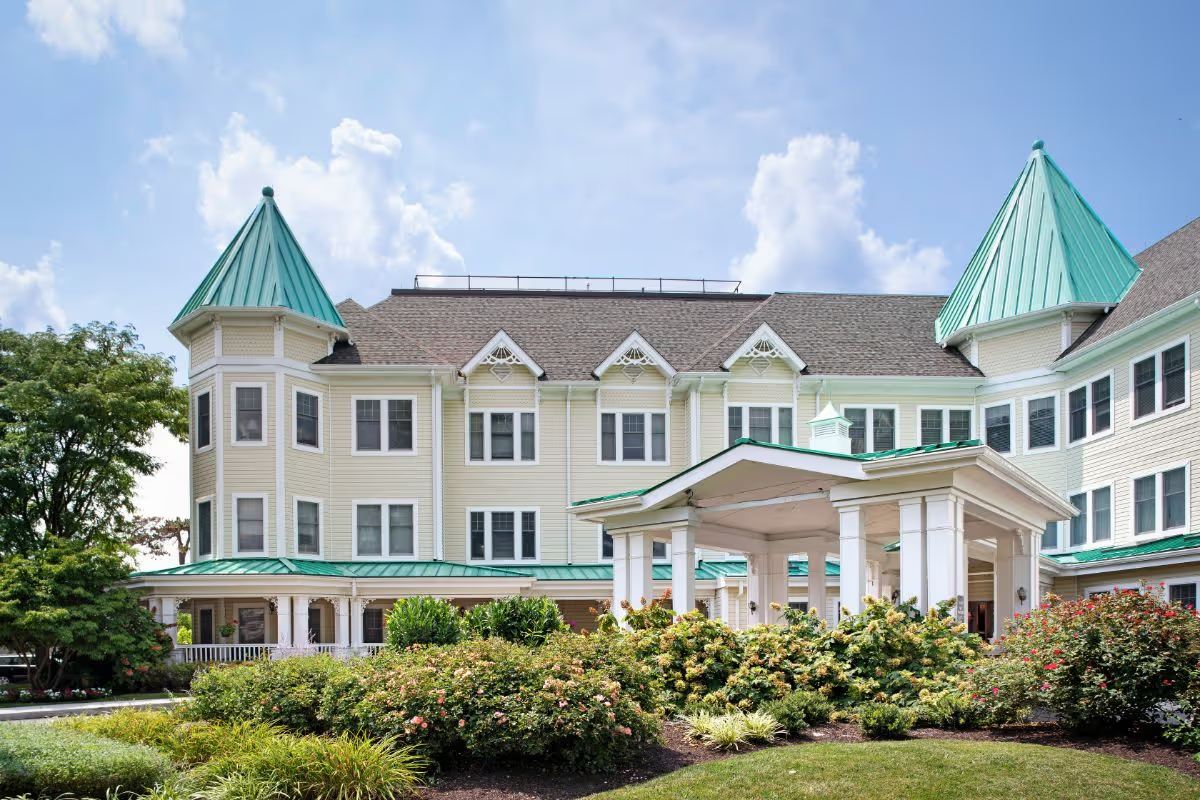
Facilities and environment: Multiple reviewers describe infrastructure problems—intermittent air-conditioning, water leaks, mold concerns, aging or damaged furnishings, and visible need for renovation. Room configurations and capacity are another recurring issue: reports indicate crowded rooms and limited privacy in some units. Locked-entry practices and some interior security measures were described as creating a restrictive atmosphere by some families. These physical and environmental concerns can materially affect comfort and perceived safety.
Management and notable patterns: Administrative impressions vary. Several reviewers commend admissions, front-desk responsiveness, and managers who address concerns; others describe inconsistent leadership messaging, contradictions about ownership/management changes, and limited follow-through on complaints. There are also serious individual allegations—including theft and misconduct—that warrant direct inquiry; prospective families should review state inspection reports and ask the facility for documentation and resolution actions when raising such topics. Overall, the pattern suggests uneven operational oversight: strengths in certain teams and processes coexist with systemic weaknesses in maintenance, staffing, and incident management.
Recommendation: Harborview appears to offer strong rehabilitation and activity programs with engaged clinical staff in many cases, so it may be appropriate for short-term rehab or respite placements where therapy and social engagement are priorities. For long-term placement, families should conduct an in-person tour, request current staffing ratios, review recent state inspection and incident records, ask about call-bell response metrics, privacy options (room configurations and bathroom locks), maintenance plans (HVAC, mold remediation), medication-safety protocols, and procedures for handling allegations or missing property. Those steps will help validate whether the areas of concern cited in reviews have been addressed and whether the facility’s strengths align with a prospective resident’s needs.