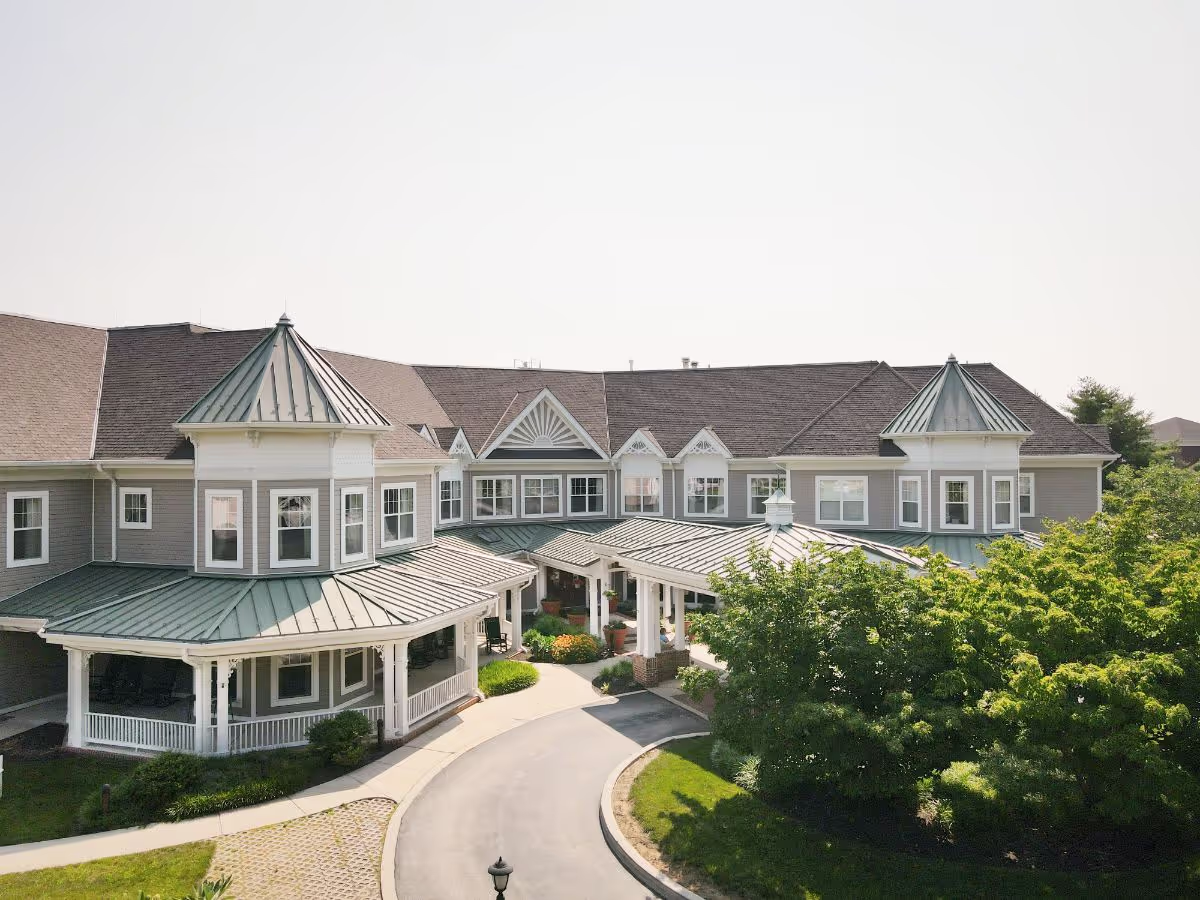
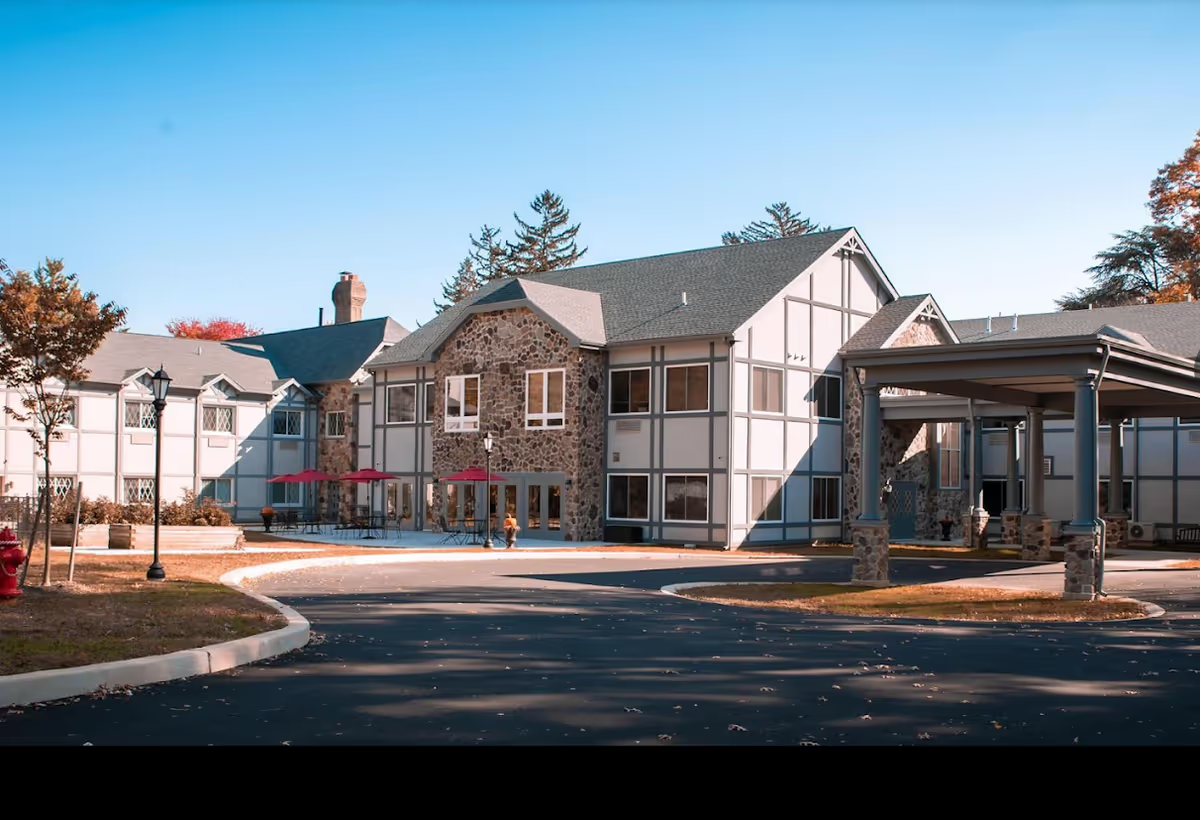
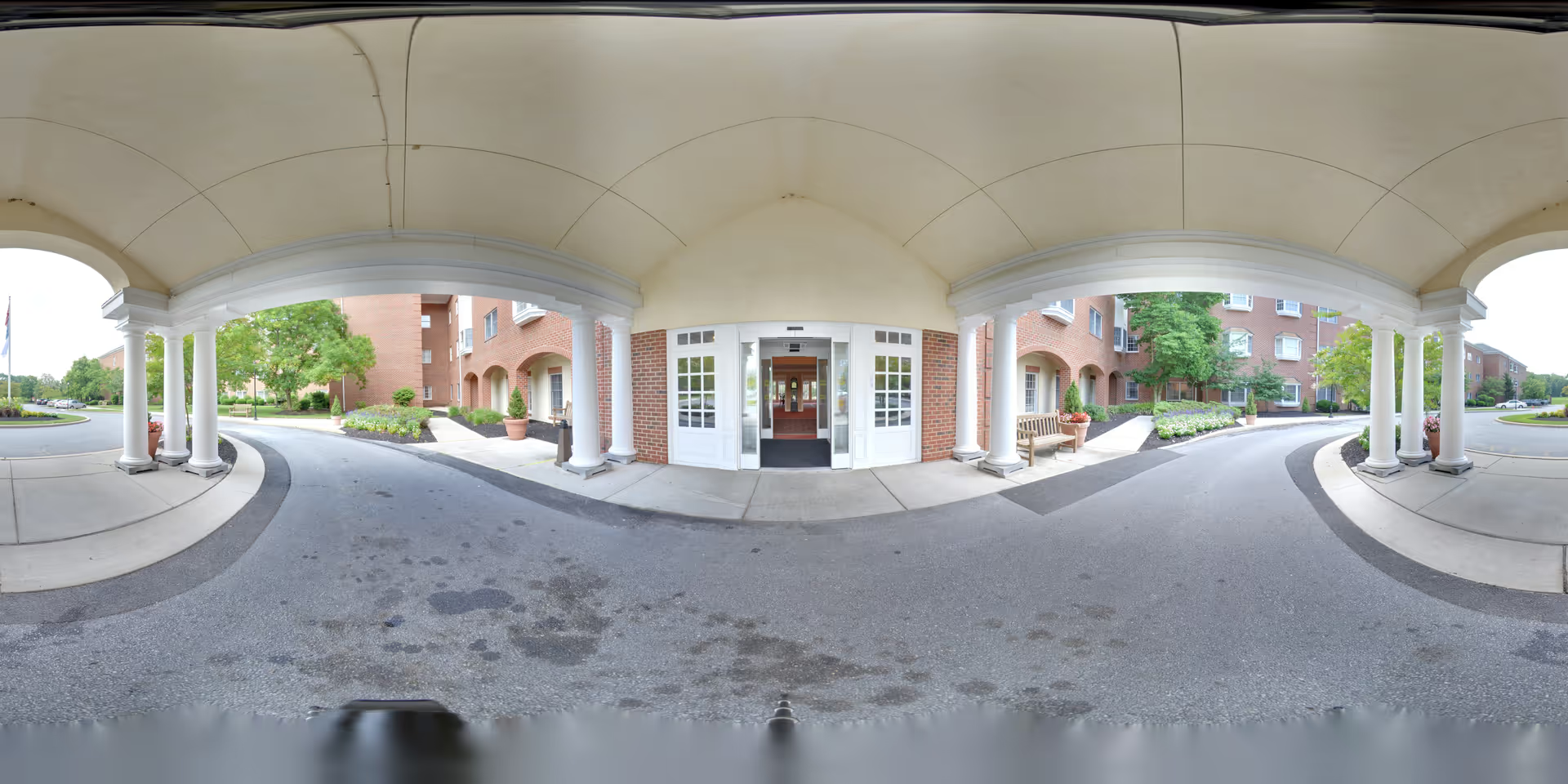
Fair Acres Geriatric Center elicits strongly mixed impressions. Many families praise the facility for attentive, compassionate caregiving, frequent family communication, and strong end-of-life support; several reviewers specifically highlighted effective physical/occupational therapy and hospice teams. The campus and exterior grounds are commonly described as clean and well maintained, with some rooms offering pleasant campus views. The facility is large and resource-rich, accepts Medicaid, and is often viewed as a cost-competitive option compared with private-pay alternatives.
Care quality and staffing present a divided picture. Numerous accounts emphasize respectful, engaged nurses and aides who provide regular updates and timely clinical attention, and long-tenured admissions suggest continuity for some residents. At the same time, persistent concerns about understaffing, variable staff conduct, and inconsistent responsiveness recur across feedback. Those concerns manifest as delayed attention, perceived gaps in clinical follow-through, and uneven resident experiences from one unit or shift to another. Families seeking placement should confirm current staffing ratios and shift coverage during a tour.
Dining, activities, and therapy are similarly mixed. Several reviewers praised therapy services, recreational programming (bingo, crafts, game rooms, student interactions, prayer groups), and active social offerings that support resident engagement. Others described inconsistent meal quality and problematic dietary operations, including sanitation and pest-control concerns in food-preparation areas and unfriendly interactions with some dietary staff. Prospective families should ask about menu rotation, staffing in dietary services, and how dietary concerns are tracked and addressed.
The physical environment combines strengths and limitations. Reviewers frequently note clean exterior spaces and well-maintained building exteriors, but many also describe an institutional or hospital-like interior, small shared rooms, and limited privacy due to multi-bed rooms and shared bathrooms. As a large, high-rise county facility with hundreds of residents, Fair Acres can feel busy and less intimate than smaller homes; however, the facility’s scale also enables a broad slate of activities and services.
Management and operations show important variability. Positive accounts describe organized admissions, regular communication from clinical teams, and thoughtful end-of-life coordination. Critical feedback points to administrative disorganization, inconsistent customer service, and weaknesses in oversight — including training gaps, access-control issues, and, in some cases, allegations of theft and other misconduct. These operational weaknesses appear linked to staff morale and turnover in some reports.
Overall, Fair Acres may suit families prioritizing comprehensive clinical services, therapy programs, robust activities, and a more affordable, county-run option. At the same time, the facility presents operational risks that warrant careful due diligence: verify staffing patterns, ask about infection-control and pest-management records, review dining and dietary oversight, inspect room layouts for privacy, and inquire how the facility investigates and resolves concerns about staff conduct or personal-item security. A guided tour that includes speaking with current families and direct observation of multiple shifts will help determine whether the facility’s strengths align with an individual resident’s needs.