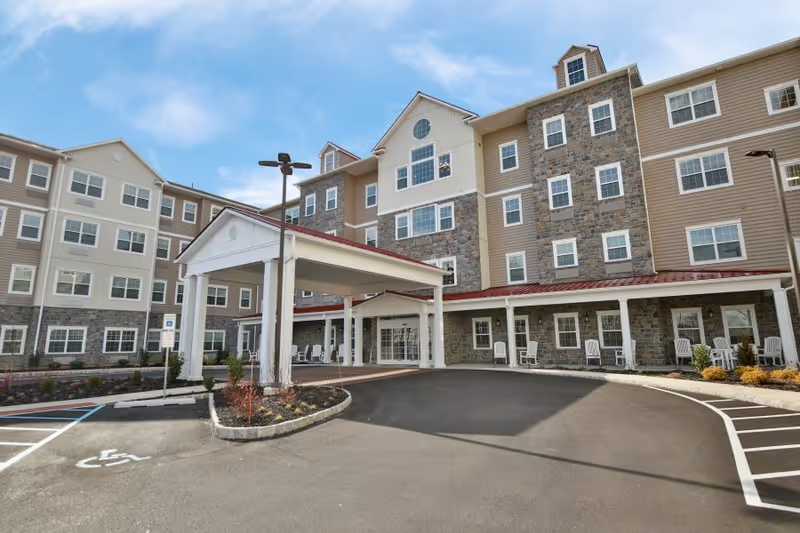
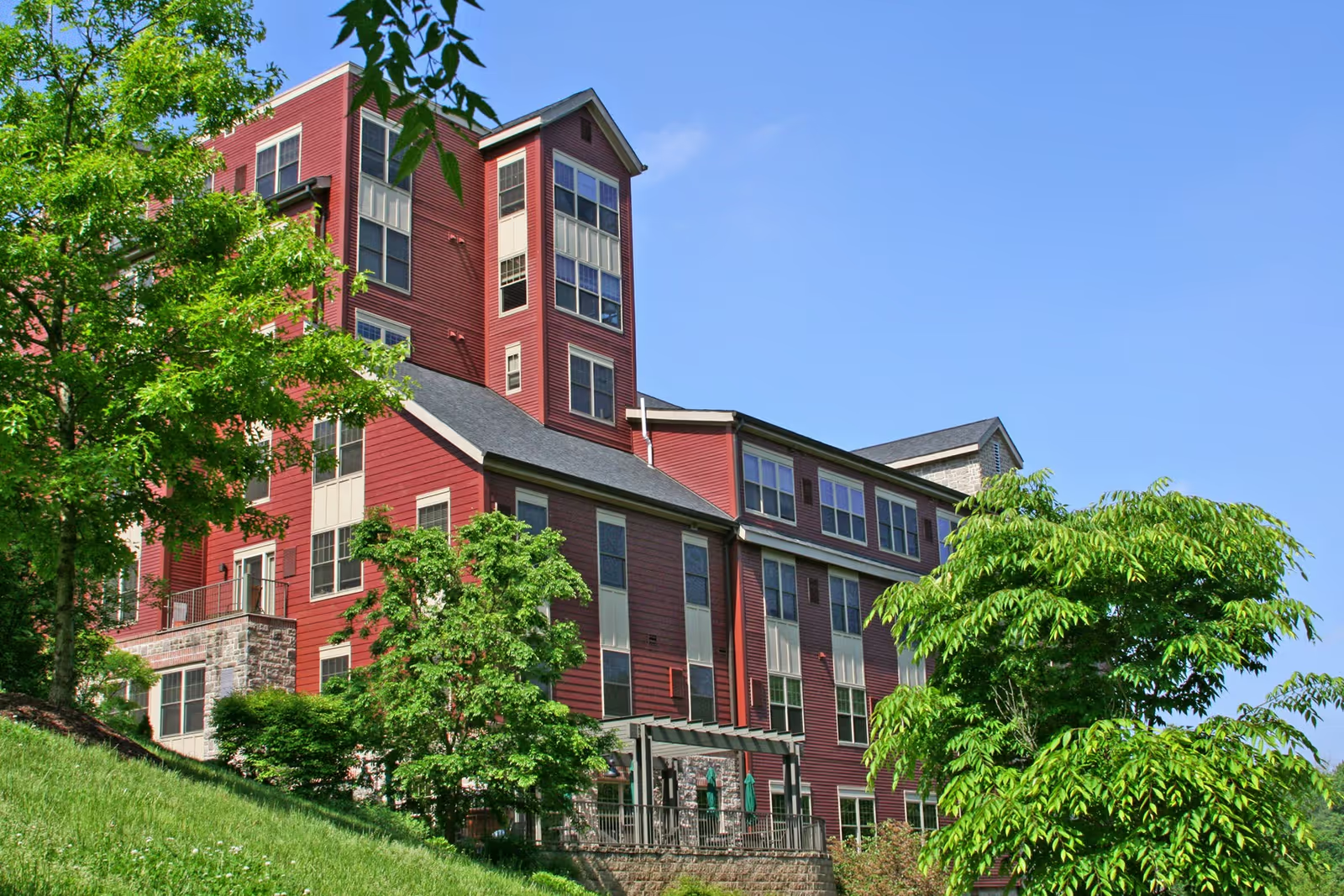
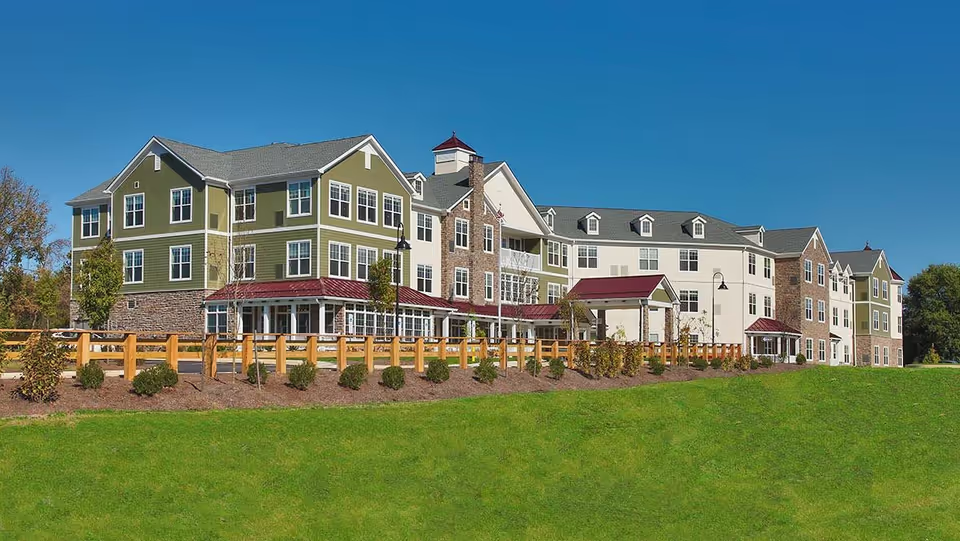
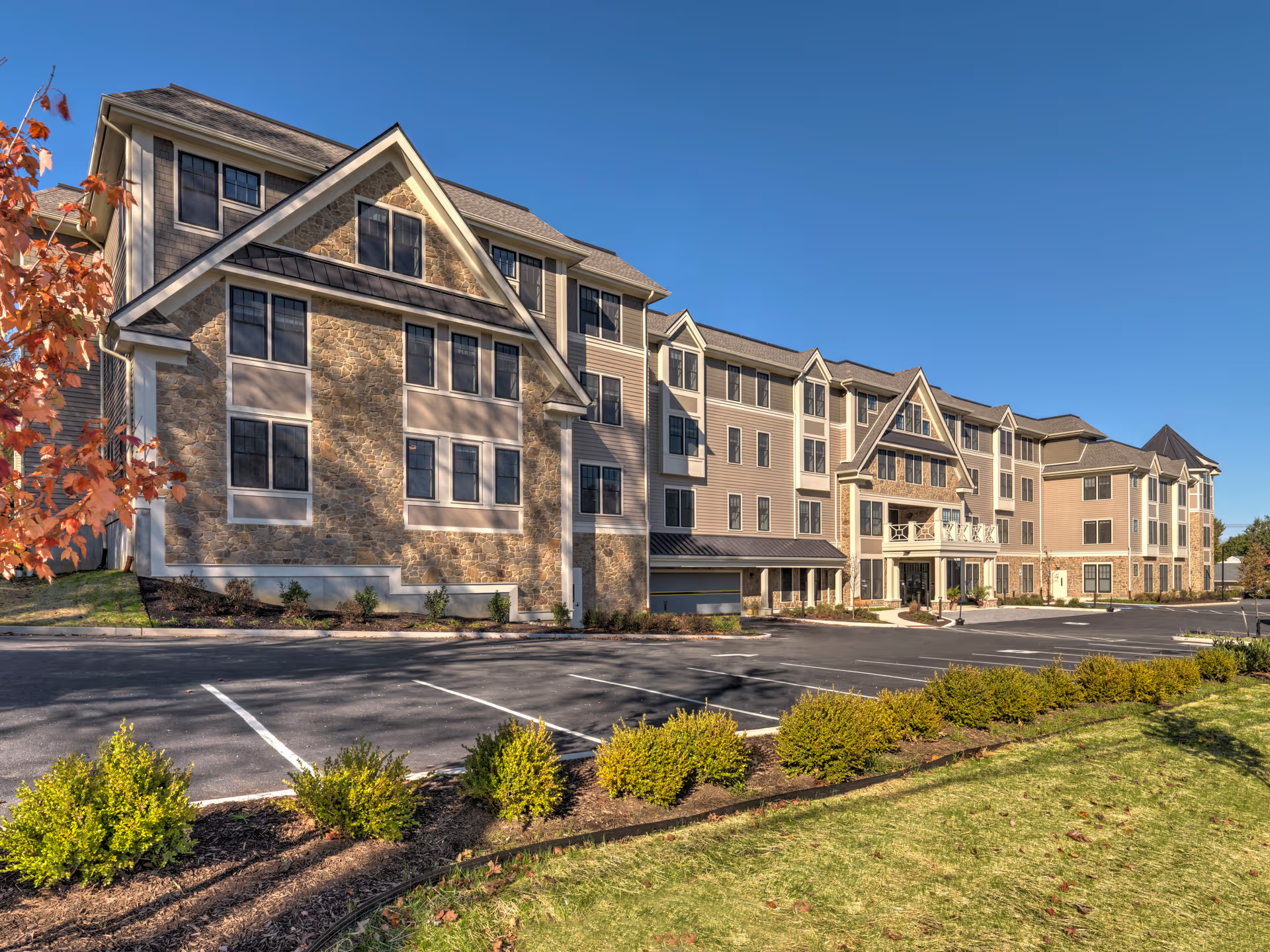
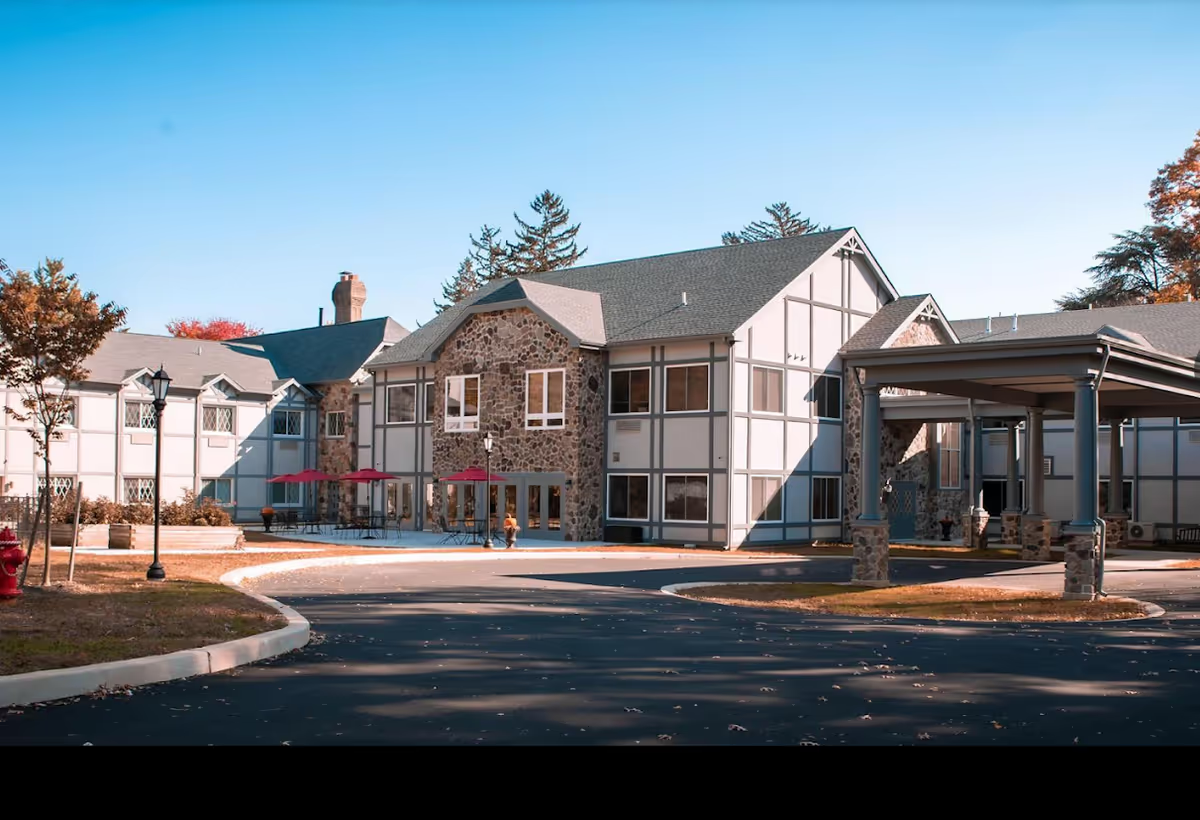
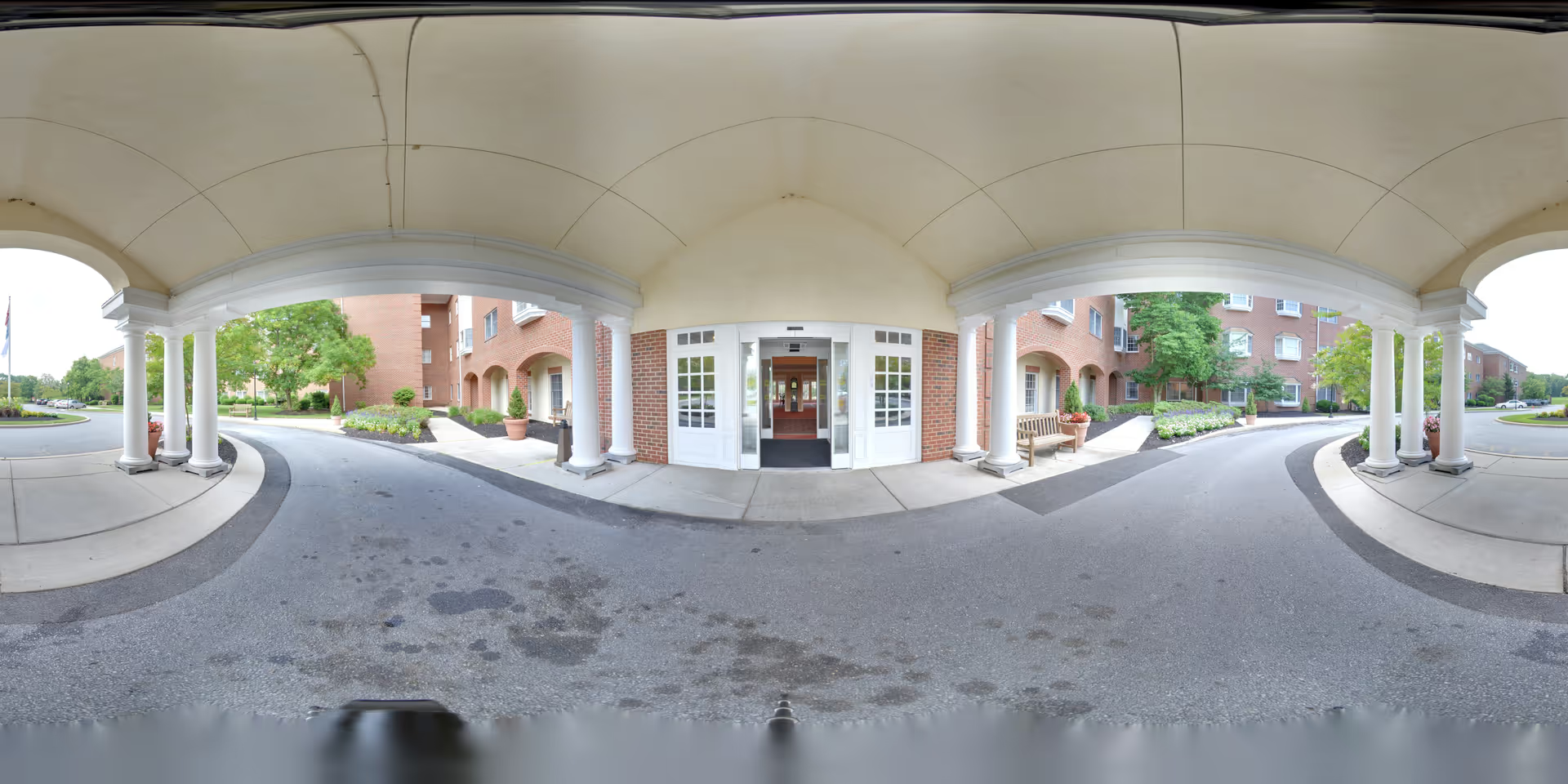
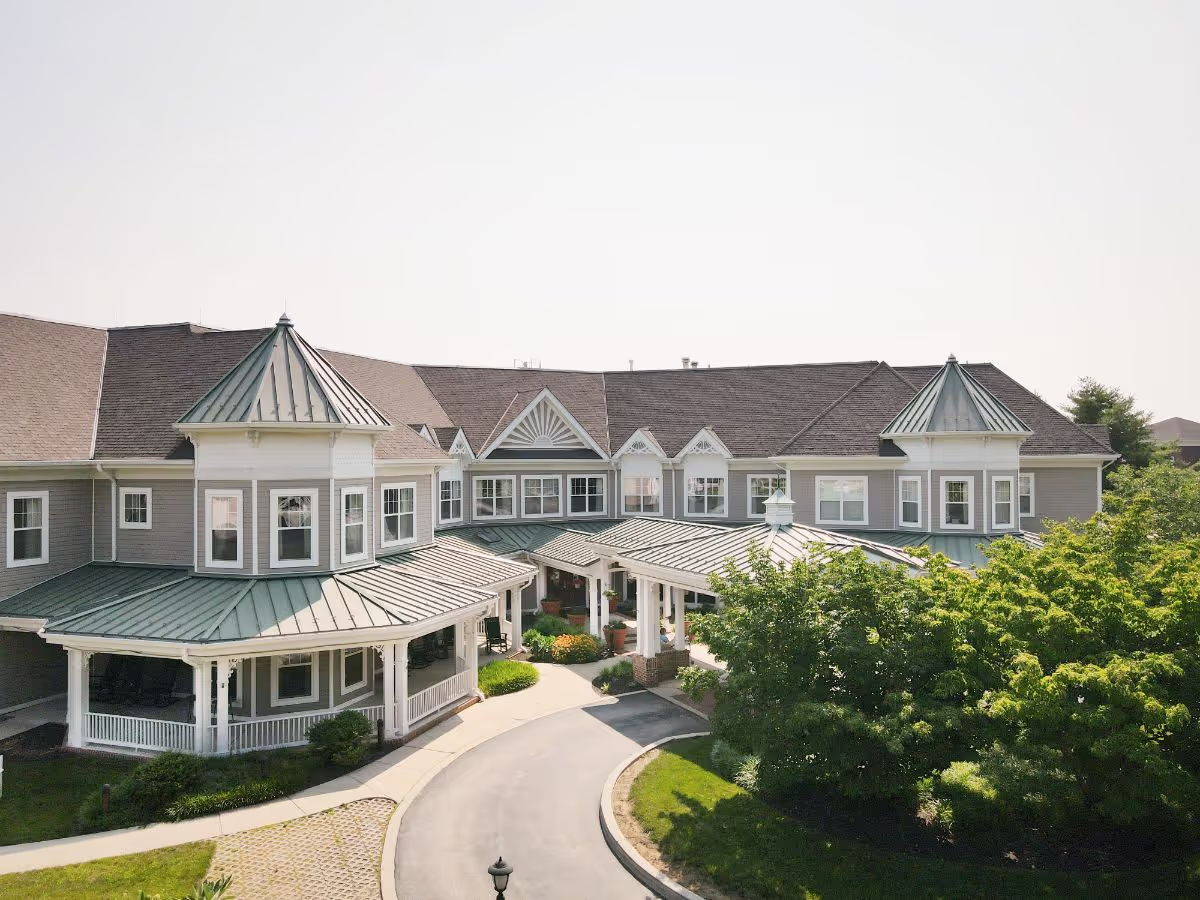
Riddle Village LifeCare Retirement Community elicits a mixed but generally positive portrait with clear strengths in residential quality, social programming, and dining. Many reviewers praise spacious, well-appointed apartments and attractive common areas, along with covered walkways, a climate-controlled garage, and an indoor heated pool and fitness center. The campus location near medical facilities and shops, plus life-care provisions and on-site medical/therapy services, are cited as practical advantages for prospective residents.
Staff and care experience are described in two distinct patterns. A substantial number of comments emphasize compassionate, friendly staff; attentive nursing and therapy; effective housekeeping; and proactive maintenance. Social workers and admissions staff are often characterized as helpful, and several families noted smooth transitions from admission through discharge. At the same time, there are recurring operational concerns: inconsistent responsiveness to personal-care needs, staffing and training gaps that affect clinical oversight, and uneven follow-up and family communication after incidents. Reviewers raised sanitation and cleanliness inconsistencies in some rooms and common areas and noted intermittent failures in device support or laundry handling. These issues suggest variability in day-to-day care delivery rather than uniform performance.
Dining and activities are consistent strengths. Multiple dining rooms, made-to-order meal options, and an overall high-quality food program are frequently mentioned. The activity calendar appears robust—exercise classes, trips, movies, stage entertainers, volunteer committees, and routine social events contribute to an engaged resident population. Families commonly describe residents as socially active and appreciative of the entertainment and programming.
Management and governance present a blend of positive operational responsiveness and notable concerns. Many reviewers commend management for timely issue resolution and an open-door approach; others raise worries about admissions practices, assessment accuracy, and financial pressures influencing policy. There are serious individual claims—including alleged staff financial misconduct and restrictive-safety practices—that reviewers flagged as significant. These items appear less frequent but are important for prospective families to investigate further through direct questions, review of facility policies, and consultation of regulatory records.
Practical facility-level weaknesses to consider during a tour include climate-control reliability in resident rooms, campus wayfinding, the consistency of cleaning and incontinence-related care, and the facility’s incident-response and communication protocols. External vendors also noted occasional billing and payment-processing delays. Prospective residents and families should balance the facility’s clear strengths in living environment, dining, and social programming against these operational variability signals, and seek specific documentation and in-person observation (staffing levels, response times, sanitation practices, restraint policies, and financial controls) before making a placement decision.