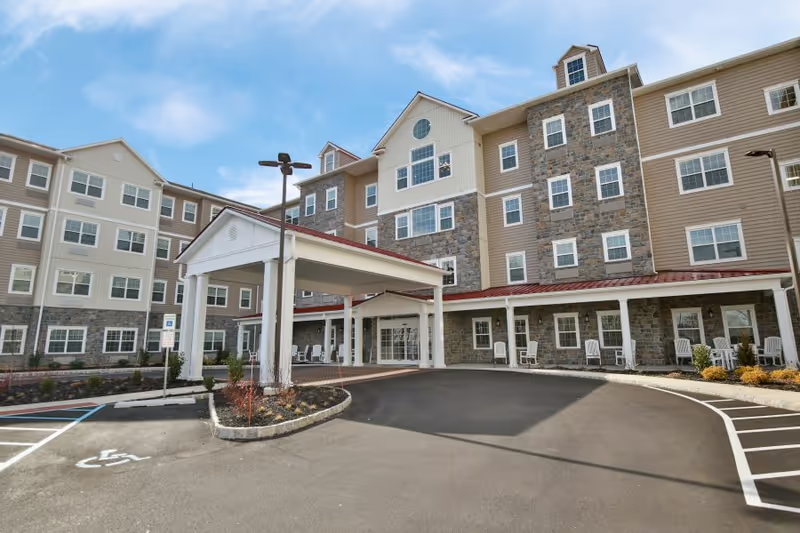
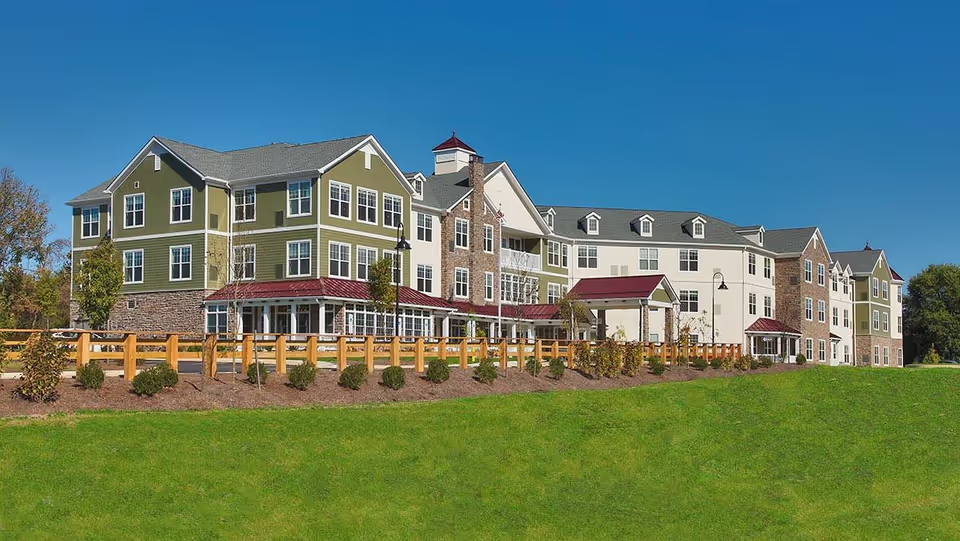
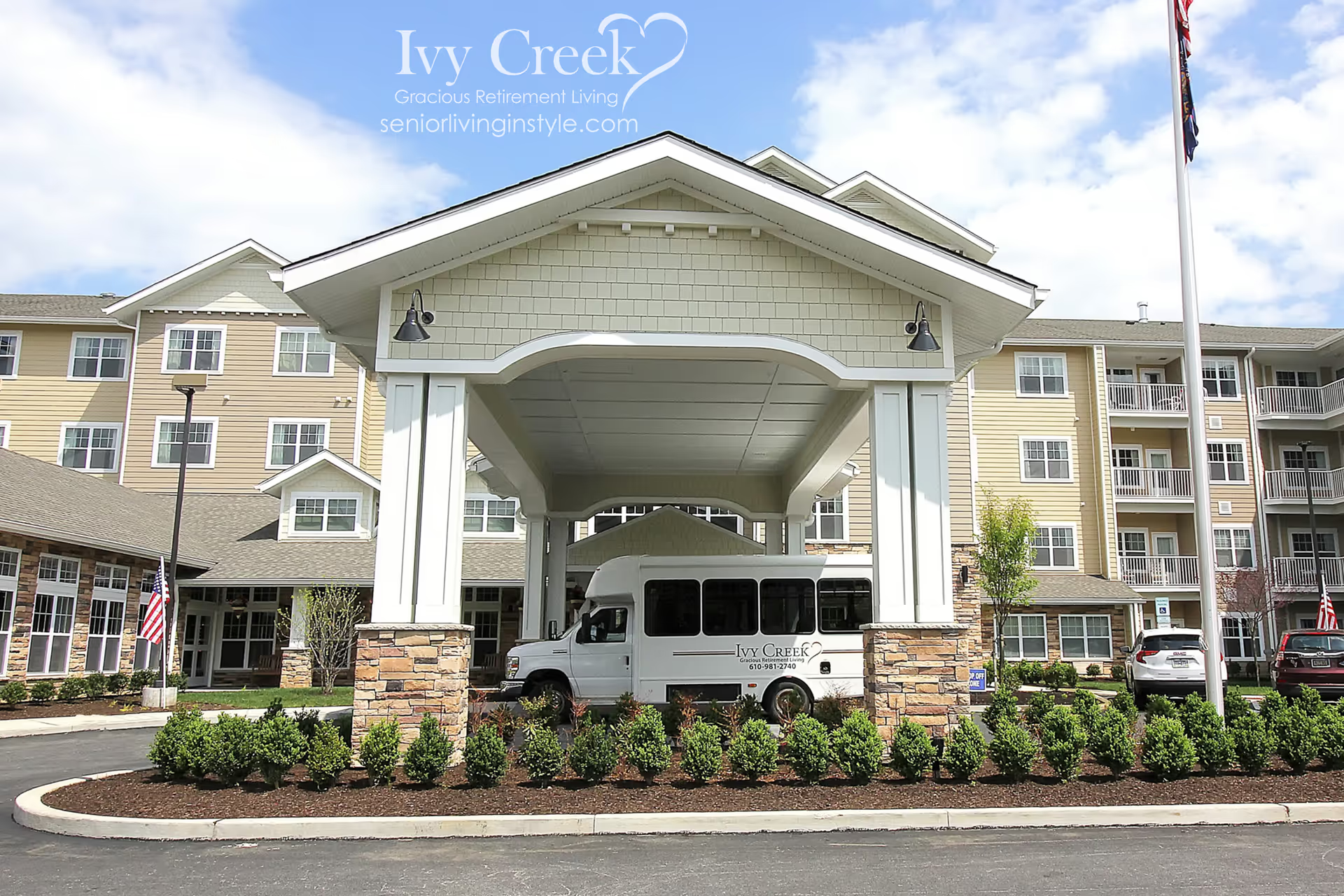
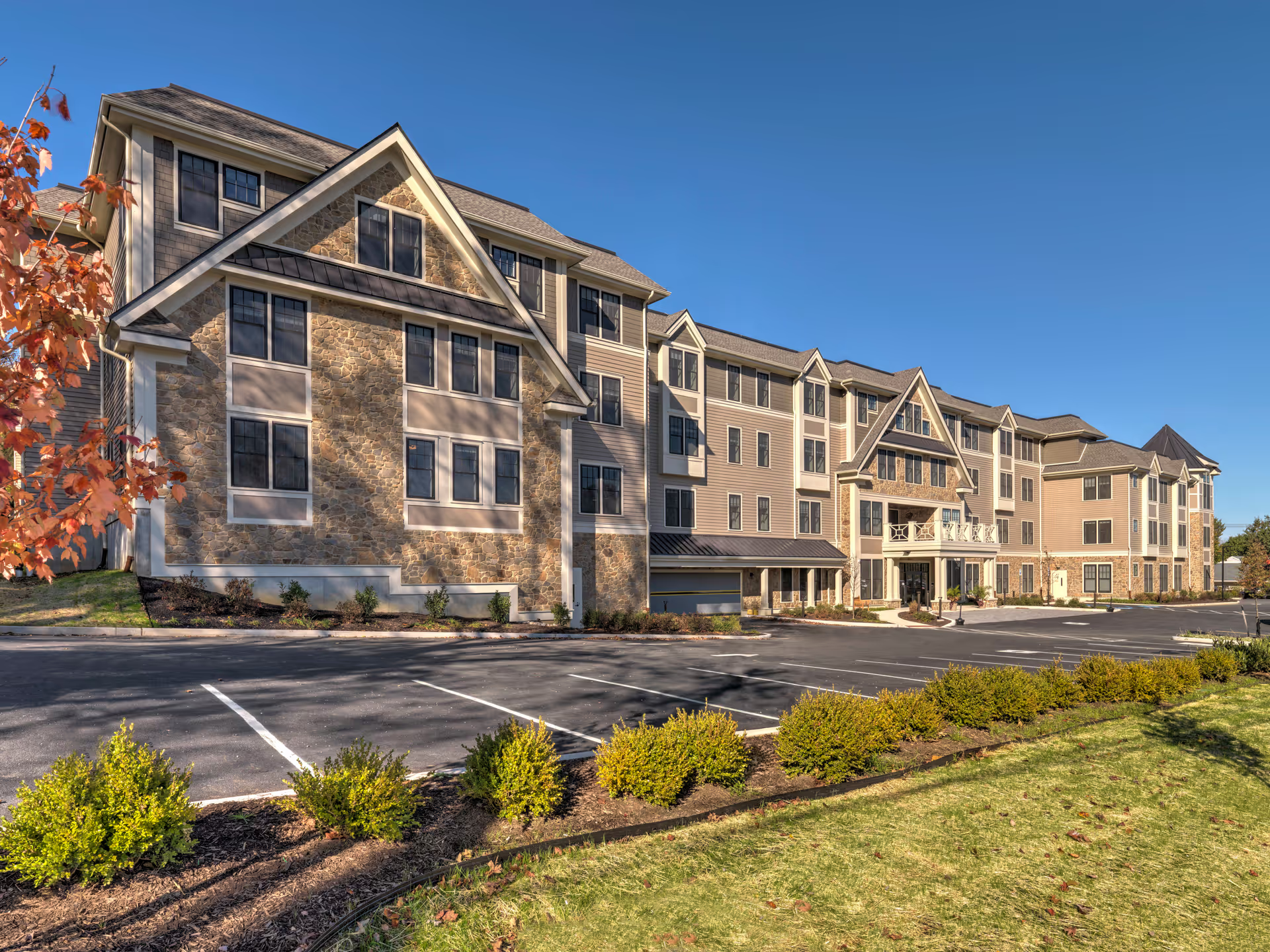
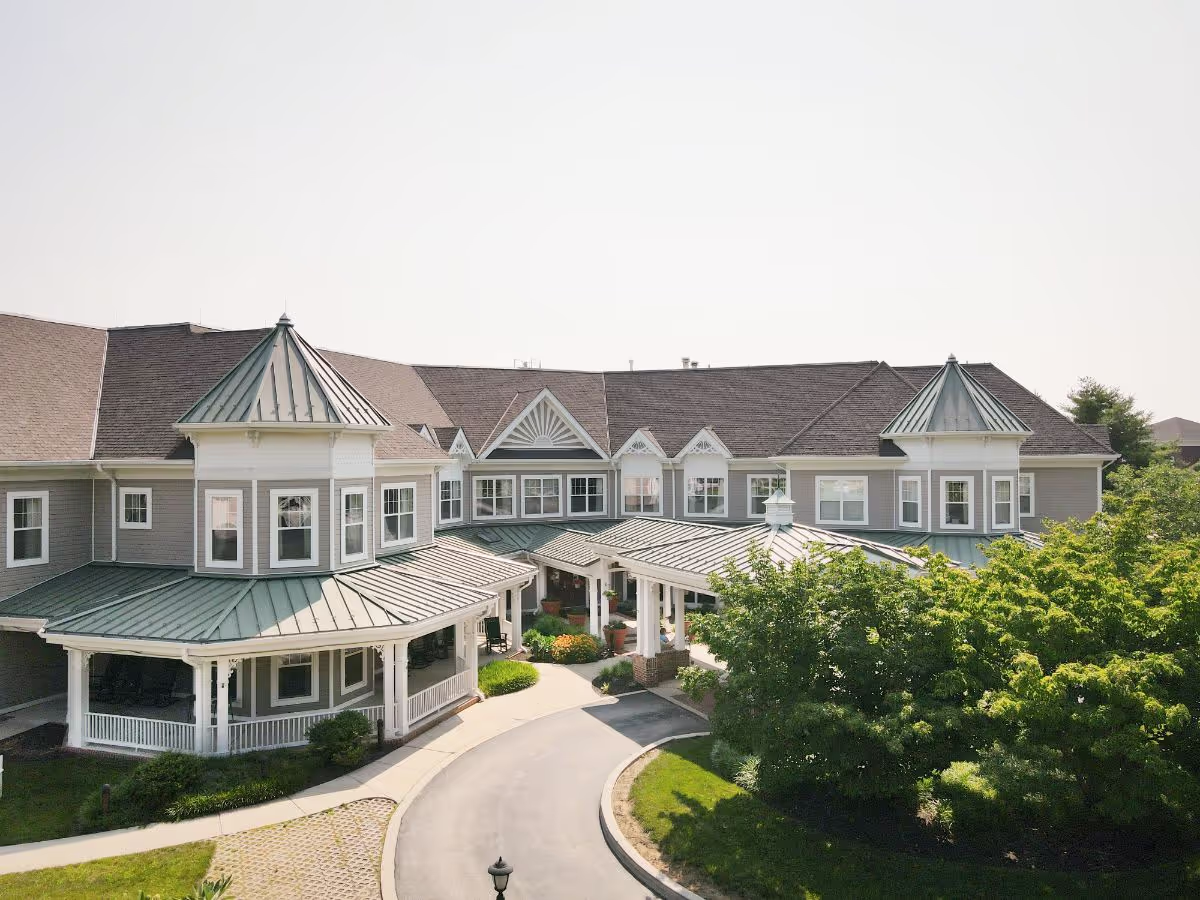
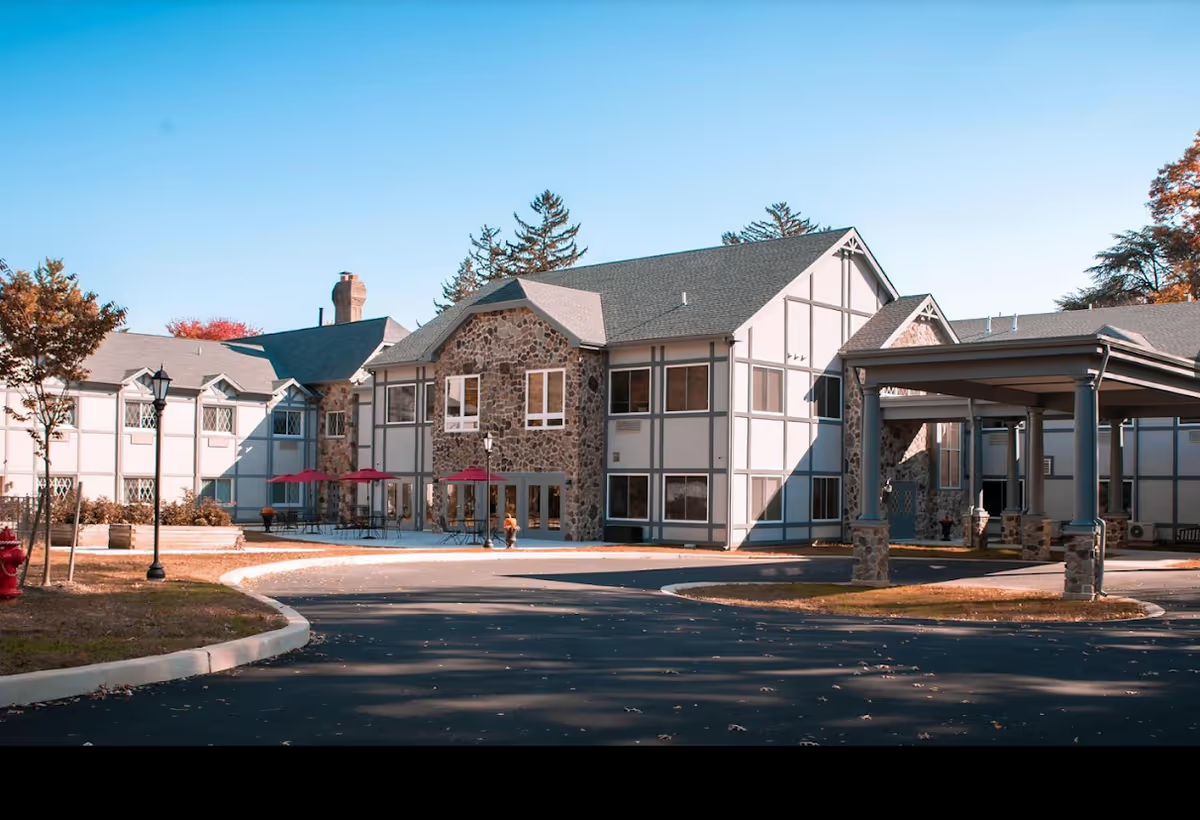
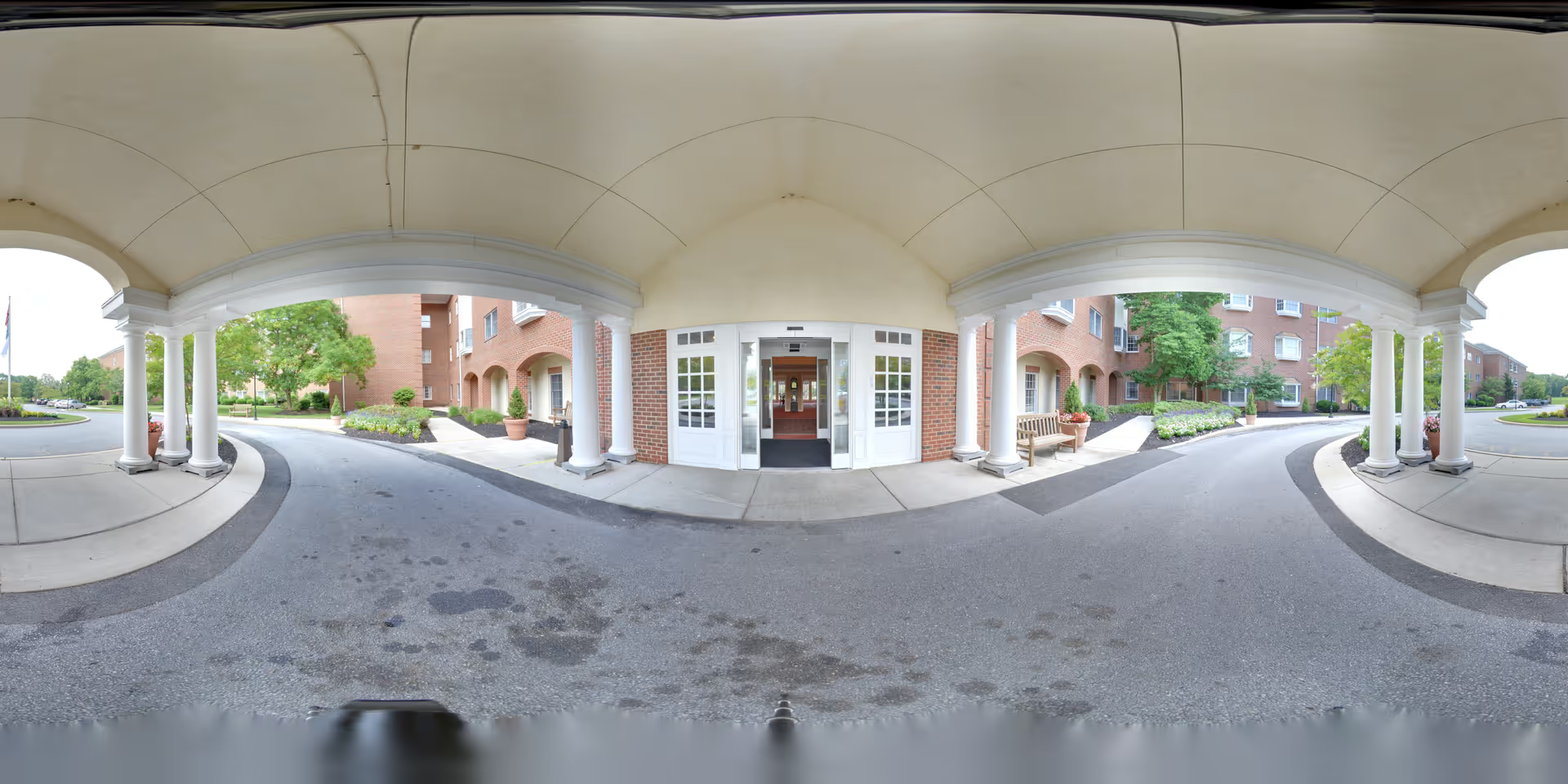
Overall impression: Sunrise of Granite Run is described by many families as a clean, attractive, apartment-style assisted living community with an active calendar and a generally warm, home-like atmosphere. Reviewers commonly praise friendly, attentive caregivers, visible management involvement, on-site clinical resources (doctor, hospice, therapy), and a variety of social programs and outings. The setting — including sunrooms, porches, a large TV/viewing room, and well-kept grounds — is frequently cited as a strength, as are private-bedroom/shared-common-area apartment layouts that support resident privacy and social interaction.
Care quality and staffing: Experiences with direct care and nursing are mixed. Numerous accounts highlight compassionate, responsive aides and long-tenured staff who establish rapport and provide consistent updates to families. At the same time, there are recurring concerns about inconsistent staffing levels and variable performance across shifts and units. These workforce inconsistencies are most pronounced in the memory-care sections, where reviewers describe gaps in supervision and care continuity. Several comments point to delays in attending to resident needs, uneven adherence to bathing and laundry schedules, and variability in how well higher-acuity residents are supported. The reviews suggest clearer expectations around staffing ratios, night/weekend nurse coverage, and dementia-specific training would help address variability.
Clinical oversight and safety: The review pool contains serious clinical concerns alongside positive reports of competent nursing. Positive elements include on-site clinical services, therapy, and responsive management for many incidents. However, patterns inferred from reviews include gaps in clinical oversight (medication management, transfer safety, and fall prevention) and occasional slow incident follow-up and family communication. Families considering the community should ask specific questions about clinical staffing, fall-prevention protocols, medication review processes, and how the community escalates and documents clinical incidents.
Dining and activities: Dining and programming are consistent strengths for many residents. The community offers varied meal choices, accommodates special diets, and maintains a robust activity schedule (morning exercise, crafts, music, bingo, bus trips, and outings). Reviewers praised home-style meals, special-event dining setups, and regular entertainment. Conversely, reviewers also noted operational inconsistencies in the kitchen and dining service — including portion control, missed items, and delays in meal delivery — and occasional staffing shortfalls impacting meal service. Activity engagement tends to be strongest for ambulatory residents, while those with higher care needs or in memory care may have fewer tailored options.
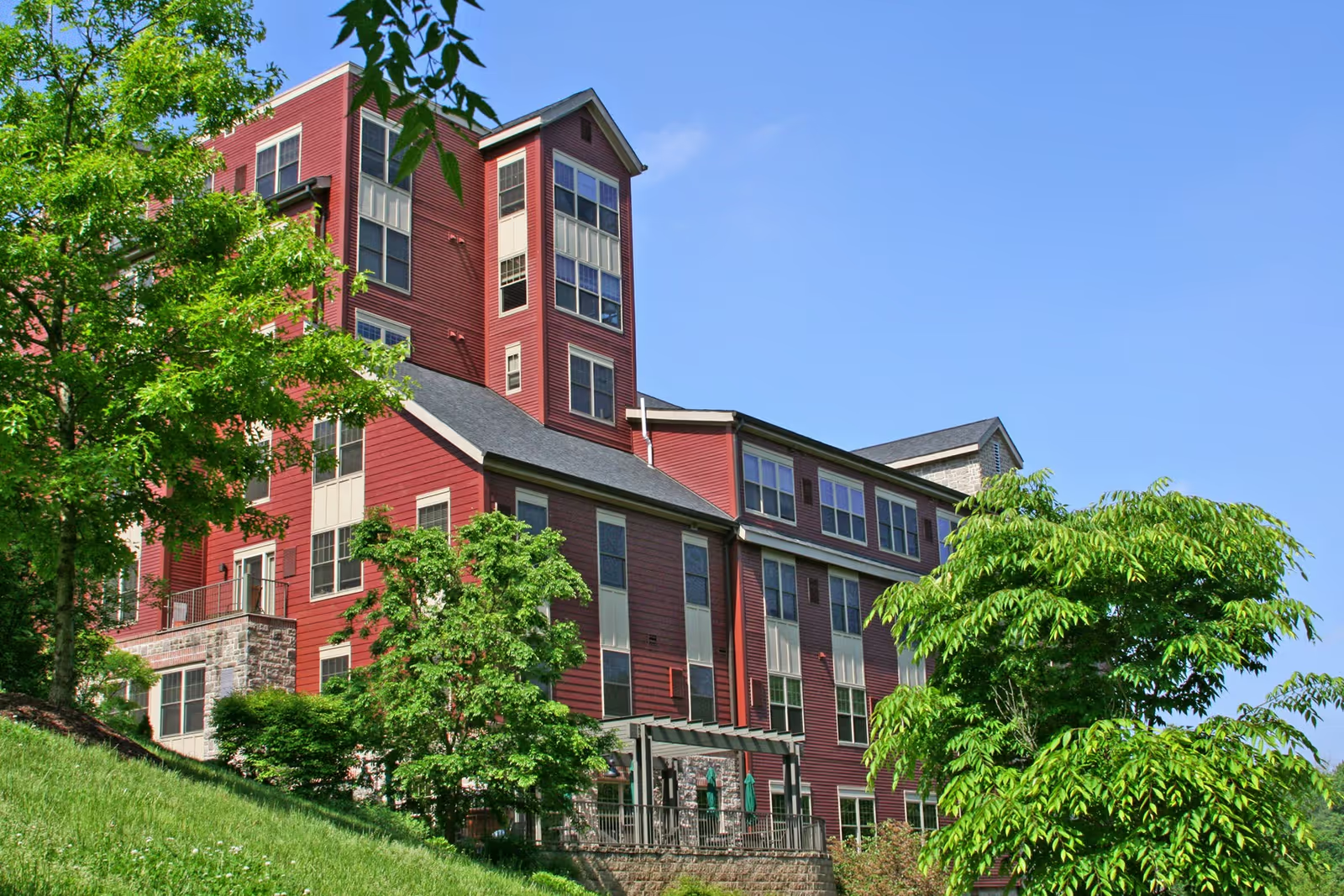
Facilities and environment: The physical environment is often described as attractive, bright, and well-maintained, with a range of apartment sizes, shared living areas, and secure outdoor spaces for memory care. Renovations and furniture updates were noted. Nevertheless, some reviews describe sanitation issues and odor concerns in certain rooms or common areas, and inconsistent housekeeping and laundry follow-through. Prospective families should verify housekeeping frequency, laundry protocols, pest-control practices, and cleaning standards during a visit.
Management, communication, and billing: Many reviewers commend the administrative team for accessibility, weekly updates, and responsiveness to requests. Others, however, describe disconnects between sales or marketing representations and the level of care delivered, as well as complexity and errors in billing and pricing transparency. These contrasts point to inconsistent front-office coordination and occasional breakdowns in follow-through. Visitors should request clear, written explanations of fees, what services are included at each care level, and the process for addressing billing disputes.
Notable patterns and recommendations: The reviews present a polarized pattern: a large portion of families report positive, often excellent experiences with staff, amenities, and social engagement, while a smaller but significant set of accounts raise operational and clinical concerns—particularly around memory care, consistent housekeeping, dining operations, staffing levels, and clinical oversight. For families considering Sunrise of Granite Run, recommended due diligence includes touring the specific unit of interest (including memory care), asking for staff-to-resident ratios by shift, reviewing current housekeeping and laundry schedules, observing meal service during a visit, requesting written clinical and incident escalation policies, and clarifying billing and admission paperwork. These targeted questions can help families assess whether the community’s strengths align with their loved one’s care needs and risk profile.