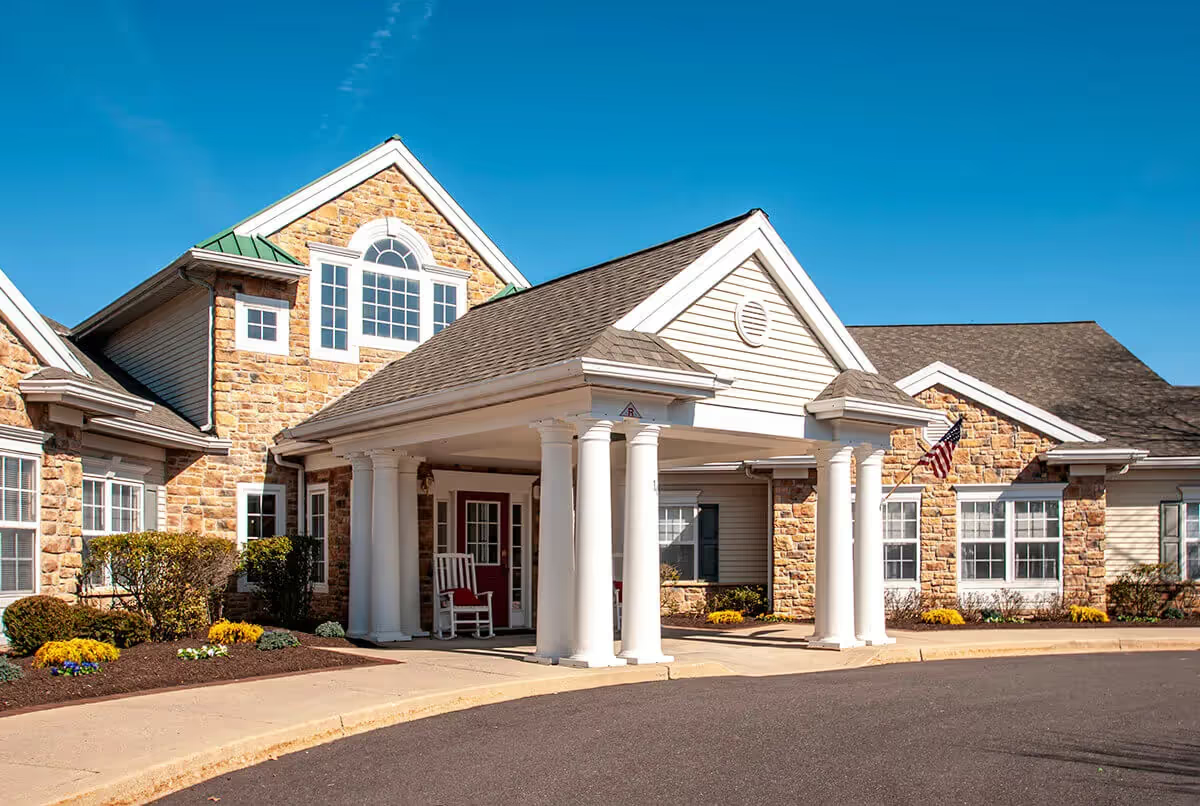
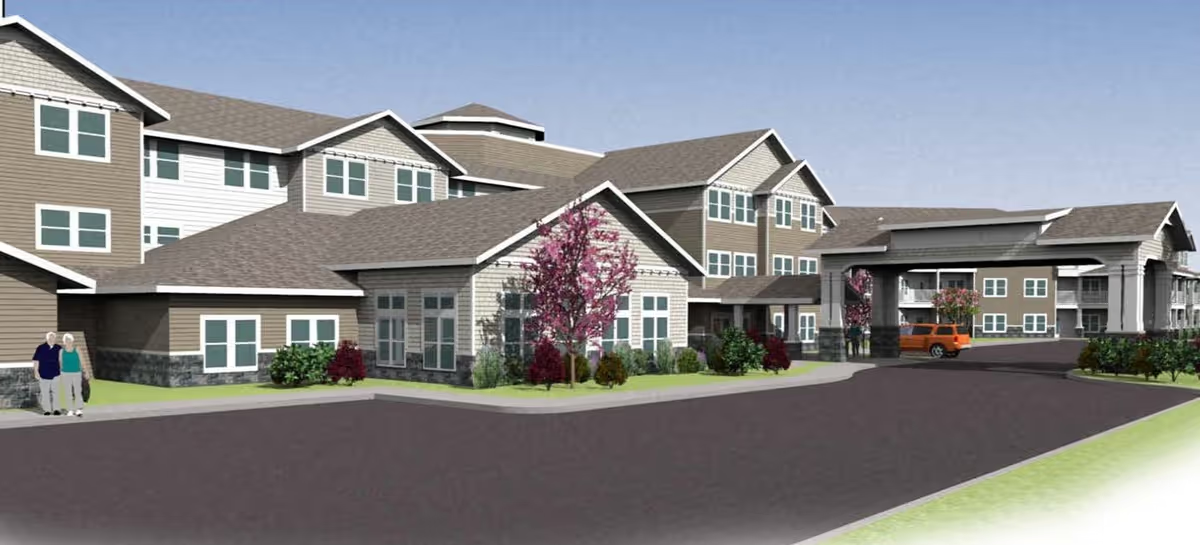
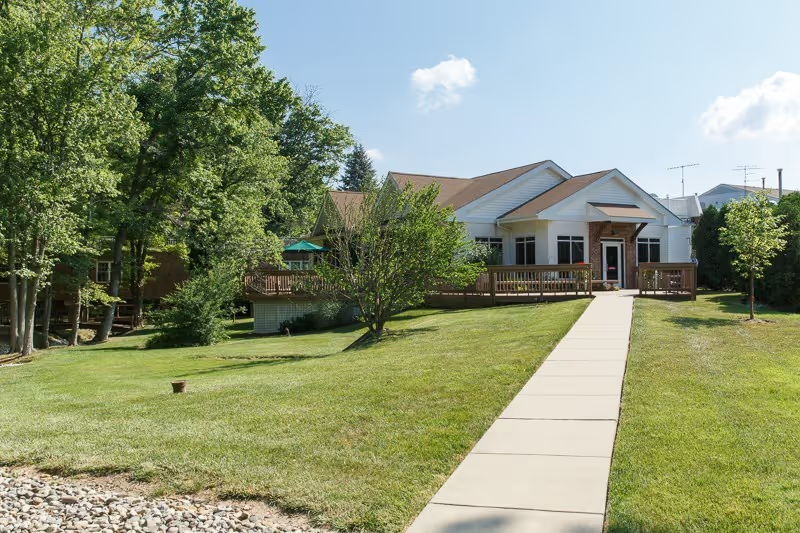
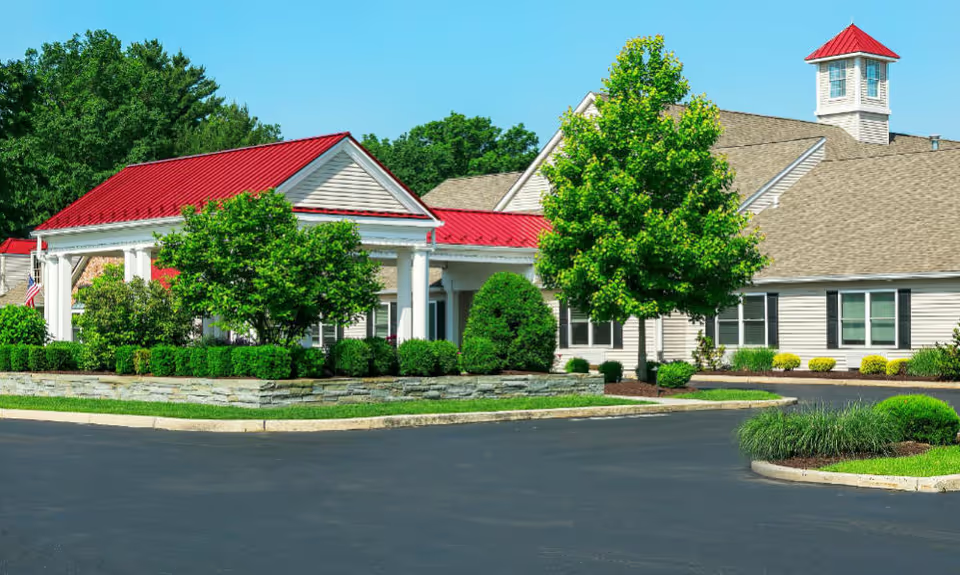
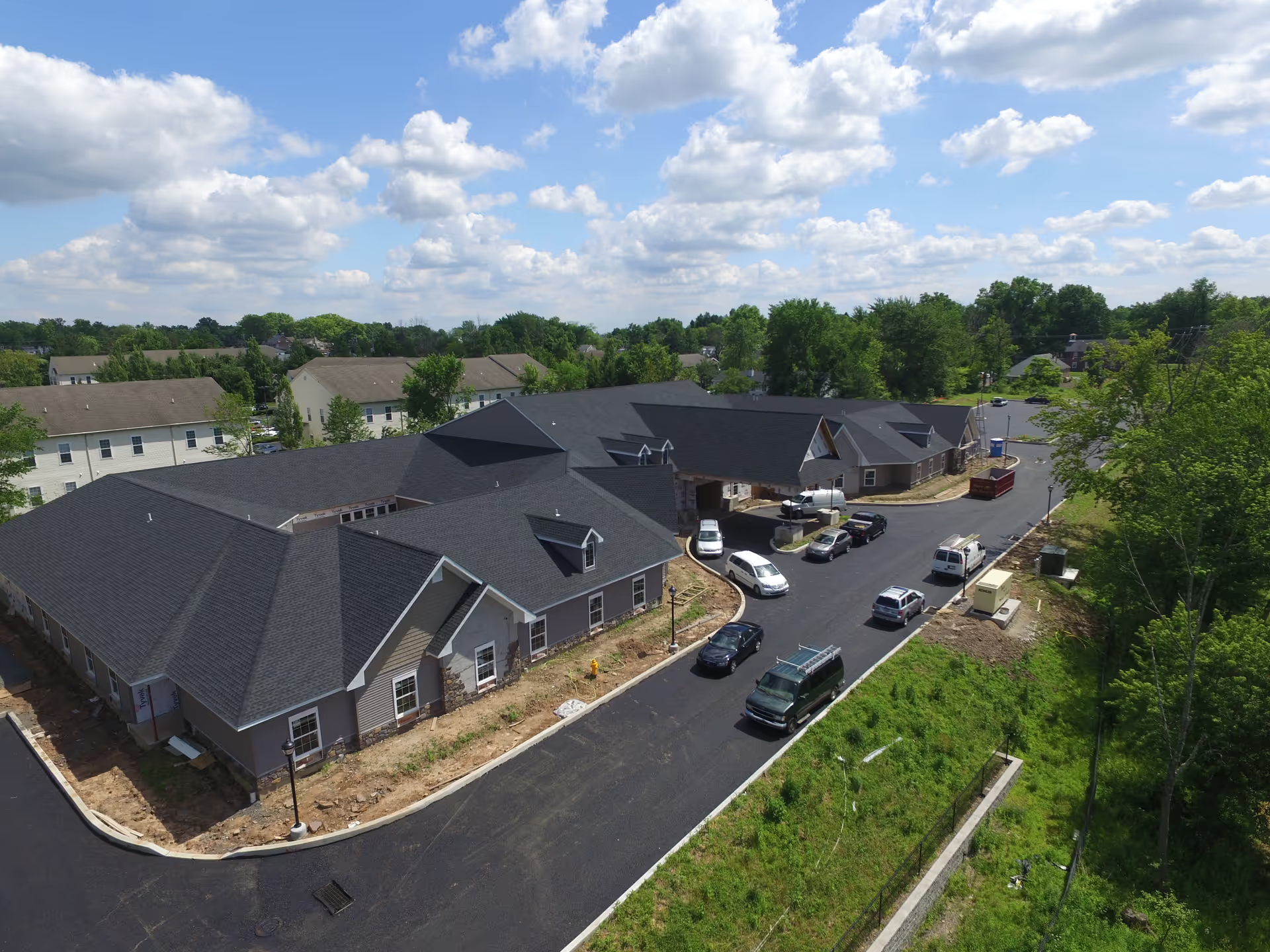
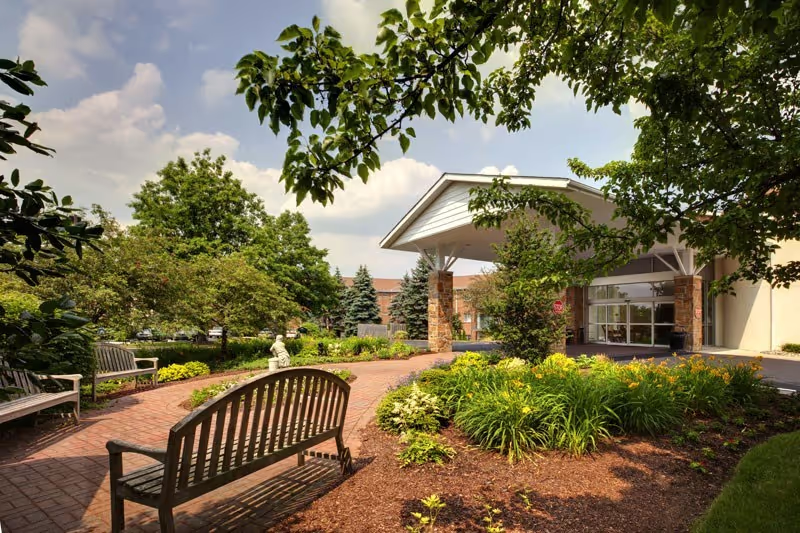
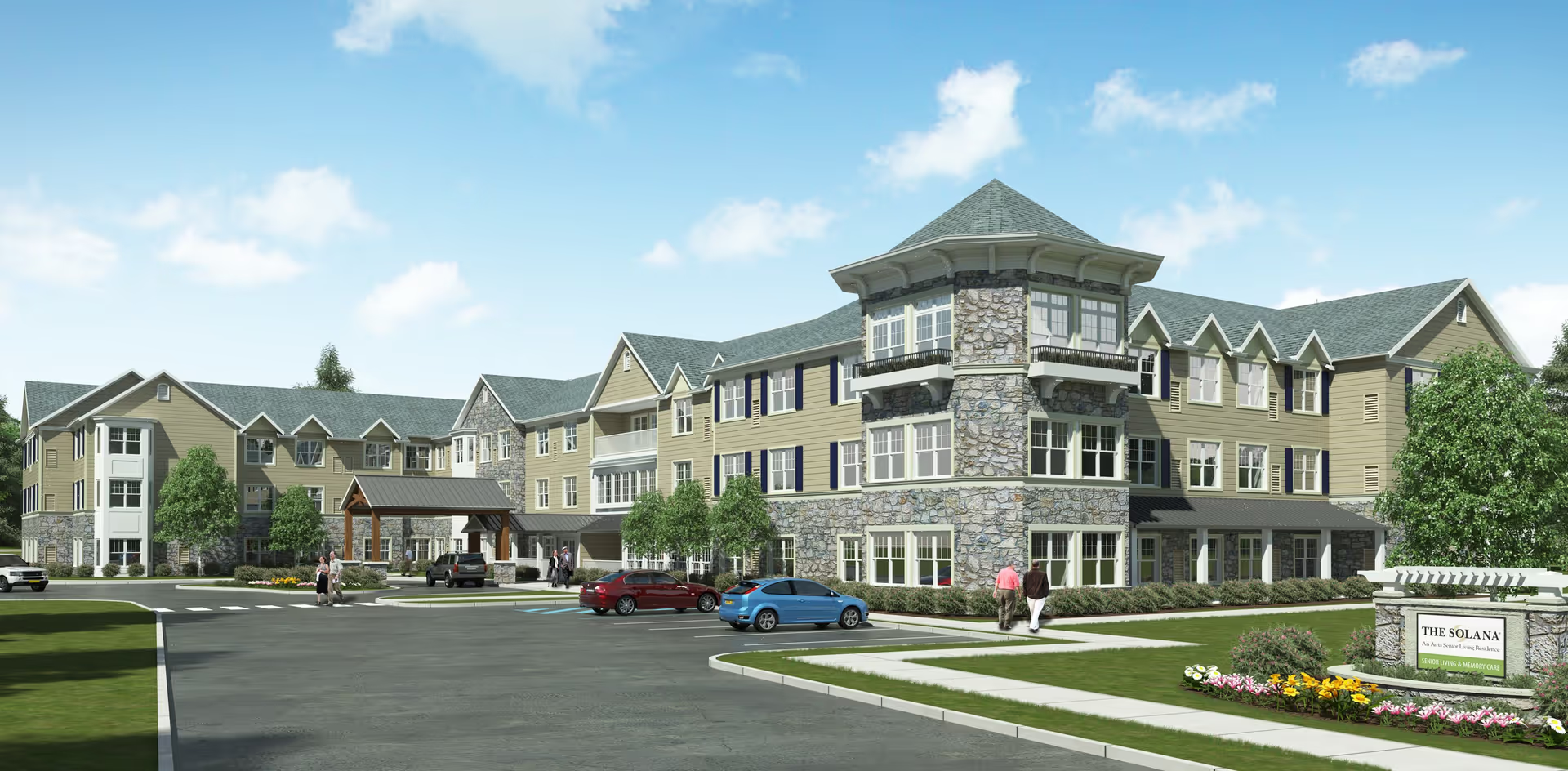
Overall impression: The facility presents as a modern, well-appointed senior living community with many strengths but also notable variability in operational consistency. Reviewers frequently describe an attractive physical environment, spacious bright apartments, and a hospitality-style dining and amenity offering (movie theater, gardens, salon, scheduled transportation). Admissions and move-in coordination are often described as smooth and supportive, and the community offers a broad activities calendar with frequent social events and therapeutic programming.
Care and staff: Care quality divides opinion. Numerous accounts praise compassionate, attentive caregivers, strong individualized attention, and knowledgeable physical/rehabilitation therapists who support successful recoveries. At the same time, recurring patterns include high staff turnover, uneven availability of direct-care personnel, and variability in clinical oversight. Several reviewers raise concerns about medication-administration controls, documentation lapses, and delays in clinical responses—especially during night shifts or urgent events. Families typically report better experiences where managers and key clinical staff are engaged and responsive; conversely, leadership changes correlate with perceptions of diminished oversight.
Dining and nutrition: Dining experiences were inconsistent. Some families and residents commend special events, an initial strong menu, and a pleasant dining ambiance. Other feedback cites recurring issues such as dry or overcooked proteins, limited breakfast or bistro options, and variability after kitchen or chef changes. Meal-service continuity and snack availability have been linked to staffing and supply practices, producing uneven satisfaction across stays.
Activities and therapy: The activity program is a clear strength where staffing and programming are steady. Many reviewers highlight daily activities, outings, themed events, and a robust social calendar that support resident engagement. Physical therapy and rehabilitation staff are frequently singled out for positive, proactive care when available. However, activity and therapy continuity can drop when staffing is short, reducing the consistency of scheduled offerings.
Facilities, housekeeping, and operations: The community’s design and common areas receive positive remarks for cleanliness and comfort. That said, housekeeping and laundry processes are inconsistent in some reports, with examples of delayed room upkeep, mismanaged laundry, and occasional sanitation and odor concerns in common or care areas. Where families escalated issues, staff often remedied room cleanliness, but the need for repeated follow-up is a recurring theme.
Management and administration: A prominent pattern involves administrative and leadership instability, especially following ownership or management transitions. Multiple accounts link perceived declines in care quality and communication to those changes. Administrative issues include billing confusion, contract and refund difficulties, and inconsistent front-desk/phone responsiveness. Where management maintains an open, hands-on posture, families report better outcomes; where leadership is disengaged, operational weaknesses become more pronounced.
Notable patterns and takeaways: The facility can deliver high-quality, person-centered living and rehabilitation when staffing, clinical oversight, and management engagement are aligned. Conversely, the same physical resources and programming show vulnerability to staffing instability and leadership turnover—resulting in inconsistent meals, housekeeping, medication handling, and nighttime responsiveness. Prospective residents and families would benefit from direct inquiries about current staffing ratios (especially at night), medication-administration protocols, laundry and housekeeping procedures, recent leadership changes, contract and refund terms, and recent inspection/quality reports. A tour that includes meeting the clinical leadership, observing mealtime and an activity, and asking for written policies on billing and clinical escalation can help determine whether the community’s strengths are presently sustained.