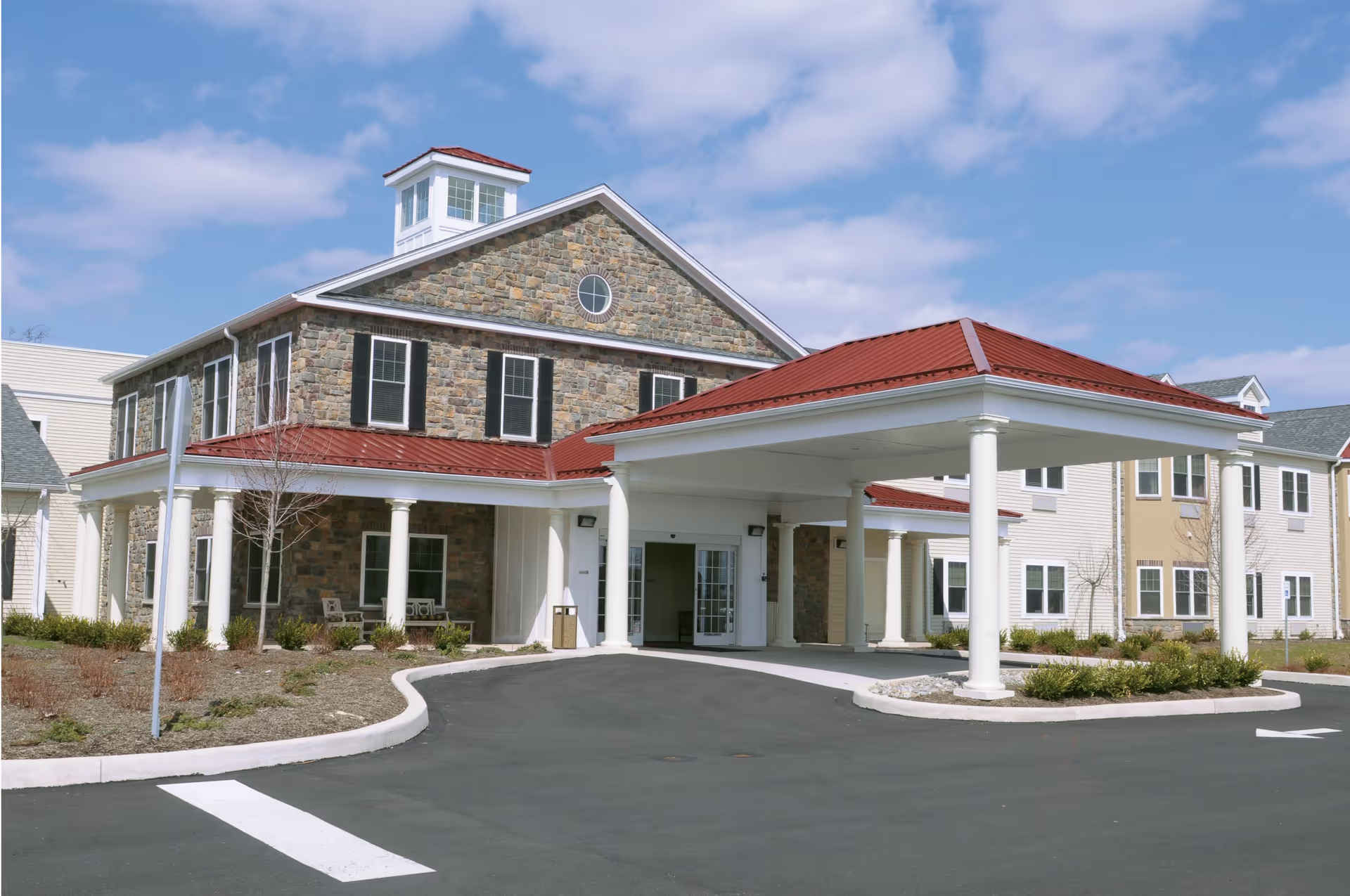
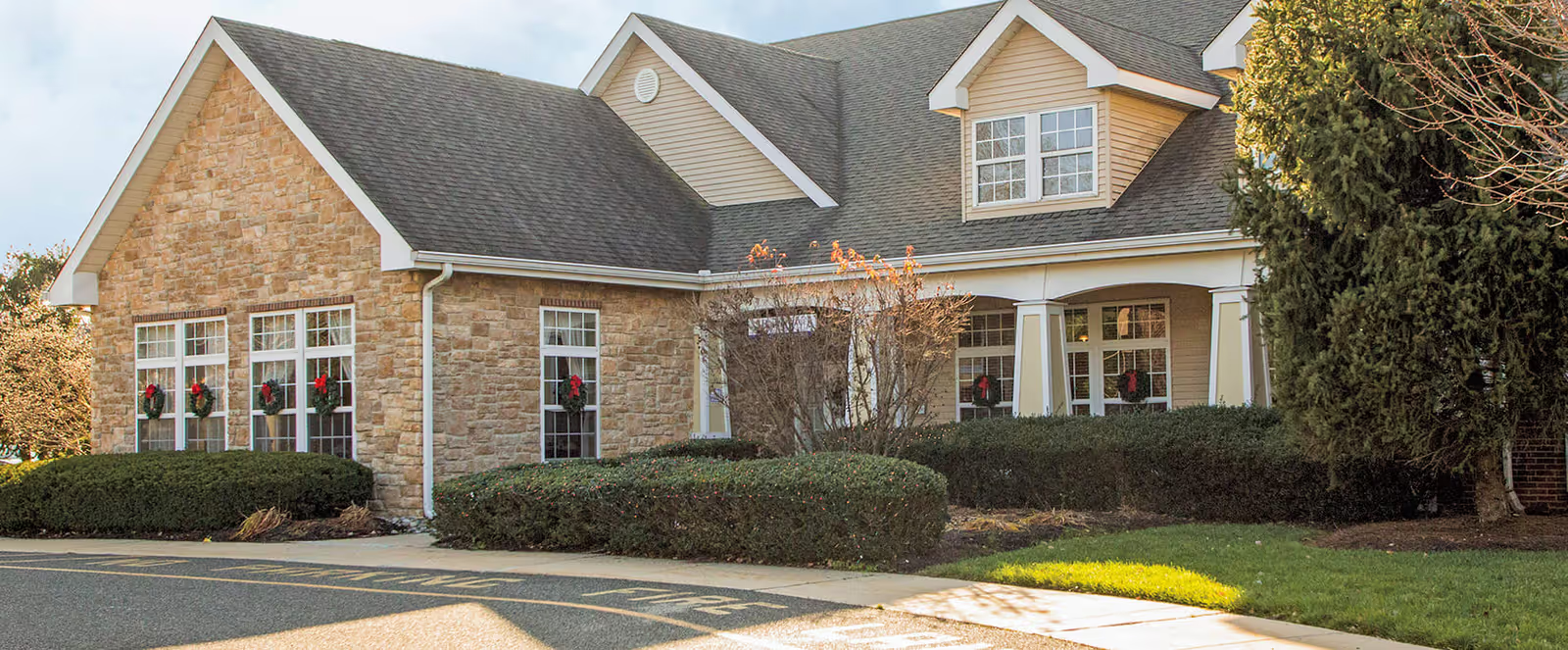
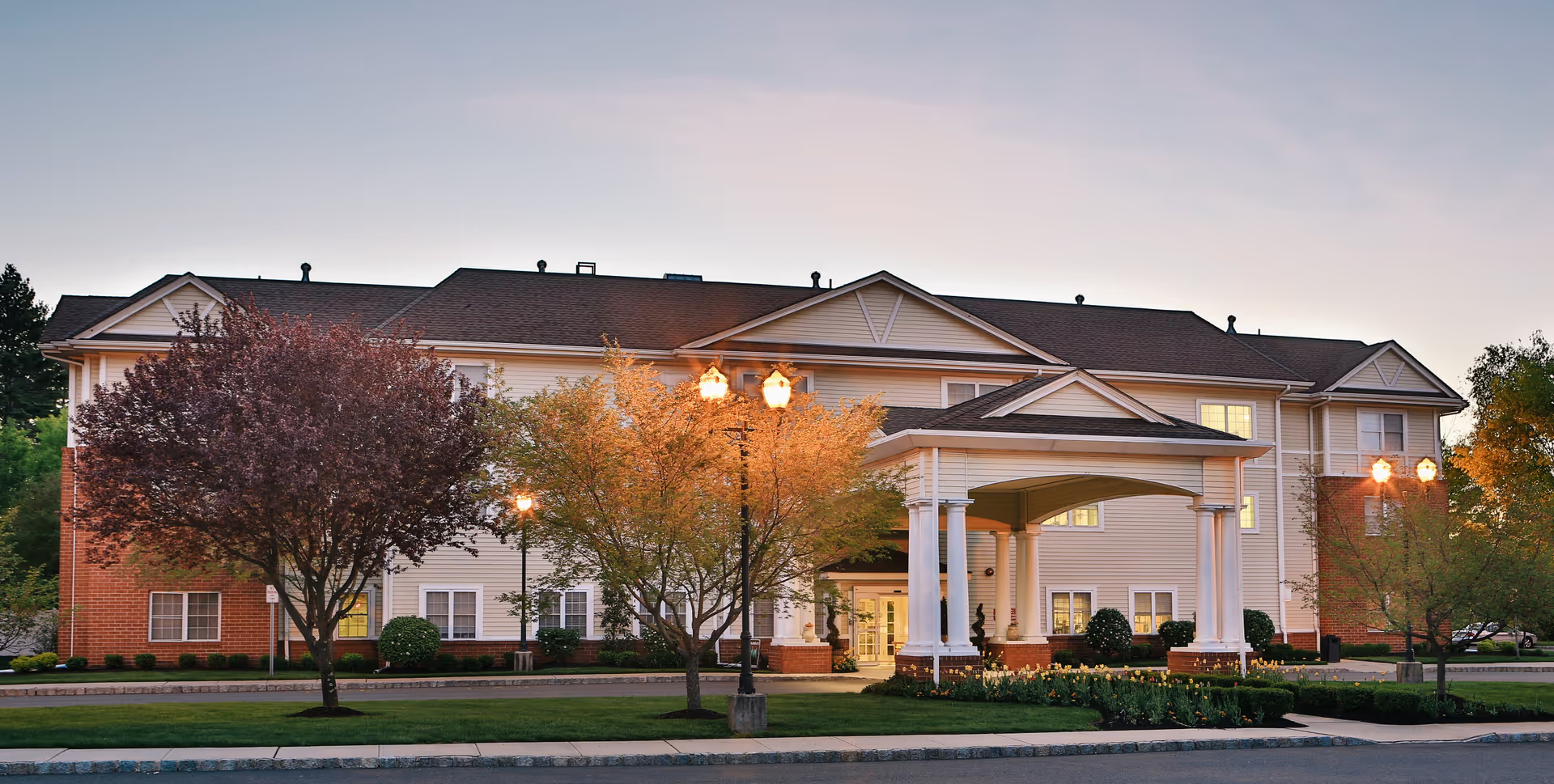
Yardley Rehabilitation and Healthcare Center elicits a wide range of experiences that cluster around two clear themes: a strong, rehabilitation-focused clinical program and considerable operational variability in nursing, housekeeping, and communication. The facility's physical- and occupational-therapy teams receive consistent praise for clinical skill, encouragement, and measurable patient progress; reviewers frequently describe regaining mobility, intensive one-on-one therapy sessions, and a well-equipped rehab gym. Social work, admissions, and financial-navigation staff are also repeatedly identified as helpful in facilitating placement and paperwork.
Nursing and direct-care staffing present a mixed picture. Many families and residents singled out individual nurses, CNAs, and therapists by name for compassionate, attentive care; several department leaders and administrators were described as responsive when engaged. Conversely, numerous accounts indicate inconsistent staffing levels, high use of part-time or temporary staff, and discontinuity across shifts. These operational gaps are associated with delayed call-bell responses, inconsistent bathing and incontinence-care practices, and variability in basic daily assistance.
Clinical-safety and communication patterns are areas of concern. Several reviewers described delays in recognizing or escalating medical changes, occasional medication-dosing problems, and challenges obtaining timely physician follow-up—particularly on weekends. Families also report uneven communication about clinical status and discharge planning. Collectively, these items suggest opportunities to strengthen medication administration controls, standardized monitoring and escalation protocols, and the on-call physician process.
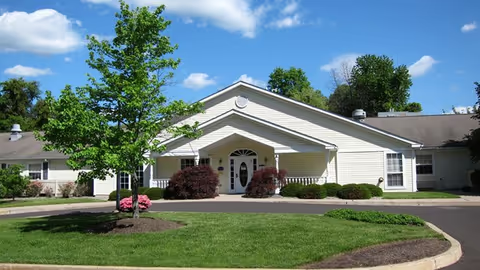
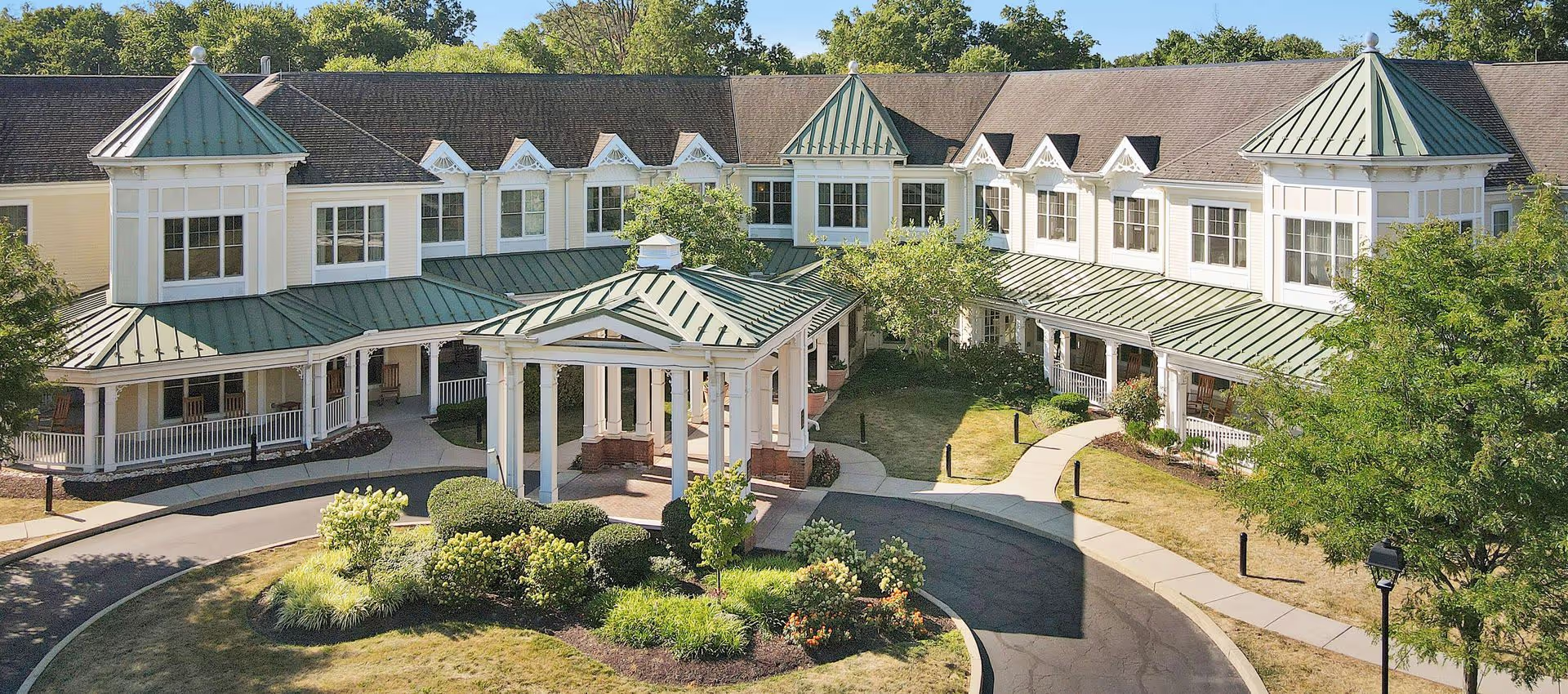
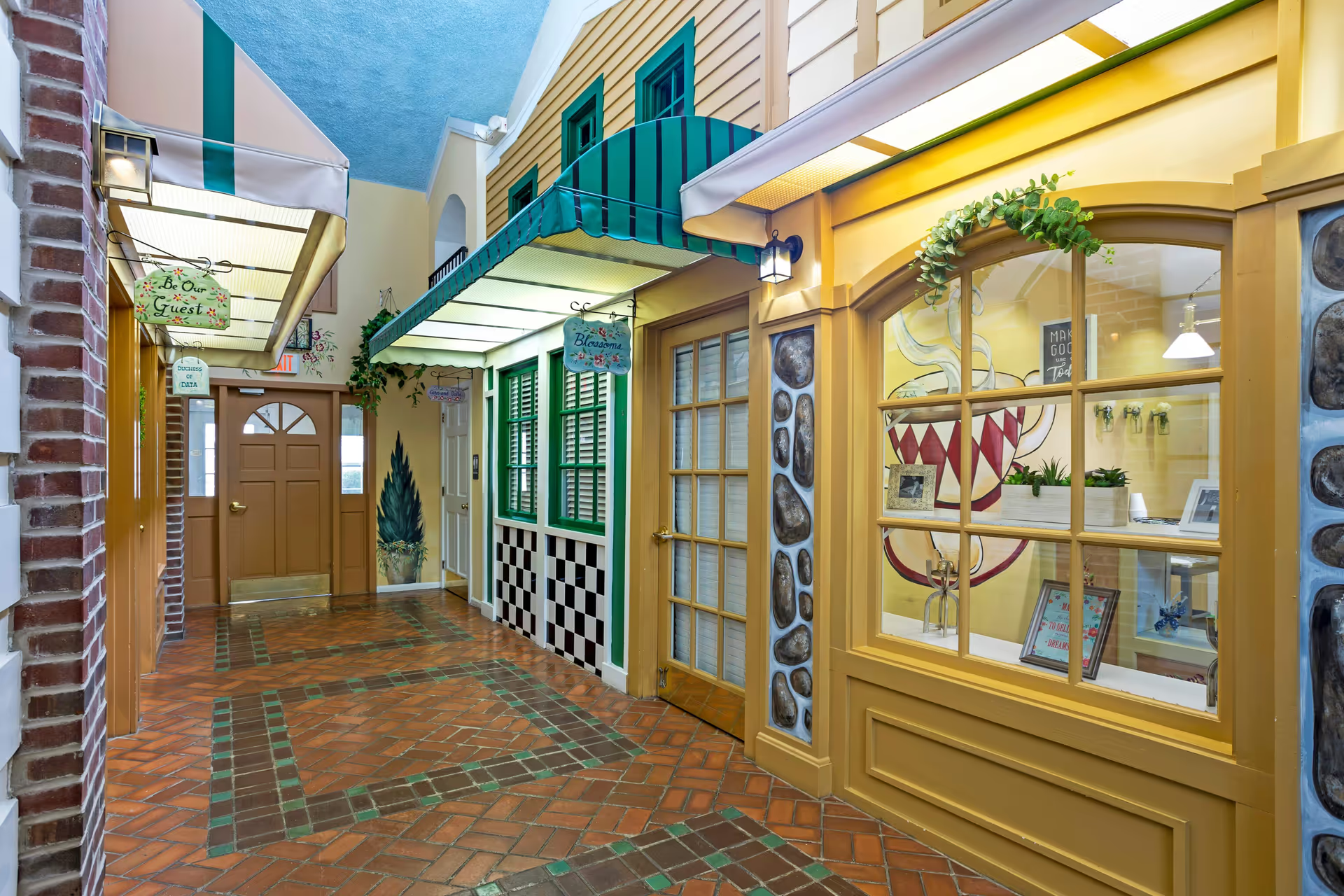
Dining, activities, and facility environment show notable inconsistency. Many reviewers praise high-quality, customizable meals and attentive dietary staff, while others describe limited menus, food-temperature issues, or unacceptable meal experiences. The activities program is a consistent strength: arts, music, memory groups, religious services, and social events are frequently cited as meaningful and well run. Physical plant feedback ranges from ‘‘spotless and well maintained’’ to complaints about dated rooms, maintenance lapses, pest-control concerns, and areas needing renovation—indicating uneven upkeep across wings or units.
Management responsiveness is likewise mixed in the reviews. Some families report timely investigation and corrective action from department heads and administrators, along with staff who feel valued and supported. Other accounts describe slow responsiveness to serious concerns, difficulty in coordinating transfers or discharges, and variable follow-through. A small number of serious individual allegations—including a physical incident involving staff and concerns following a resident's death—appear in the narratives; these are distinct from the broader operational patterns and would warrant focused inquiry by prospective families.
In summary, Yardley presents as a rehabilitation-capable facility with strong therapy services, engaged activity programming, and many caring individual staff members. Prospective residents and families should weigh those strengths against recurring operational issues: staffing continuity, medication and clinical-monitoring processes, variable housekeeping/maintenance, and communication practices. When considering Yardley, ask specific questions about nurse-to-resident ratios, medication-safety protocols, weekend physician coverage, unit-level cleanliness standards, and the facility’s process for escalating and communicating clinical changes to families.