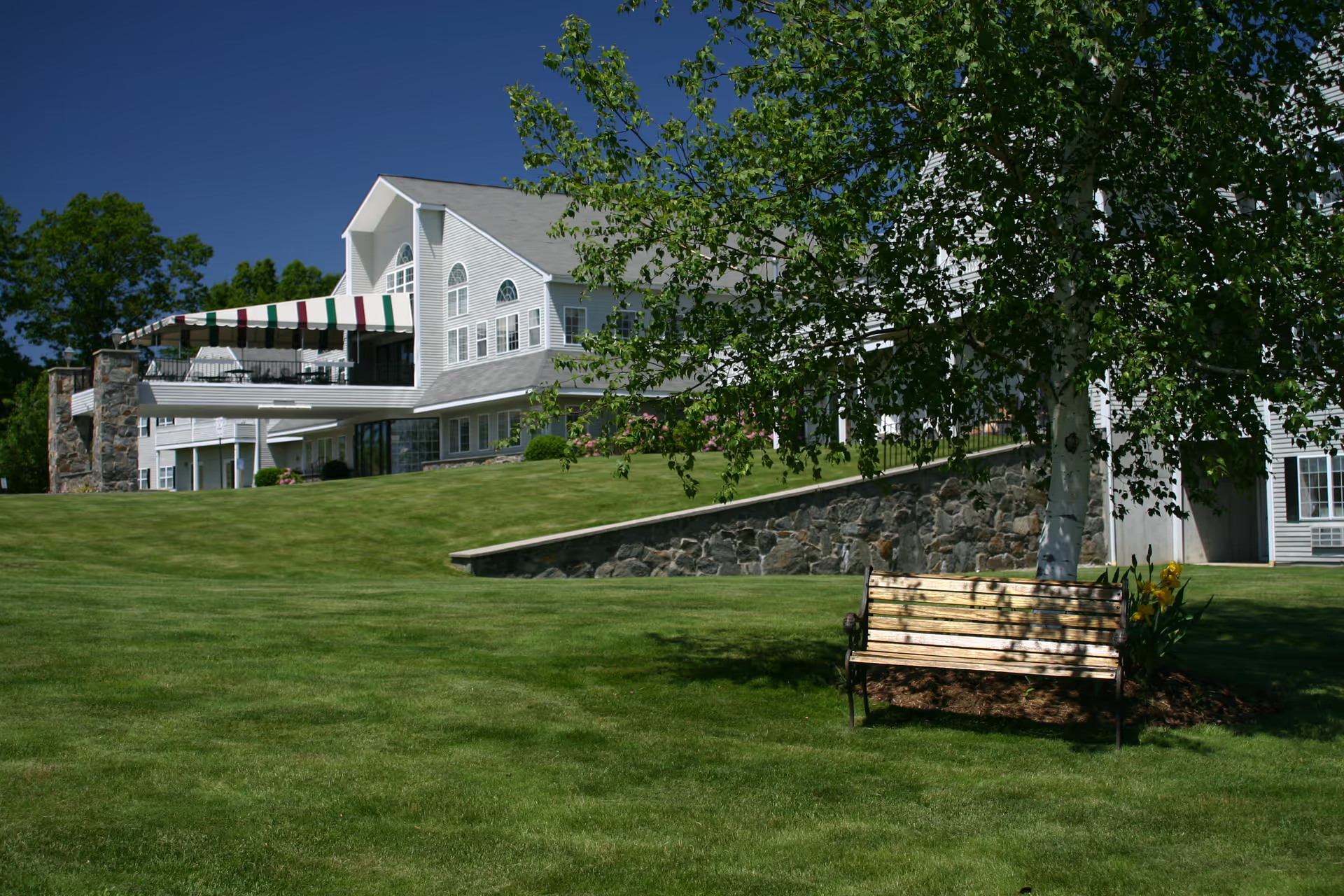
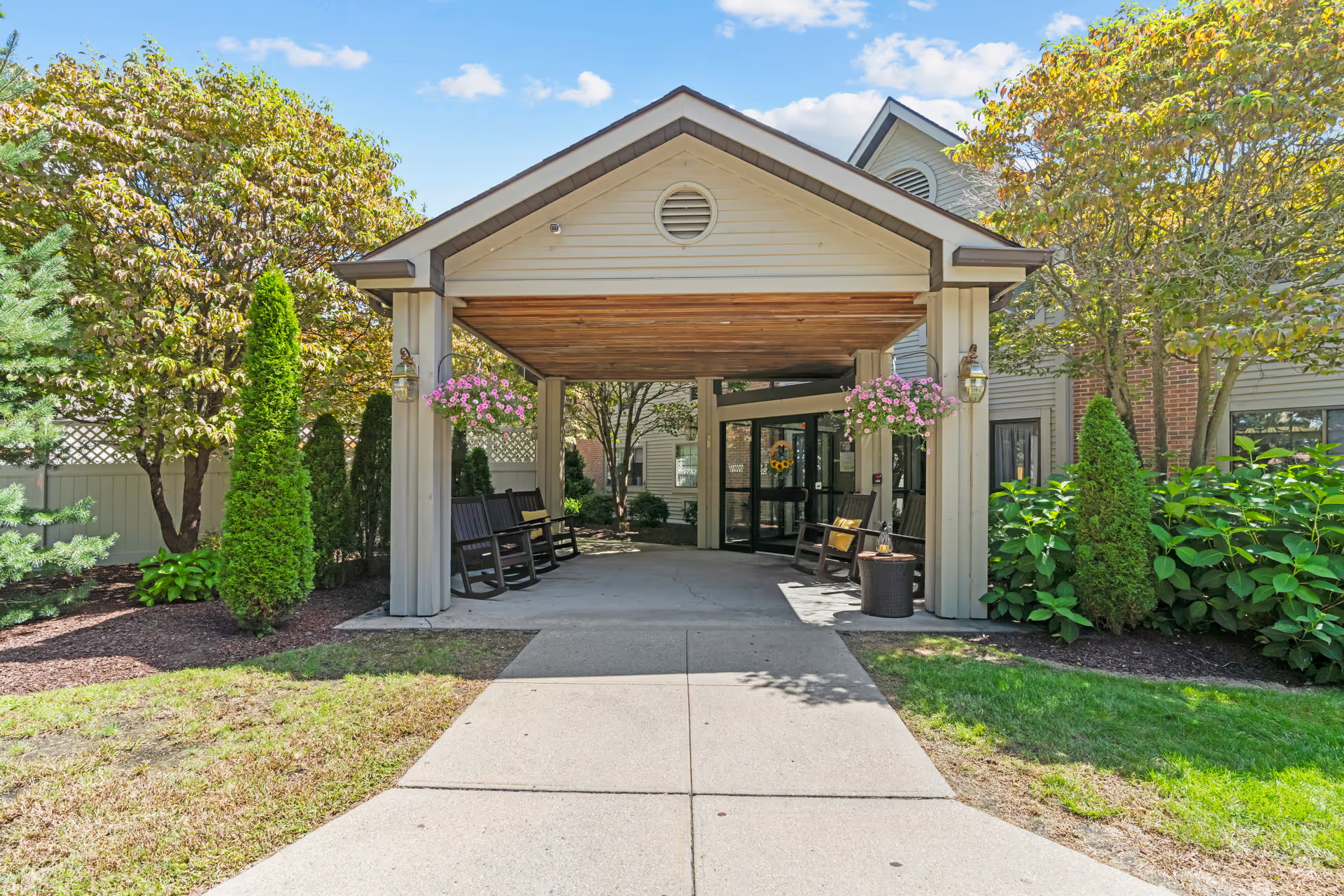
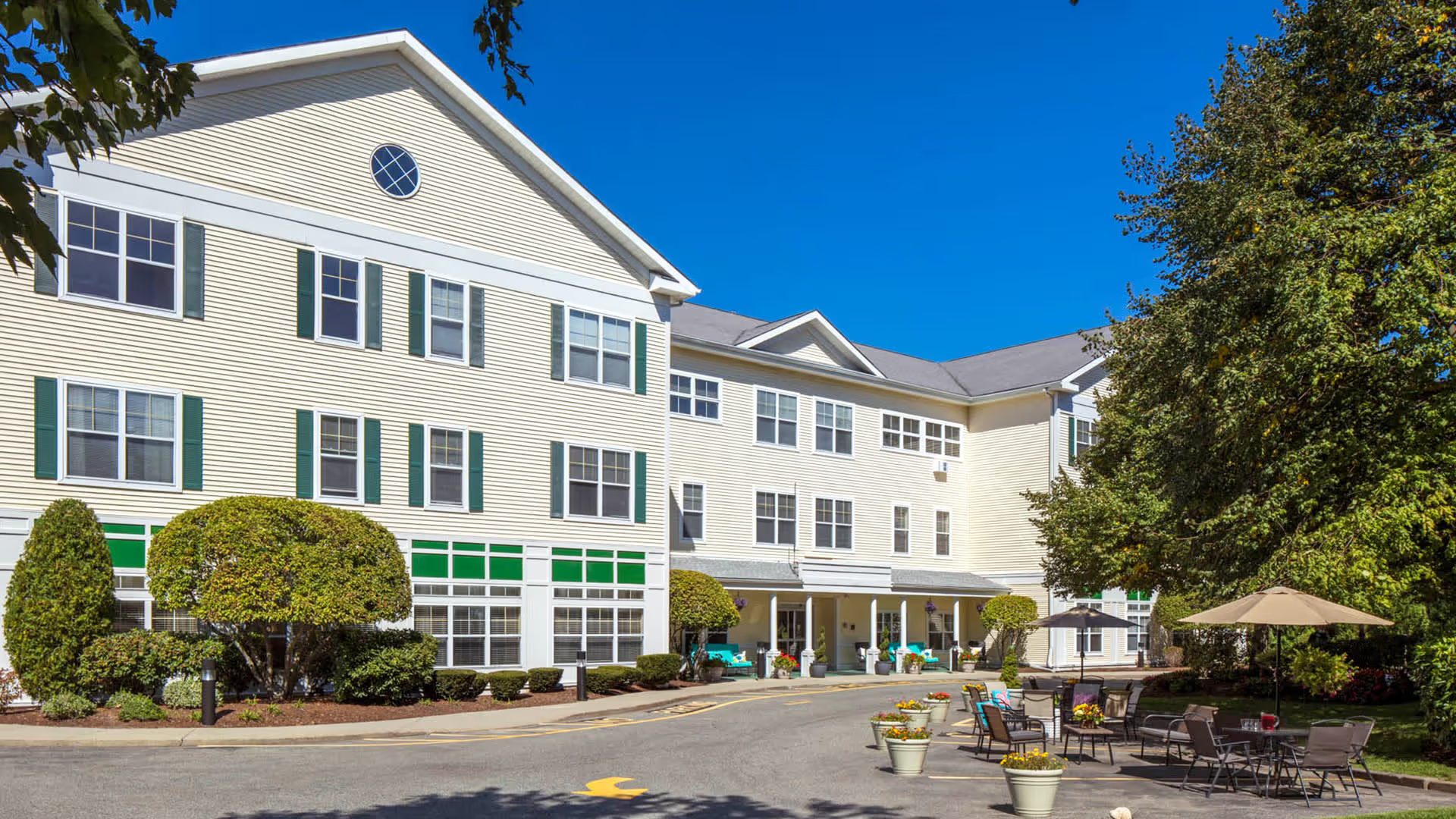
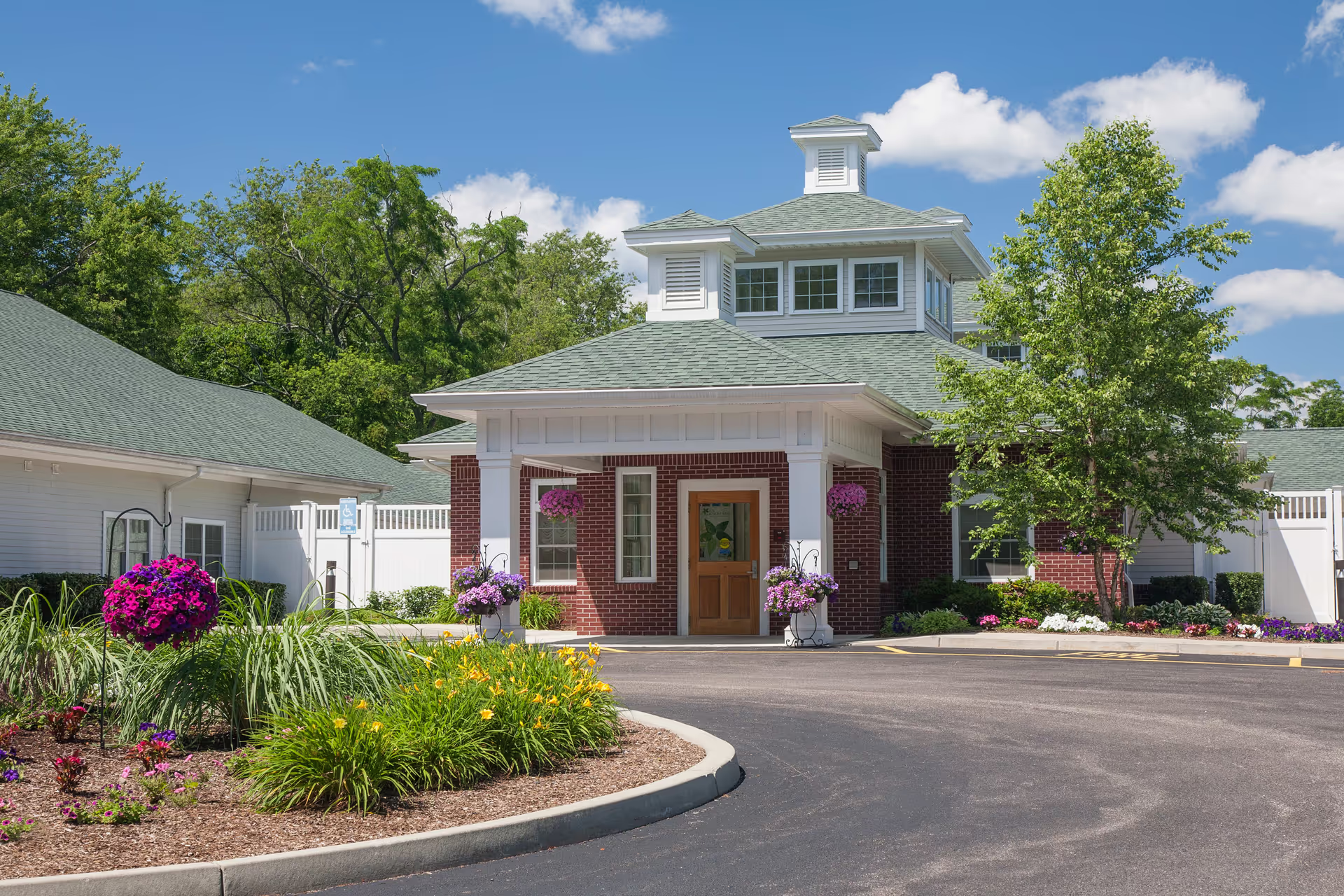
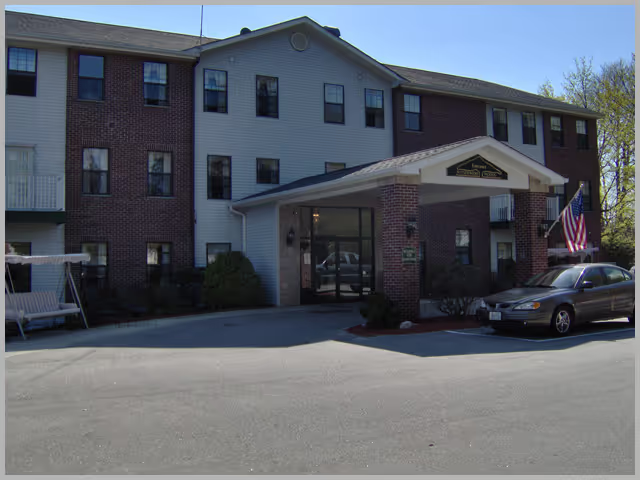
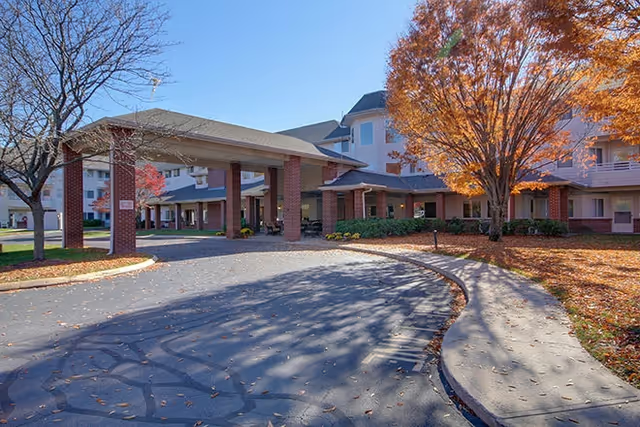
The collected summaries present a mixed but instructive picture. Strengths center on the clinical and interpersonal aspects of care: many families describe compassionate, attentive nurses and CNAs, a strong rehab/therapy program that supports safe return home, and sensitive end‑of‑life attention. Administrative and intake staff are frequently characterized as helpful and welcoming, and the building is often described as warm, quiet, and generally well maintained. These elements make the facility attractive for residents who need rehabilitation services or value daily personal attention.
At the same time, the summaries identify recurring operational shortcomings that affect the resident experience. Staffing levels and experience mix are a prominent concern; accounts indicate periods when direct‑care staffing is thin and the bedside manner of less‑experienced staff can be uneven. Reviewers also flagged responsiveness delays for routine care tasks and inconsistencies in sanitation and housekeeping practices. These issues appear to create variability in day‑to‑day care quality depending on shift and unit workload.
Dining and dietary management are another area of divergence. Several comments praise the food’s taste, but there are repeated notes about meal‑service errors, incorrect entrees, and consequent allergy or preference risks. Families should be aware of potential gaps in meal accuracy and ask about diet‑management protocols during tours.
Communication and professionalism present a mixed record. Many reviewers commend the administration for being supportive and for resolving issues quickly, yet there are also accounts of abrupt, poorly communicated discharges and incidents that raise privacy and conduct concerns (for example, inappropriate photography or negative staff comments). These items point to opportunities for stronger policies and staff training around transitions of care, resident privacy, and dementia‑specific communication techniques.
For prospective residents and families: consider verifying current staffing ratios and turnover, observe care during an active shift, ask about dementia training and privacy safeguards, and review the facility’s meal‑delivery and discharge procedures. Overall, the facility demonstrates notable strengths in clinical rehabilitation and compassionate caregiving, while operational consistency — particularly staffing, sanitation processes, meal accuracy, and transition communication — is an area to probe further during visits and decision making.