The reviews present a mixed picture of care at Midway Residential Care Facility, with clear strengths in day-to-day interpersonal interactions and cleanliness alongside operational concerns that affect suitability for some residents. Positive comments emphasize friendly staff, a tidy floor and common areas, and staff who have provided long-term care under challenging circumstances. At the same time, other reviewers describe issues that raise questions about the facility’s fit for residents with behavioral-health needs and about how the facility is managed.
Care and staff: Comments reflect two concurrent themes. On one hand, staff are described as personable and committed — reviewers used terms indicating dedication and a capacity to sustain care over years and during difficult situations. On the other hand, there are concerns about inconsistent responsiveness and delays when urgent attention or communication is required. These operational gaps suggest variability in how promptly staff attend to emergent needs and how effectively the team manages residents with complex mental-health or behavioral needs.
Dining and activities: The submissions provide little specific information about meal quality or the activity program. No consistent positive or negative patterns about dining or engagement offerings emerge from the available summaries. Prospective families who prioritize structured activities or specific dietary needs should request current menus and activity schedules and ask how the facility accommodates residents with behavioral-health or cognitive challenges.
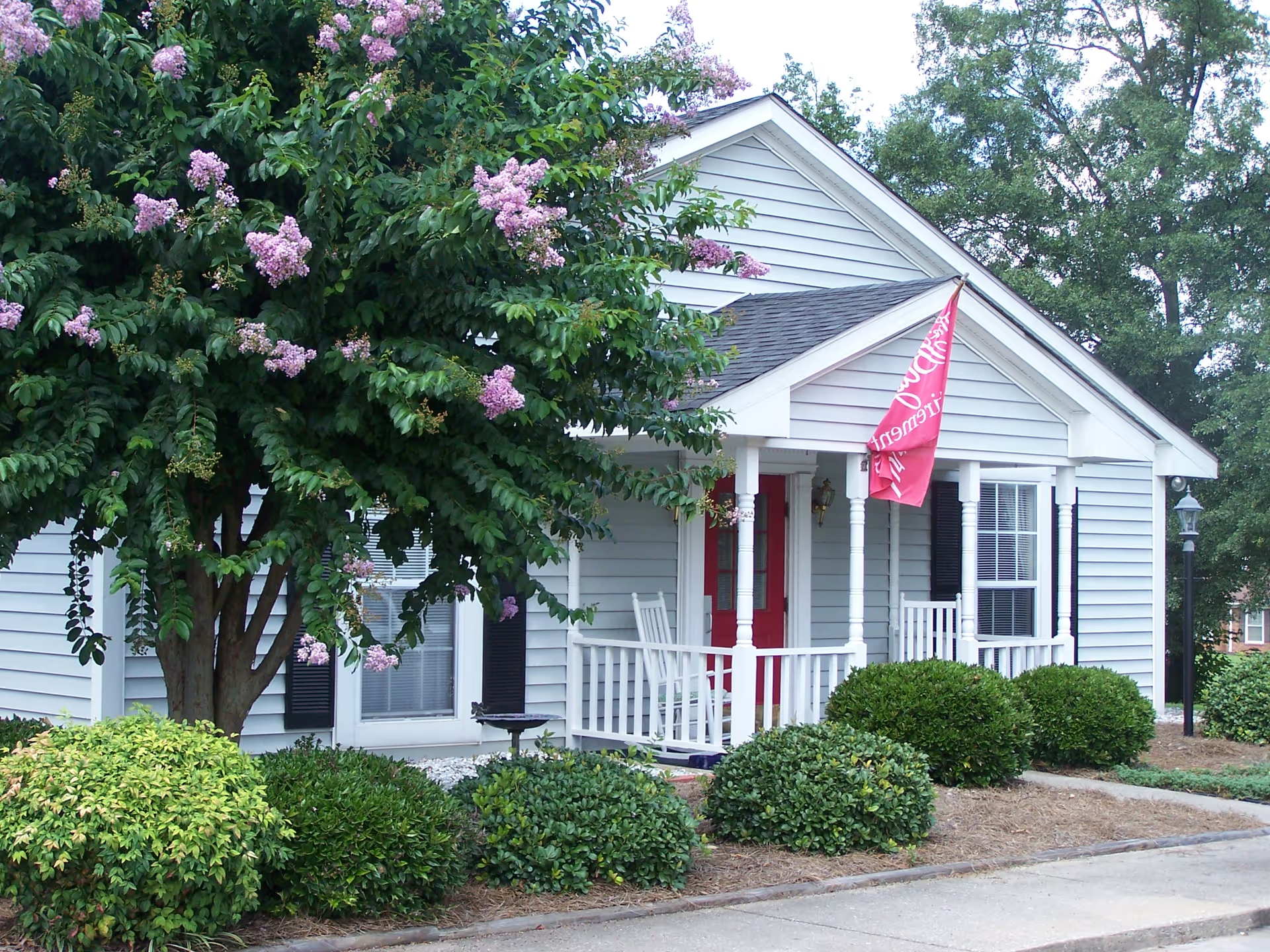
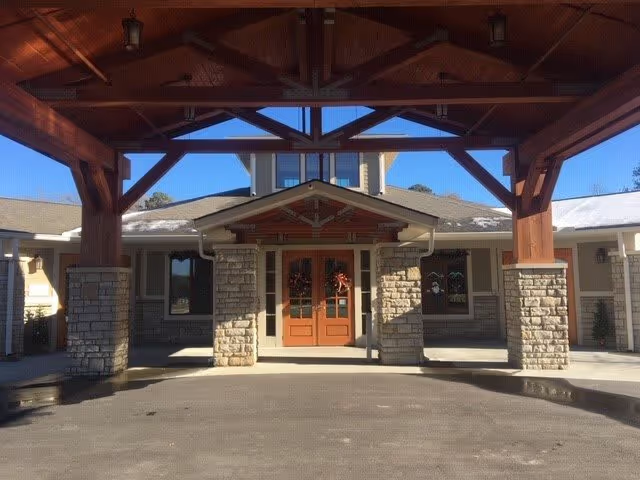
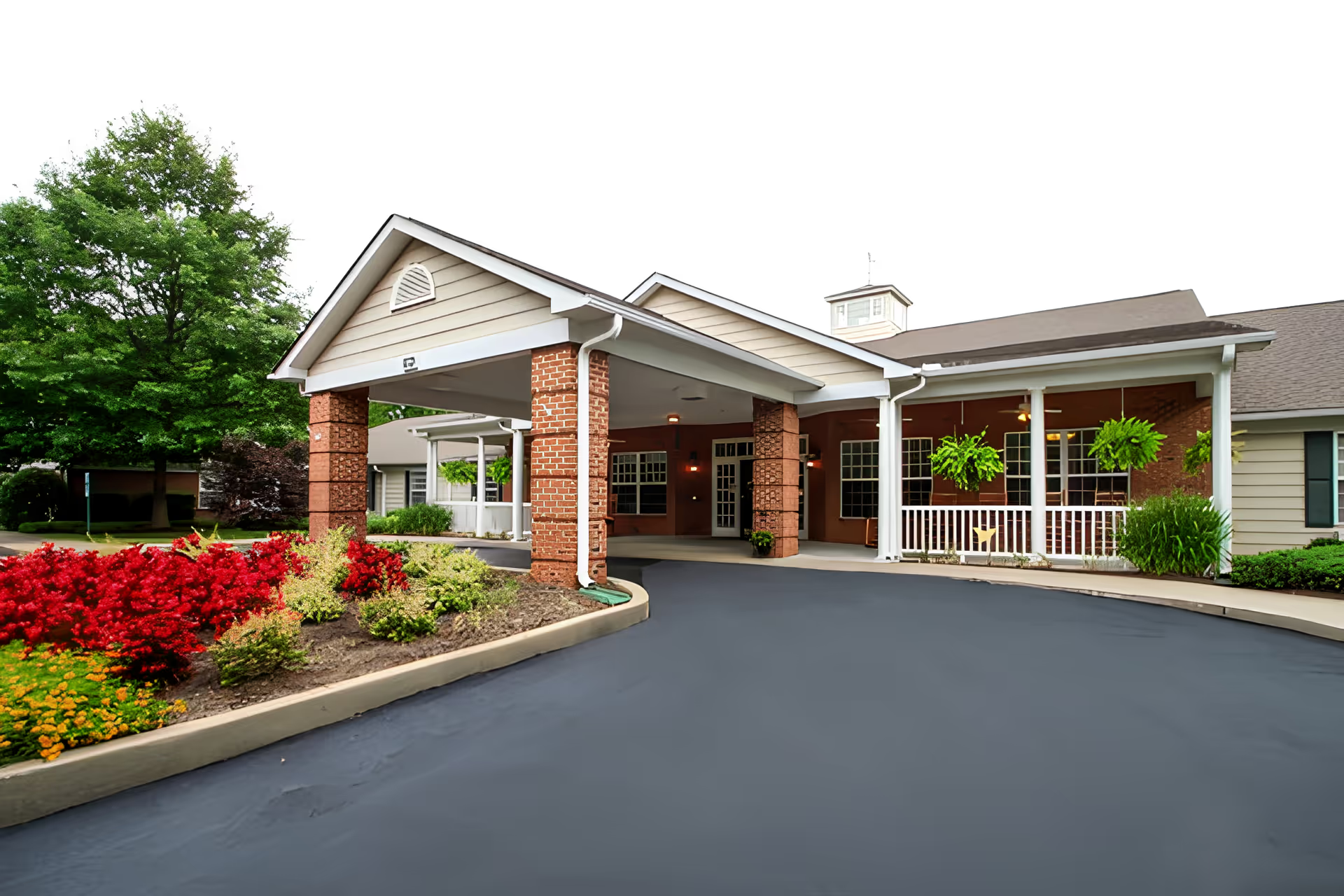
Facilities: The physical environment received favorable notes for cleanliness of floors and common areas, suggesting routine maintenance and housekeeping are strengths. However, safety and supervision issues were also mentioned in broader terms; reviewers characterized the environment as unsafe for certain residents. This indicates potential gaps in environmental safety protocols and in supervision practices that may be important for residents requiring higher levels of monitoring.
Management and notable patterns: Several reviewers expressed difficulty reaching administration by phone and described unresponsive communication systems. There is also a perception among some families that management places financial priorities above resident-centered decision-making. Taken together, the predominant patterns are a contrast between compassionate, long-standing frontline staff and facility-level management and communication deficiencies that can undermine confidence, particularly for families caring for residents with behavioral-health needs. Prospective residents and families should directly assess emergency response procedures, behavioral-health supports, and administrative accessibility during visits and consider asking for references from current families whose needs match their own.