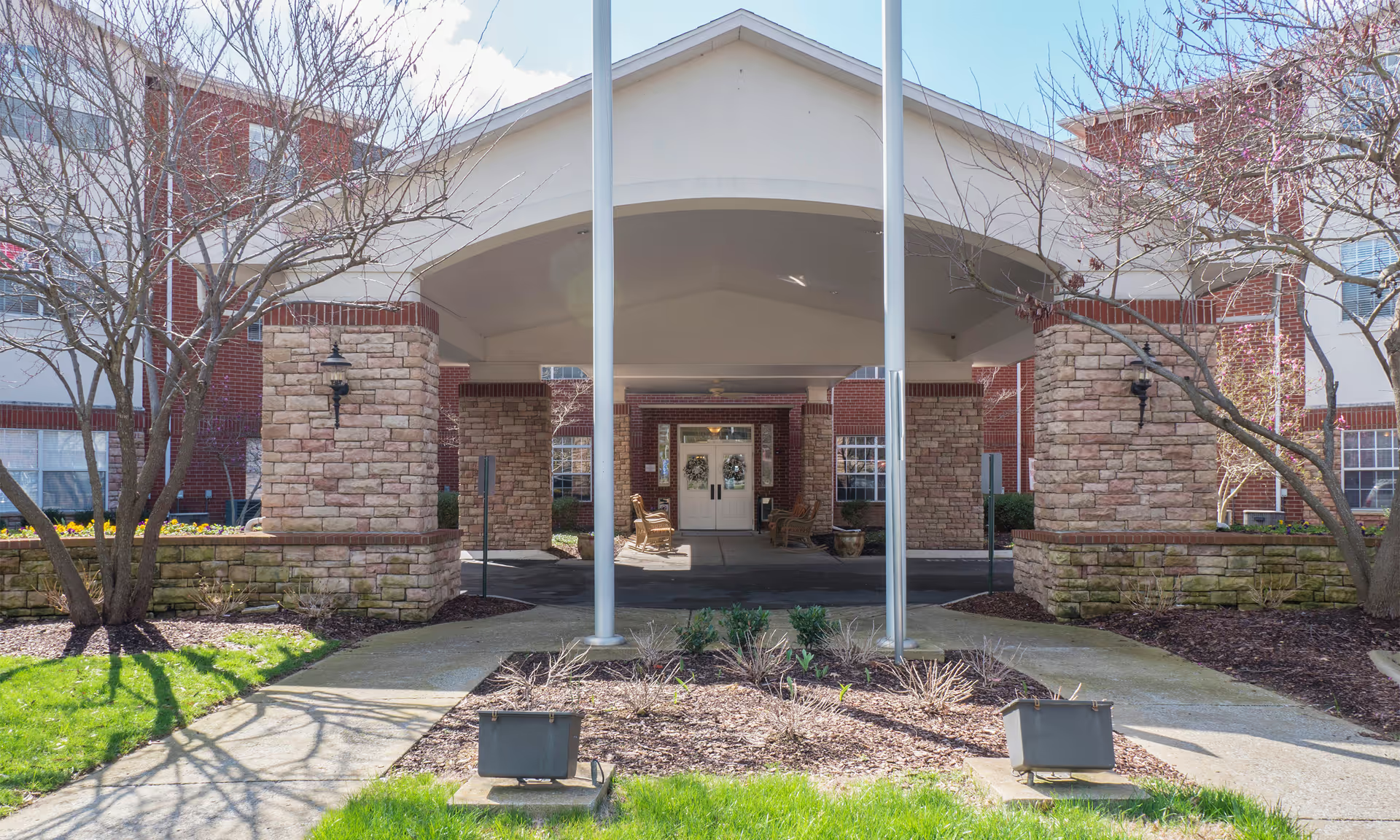
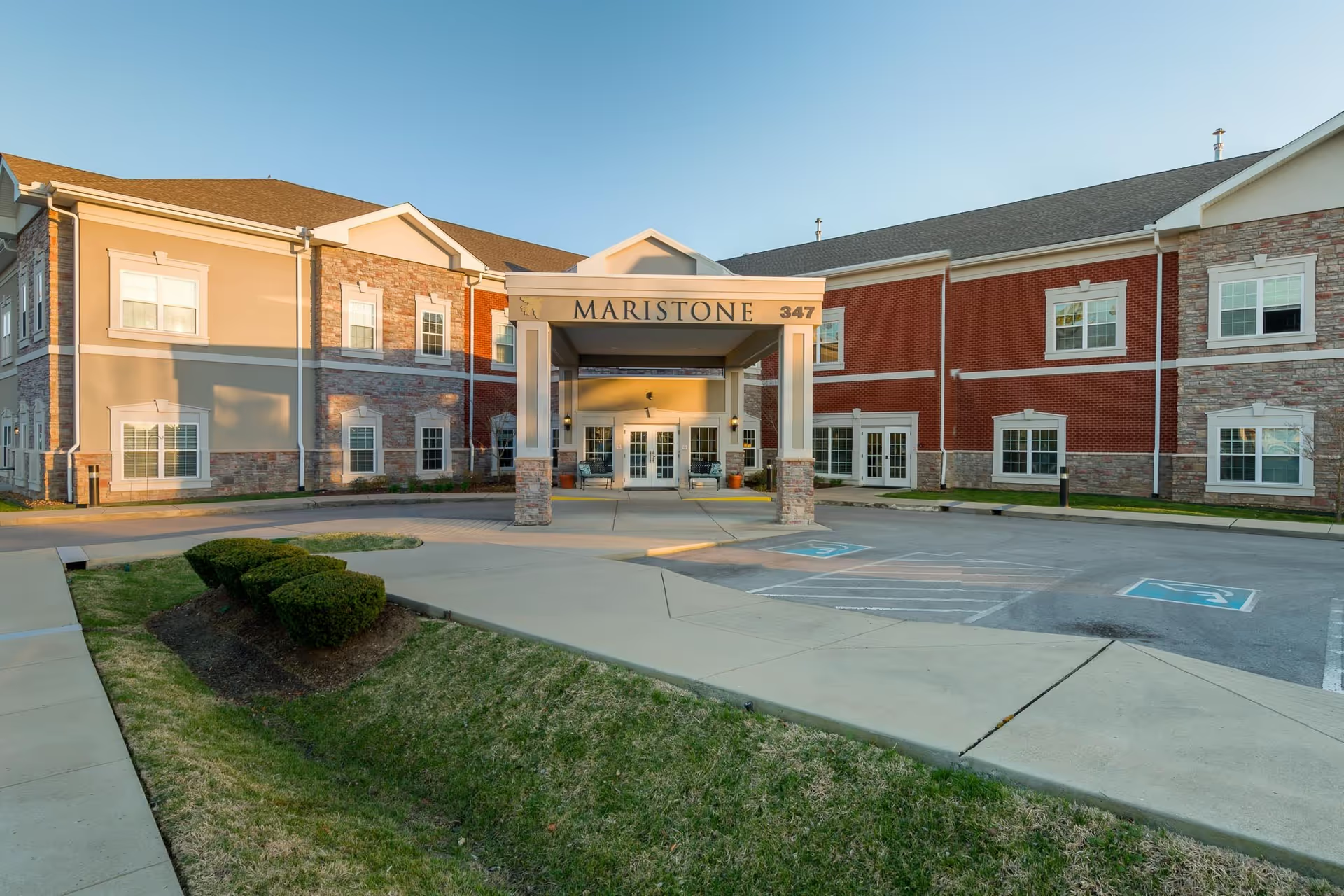
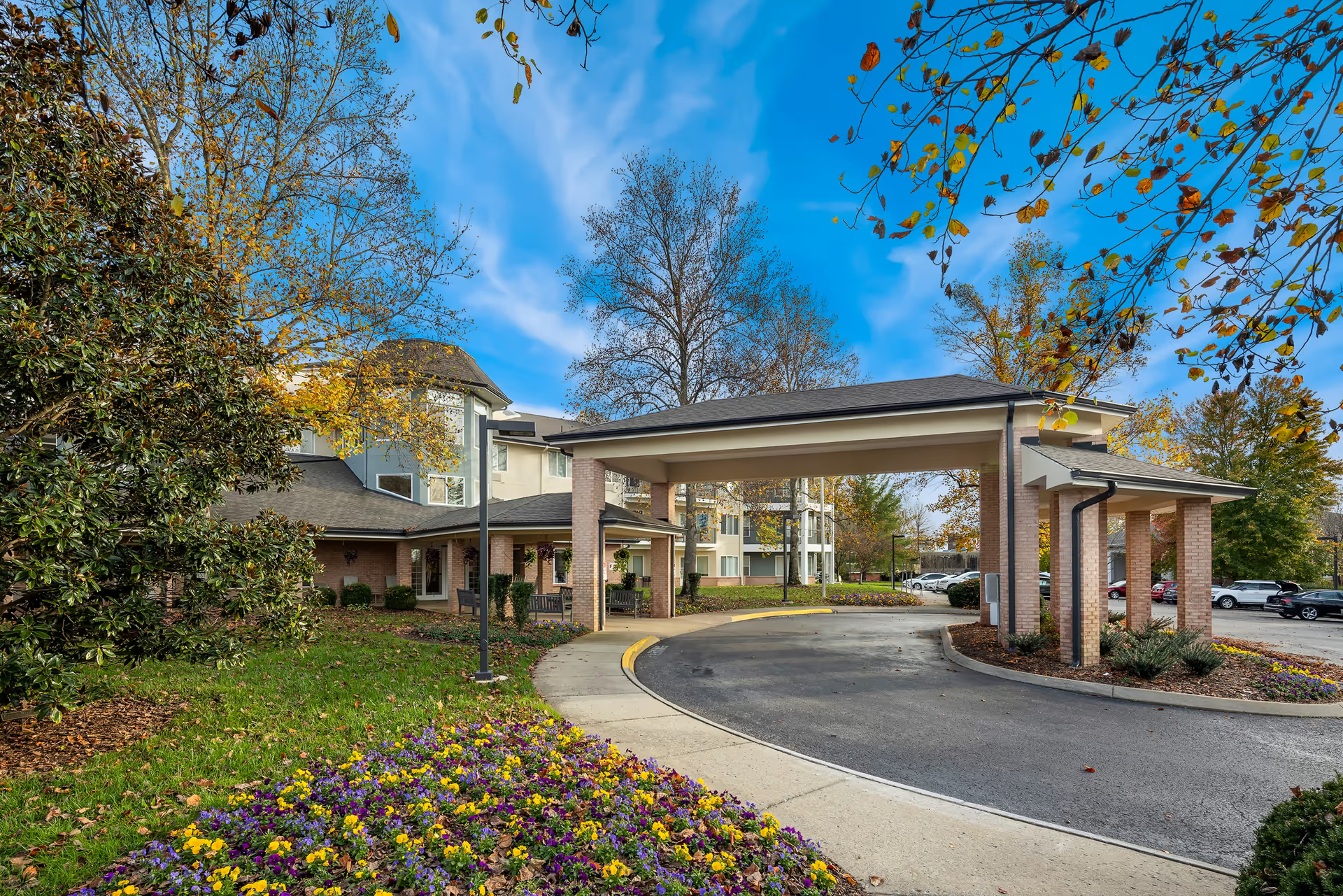
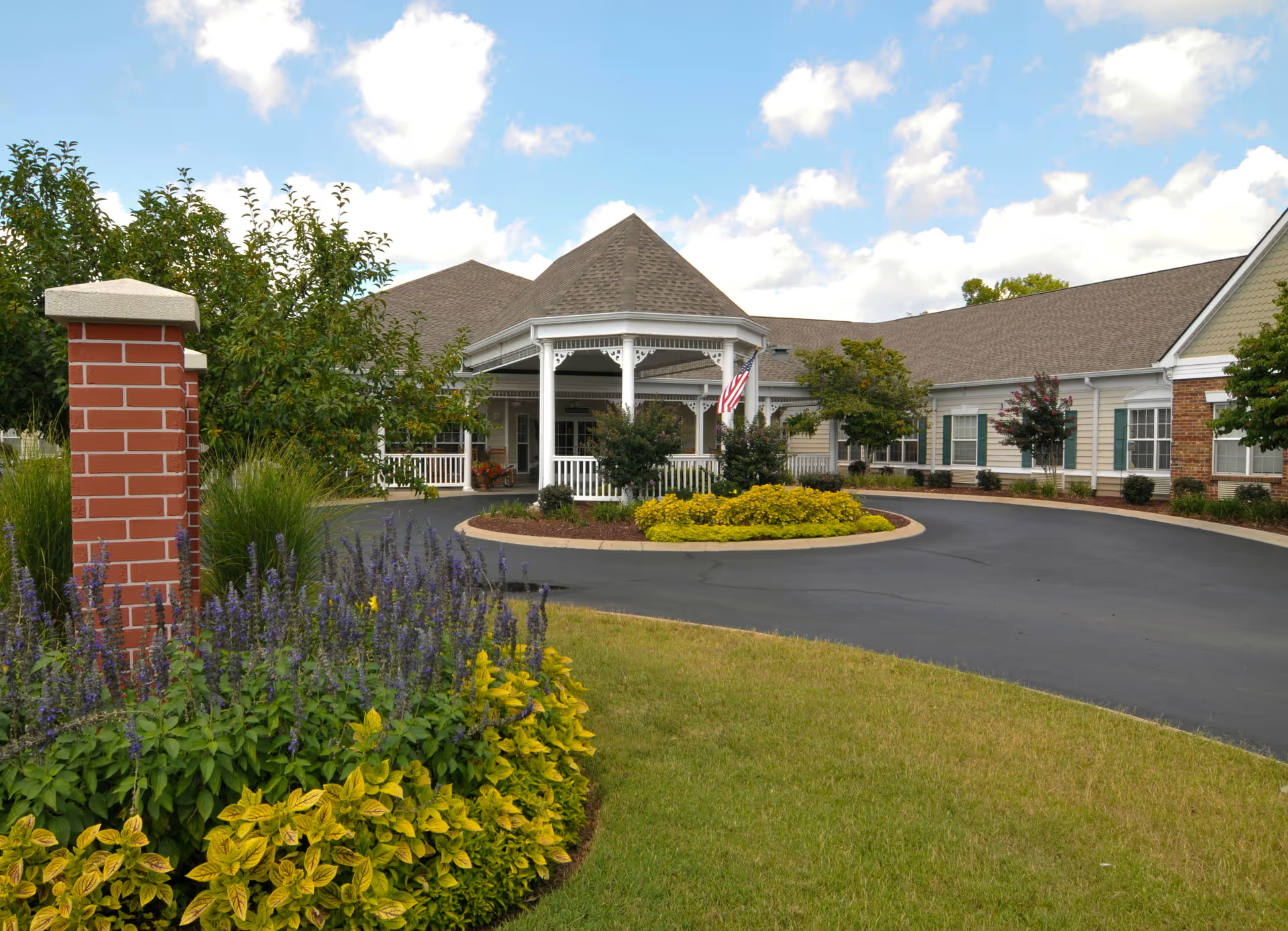
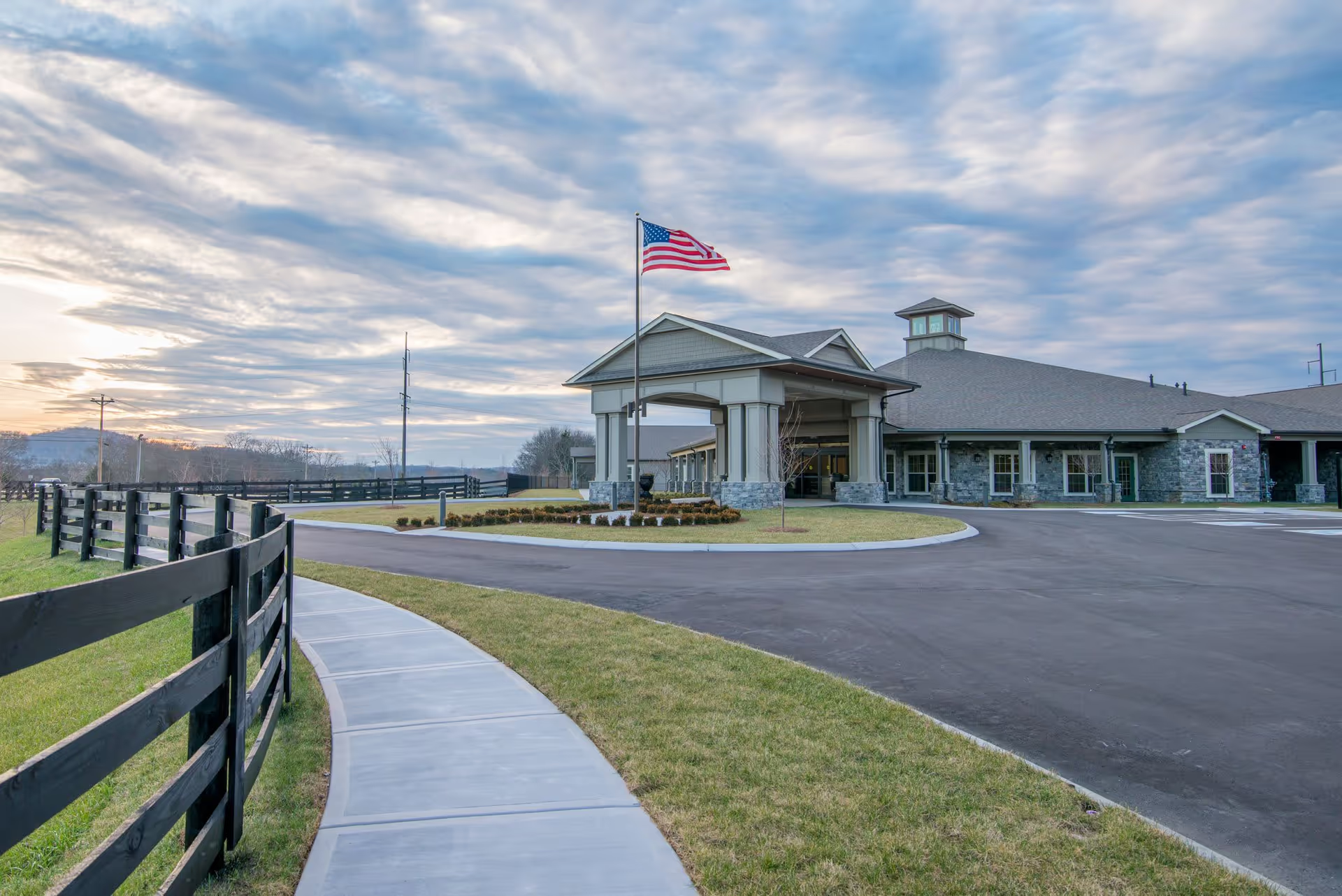
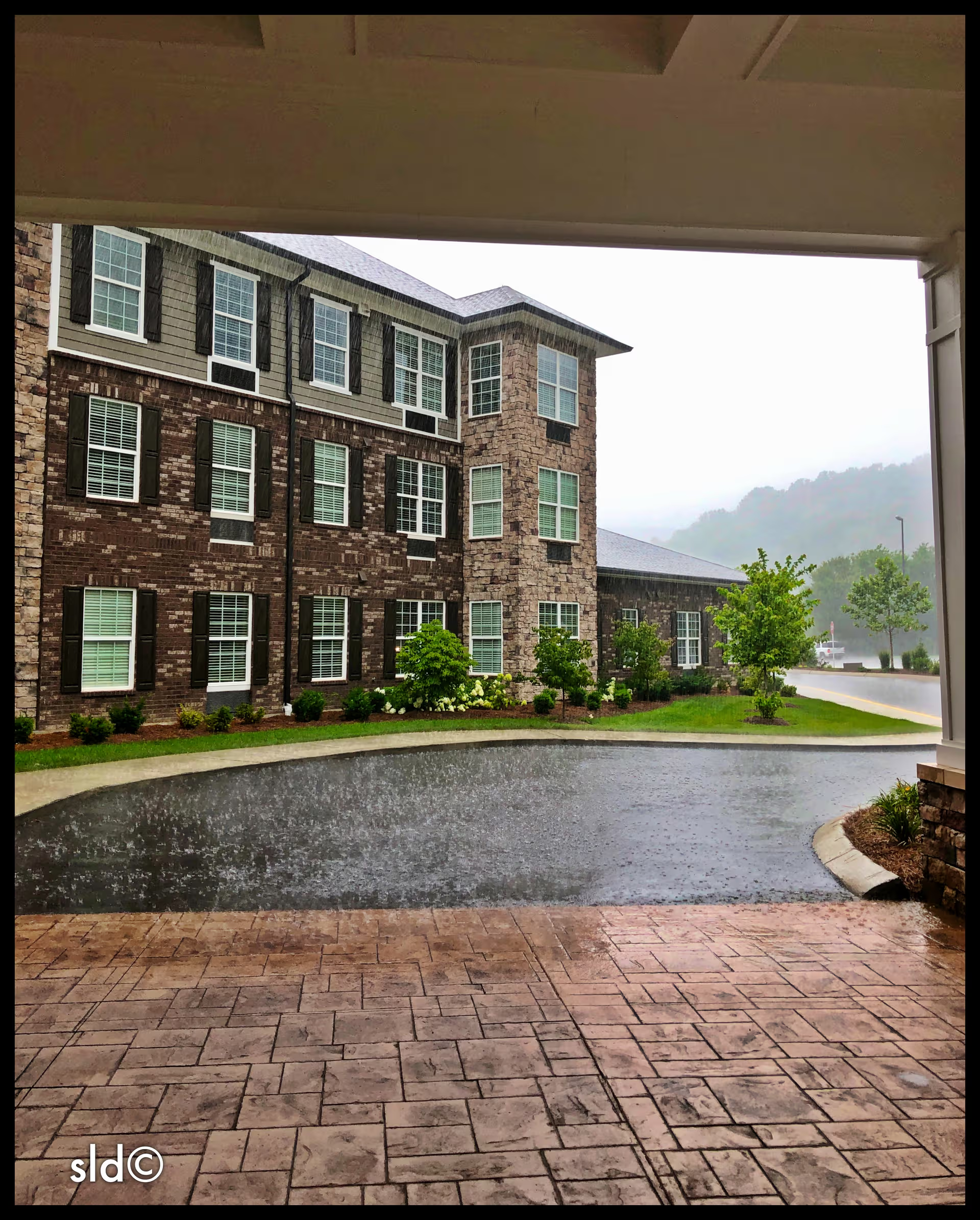
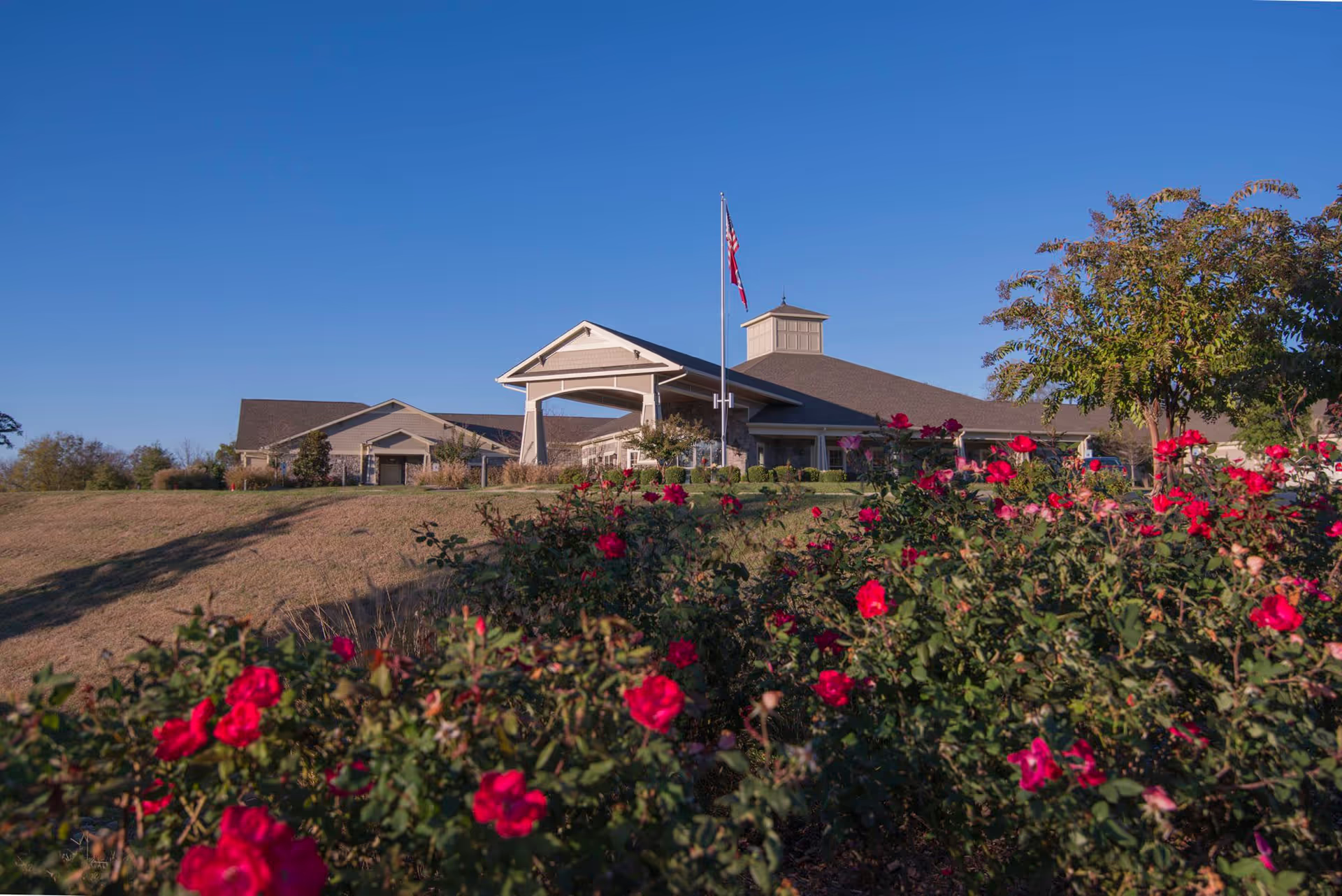
Belvedere Commons of Franklin offers assisted living and memory care in separate, one-story buildings. Families often value its smaller, home-like atmosphere, convenient location, courtyard, and private or shared room choices. Pricing is described as relatively affordable compared with nearby options, and some families specifically value the community’s ability to work with Medicaid or Tennessee Choices. The physical setting is frequently called comfortable and welcoming, though many visitors also describe an older building, dim or dated interiors, and maintenance needs involving flooring, plumbing, cooling, and other features.
Care experiences vary considerably. Many families describe kind, patient caregivers who build relationships with residents, support transitions, and provide attentive care. Some praise wellness leaders and managers for accessibility and coordination, including support for residents with dementia. Other accounts describe insufficient staffing, slower responses to help requests, and uneven assistance with bathing, meals, and other daily needs. Concerns about overnight coverage recur, including limited on-site nursing after hours. Families also differ in their assessment of whether the community can safely support residents who need close observation, specialized assistance, or more complex care. Reviews describe serious gaps in response to medical or building emergencies and in family notification, alongside accounts of prompt communication and attentive support.
Dining feedback is mixed. Some residents and families say meals are satisfactory or enjoyable, and staff have accommodated specific food-texture needs. Others cite limited variety, inconsistent meal quality, or concerns about food temperature and support with eating. Activity offerings include games, music, worship, exercise, celebrations, and occasional outings; residents who participate may enjoy them. However, families also report that planned activities are not always delivered consistently, that some residents receive limited individual engagement, and that transportation problems have reduced outings.
Cleanliness and upkeep are recurring points of contrast. Positive accounts describe clean, well-maintained spaces, while others cite inconsistent room and bathroom cleaning, odor concerns, and uneven personal-care routines. Management and staffing stability also appear to have shifted over time: reviews mention ownership and leadership changes, turnover, and concerns about communication and follow-through, while other families describe visible leadership, timely responses, and recent improvement. The range of experiences suggests that families should assess current staffing—especially overnight nursing and memory-care coverage—communication practices, safety procedures, care capabilities, activity schedules, and room-maintenance standards directly during a visit.