Southern Care Assisted Living presents a mixed but coherent profile: a small, care-focused community with steady caregiving staff and an emphasis on home-style services, paired with an older facility and operational inconsistencies that matter to prospective residents and families. Comments converge on strong interpersonal strengths — staff are frequently described as attentive, compassionate and familiar with residents, and low turnover appears to support continuity of care and family communication. For families prioritizing hands-on nursing assistance, medication management, bathing and laundry support, and hospice coordination, the facility's service package and small, non‑corporate atmosphere are recurrent strengths.
Care and staff: Reviewers commonly highlight the quality of direct care from nurses and aides — described as kind, responsive and communicative with families. That interpersonal continuity is one of the facility's clearest advantages. At the same time, there are operational concerns about staffing levels and responsiveness at certain times (notably delays responding to call bells and variability in night coverage). Access to on-site physicians and medical leadership is described as uneven, and some families raised concerns about adequacy of memory-care oversight when residents have progressive cognitive decline. These observations suggest reliable day-shift caregiving but potential gaps in clinical escalation and overnight support.
Dining and daily living services: Dining is often praised — many families cited fresh, home-cooked meals, seasoning and menu alternatives; flexible options such as family-meal accommodations and accessible serving lines for wheelchair users are also noted. However, reviewers also describe occasional variability in food quality and meal timing. The facility includes medication management, bathing assistance, laundry service and options to personalize rooms or bring furniture, which many families view as good-value inclusions.
Activities and social programming: The community’s small scale supports a more intimate, family-like environment and enables individualized attention for residents. Activity offerings exist (musical programs, daily activities and respite options), but programming and off-site outings are described as limited, particularly for residents with significant mobility or wheelchair needs. Families seeking an active, outing-focused lifestyle for ambulatory residents may find programming constrained compared with larger communities.
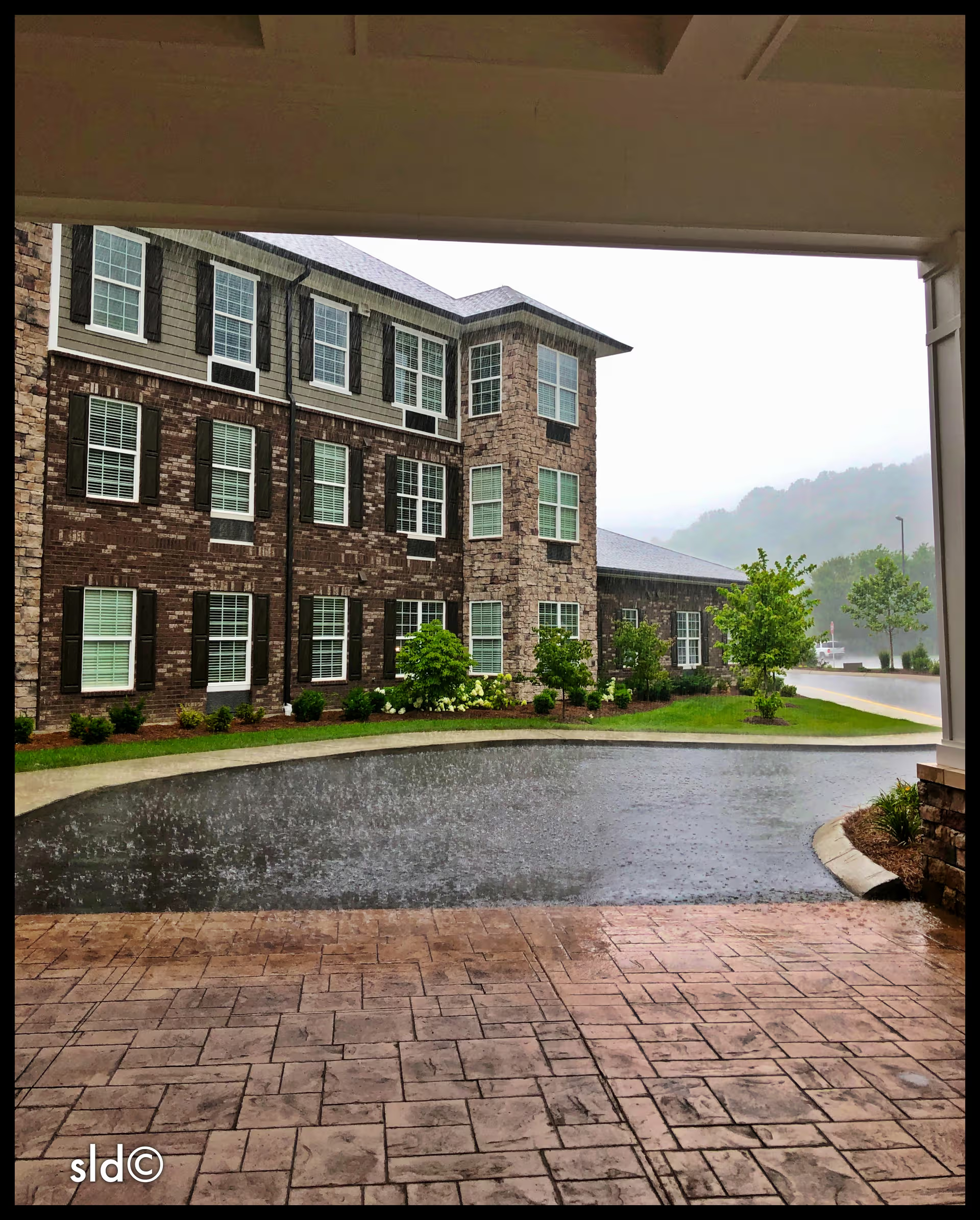
Facilities and cleanliness: Physical plant observations are mixed. Several reviewers described the building and resident rooms as dated, with shared bathrooms in some units and a generally older decor. Cleanliness and housekeeping consistency were uneven in some areas — concerns included entrance and common-area maintenance, minimal vacuuming, and room-tidiness variability. These factors affect overall ambiance: while some visitors found the place homey and inviting, others described a dingier, less-refreshed environment.
Management, communication and notable operational patterns: Communication with families receives positive mention in many accounts, especially around day-to-day updates and pandemic-era outreach. Nevertheless, there are instances of problematic transitions (concerns about assistance moving belongings, missing personal items, and perceived lapses in condolence or administrative responsiveness around end-of-life situations). Visitation policies were experienced as inflexible by some families during infection-control periods. Additionally, roommate matching and placement decisions have led to disruptive room changes for some residents. Taken together, these items point to generally strong frontline caregiving but opportunities for improvement in administrative consistency, clinical access, housekeeping standards and activity programming.
Who this fits: Southern Care is likely to suit families who prioritize compassionate, consistent caregiving, affordable pricing, and a small, noninstitutional atmosphere with core personal-care services included. Prospective residents for whom modern aesthetics, private en-suite bathrooms, robust off-site activity schedules, or guaranteed overnight clinical coverage are high priorities may find the facility less aligned with their needs. A tour focused on staffing patterns (including night coverage), bathroom arrangements, housekeeping routines, physician accessibility, and roommate placement practices will help families assess operational fit in light of both the strengths and the recurring concerns described above.