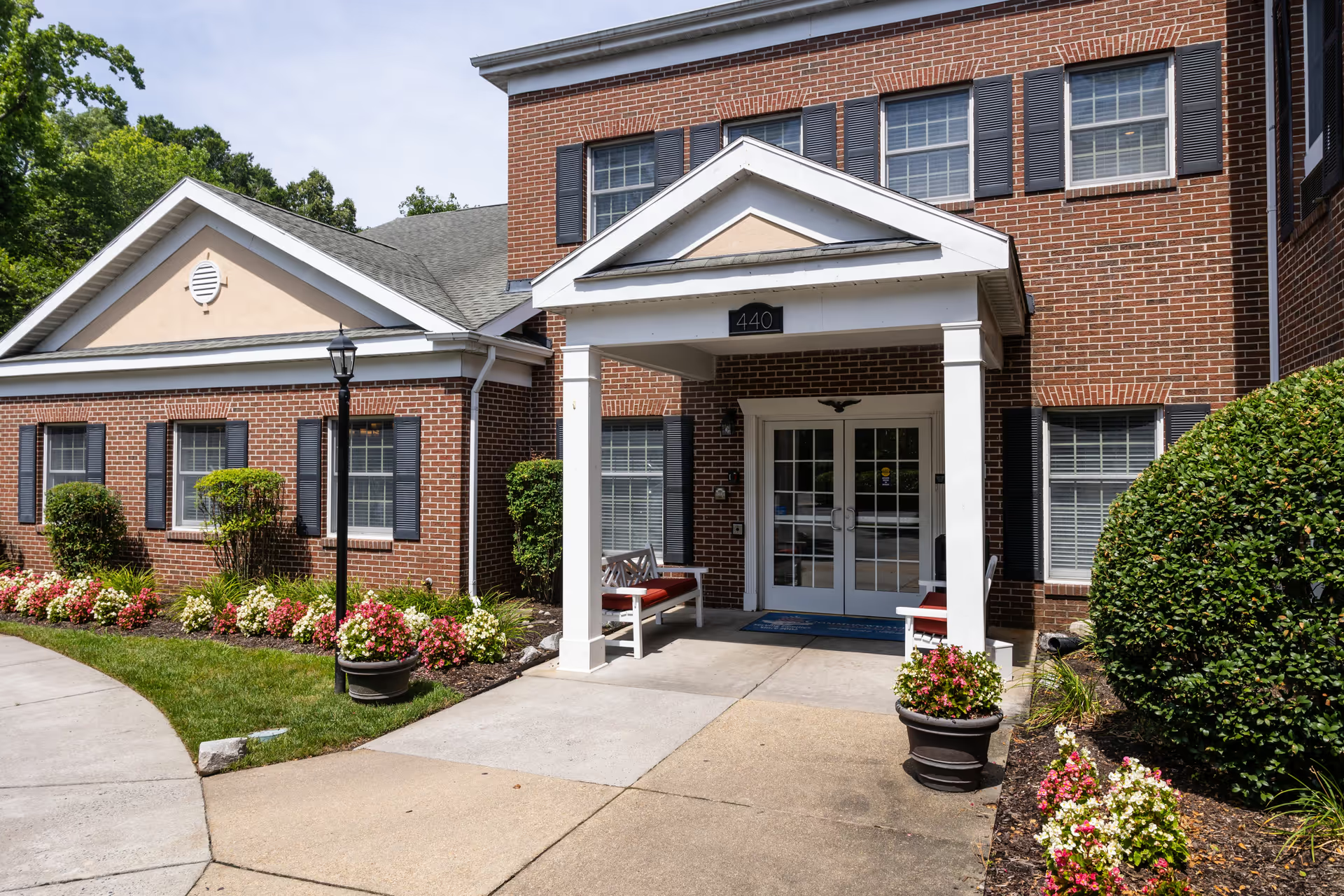
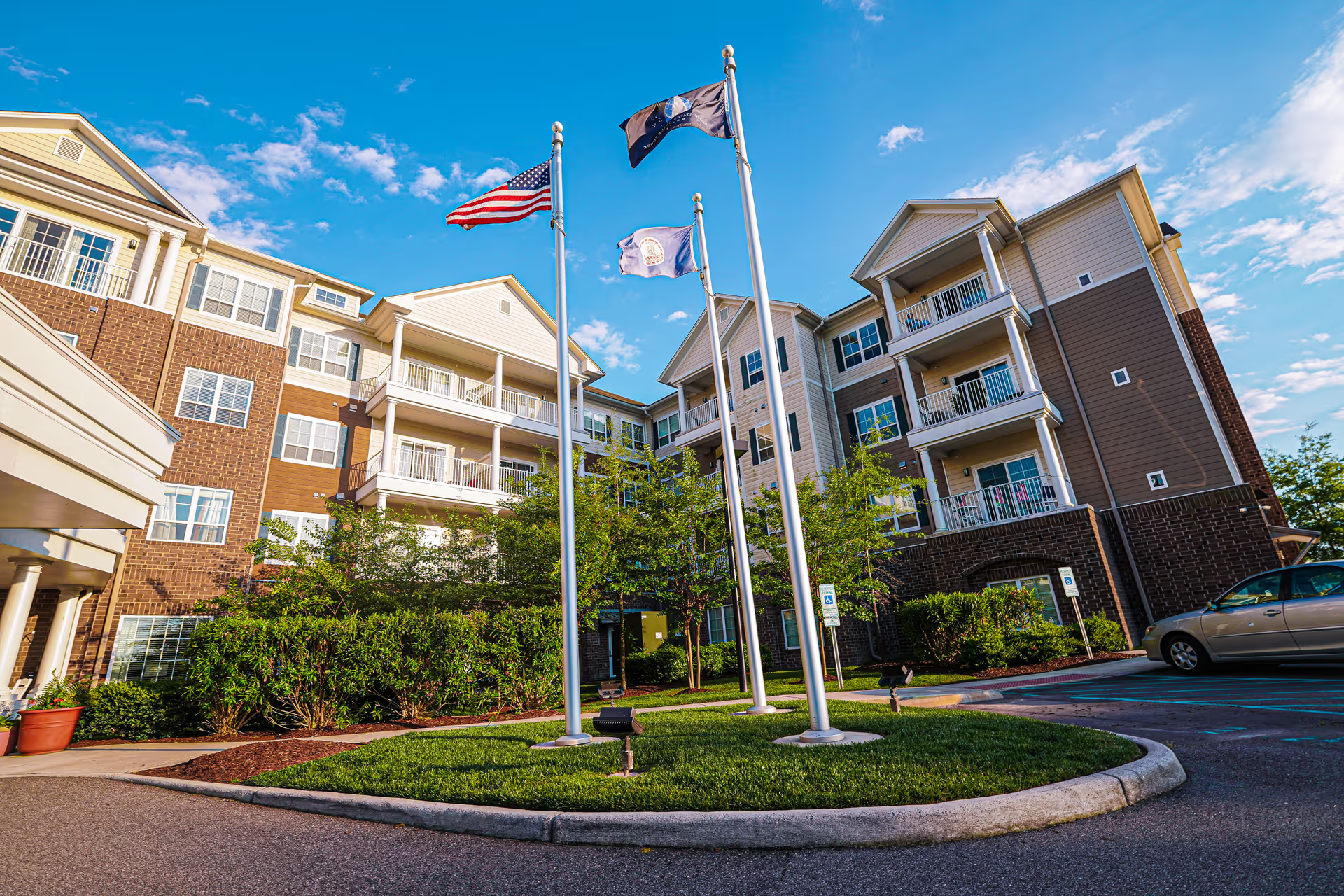
Accounts for Cypress Point Rehabilitation and Nursing present a mixed picture. Many families and clinicians praised the facility for its therapy services, engaged activity program, and a generally clean, well-maintained environment. Several specific staff roles — including physical and occupational therapists, social services, and certain nursing leaders and front-office staff — received consistent positive mention for responsiveness and advocacy. At its best the facility provides robust rehabilitation resources, accessible social-work coordination, an active calendar of events, and on-site amenities such as a salon and a large dining room.
Care quality observations are varied. Positive reports describe compassionate nursing attention, effective rehabilitation outcomes, and clear communication from certain clinical leaders. Counterbalancing those accounts are recurring operational concerns: delayed responses to call bells and personal-care requests, inconsistent bathing and incontinence-care schedules, and instances where medication administration or clinical documentation did not align with expectations. A subset of reviews raised serious clinical concerns including medication errors and care-plan inconsistencies; these comments indicate potential gaps in medication-management controls and in maintaining up-to-date medication lists and test results.
Staffing and staff conduct emerge as central themes. Reviewers highlighted several highly regarded individuals and teams who provided attentive, compassionate care and helped families navigate transitions. At the same time, many accounts note uneven staffing levels (notably in late afternoon/evening hours), variable professionalism or communication tone from some aides and nurses, and occasional language barriers among direct-care staff. These staffing patterns appear linked to delays in assistance, missed personal-care tasks, and inconsistent follow-through on physician orders.
Dining and activities are relative strengths. The dining area, variety of meals, and special programming (holiday events, celebrations, cooking classes, Bingo, and interactive activities) contributed to reports of resident engagement and satisfaction. Some families did note inconsistencies in meal delivery temperature and punctuality, which suggest kitchen-to-floor service issues rather than menu quality.
Facilities and logistics are generally described as clean and functional, with a capable rehab gym and orderly grounds. However, reviewers noted localized sanitation concerns in certain rooms or bathrooms, parking shortages, and areas of exterior maintenance that could be improved. Transportation coordination and appointment scheduling were also cited as operational pain points that affected some discharges and outpatient follow-up.
Management and communication show variability. Positive experiences describe proactive social workers and clinical managers who facilitated transitions and updates. Negative accounts emphasize difficulty reaching management by phone, unreturned calls, and uneven follow-up on incidents. A small number of reviews include serious allegations — for example, medication errors and concerns following a resident's death — which warrant direct inquiry by prospective families.
Practical takeaway: Cypress Point offers substantial rehabilitative resources, active programming, and several staff members who provide high-quality, compassionate care. Prospective residents and families should tour the facility, ask specific questions about after-hours staffing, medication-administration protocols, call-button response times, and sanitation monitoring, and request examples of how the facility documents and follows up on clinical incidents. Those steps can help assess how well the facility’s strengths will match a given resident’s care needs and risk profile.