Overall impression Our Lady of Perpetual Help presents as a long-established, well-kept senior-living community with many strengths in hands-on care, activities, and campus upkeep. Reviewers consistently praise experienced, compassionate caregivers and nursing leadership, noting low staff turnover and visible continuity of care. Clinical routines such as medication administration, bathing, nutrition and hydration monitoring, and rehabilitation services receive favorable comment, and the onsite RN leadership contributes to a perception of solid clinical oversight for typical assisted-living and memory-care needs.
Care and clinical patterns Care quality is described positively for residents with chronic and memory-care needs: the secured memory unit, fenced outdoor walking area, and patient, experienced caregivers are recurring strengths. However, families raising concerns tended to focus on residents with higher-acuity needs. These concerns point to variable clinical monitoring and outcomes for some complex cases (for example, unintended weight change and risks associated with prolonged immobility). Staffing pressure and caregiver workload were also noted as ongoing challenges, which can affect consistency of care during high-demand periods. Prospective residents with significant medical complexity should seek specifics about staffing ratios, clinical oversight, and recent quality metrics during tour discussions.
Dining, activities, and daily life The dining program and activities department are major assets. Meals are described as home-style, generous, and well-prepared, served in a large, social dining room. The activity calendar is broad and active — indoor events (bowling night, games, music), outings, seasonal celebrations, religious services, and salon/hair services contribute to a home-like environment and strong social engagement. Physical-therapy and rehab services are highlighted as effective, and many families report that residents enjoy the community aspects and feel at home.
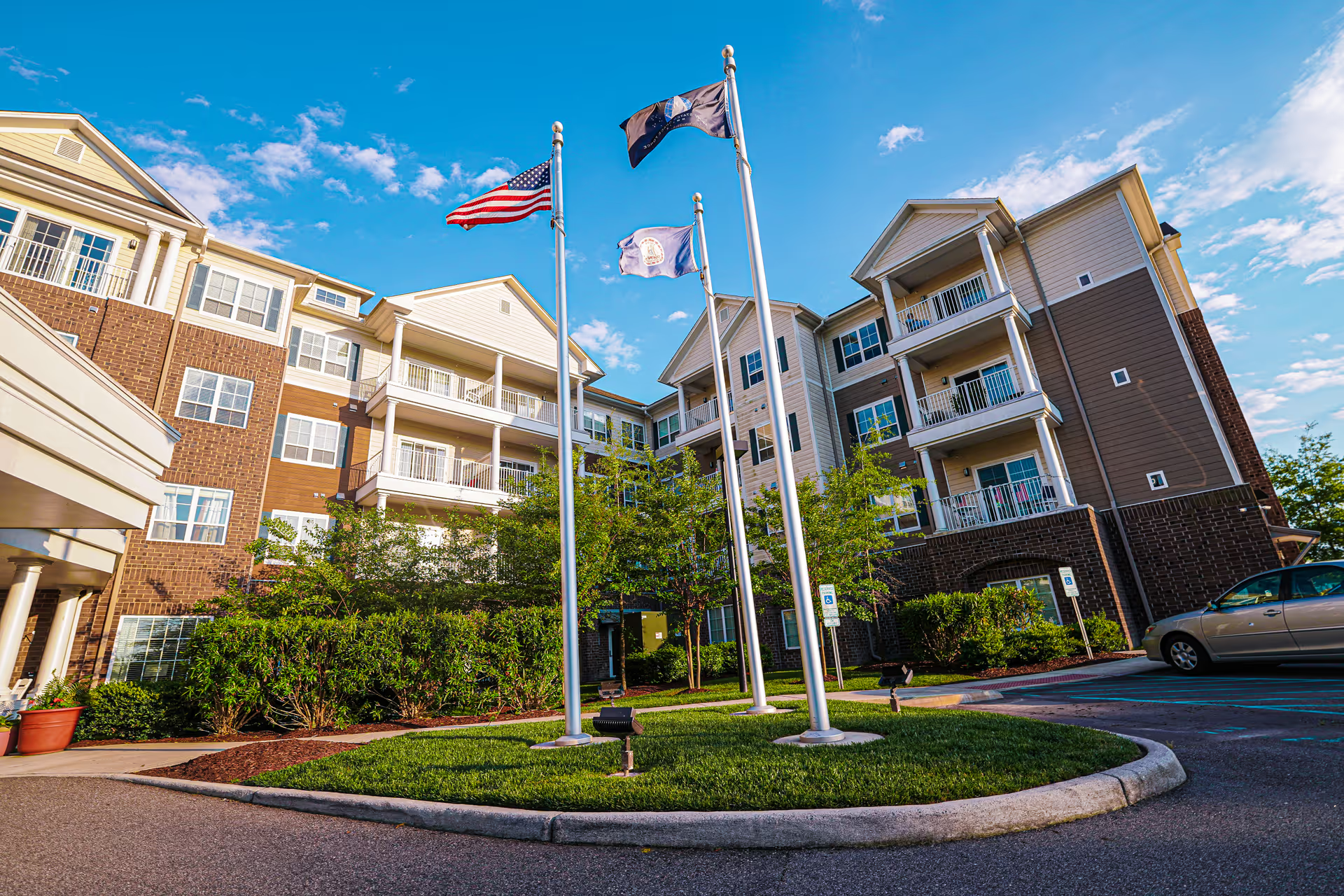
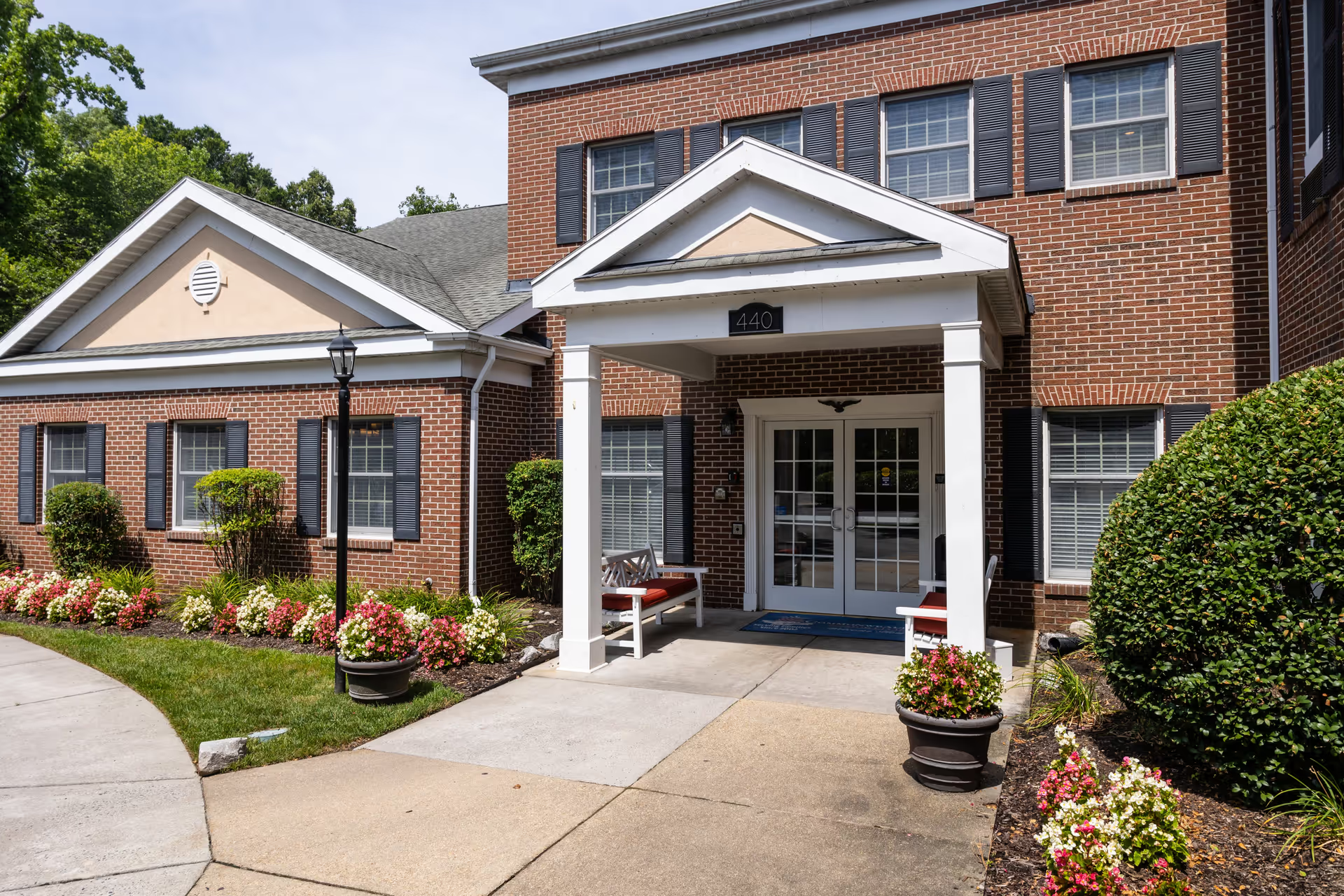
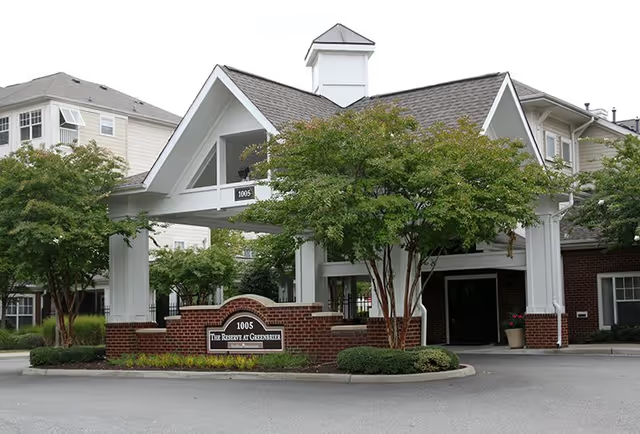
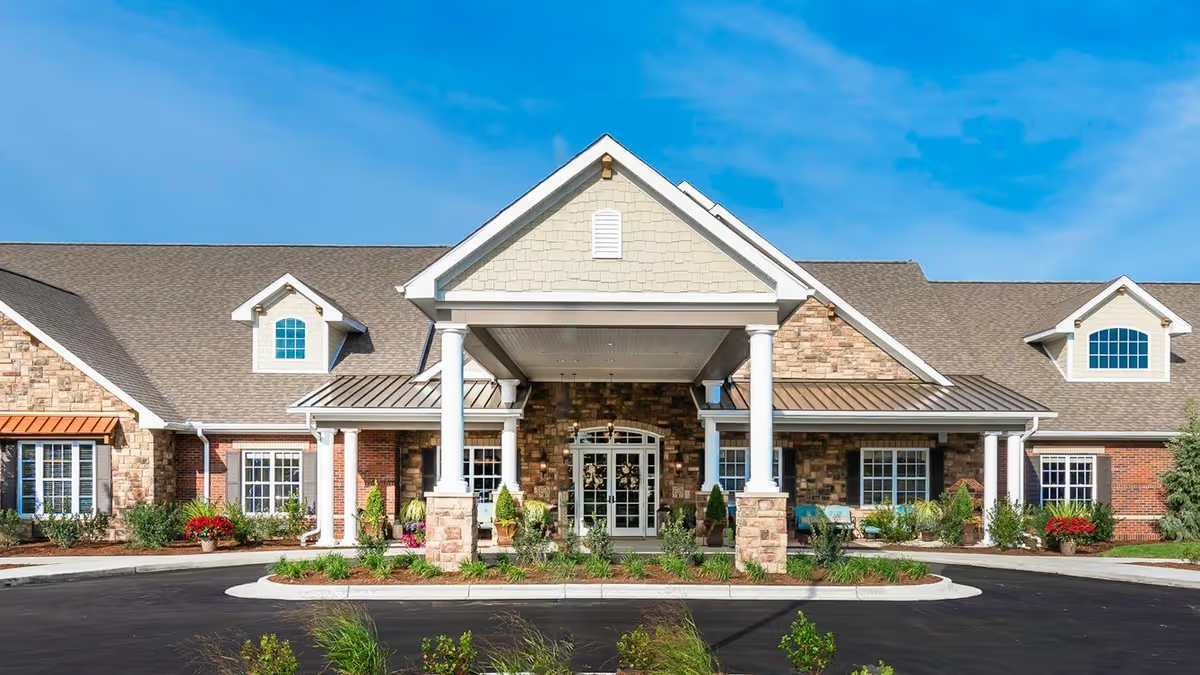
Facilities, management, and operational notes The campus is consistently described as clean, well-manicured and inviting, though the interior decor and some common-area finishes are dated compared with newer facilities. Reviewers also requested improved common-area audiovisual amenities (larger TVs). Operationally, transportation services and driver oversight surfaced as a notable area of concern: inconsistent scheduling, vehicle maintenance delays, and safety-related behavior by drivers were mentioned. Management responsiveness is generally characterized as professional and helpful, but there are occasional notes about operational inconsistencies and mixed family experiences. Cost is another practical consideration: the community is described as more expensive than alternatives by some families.
Guidance for families For families considering this community, strengths to verify in a visit include staff continuity, nurse leadership, dining quality, activity participation, and the condition of the memory-care unit and outdoor areas. Areas to inquire about include current staffing ratios (day/night), policies for high-acuity residents and clinical escalation, recent quality indicators (falls, weight change monitoring, pressure-injury prevention), transportation policies and driver vetting, and a clear explanation of pricing and contract terms. Observing a mealtime, an activity session, and the secured memory-care area during a tour will help assess fit for a prospective resident’s medical and social needs.