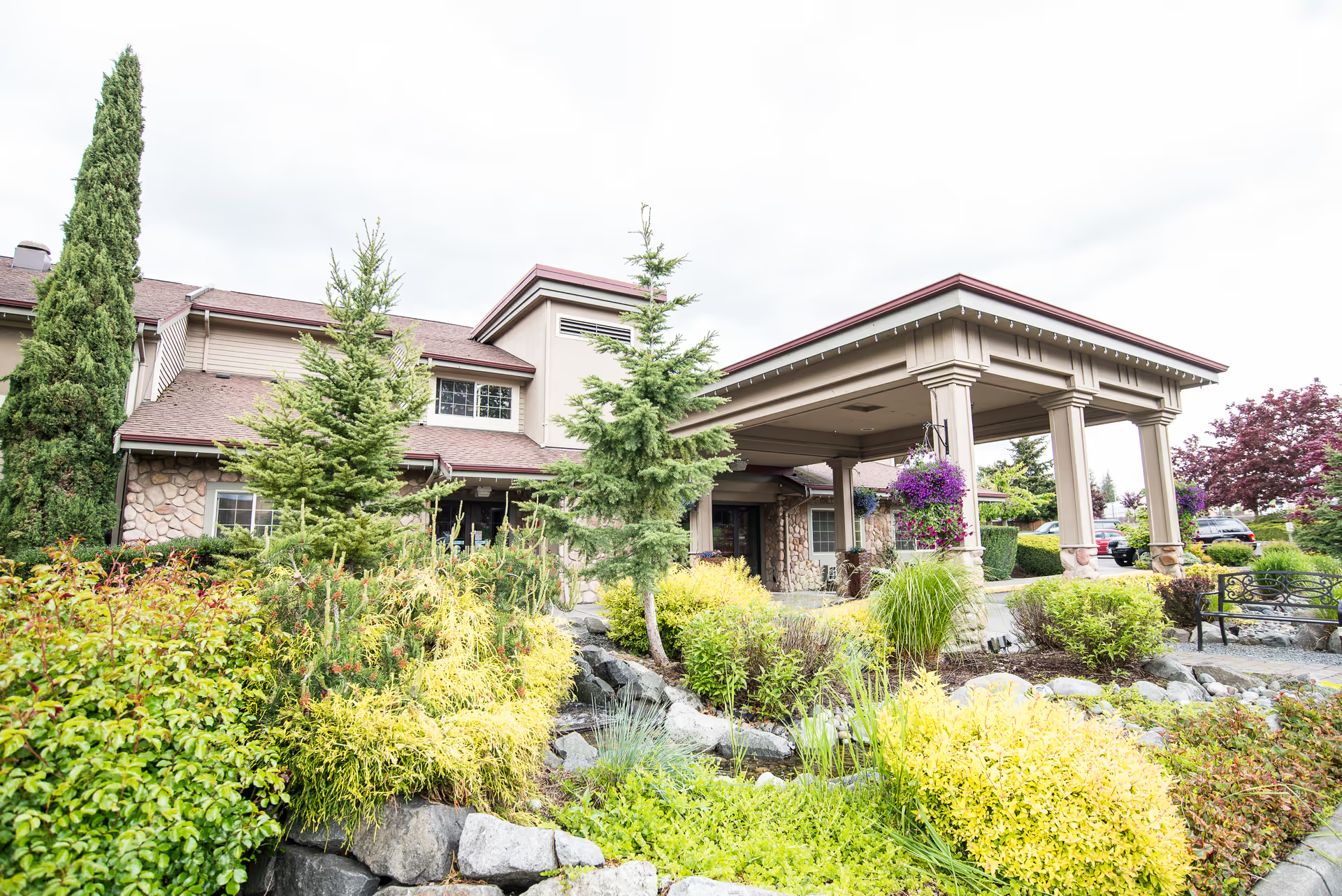
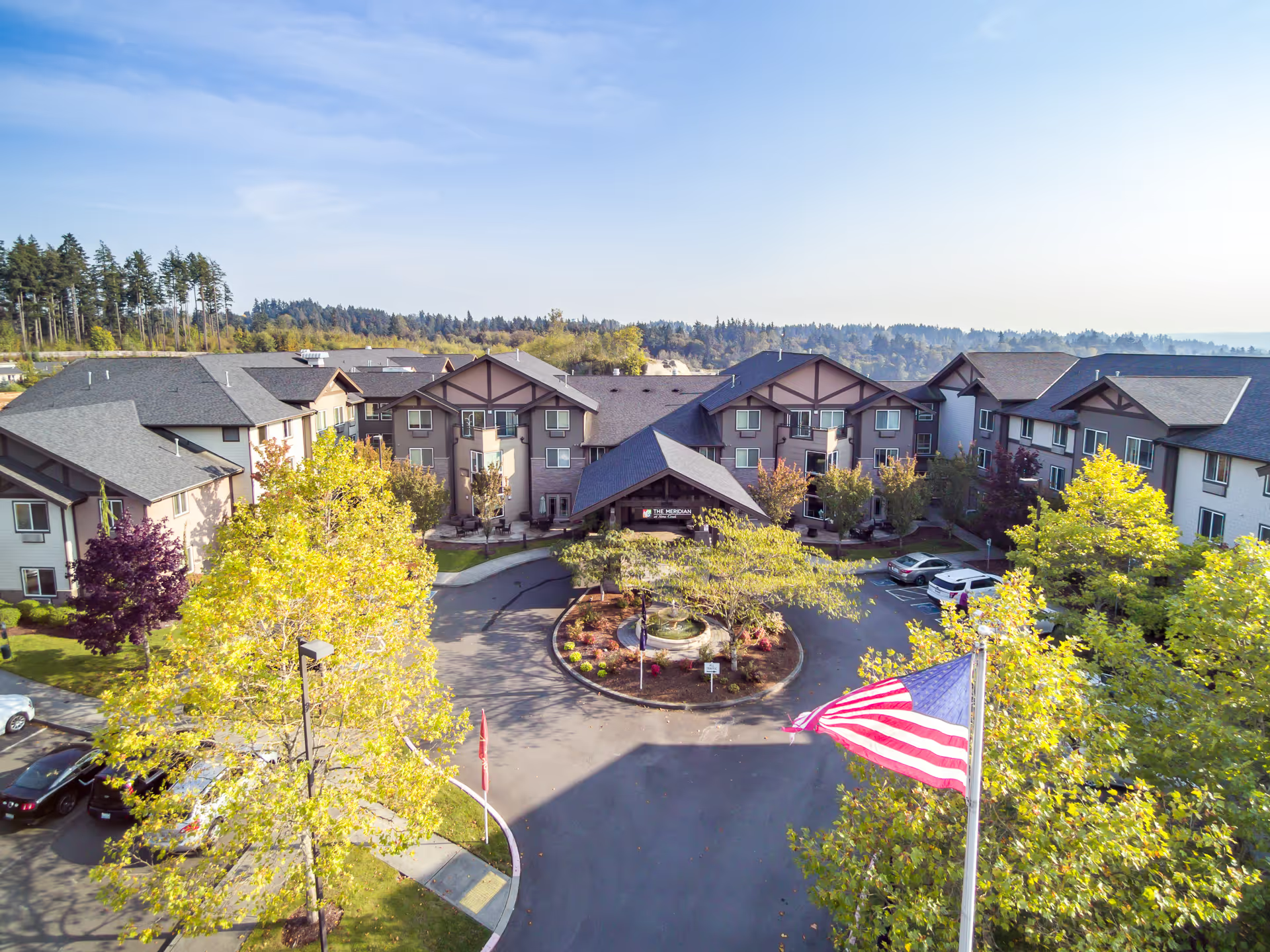
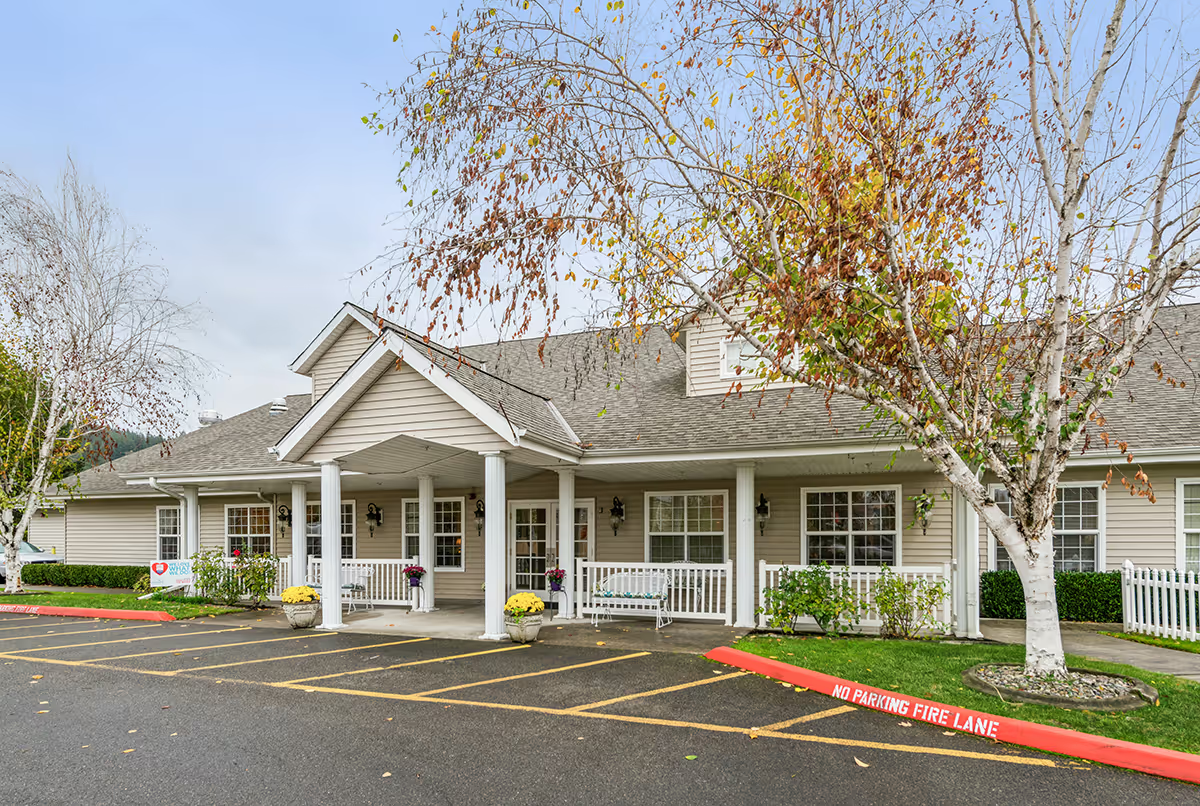
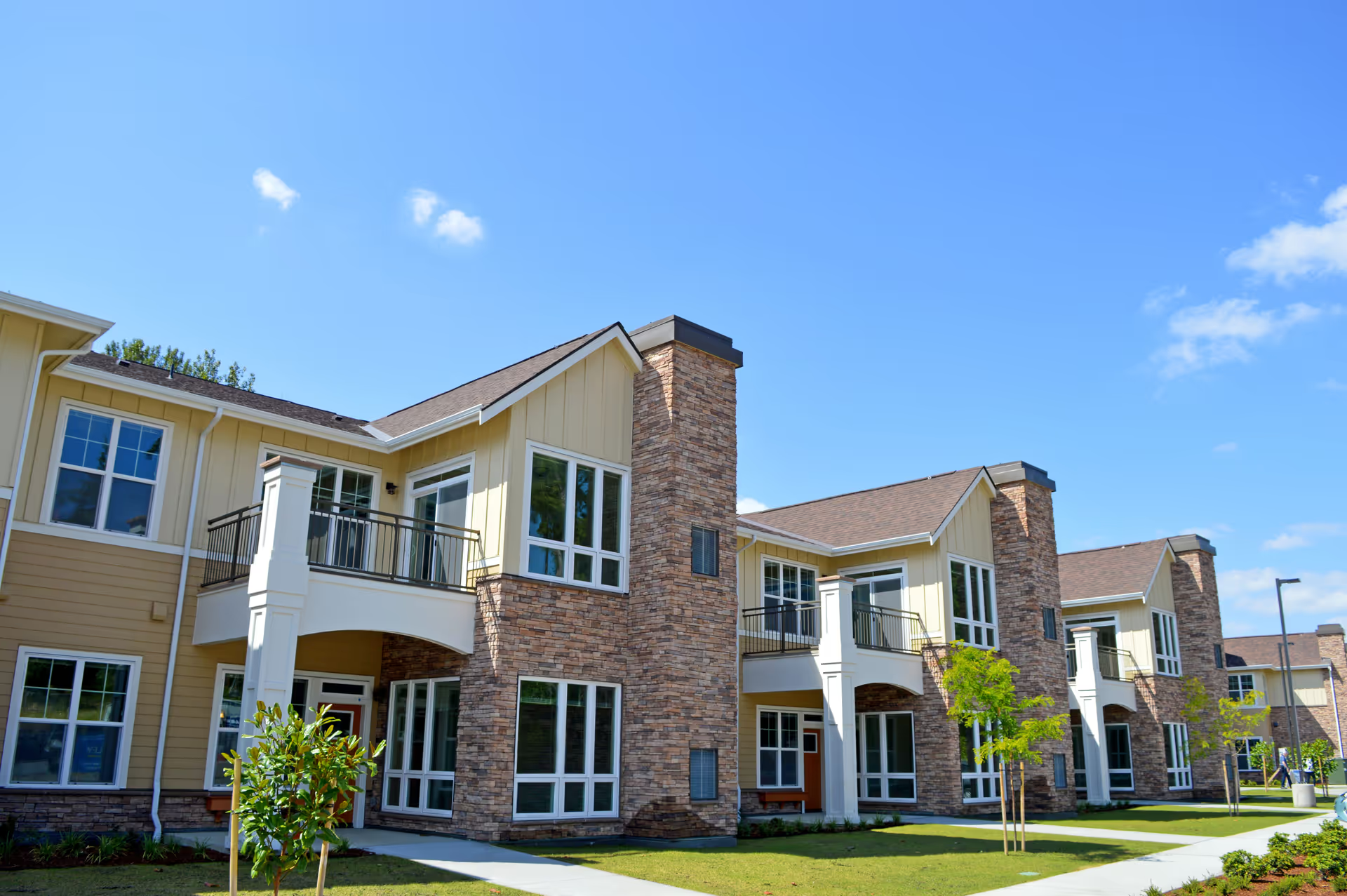
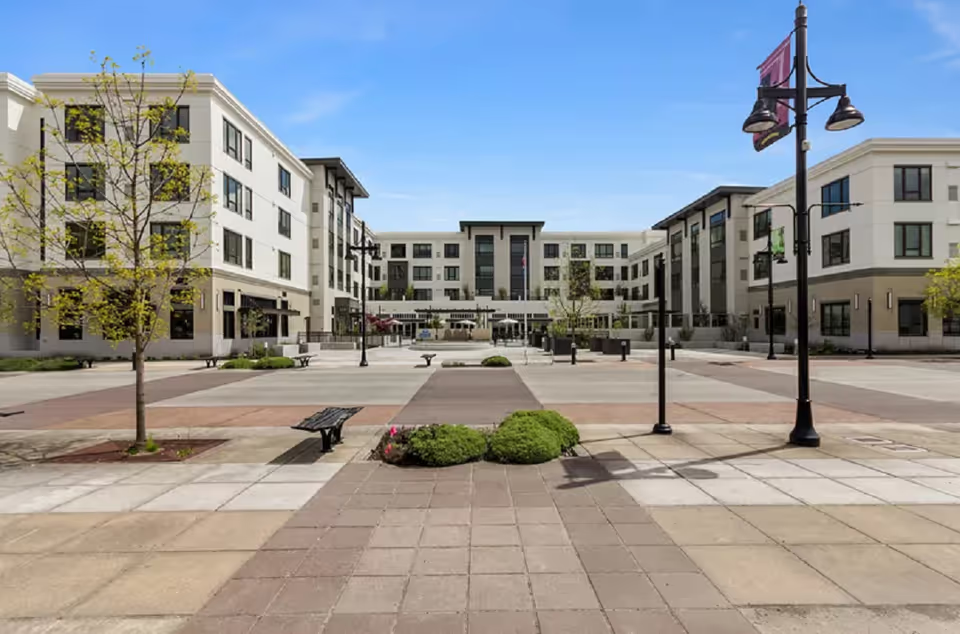
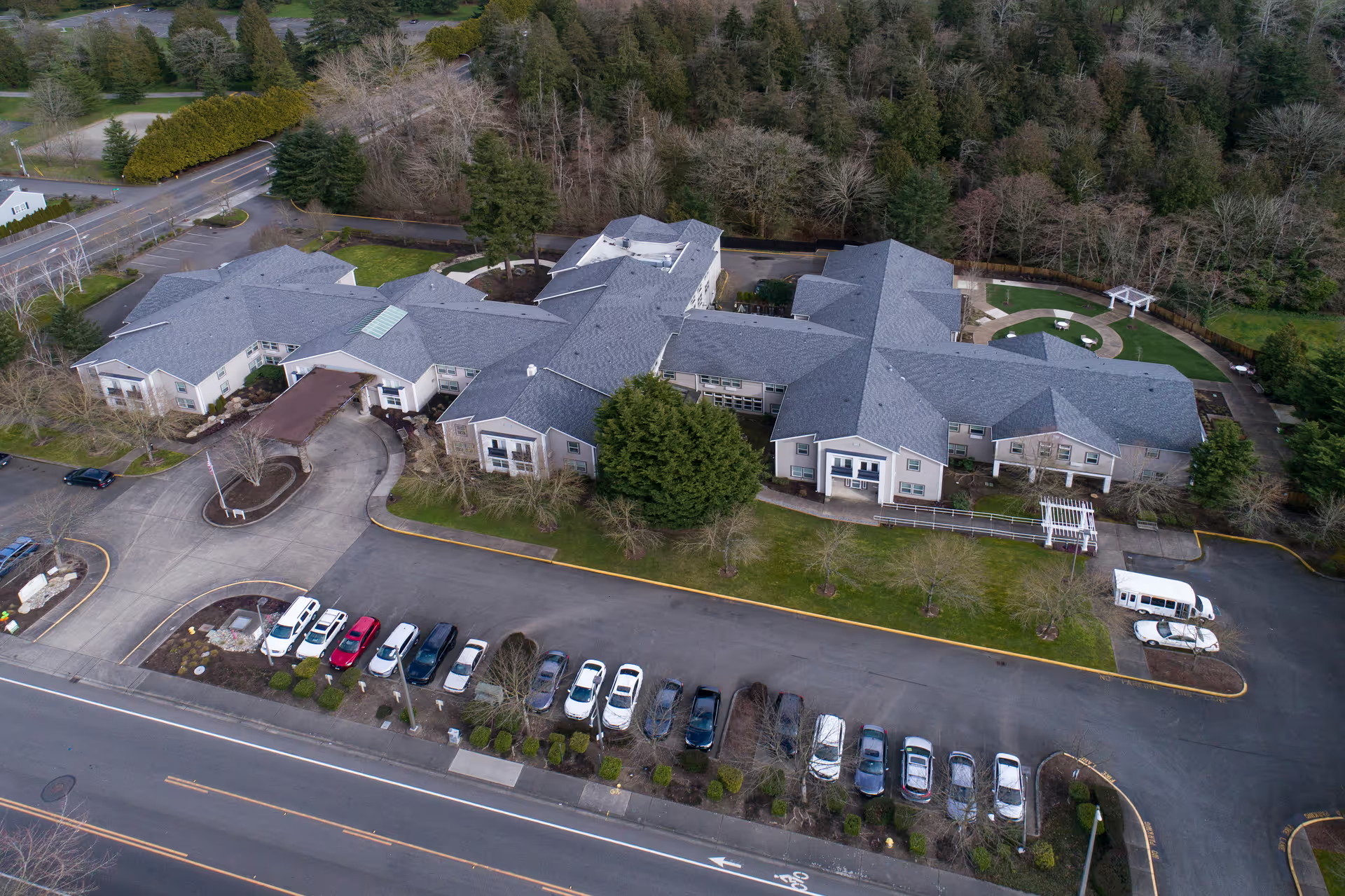
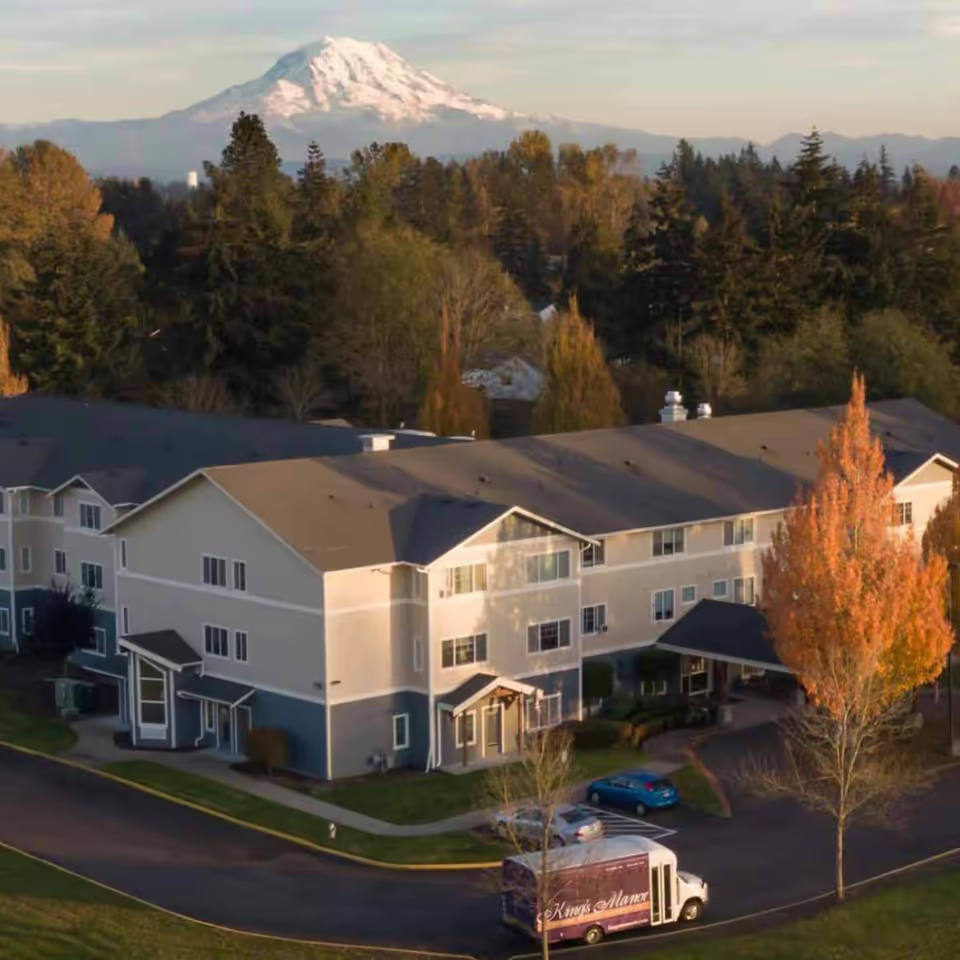
The reviews present a mixed but sharply divided picture of Cottages of Edgewood. Many families praise the facility's memory-care program, describing staff as compassionate and patient and noting an engaging activity calendar and strong, personalized programming for residents with cognitive needs. Several reviewers highlighted the dining experience positively — including an open kitchen layout that allows families to view meal preparation and generally high food quality. The physical environment is frequently described as well laid out and peaceful, with clean private rooms, ample communal space, and a fenced outdoor area that families appreciate.
At the same time, a number of reviewers raised operational concerns that point to inconsistency in day-to-day care. The primary clinical worries center on uneven assistance with activities of daily living (bathing, hygiene, toileting and dressing) and reports of delayed clinical attention or slow notification to families when residents experience acute changes. These issues suggest variability in care delivery and emergency-response practices rather than a uniform standard of performance.
Staffing and management emerge as a key area of variability. Positive accounts emphasize warm, attentive caregivers and clear communication from management, while negative accounts describe high staff turnover, unresponsive supervisors, and management follow-through gaps. These patterns are consistent with an organization where individual units or shifts may perform very differently depending on staffing stability and local leadership.
Dining and social life show similar divergence. Many reviewers commend the meals and activity offerings, particularly within the memory-care neighborhood, citing engaging, structured programs. Others describe restricted dining interactions or limited activity breadth, implying that social opportunities may be more robust in some parts of the community than others. There are also isolated but consequential concerns about meal-service continuity (missed or inconsistent meal delivery) that prospective families should verify.
Facility features are generally a strength: visible kitchens, open common areas, and secure outdoor space are repeatedly noted. However, reports of variable sanitation standards mean that cleanliness can be inconsistent across units or times; prospective visitors should observe housekeeping and common-area conditions during a tour. Additionally, allegations of theft and gaps in personal-property security were raised and warrant direct discussion with management about policies for valuables and inventory procedures.
Recommendation for prospective families: the facility appears to provide strong memory-care services and a well-appointed environment when staffing and management are stable, but there are documented operational weaknesses that could affect daily care. When evaluating Cottages of Edgewood, ask specific questions about staffing ratios and turnover, ADL assistance schedules, emergency-response protocols and family notification processes, meal-service continuity, property-security measures, and sample activity calendars. Observing the community during a mealtime and an activity period, and requesting a written summary of clinical and staffing policies, will help clarify whether the facility’s strengths align with a given resident’s needs.