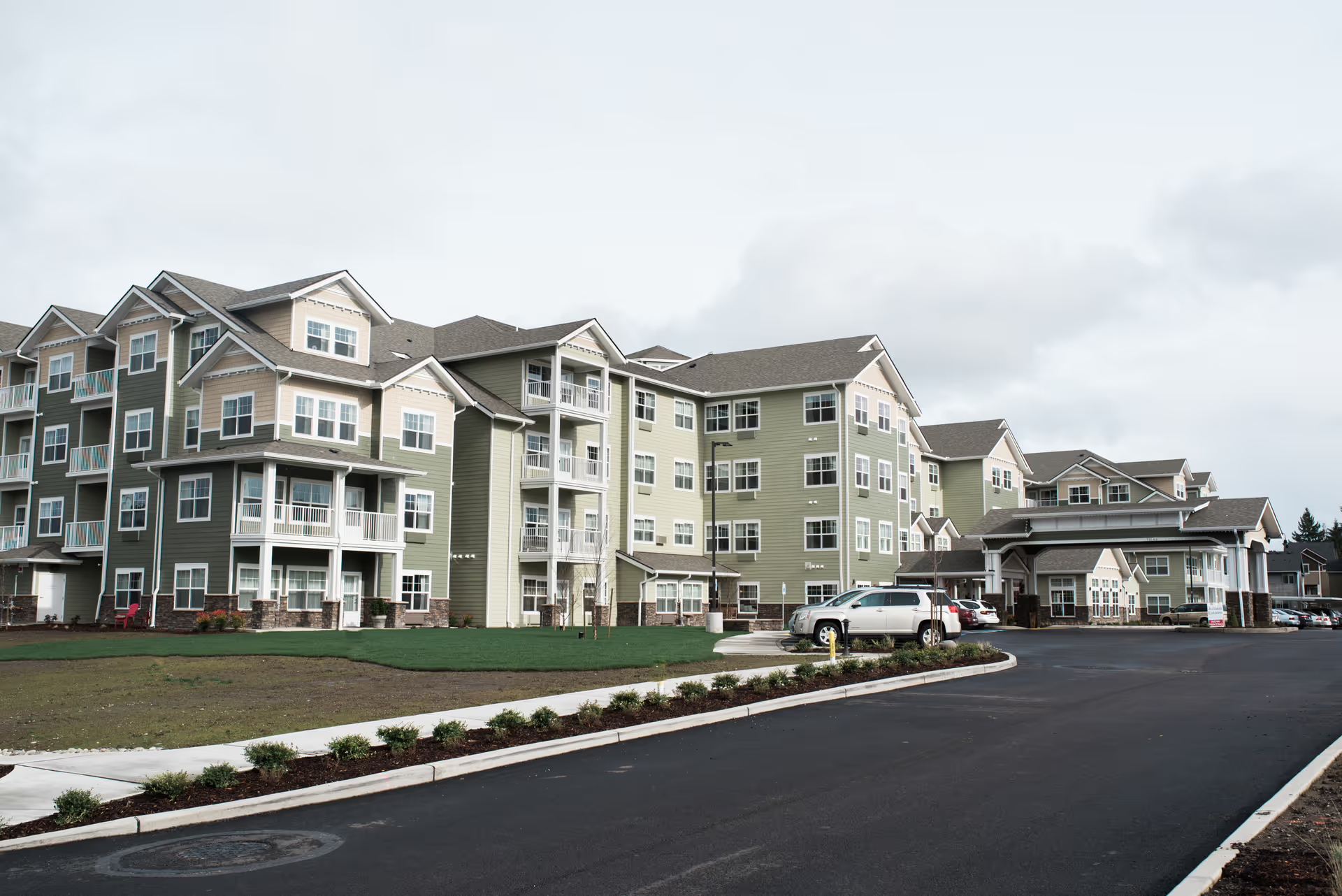
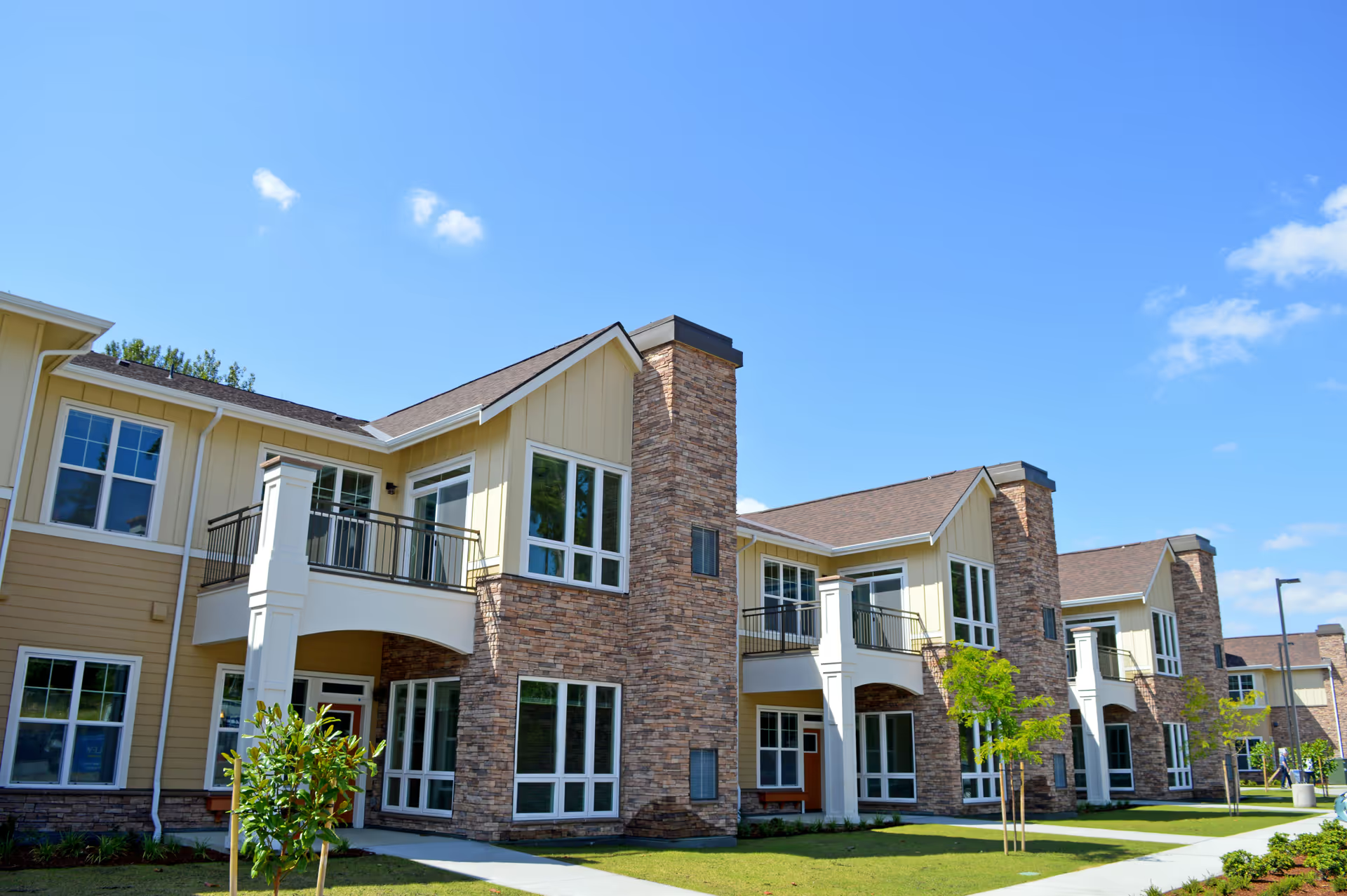
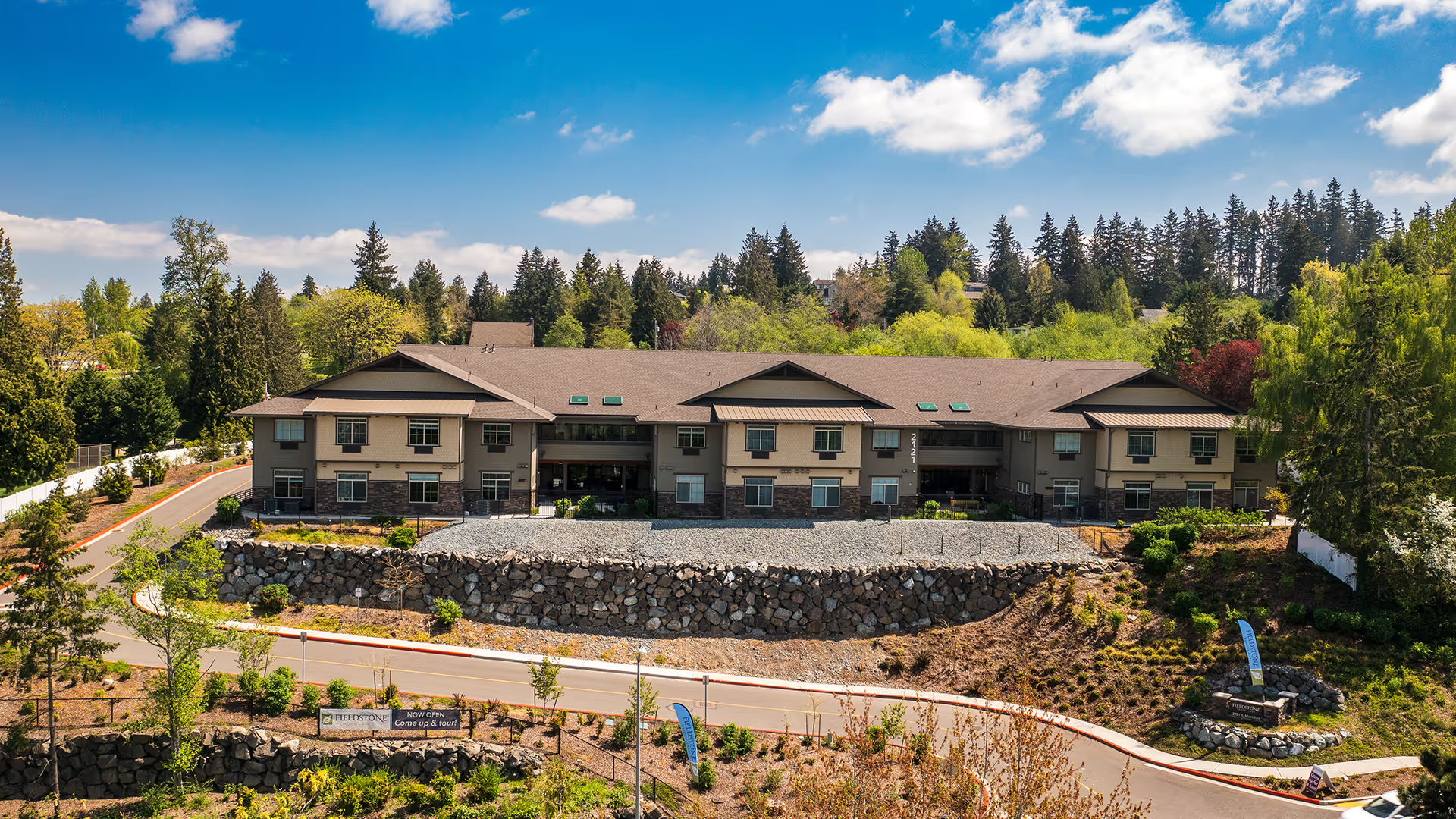
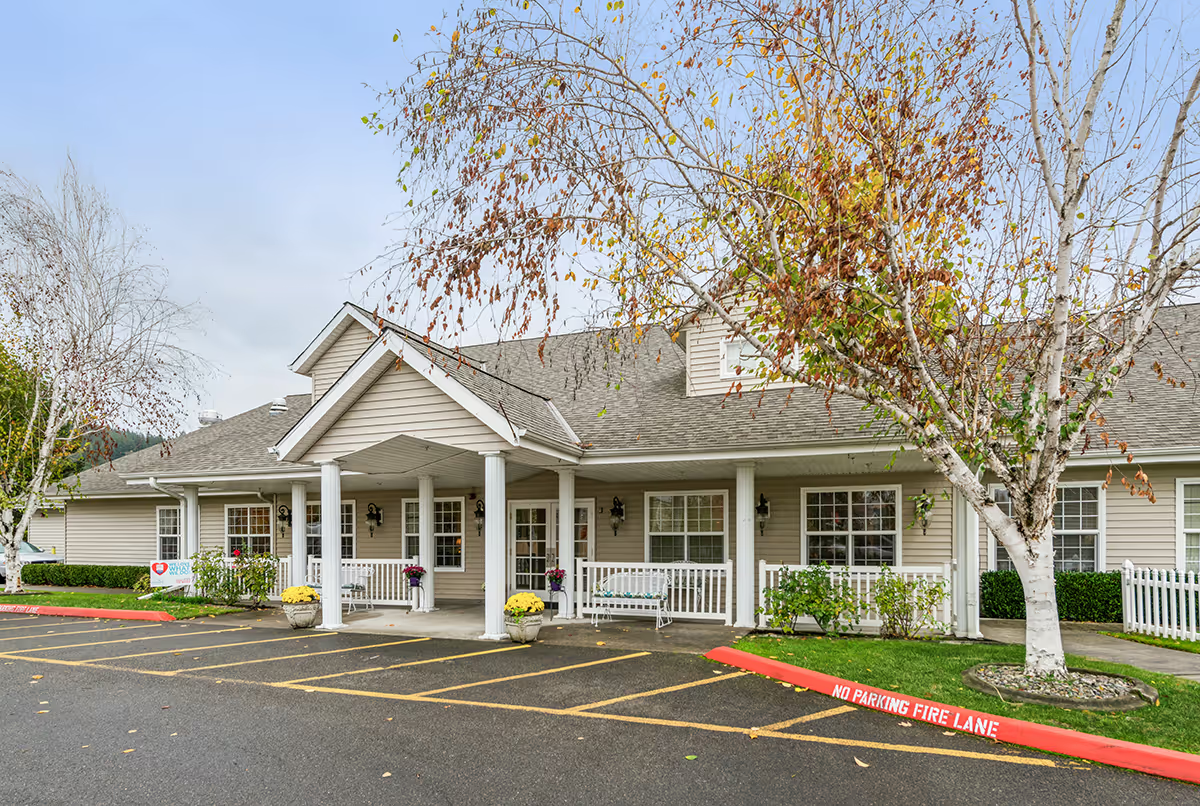
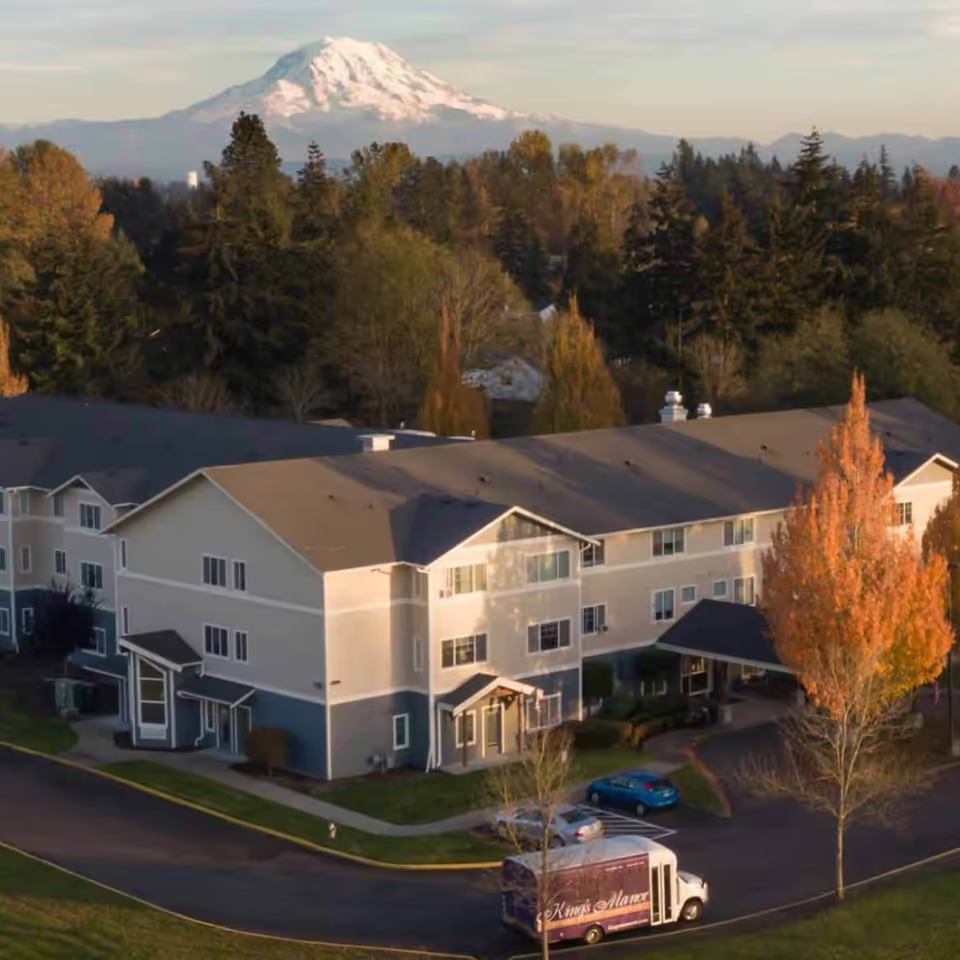
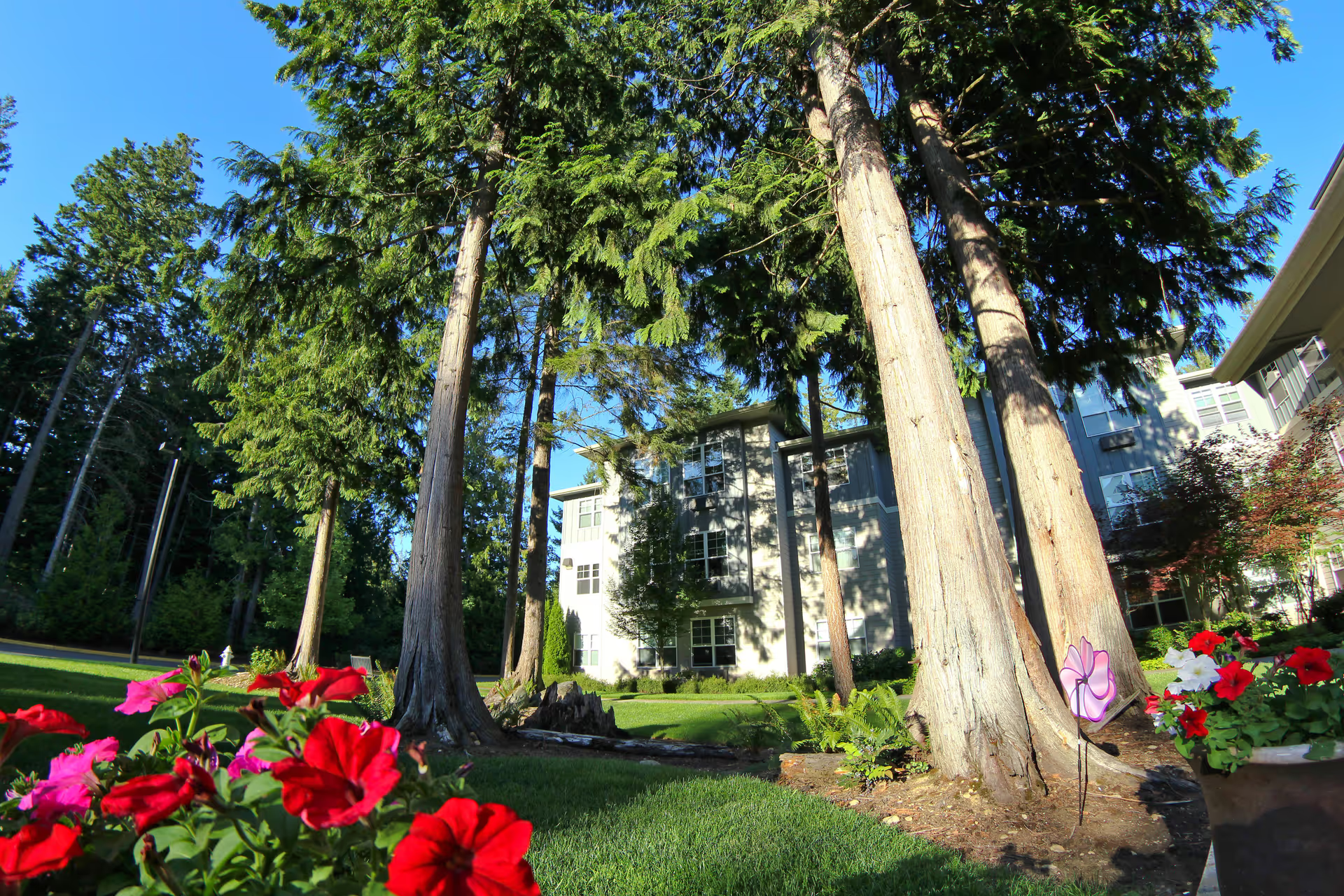
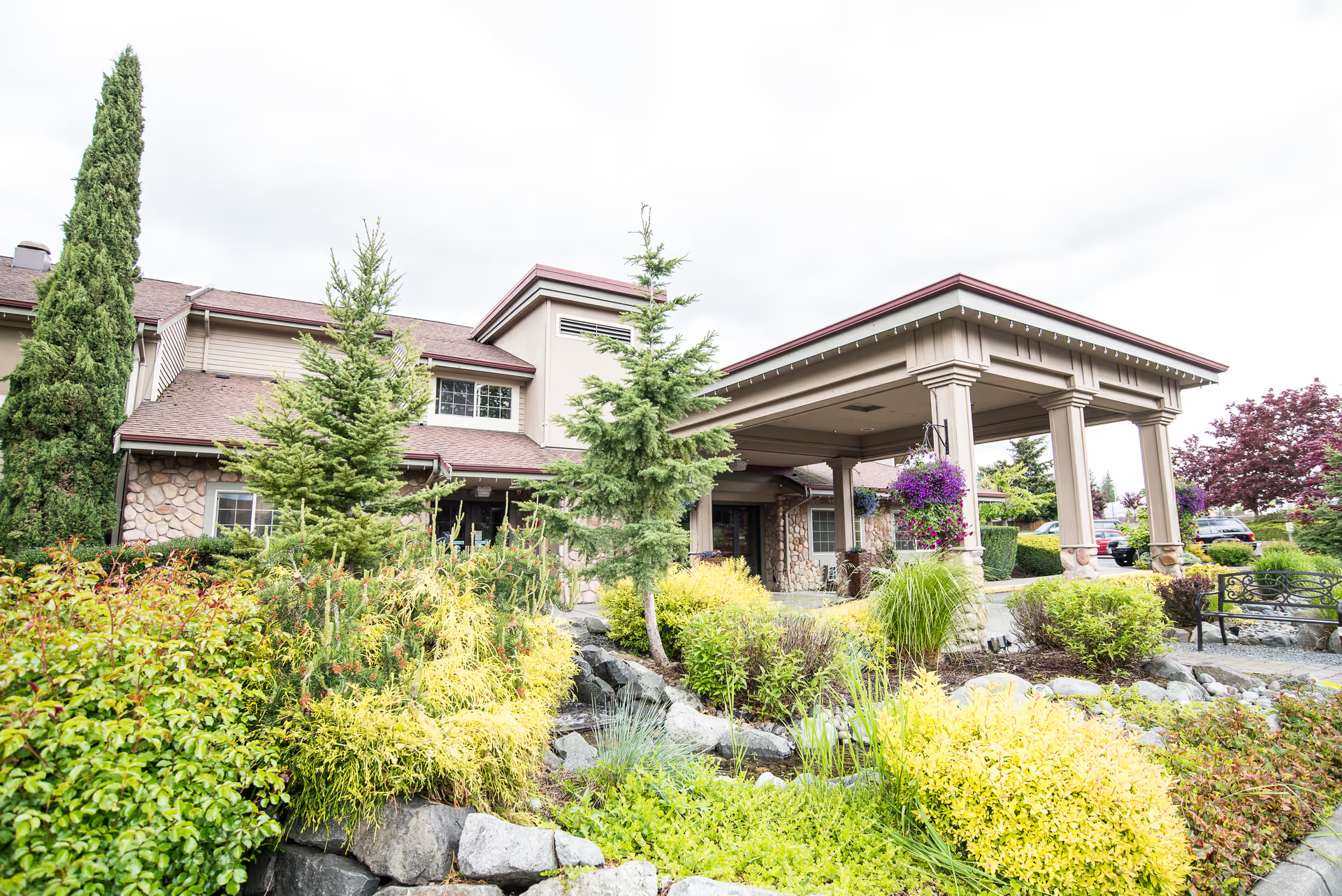
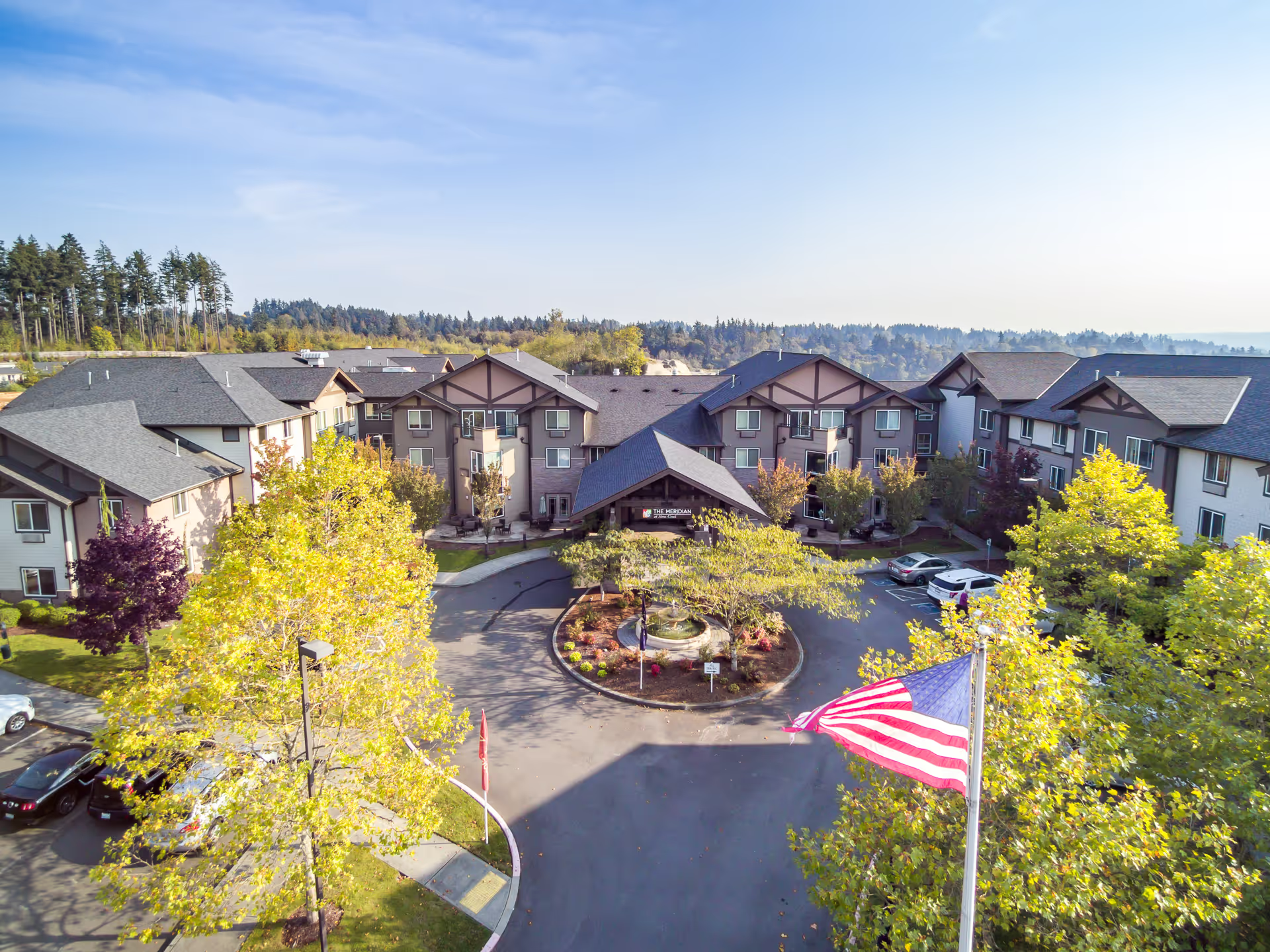
Bonaventure of Puyallup is consistently described as a modern, well-appointed senior community with strong amenities and a warm front-line staff presence. Many reviewers highlight the new construction, clean interiors, spacious independent-living apartments with balconies and kitchens, and a robust set of on-site features such as a bowling alley, movie theater, cafe/pub, library, and outdoor courtyards. Numerous families praised quick maintenance, routine apartment cleaning, concierge and shuttle services, and an active calendar of events and outings.
Care quality and staffing present a mixed picture. Several accounts emphasize compassionate, attentive caregivers who learn residents’ names and provide reassuring, hands-on assistance; by contrast, there are repeated operational concerns about inconsistent staffing levels, high turnover, and insufficient night or after-hours coverage. These workforce issues are linked in reviews to delays in medication administration, slow response to call-buttons, missed or late meals, and inconsistencies in bathing and incontinence-related care. A subset of families described incidents that resulted in hospital visits or sanitation concerns; other families reported smooth clinical support and a medical director who participates in care coordination. Overall, clinical reliability appears variable and often correlated with current staffing levels.
Dining receives both praise and critique. Many reviewers found the food appealing, with an open salad bar, varied menu rotation, and some specific menu items called out positively. At the same time, reviewers described episodes of bland offerings, slow dining-room service when staffing was stretched, meals running out, and schedule/timing issues (for example, meals served earlier than expected). These comments suggest that culinary consistency is dependent on staffing and service continuity.
The activities program is a clear strength when adequately staffed: the community offers a broad range of daily and weekly opportunities including structured exercise, crafts, live entertainment, bowling, movies, trips, and church events. Reviewers who experienced the full program described it as engaging and well curated; however, cancellations and curtailed programming were noted during periods of staffing shortage, and some activities are perceived as oriented toward specific resident groups rather than fully individualized.
Facility management and communication show variability. Several directors and managers received specific praise for organization, responsiveness, and an effective move-in experience. Conversely, other accounts cite inconsistent communication, slow follow-through on complaints, management tone concerns, and occasional policy-handling missteps (for example, difficulty obtaining documentation or perceived pressure around residency decisions). Corporate-level decisions, such as budget adjustments or rent increases, were also cited as sources of staff turnover and family dissatisfaction about value.
Notable patterns across reviews point to a dichotomy: when staffing is stable and leadership is engaged, residents and families report a high-quality, amenity-rich living experience; when staffing or communication lapses occur, operational weaknesses (medication timing, meal-service continuity, bathing/incontinence processes, and cleanliness oversight) become evident. Prospective residents and families should verify current staffing ratios, medication-administration protocols, emergency and after-hours coverage, recent inspection or incident follow-up, rent-increase history, and security/parking arrangements during tours. Doing so will help align expectations with the facility’s strengths and the areas that have been flagged for closer scrutiny.