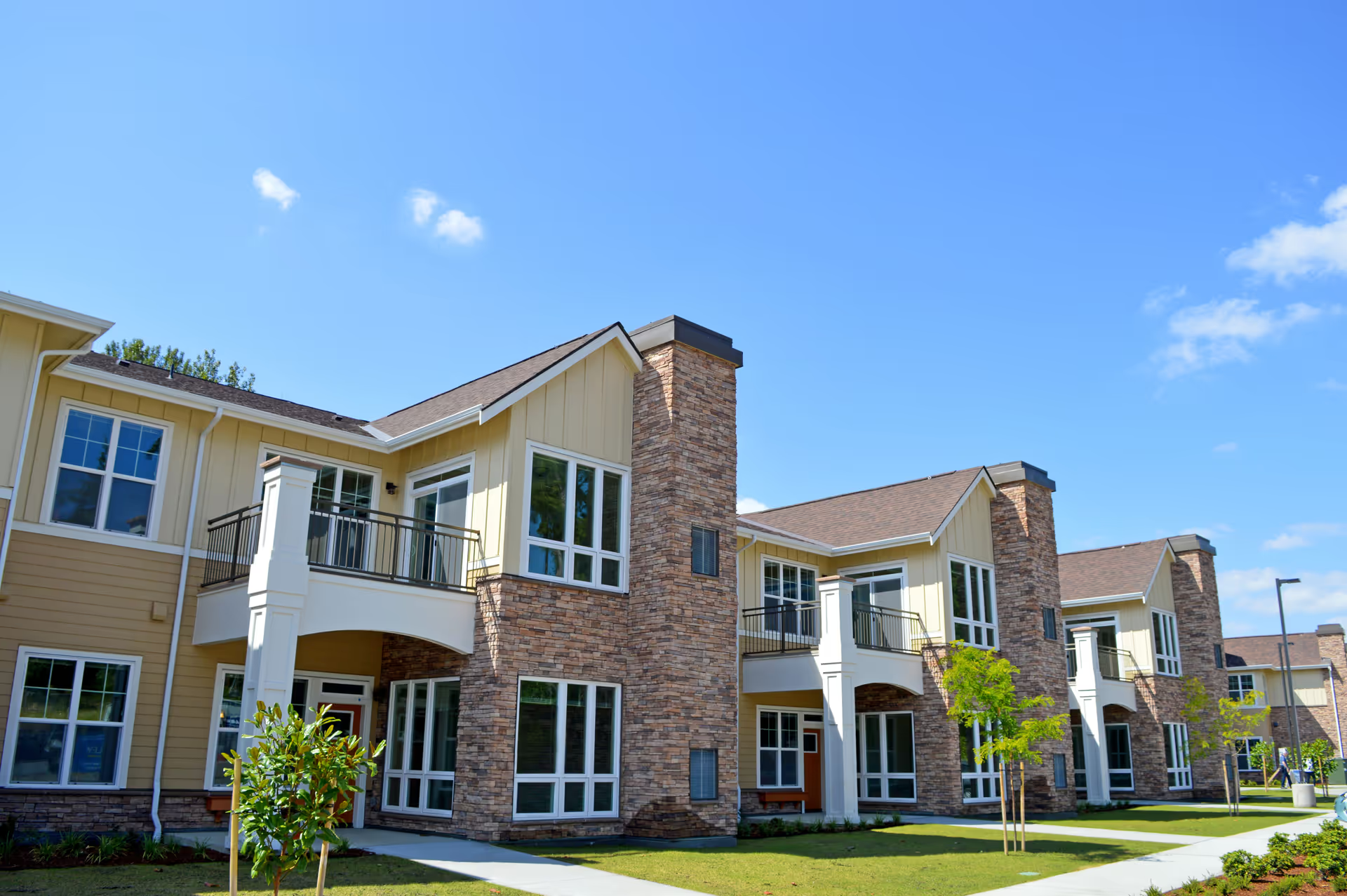
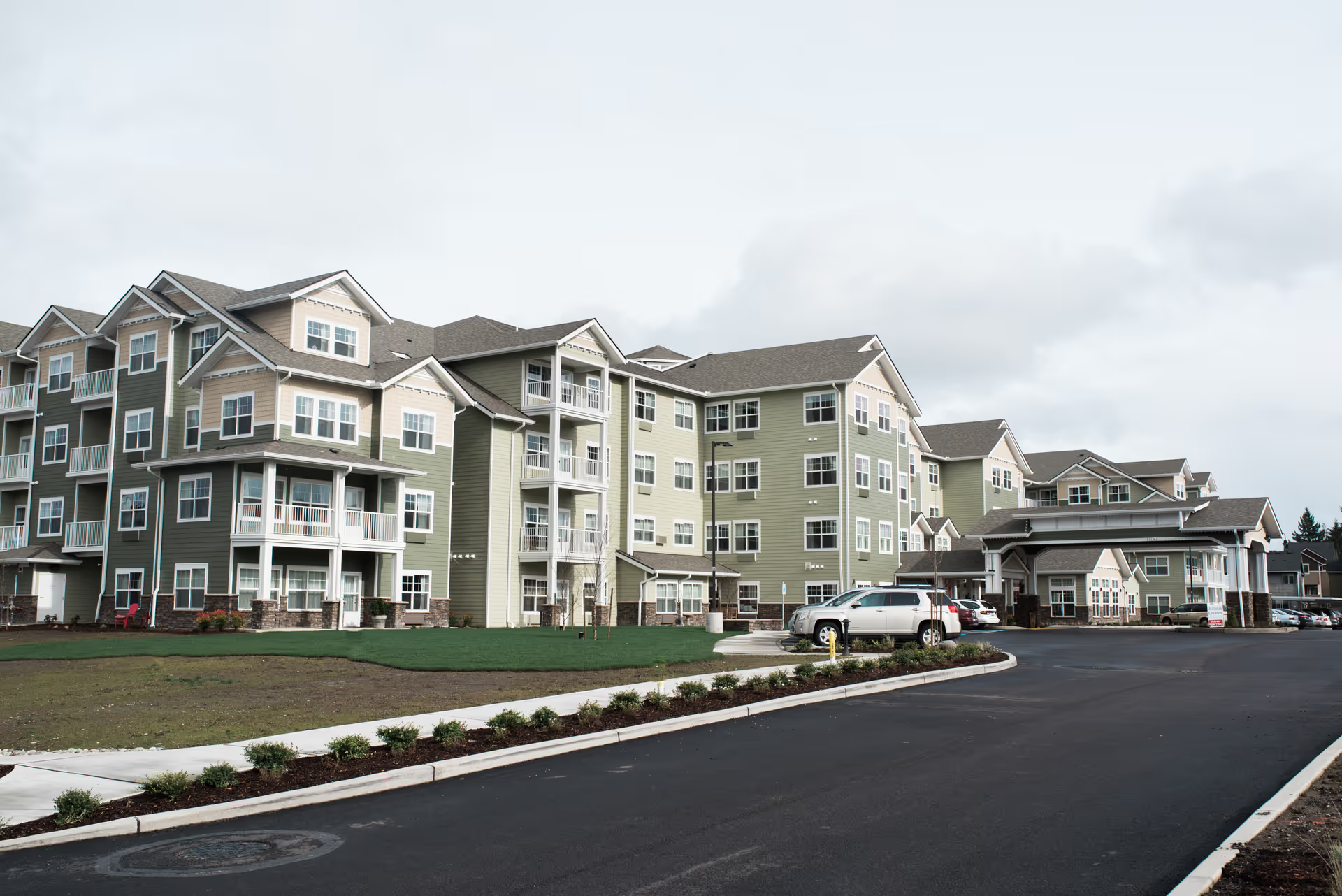
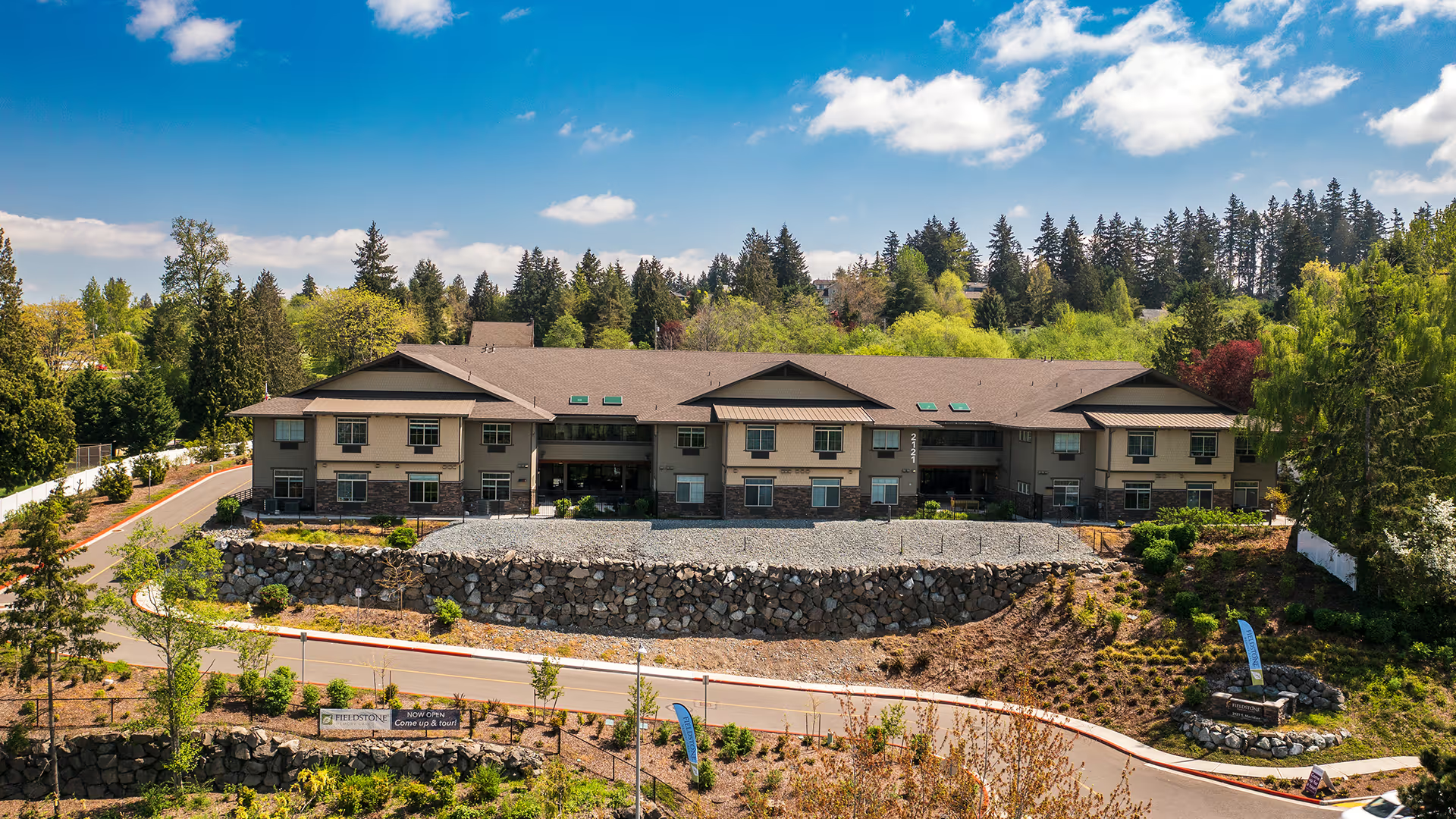
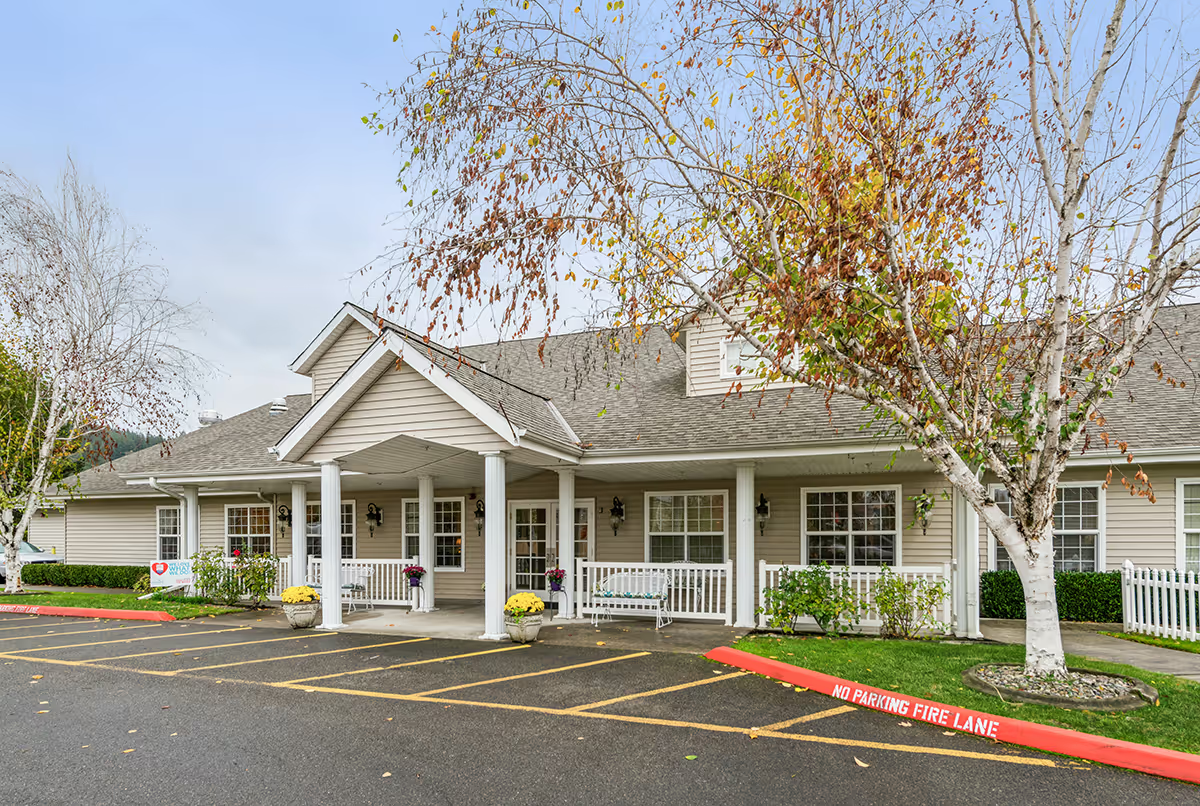
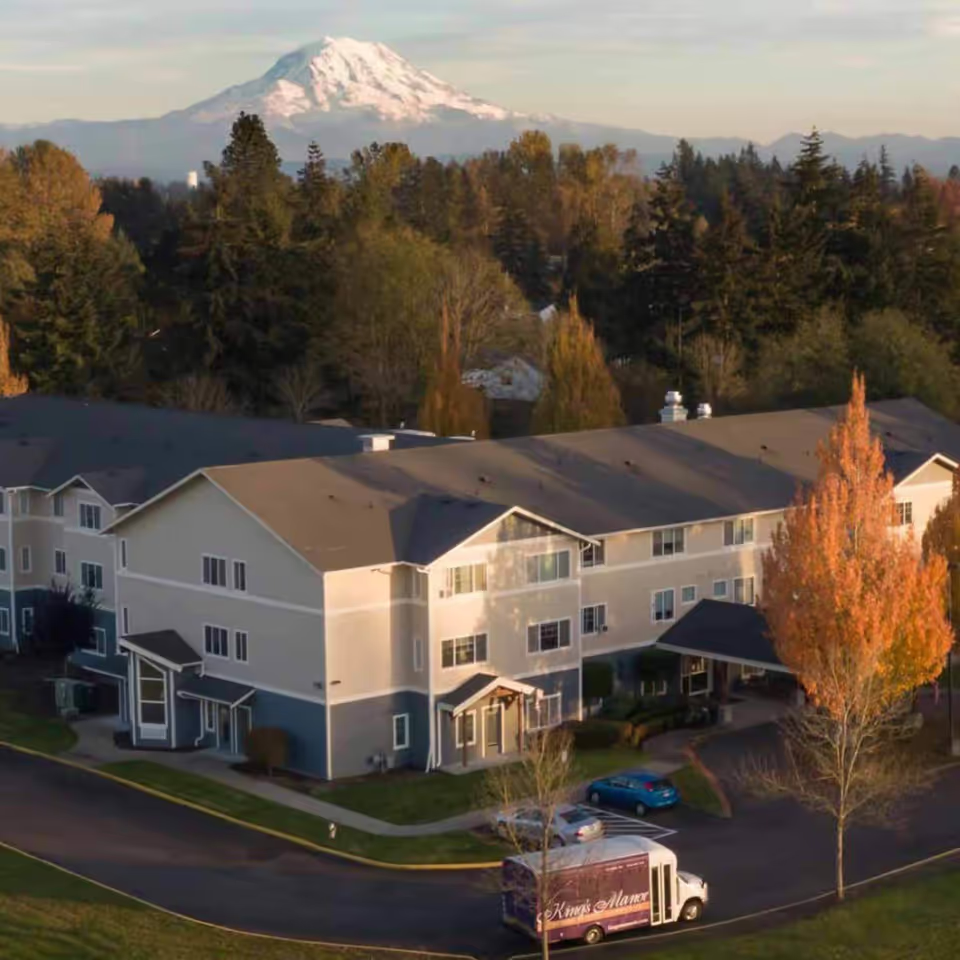
Overall impression: Holiday South Hill presents a split picture. Many reviewers praise the facility’s setting, common areas, and day-to-day social environment: attractive grounds, bright communal spaces, a variety of apartment types, and a broad set of on-site amenities. Several families and residents describe warm, personable staff members and reliable transportation and excursions, and a number of residents report strong social connections and satisfaction with independent-living services.
Care and staff: Direct-care and front-line staff are frequently described as helpful, compassionate, and engaged; particular staff members drew positive mention for responsiveness and follow-up. At the same time, reviewers also describe high staff turnover and variable management continuity. That variability appears to affect responsiveness to resident requests, timeliness of repairs, and consistency in routine services. Prospective residents should expect a workforce that is capable and caring in many cases but may experience uneven service levels tied to staffing and supervisory changes.
Dining and food service: Dining receives mixed feedback. Positive comments reference a restaurant-style dining room and occasions of well-prepared, balanced meals with fresh fruit and snacks. Countervailing concerns include inconsistent food quality, small portions or limited protein options, frequent substitutions without advance notice, long meal-service times, and staffing shortages in the kitchen. Reviewers also mention extra fees for takeout meals. These patterns suggest that meal experience can vary significantly by day and by staffing level; families should verify current kitchen staffing and sample menus before deciding.
Activities and social life: The community offers a broad activity program — bingo, classes (painting, Tai Chi), outings, and special events are commonly available, and transportation supports off-site excursions. However, attendance and programming continuity are variable; some reviewers noted low participation or the loss of favored events such as movie nights. Activity strength tends to be a function of staff coordination and resident interest, so prospective residents should review the activity calendar and speak with the life-enrichment staff about typical participation levels.
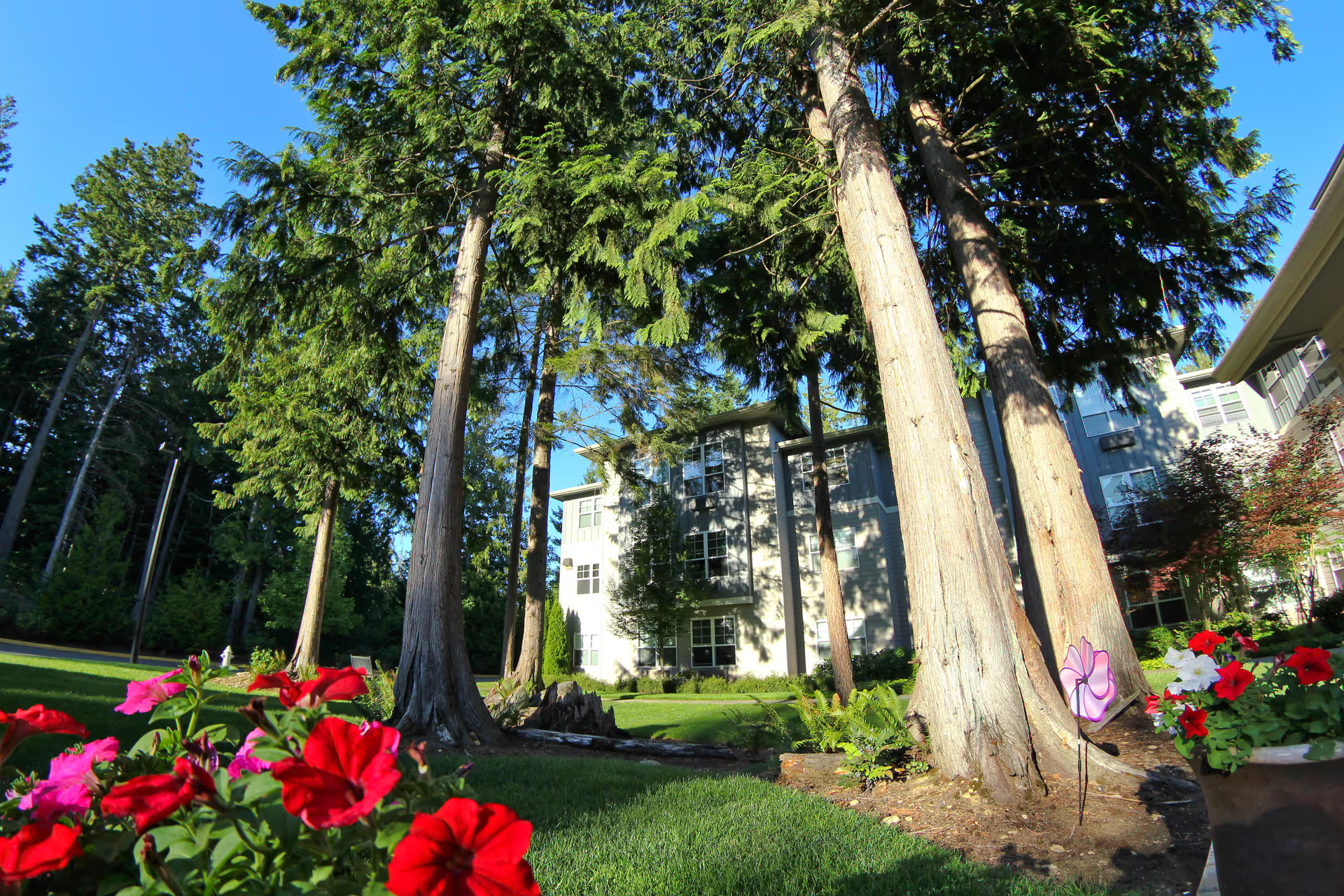
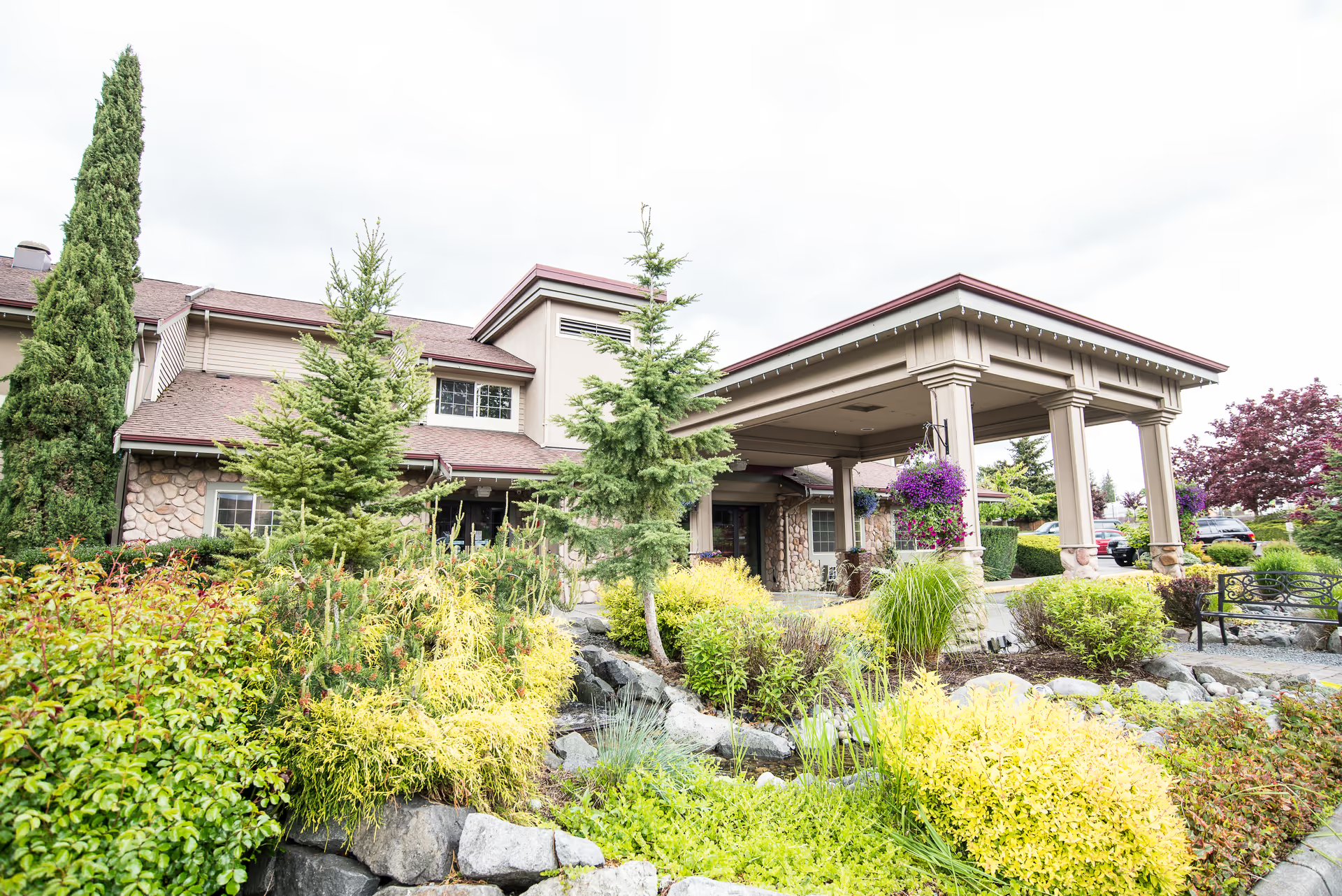
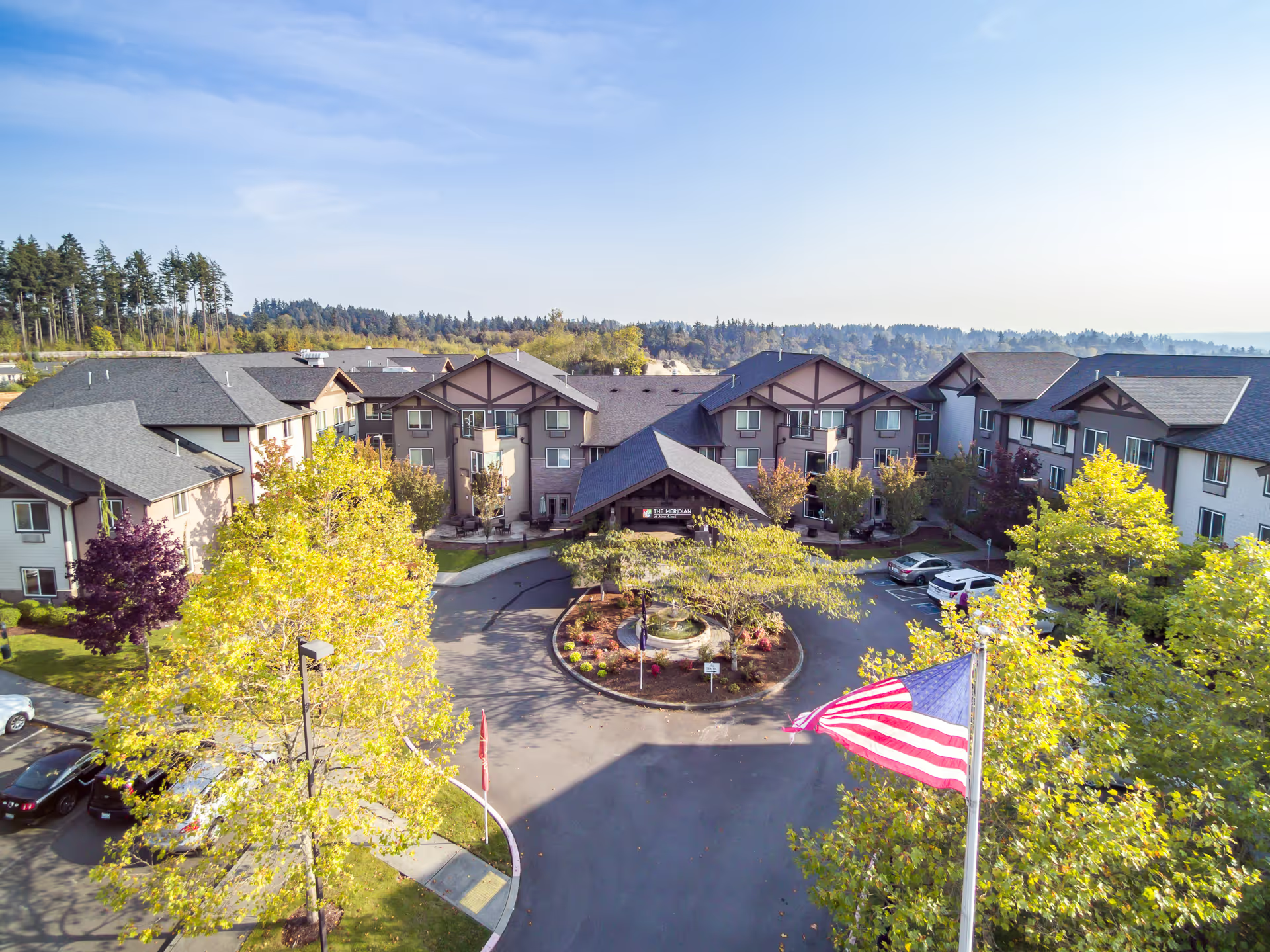
Facilities and maintenance: The campus and buildings are often described as attractive, with pleasant landscaping, scenic views, and well-kept common areas. Apartments are generally appreciated for layout and comfort. Counterpoints include delayed maintenance responses, slow completion of repairs, and deferred capital work (roof, sprinkler projects, remodeling disruptions). There are also intermittent cleanliness and odor concerns cited in select units and communal spaces, and some mentions of pest-control concerns. These indicate that while overall upkeep is strong in many areas, maintenance workload and contracting practices occasionally result in delays and visible deficits.
Management, safety, and billing: Experiences with management are mixed. Some families report proactive, communicative administration; others report inexperienced leadership, inconsistent follow-through, and occasional curt interactions. Financially, reviewers cite billing mistakes, duplicate charges, unclear refund or deposit policies, and periodic rent increases and extra fees. Security issues reported range from malfunctioning locks to allegations of unauthorized access; these raise questions about building-access controls and security follow-up. Prospective families should request written explanations of fee policies, security measures, and escalation protocols for complaints.
Notable patterns and recommendation: The strongest, consistent positives are the setting, social opportunities, and several dedicated staff members. The most consistent operational weaknesses are variability in dining and kitchen performance, inconsistent maintenance responsiveness, staff turnover, and occasional management and billing lapses. For prospective residents and families, a practical approach is to: (1) tour during a meal and sample current menu service, (2) ask for documentation of typical maintenance response times and recent capital projects, (3) review the activity calendar and typical attendance, and (4) obtain clear written terms about fees, deposits, billing practices, and security protocols. These steps will help determine whether the community’s strengths align with an individual resident’s priorities and tolerance for operational variability.