Reviewer feedback for Linden Grove Health Care Center is highly polarized, with distinct clusters of positive experiences centered on rehabilitation, therapy, and several caring staff members, and equally distinct clusters of negative experiences focused on staffing, sanitation, and operational reliability. Many families describe strong short-term outcomes when therapy teams and nurses are engaged: coordinated PT/OT regimens, attentive post-surgical support, helpful social-work assistance with benefits, and an active activities program including outings. Several reviewers singled out particular staff members and the activities program as meaningful contributors to resident quality of life.
Care quality appears inconsistent across stays and units. Positive accounts highlight conscientious nursing, teamwork, and proactive therapy that supported mobility and recovery. Conversely, a substantial number of reviews describe variability in clinical reliability: delayed responses to assistance requests, concerns about medication-administration practices and changeovers, limited follow-through on wound/pressure-area care, and instances where fall-prevention and transfer-safety processes did not function as expected. These patterns suggest that care outcomes are dependent on staffing levels, shift coverage, and unit-specific practices.
Staffing and communication are recurrent themes. Praise is frequent for compassionate, friendly caregivers and certain leadership figures; however, persistent complaints focus on understaffing, long waits for help, inconsistent handoffs between staff, and limited availability of social services. Family communication processes are described as uneven—some families report responsive management and regular updates, while others report difficulty reaching staff, unreturned calls, and poor coordination between clinical and administrative teams.
Dining and daily living support also show variability. Positive reports note improved meals and attentive dining service in some cases, whereas other reviewers describe inconsistent meal temperature and delivery, unmet dietary needs, and missed meals. Activity programming and therapy are generally regarded as strengths—group activities, current-events programming, and individualized activities are repeatedly praised—though a portion of long-term residents and families characterize the long-term environment as unstimulating when staffing or programming attention wanes.
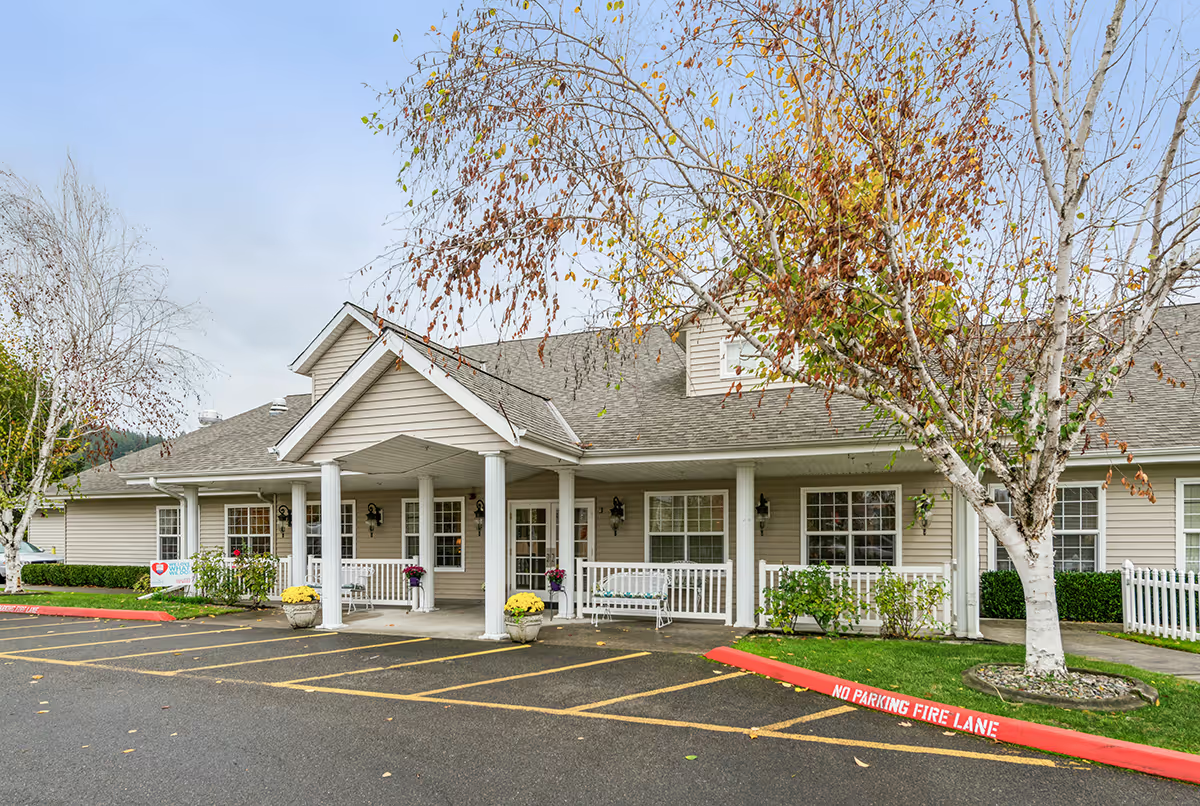
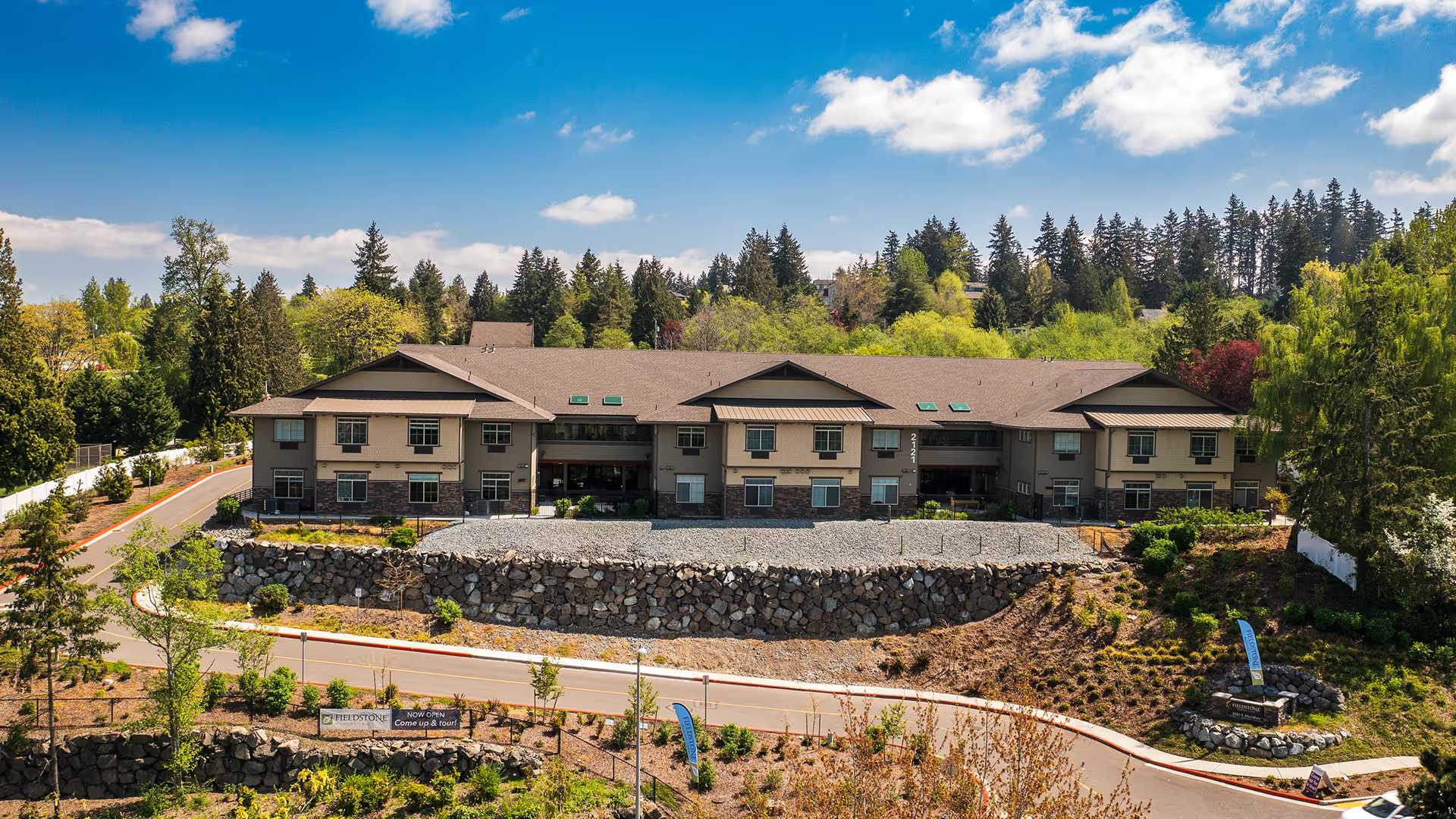
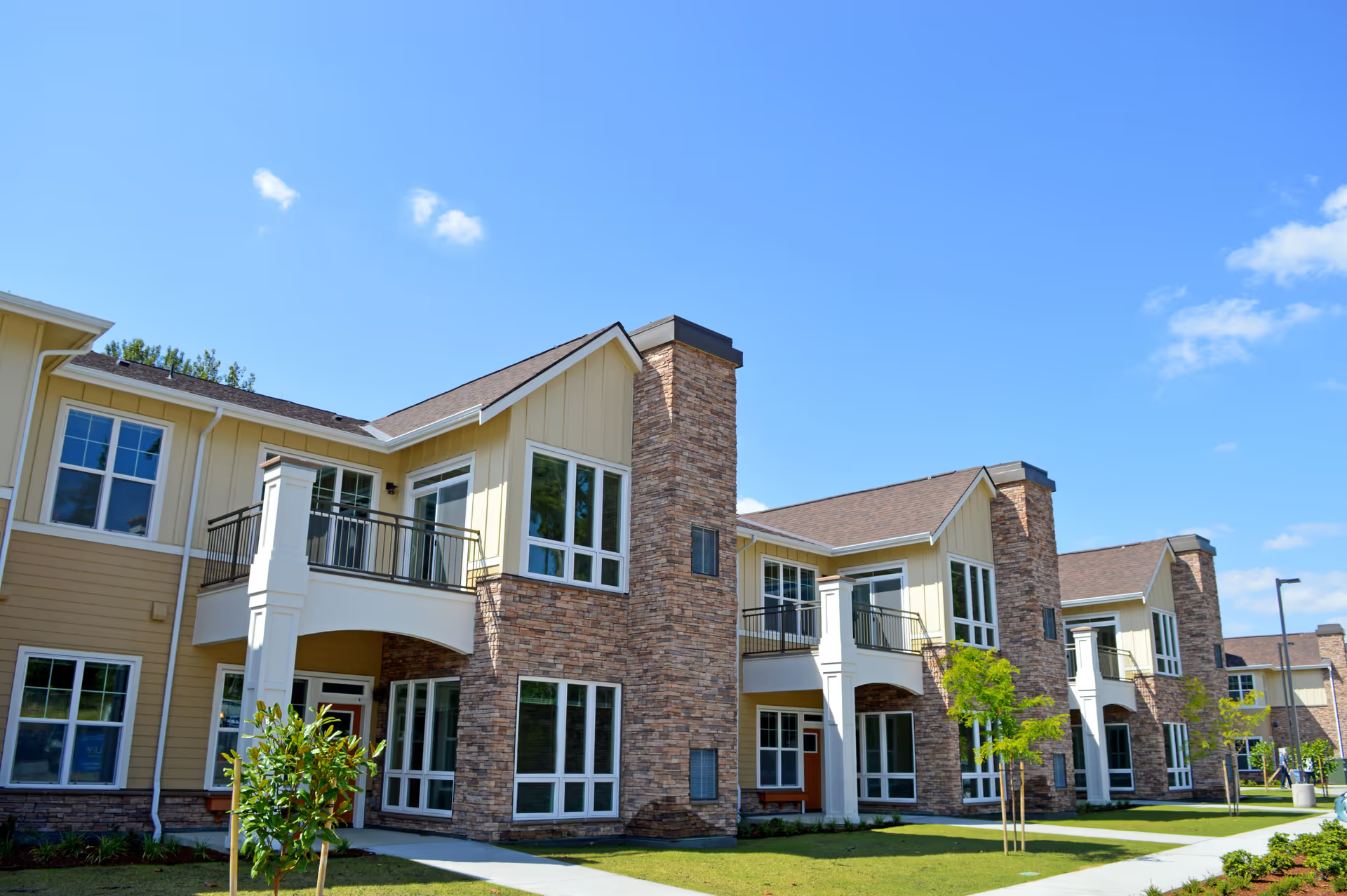
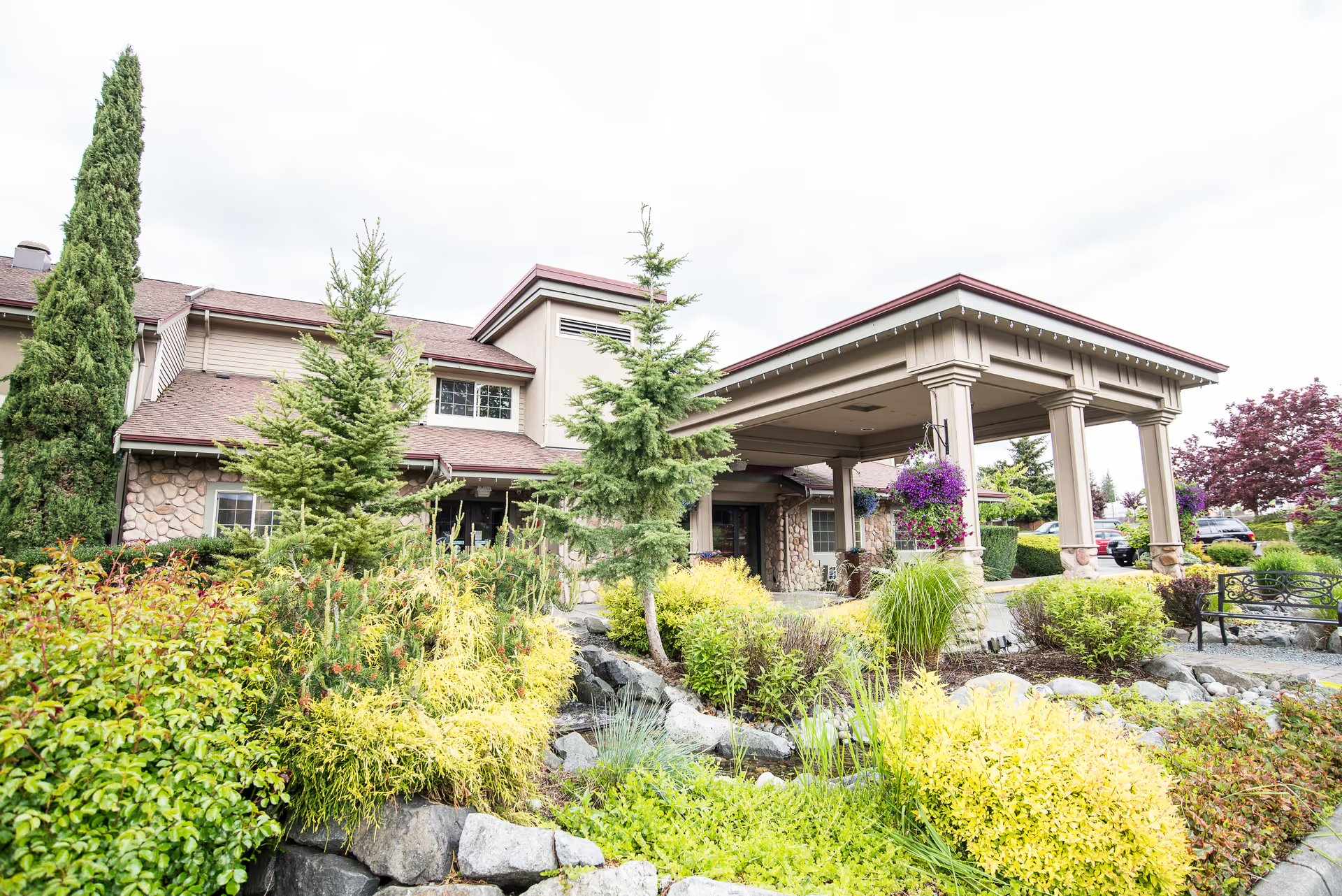
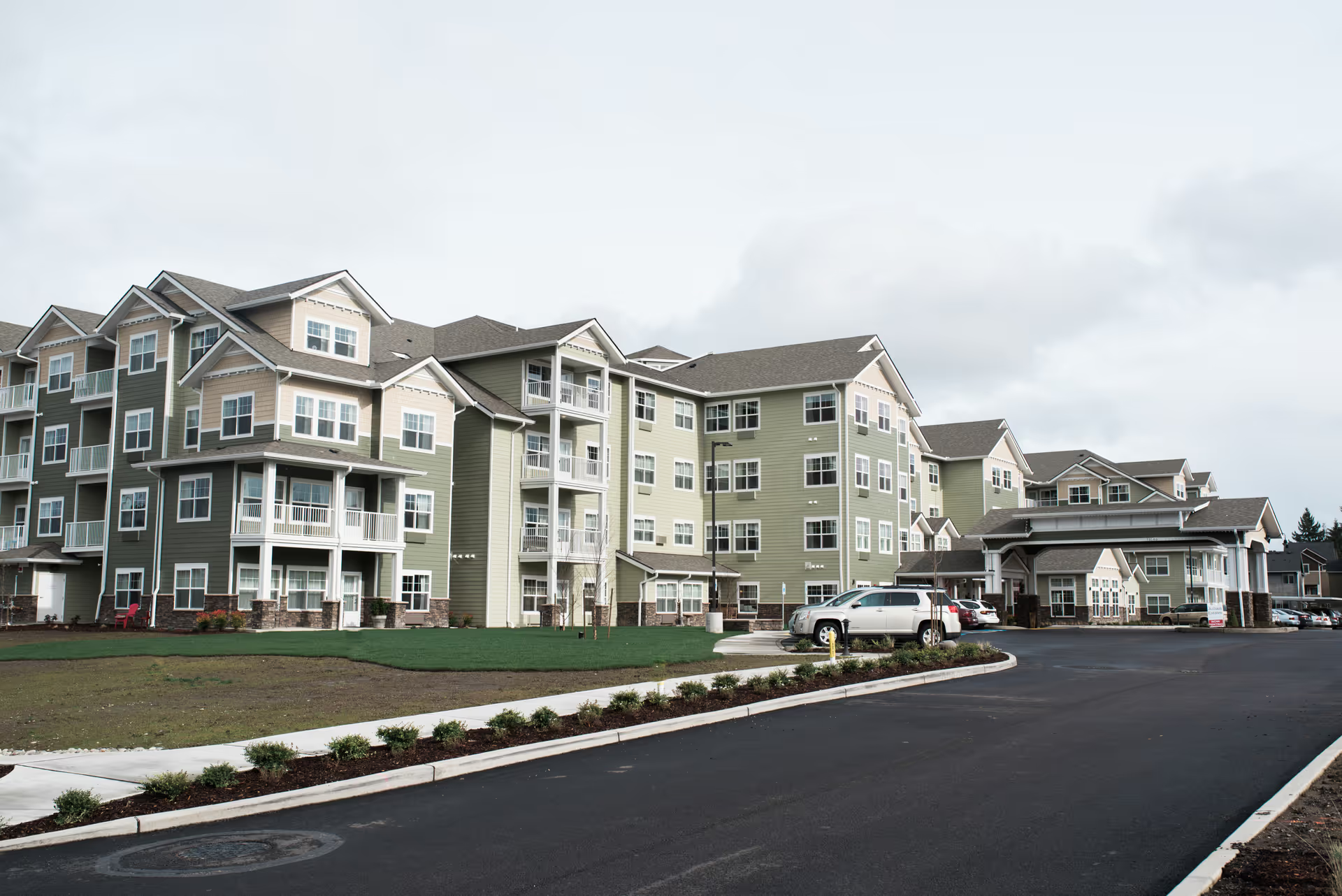
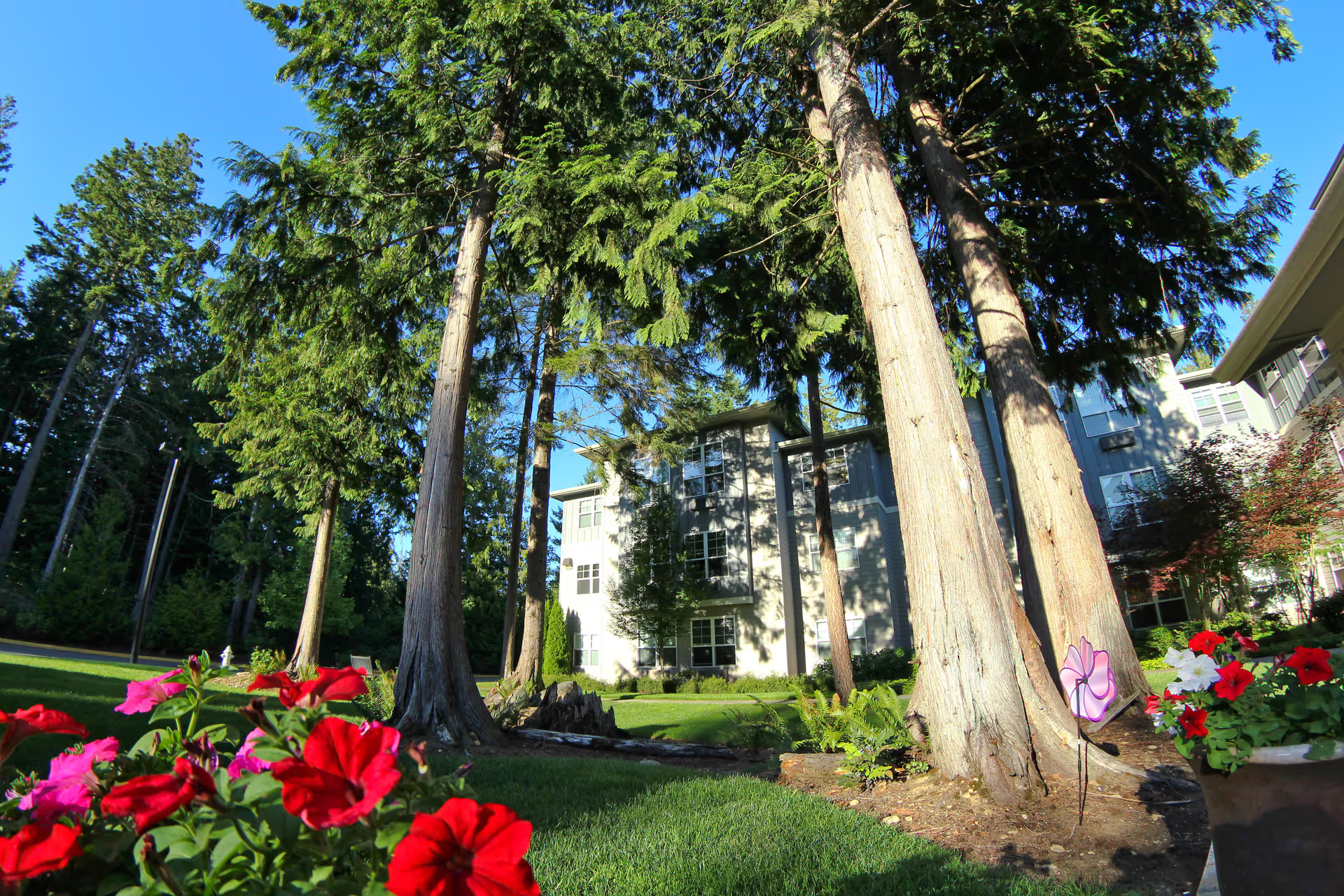
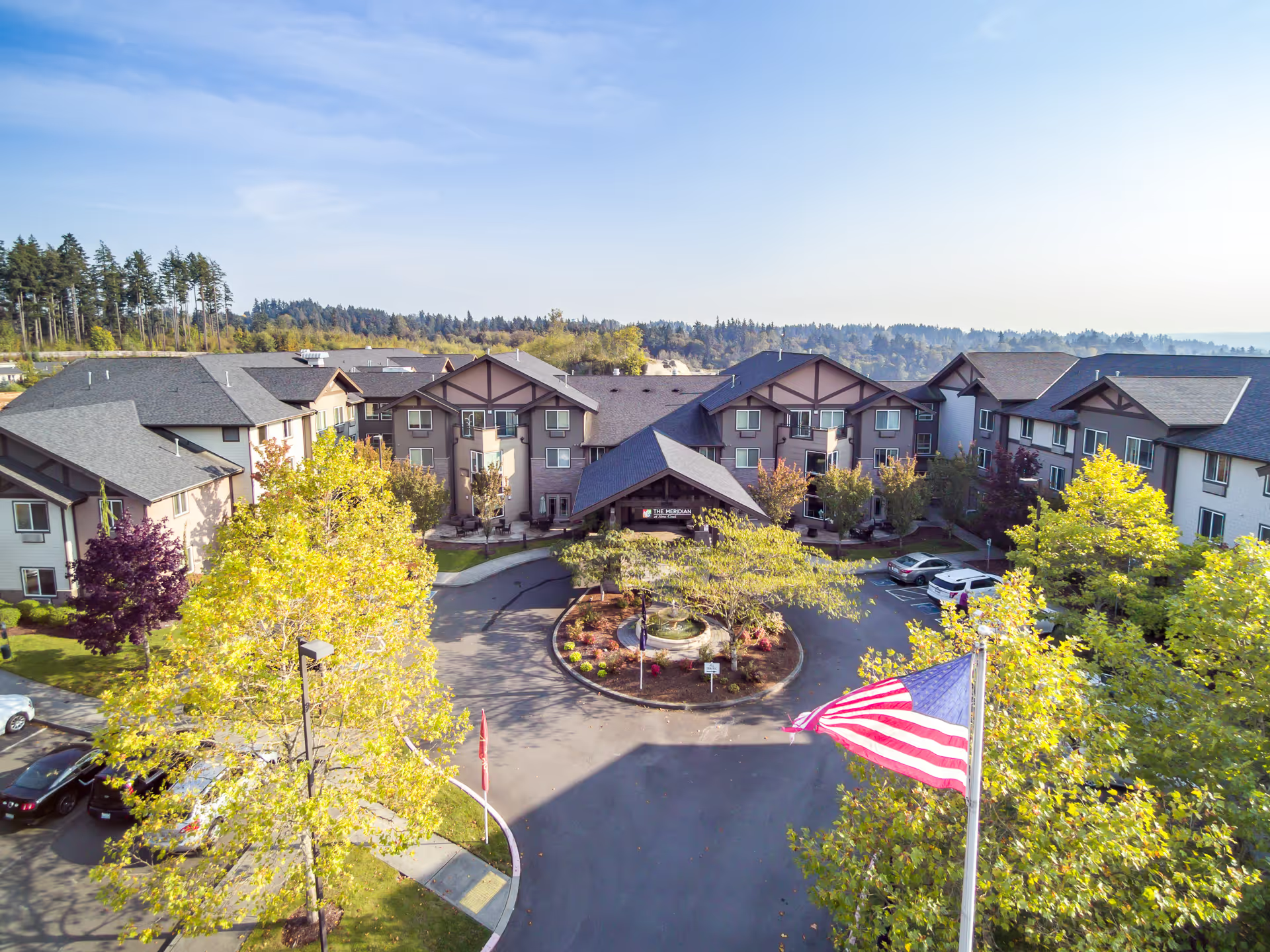
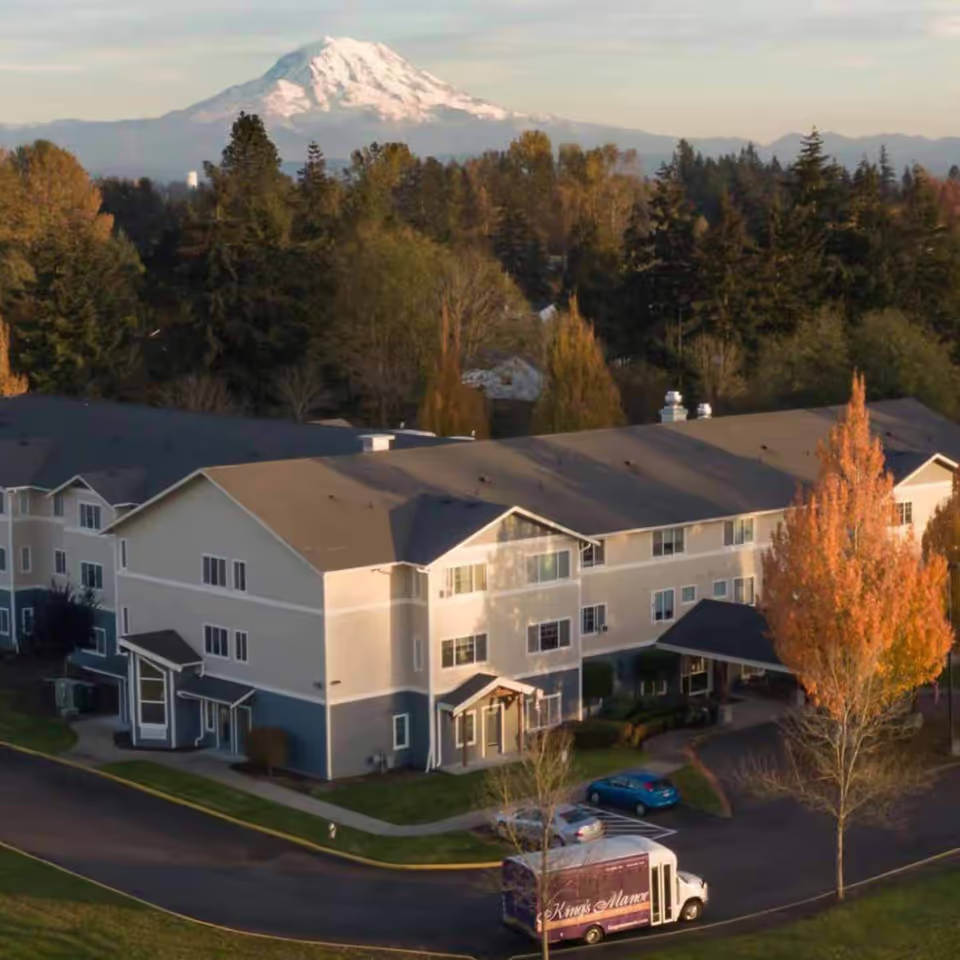
Facility condition feedback is mixed. The rehabilitation areas and some rooms are described as clean and well maintained, with comfortable accommodations. At the same time, multiple reviews raise sanitation concerns, odor control issues, linen handling problems, and uneven facility maintenance in long-term units. Property security and billing transparency were singled out as operational concerns by several families, as were intake, privacy, and documentation processes.
Management impressions vary over time and by reviewer. Some families credit recent leadership changes with visible improvements in cleanliness, staff professionalism, and responsiveness; others reference organizational shortcomings, regulatory scrutiny, and difficulties obtaining satisfactory resolutions to complaints. A number of reviews also describe formal complaints or regulatory review activity and cite a need for clearer billing and contract practices.
Overall pattern: Linden Grove appears to deliver high-quality, effective care in settings where staffing, therapy engagement, and management follow-through are consistent. However, variability in staffing, sanitation, clinical processes, and communication produces a significant risk of negative experiences for some residents. Prospective residents and families would benefit from an in-person tour that inspects cleanliness, asks about current staffing ratios and call-bell response metrics, reviews medication and wound-care protocols, verifies therapy plans for both short- and long-term stays, and discusses social-work support and billing transparency before admission.