Overall impression: Memory Haven elicits strongly mixed but consistent themes. Many families highlight a core of compassionate, hands‑on caregivers and a leadership presence on the floor that creates familiarity and personalized attention. The community’s emphasis on dementia/Alzheimer’s‑specific care, a small cottage model, private rooms with en‑suite bathrooms, and an activities program that includes live music and family‑friendly events are frequently described as strengths. Several accounts emphasize positive transitions, supportive end‑of‑life care, and clear, ongoing communication with families.
Care and staff: Positive comments focus on individualized attention, staff who call residents by name, consistent communication with families, and staff patience when assisting with daily routines. There is repeated praise for directors and managers who are visible and engaged on the floor. At the same time, reviewers describe operational patterns that raise concerns about staffing consistency and training. These patterns include staffing shortages at certain times, variability in caregiver competence, and specific clinical‑practice gaps such as medication administration and documentation processes. Families considering the community should assess current staffing levels, supervision practices, and clinical oversight during a visit.
Dining and activities: Feedback about food and programming is mixed. Some families report excellent meals, improved resident appetite, and appropriate therapeutic meal options (including diabetic choices). Conversely, other accounts indicate inconsistent food temperature and quality, occasional absence of a dedicated chef, and perceived dietary communication issues. The activities program is frequently cited as engaging—live music, games, and family‑inclusive events are positives—but activity participation and weekend offerings can be limited at times. Prospective families may want to observe a mealtime and an activity during a tour and ask about weekend staffing for activities and dining.
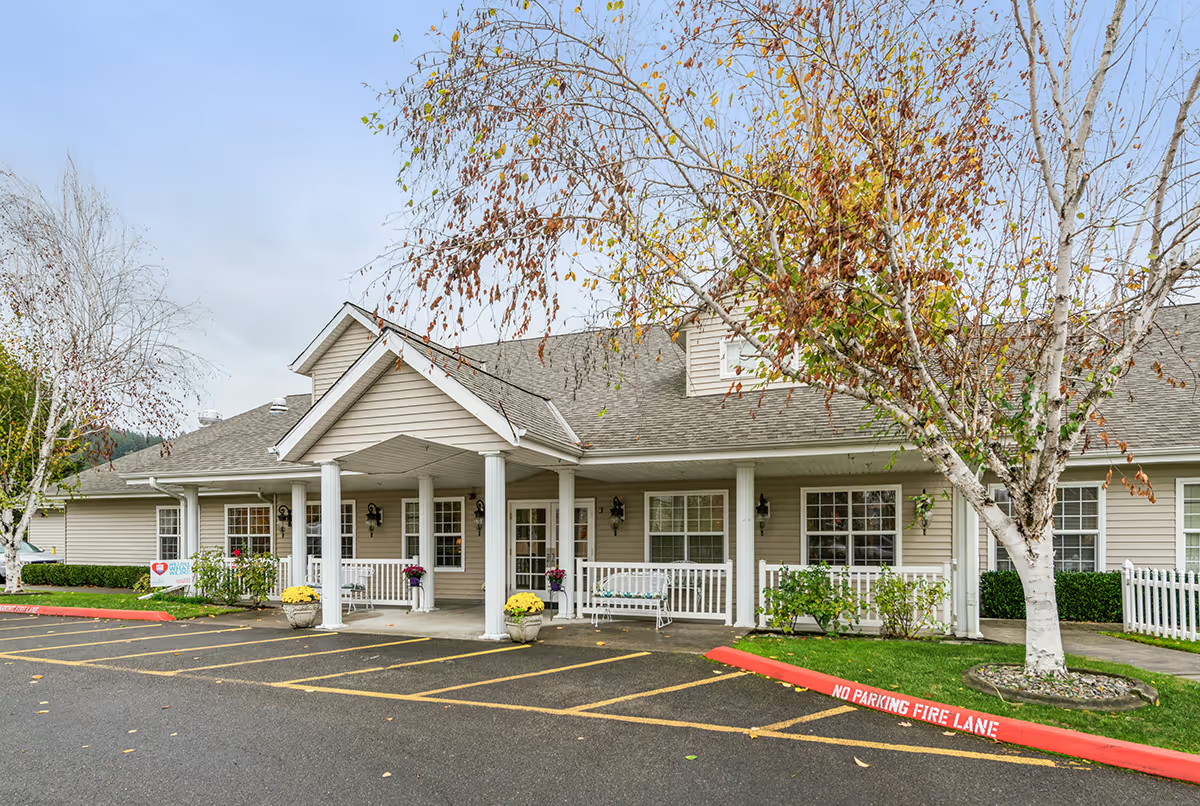
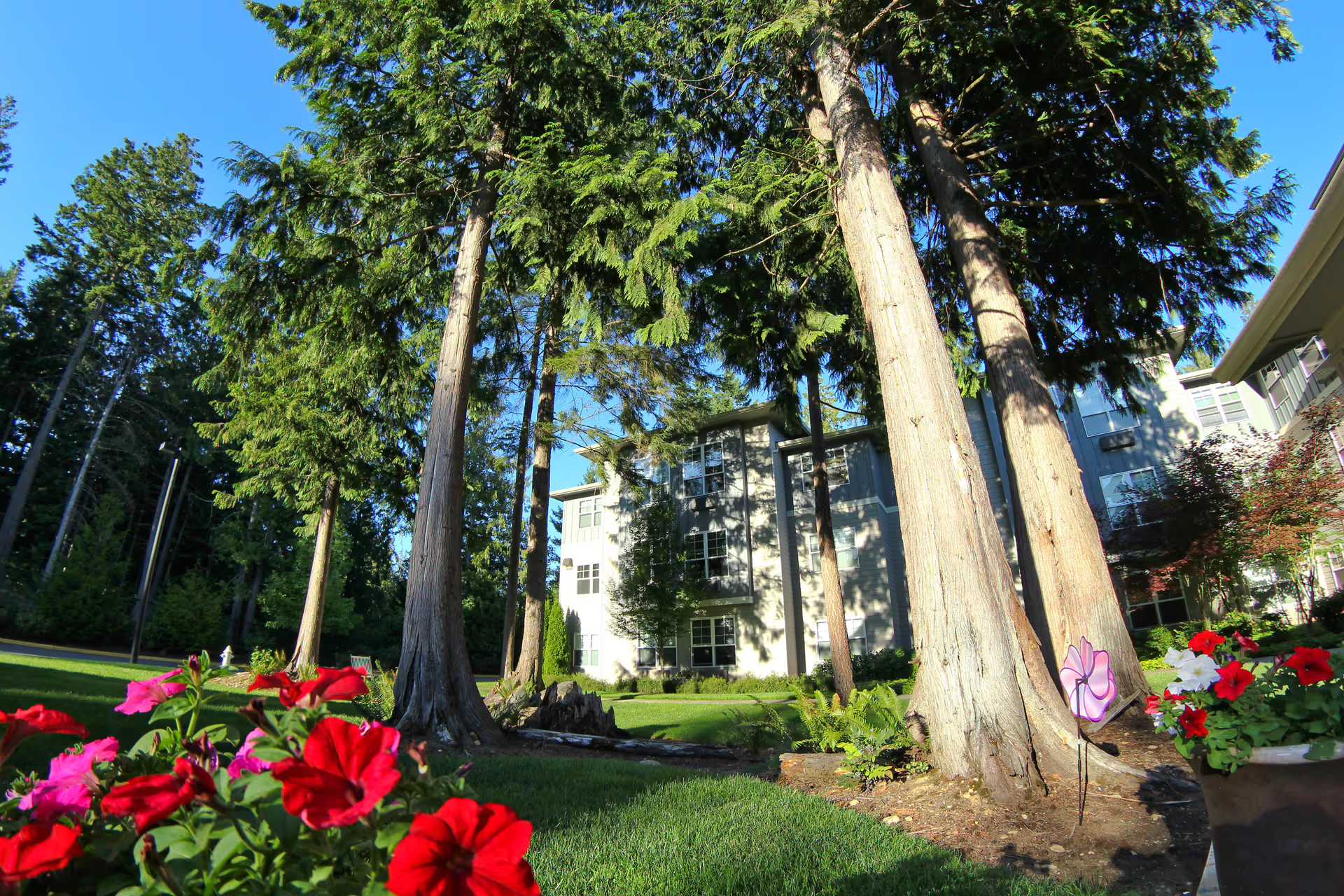
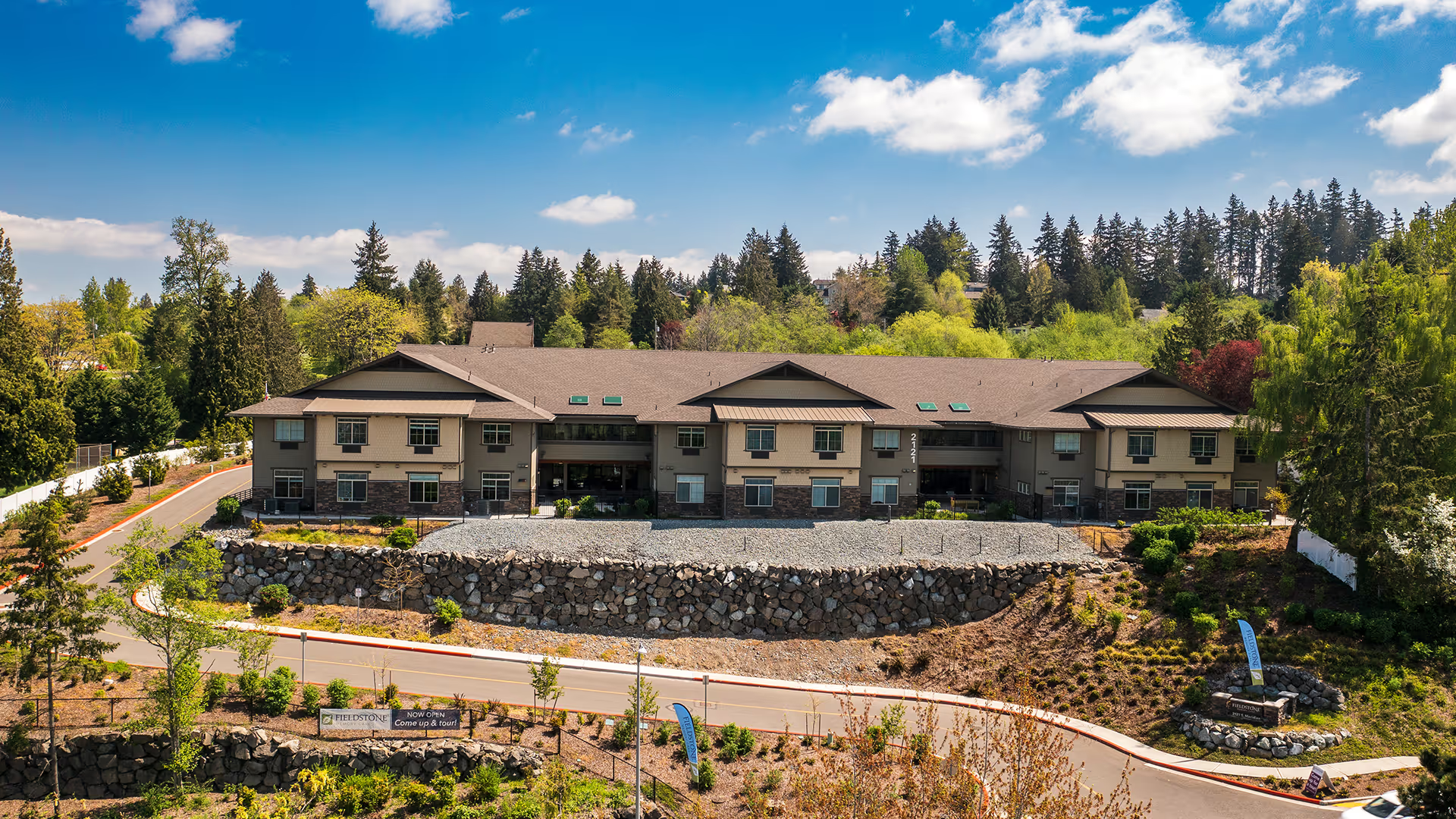
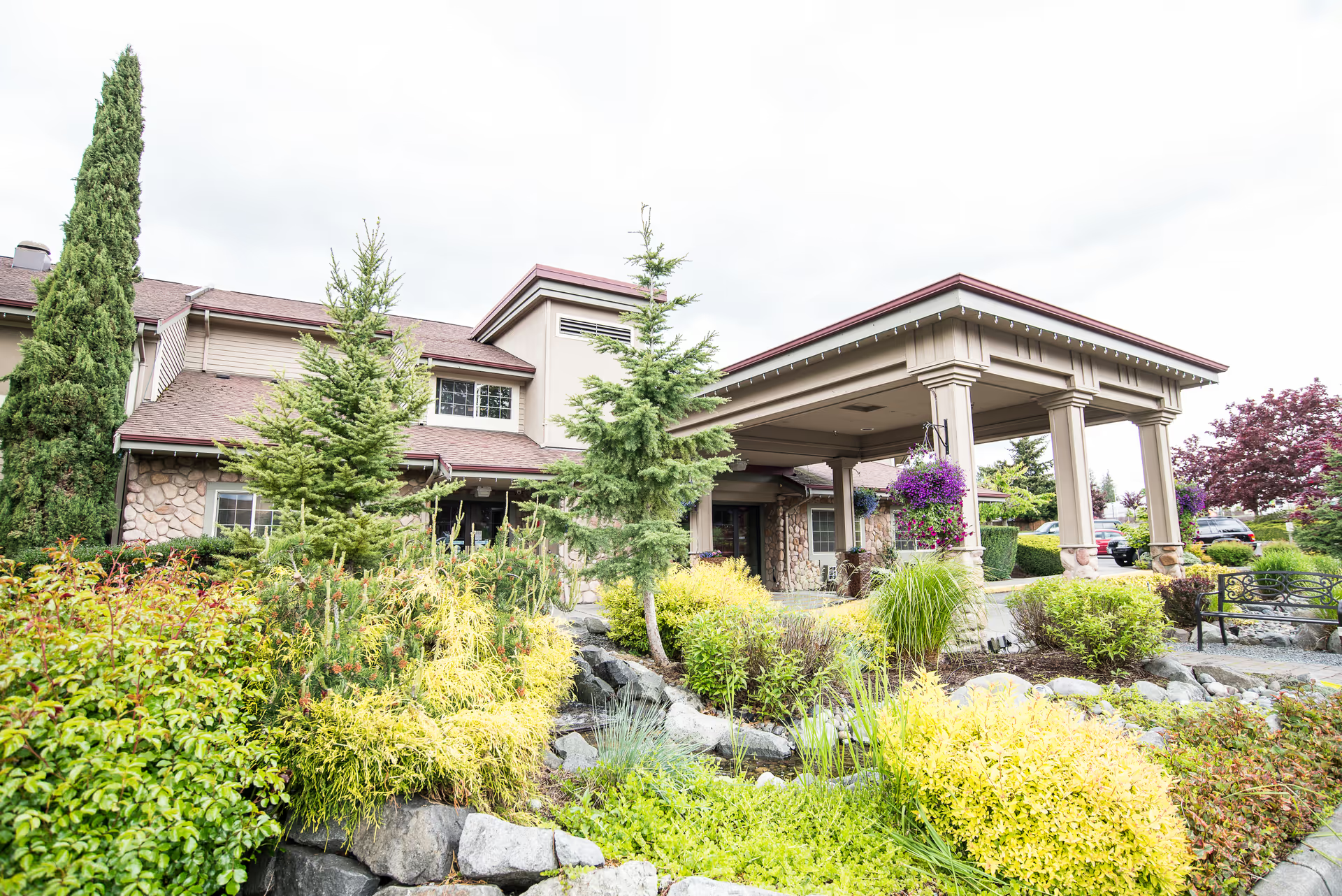
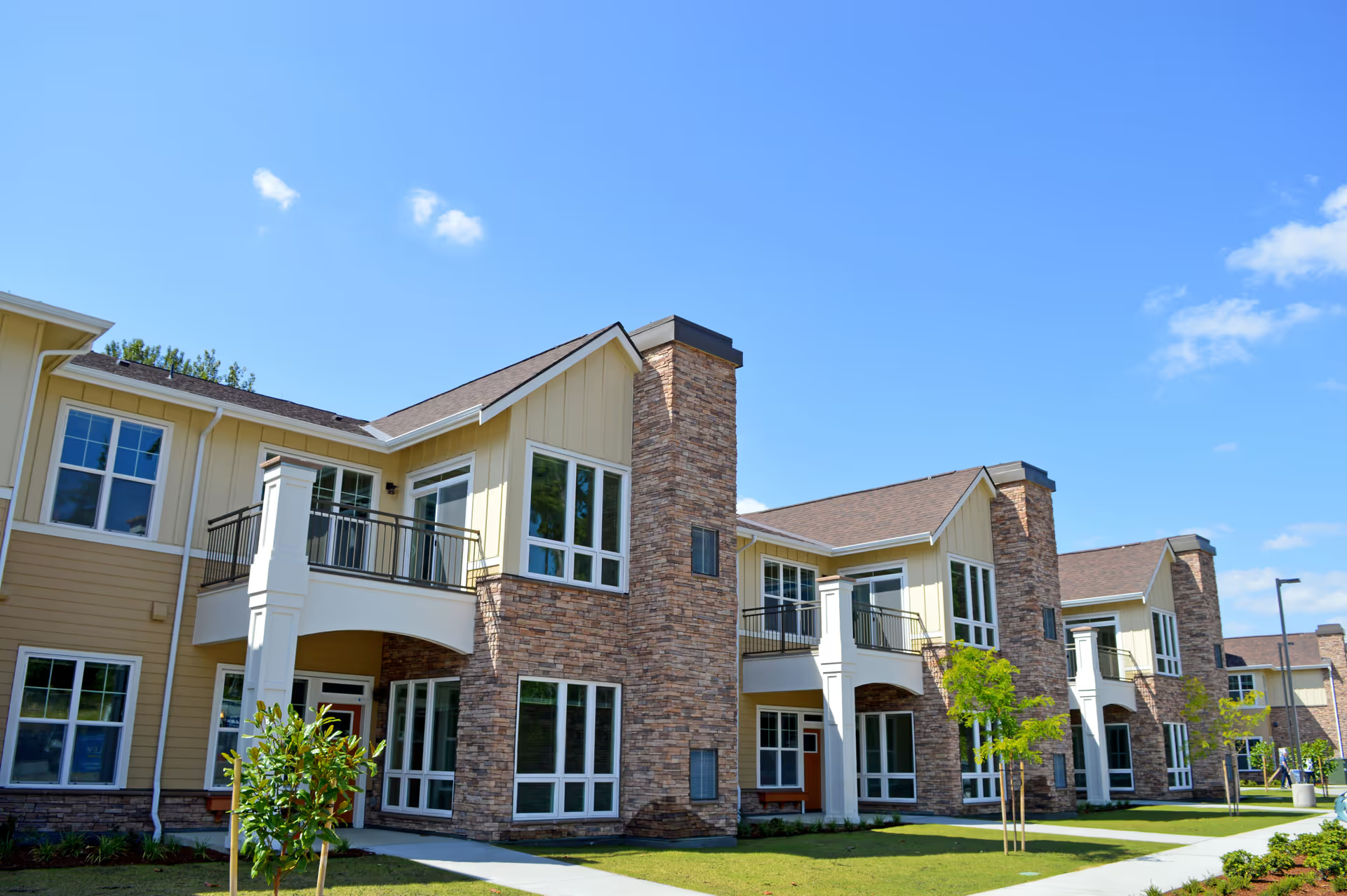
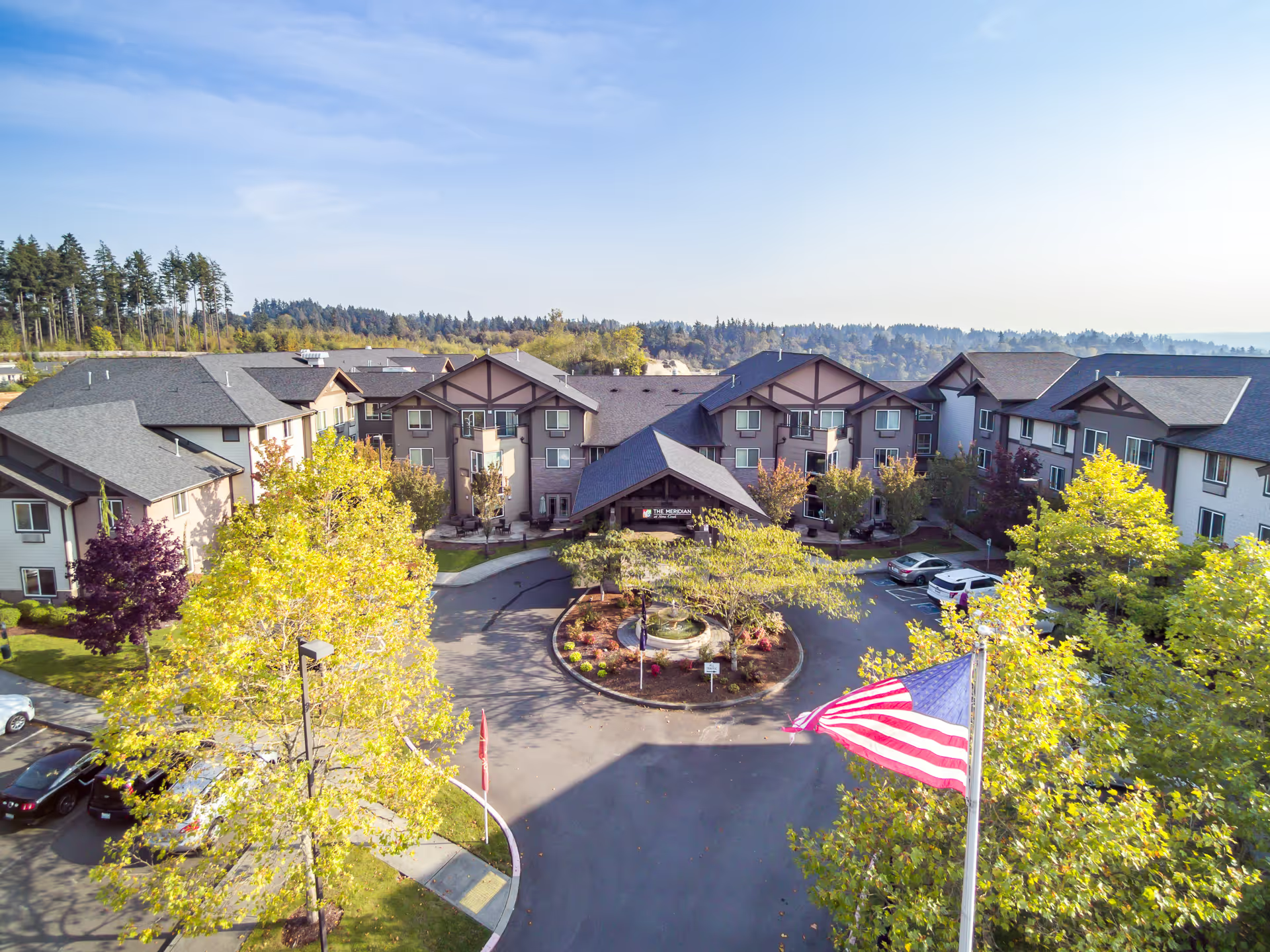
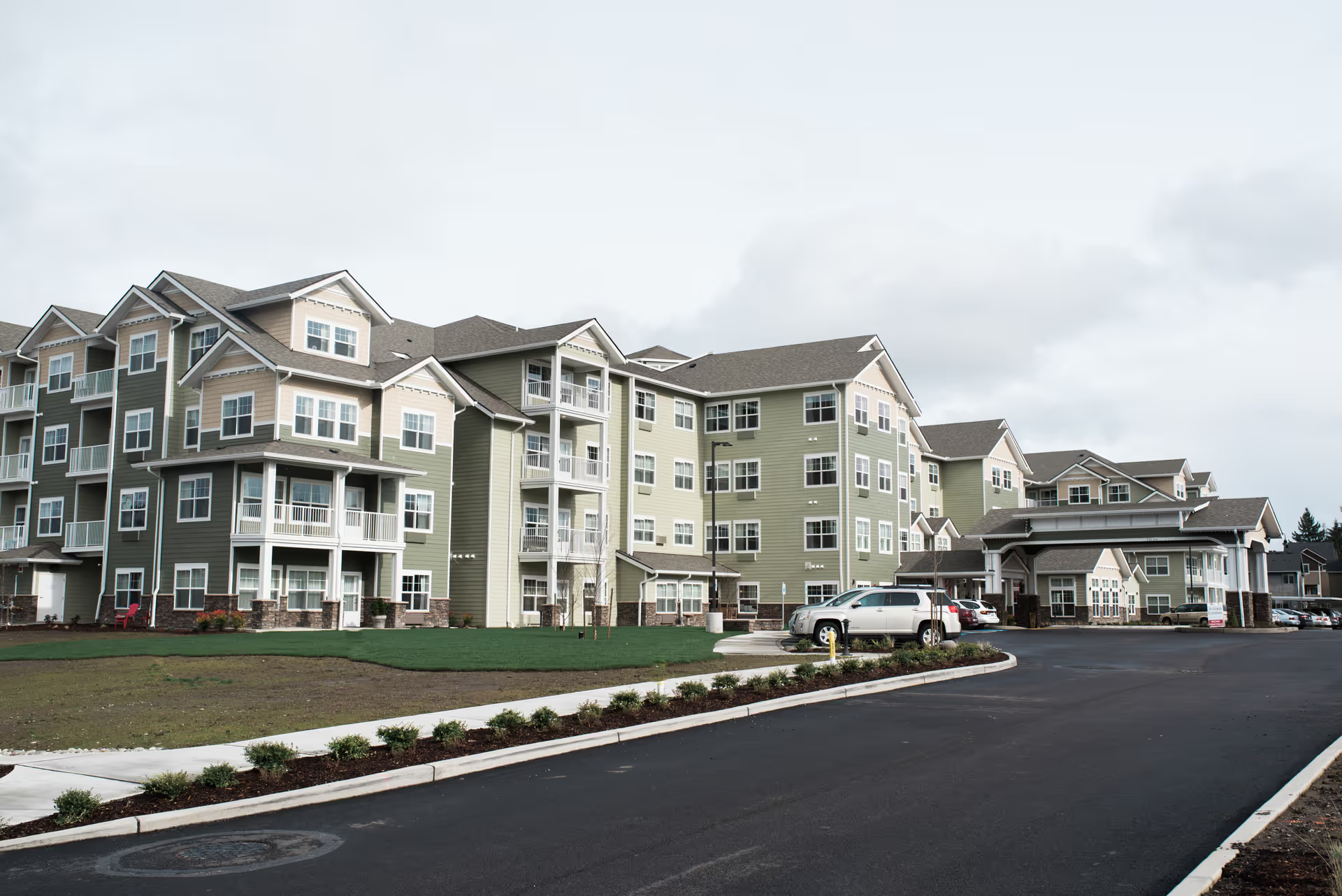
Facilities and amenities: The community’s newer sections, secure layout, courtyard/garden, and well‑maintained common areas receive positive comments. The small cottage arrangement and availability of assistive equipment such as hoist lifts are practical strengths for residents with mobility needs. However, reviewers also identify facility‑level issues including cleanliness and sanitation concerns in certain areas, pest‑control concerns, and variable upkeep of outdoor grounds. Some units are described as smaller with limited natural light, and pricing is perceived as high for older units.
Management and operational patterns: Many families commend accessible management and on‑floor leadership, but there are recurring operational concerns that contrast with those positives. These include perceived emphasis on occupancy or revenue priorities, inconsistent laundry and linen handling, and episodes of unprofessional staff conduct or blunt communication tone that upset families. There are also accounts suggesting inconsistent responses to clinical incidents and incomplete follow‑through on family concerns. Those considering the facility should request written policies on staffing ratios, medication administration, infection control/pest control, laundry services, and escalation/communication procedures.
Conclusion and guidance: Memory Haven demonstrates clear strengths in dementia‑focused programming, individualized caregiver attention, and a home‑like environment with engaged leadership. At the same time, persistent operational weaknesses—particularly around staffing consistency, staff training, food service continuity, housekeeping/pest control, and management practices—warrant thorough inquiry during a tour. Prospective residents and families should observe care routines in person, review clinical and staffing protocols, ask for current staffing ratios and turnover data, and discuss contract and pricing differences between newer and older units before making a placement decision.