Shenandoah Center elicits a strongly mixed but instructive picture. Many families and patients praise the frontline caregiving teams — nurses, CNAs and rehabilitation therapists are repeatedly described as compassionate, skilled, and attentive. Therapy services (physical and occupational) are a clear strength: reviewers cite measurable functional improvements, accelerated recovery timelines, and consistent therapist involvement. The facility’s social work team and discharge planning also receive frequent commendation for advocacy and practical assistance with transitions, funding, and apartment placement.
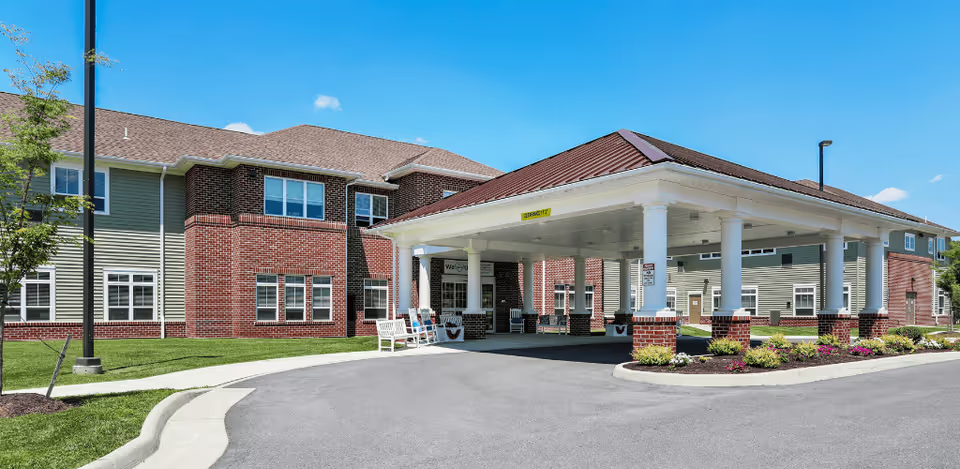
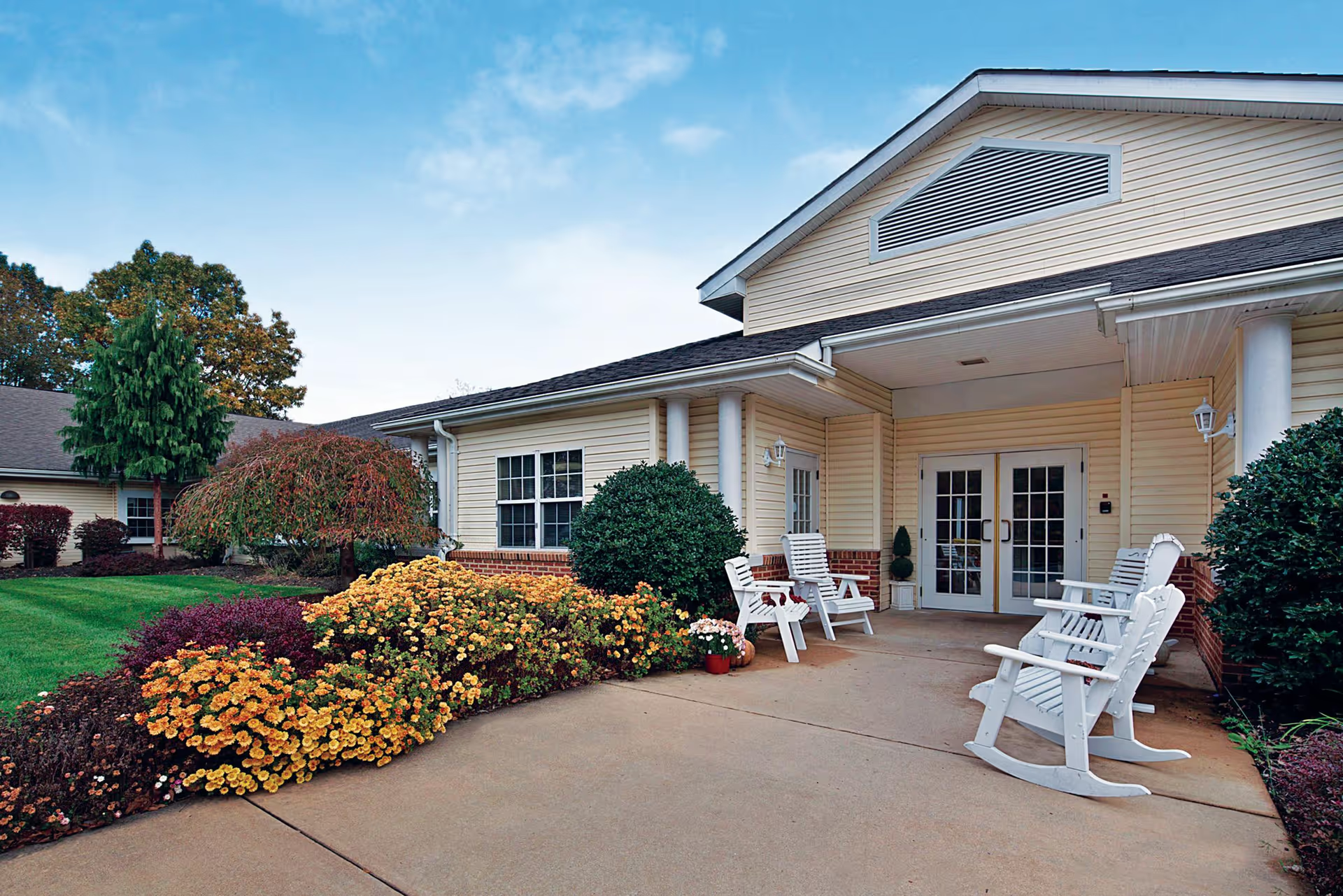
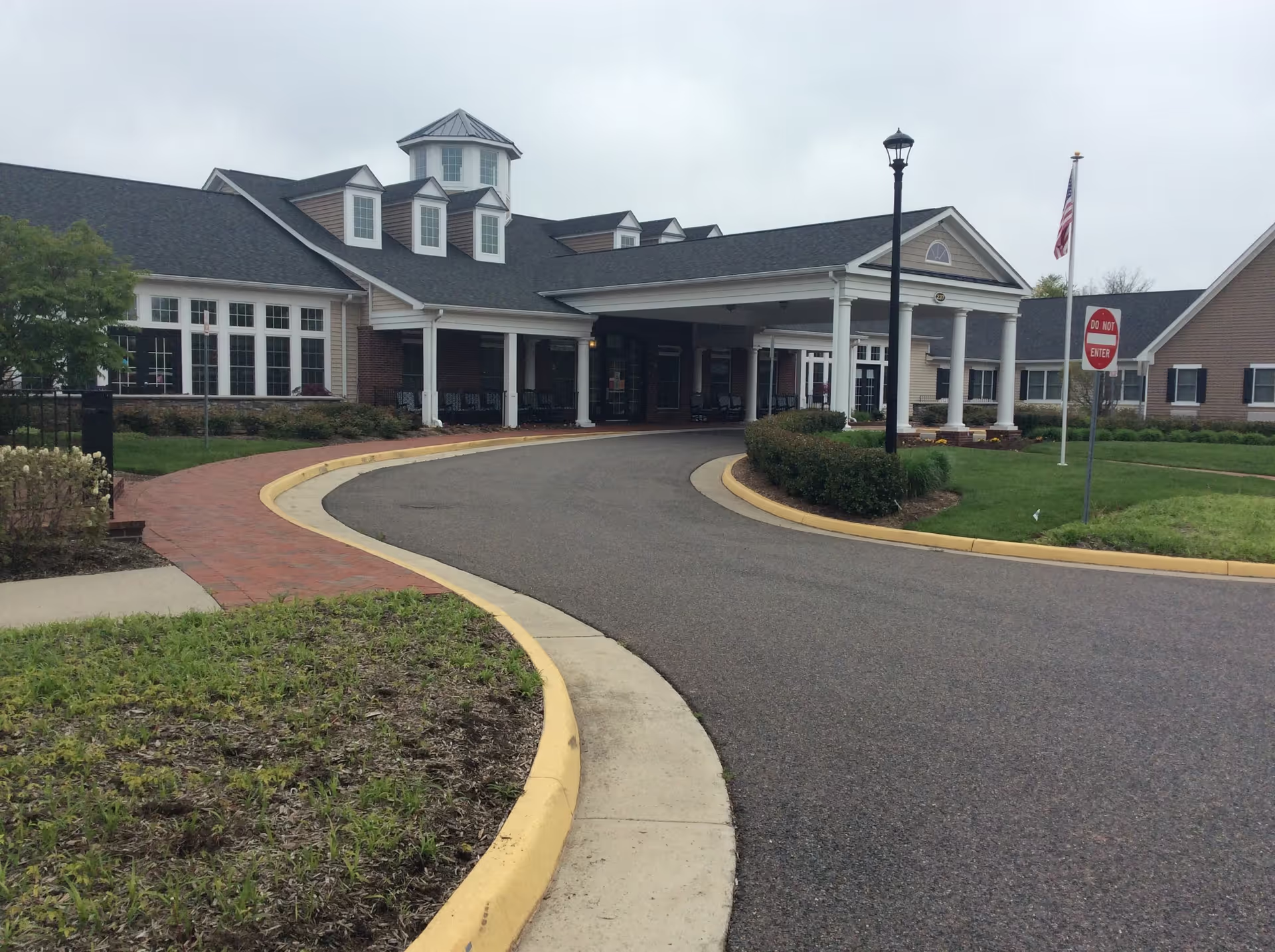
Daily life and engagement appear well supported in several areas. Activities and recreation are noted as meaningful and resident-centered (bingo, arts and crafts, special events, and occasional social gatherings), and admissions/front-desk staff are viewed as welcoming. The building condition is commonly described as clean and comfortable, with pleasant common areas and adequate rehabilitation spaces. Communication practices receive positive comments as well — families describe transparent weekly updates, encouragement of alternative visitation (window/outdoor visits and Zoom), and administrators who will address concerns when engaged.
At the same time, a distinct set of operational concerns recurs across reviews and merits attention. Staffing stability and workload emerge as recurring themes: reports of high turnover, overextension of aides, and variable responsiveness suggest that staffing levels are not always consistent with demand. Several reviews describe lapses in clinical follow-up and family communication following adverse events; abstracted as a pattern, this reflects gaps in clinical-incident response and escalation procedures. Relatedly, a subset of reviewers raised serious clinical concerns, including medication-management practices and end-of-life comfort measures; these are significant outliers that families should verify through direct questions and review of facility protocols and records.
Other practical issues noted include inconsistent food quality and occasional sanitation/ incontinence-care concerns at the point of personal care — operational traits that affect daily comfort and dignity. There are also perceptions of uneven management oversight: while some families praise administrative responsiveness, others describe dissatisfaction with how complaints and negative feedback were handled, including concerns about review removal and staff-support policies. Finally, visitation policies during infection-control periods were described as restrictive by some visitors, even though the facility has facilitated alternatives such as window visits and Zoom calls.
For prospective residents and families: the facility shows clear strengths in rehabilitation, social work, and many aspects of bedside caregiving, but the pattern of concerns around staffing consistency, clinical-incident response, and medication oversight means due diligence is warranted. When touring or interviewing the facility, consider asking for current staffing ratios, examples of clinical-incident protocols and family-notification procedures, medication-administration safeguards, dining menus and meal-service processes, and recent infection-control/visitor policy guidelines. These targeted questions will help calibrate whether the facility’s operational practices align with an individual resident’s clinical and personal needs.