Reviews for Edenbrook Appleton show a polarized pattern: many families and residents praise the clinical therapy team, individual caregivers, and the activities program, while others describe operational gaps that materially affect daily care. Strengths most consistently cited include skilled rehabilitation therapists and an active activities director who provides social programming and a sense of community; compassionate nurses and CNAs who, when available, provide attentive bedside care; and communal areas and rooms that several reviewers described as clean and recently refreshed.
Care quality appears mixed. Several accounts highlight strong short‑term rehabilitation outcomes and effective dementia‑care adjustments such as personalized furnishings and non‑restrictive approaches. At the same time, reviewers raised substantive concerns about clinical oversight: delayed responses to call lights and requests for assistance, inconsistent medication management and pain-control practices, and readmissions tied to unmet clinical needs. These items point to variable reliability in day‑to‑day clinical operations rather than uniform clinical failure.
Staffing and staff conduct are recurring themes. Many reviewers compliment individual staff members for compassion and hard work, but there are frequent observations of understaffing, high CNA turnover, and low staff morale. These workforce pressures are linked in reviews to slower response times, missed assistance, and inconsistent follow‑through on care plans. A small number of accounts describe serious interpersonal and financial concerns involving staff conduct; those accounts are notable and raise questions that prospective families should investigate directly.
Dining and nutrition receive mixed feedback. Several reviewers praised the food and described regular, traditional meals and willingness to accept suggestions. Others reported inconsistent food quality, problems following dietary restrictions, and limited breakfast options. Kitchen staffing and meal‑service continuity were also mentioned as operational stress points.
Activities and social environment are generally positive. Multiple accounts describe an engaged Activities Director, sing‑alongs, and a home‑like social atmosphere that residents enjoy. These programs appear to be a clear strength and contribute to resident satisfaction where other operational elements are functioning.
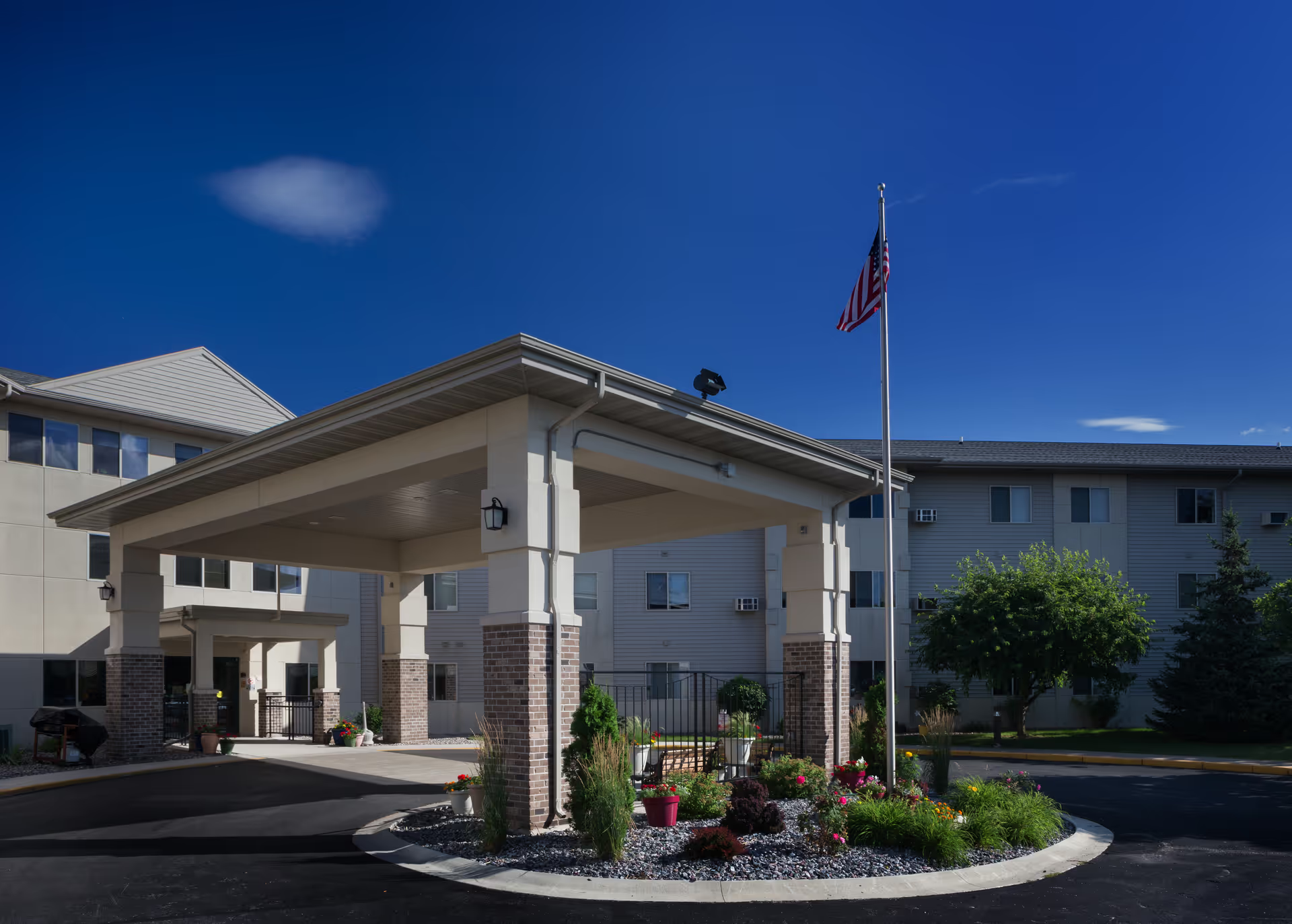
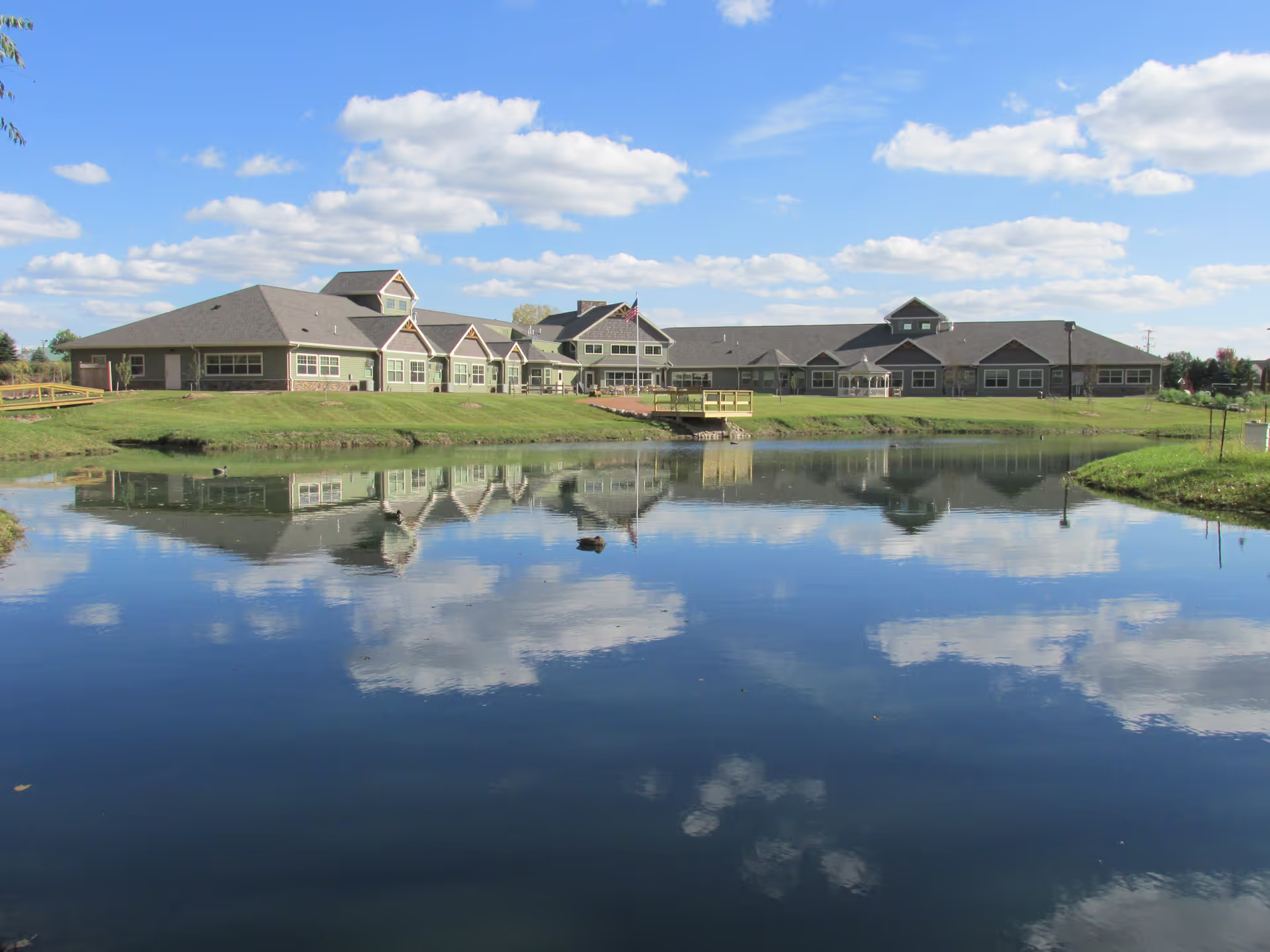
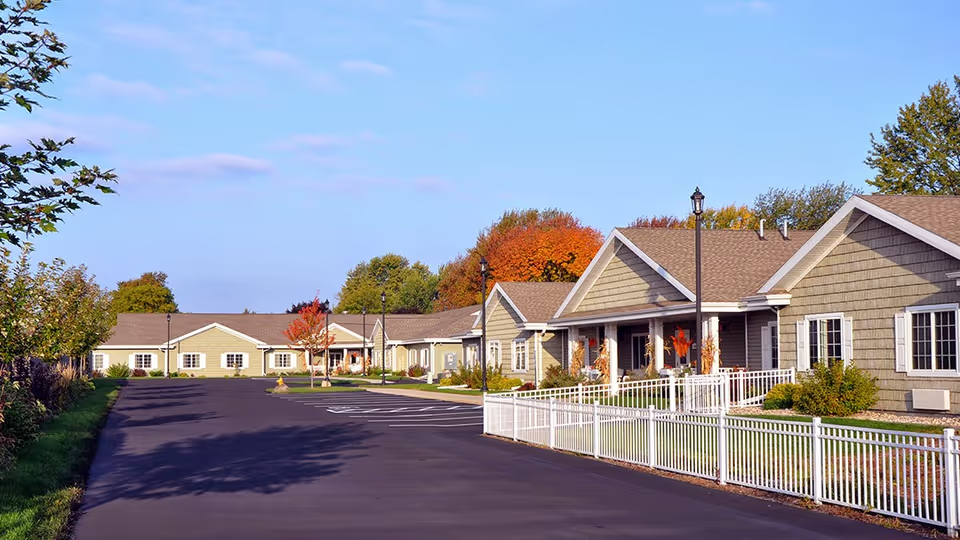
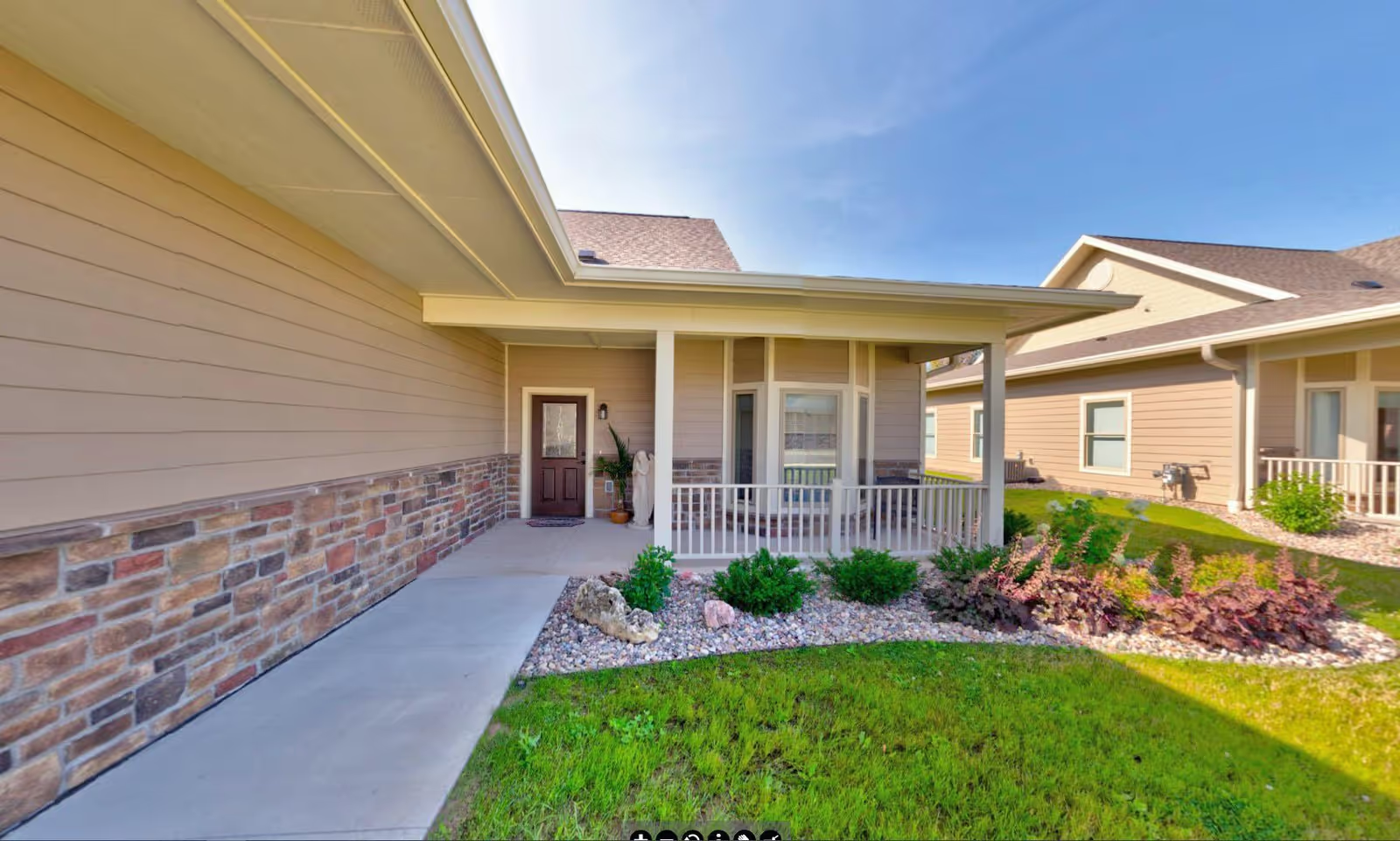
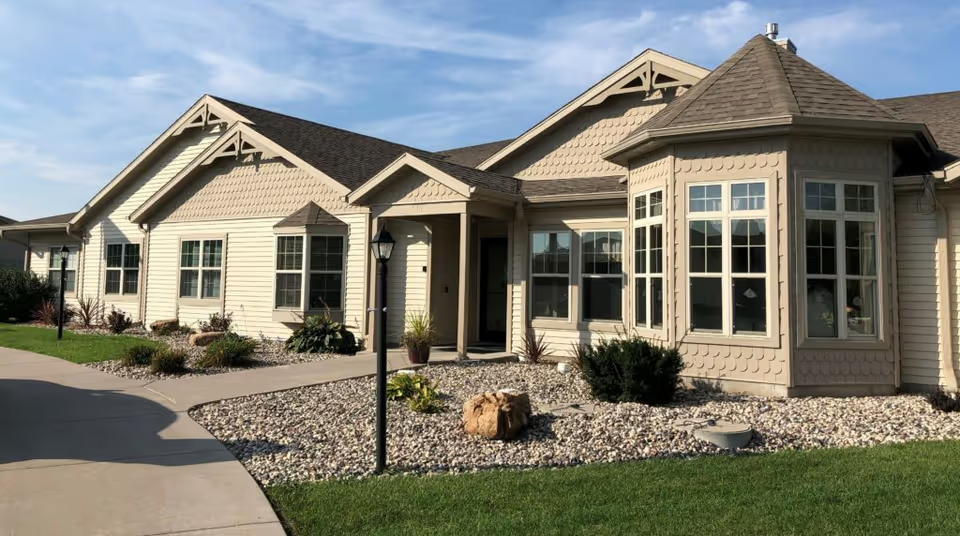
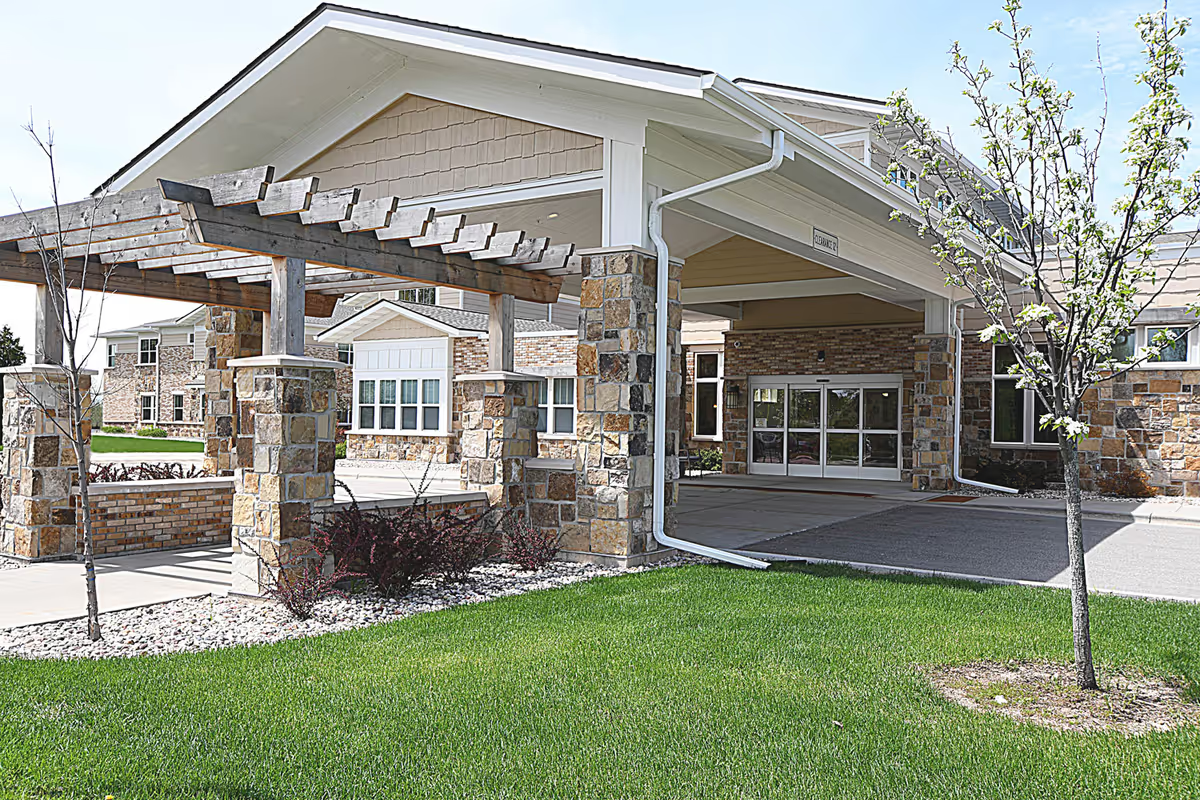
Facility condition and management are described inconsistently. Some reviewers note recent remodels, attractive common spaces, and good maintenance; others point to cosmetic deficits such as peeling paint, poor lighting, and lack of room air conditioning, as well as sanitation and personal‑care timeliness concerns. Administrative issues are also prominent in the feedback: phone and communication breakdowns, discharge coordination errors, and uneven leadership responsiveness. Conversely, several recent comments indicate clinical-improvement efforts and positive leadership changes, suggesting evolving management practices.
Notable patterns and guidance: the overall picture is mixed and highly dependent on staffing and management stability at any given time. Strengths center on therapy, activities, and individual caregivers; weaknesses cluster around staffing reliability, medication and clinical oversight, dining consistency, and certain administrative practices. Prospective residents and families should conduct an on‑site visit, meet the therapy and nursing leads, ask about current staffing ratios and turnover, review medication‑management and discharge protocols, verify how dietary needs are accommodated, and tour the specific room to check HVAC and maintenance conditions. Where possible, obtain recent references from current families to understand recent leadership and operational changes.