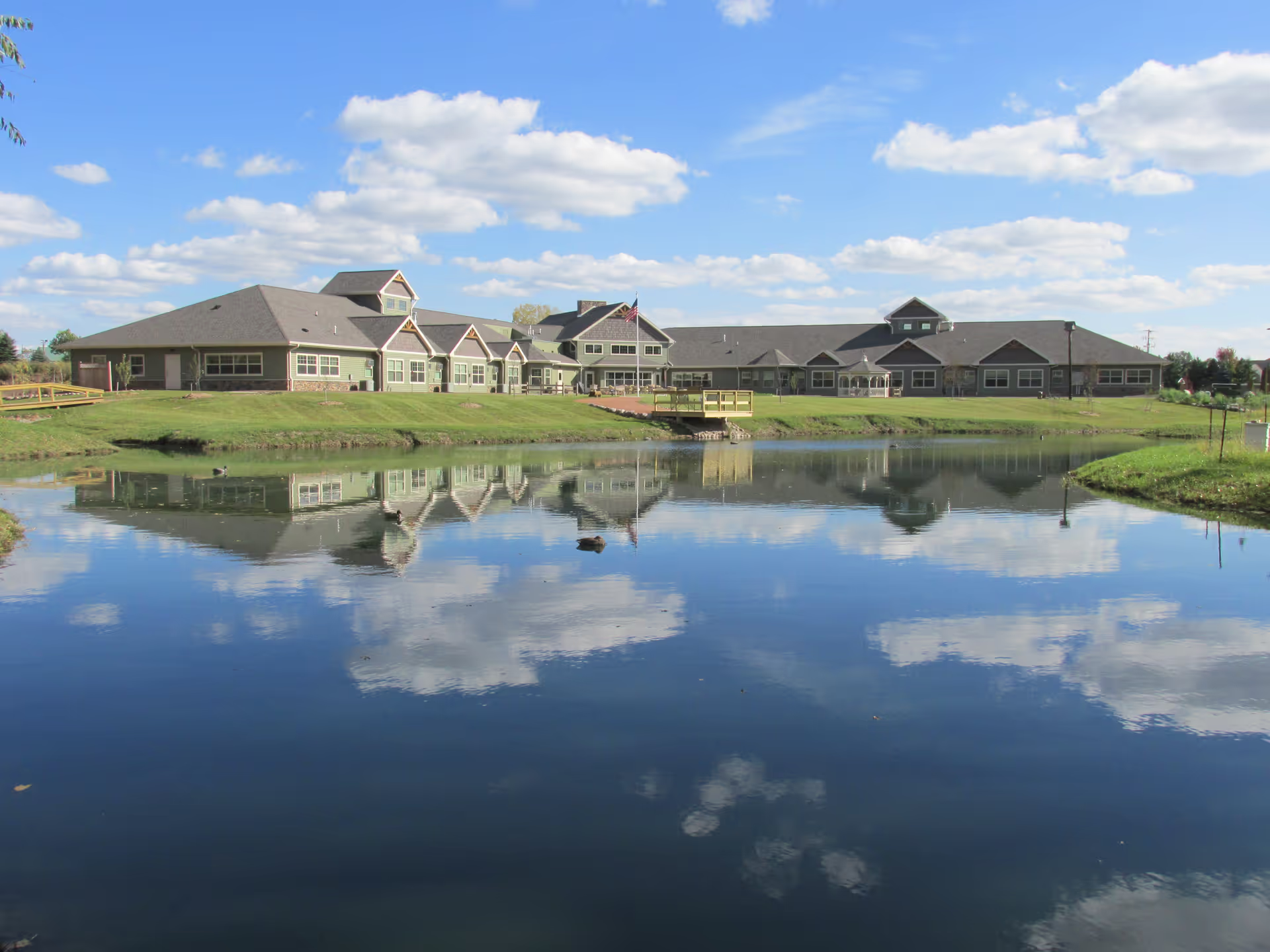
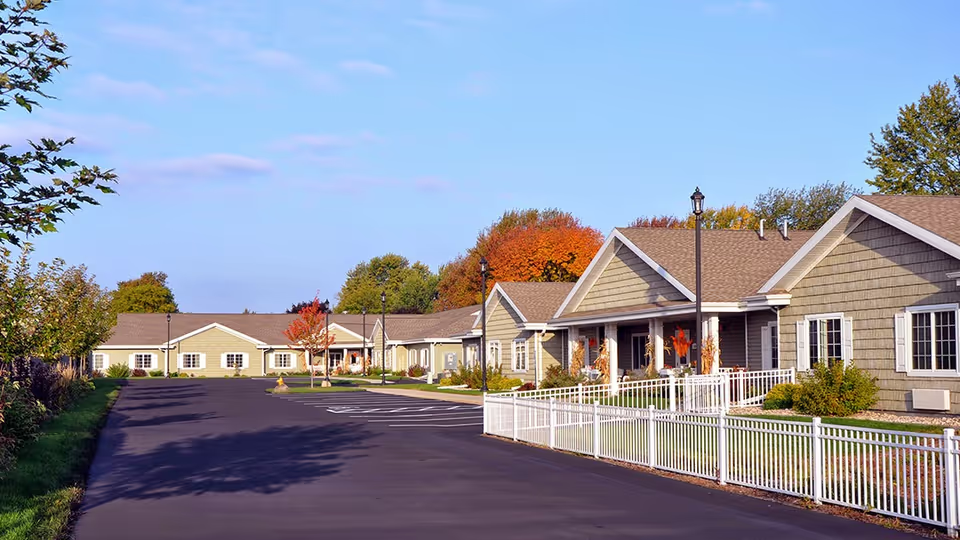
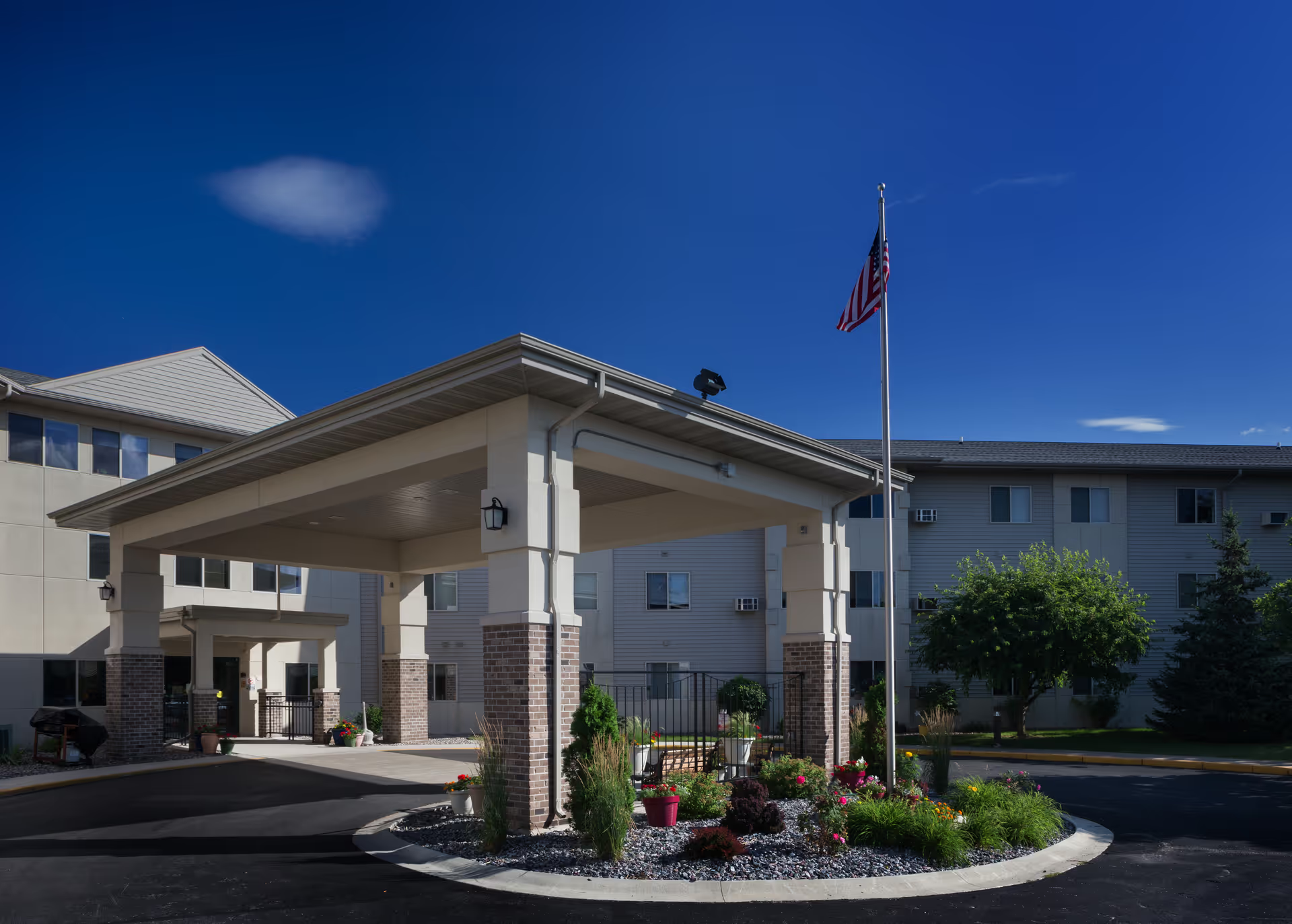
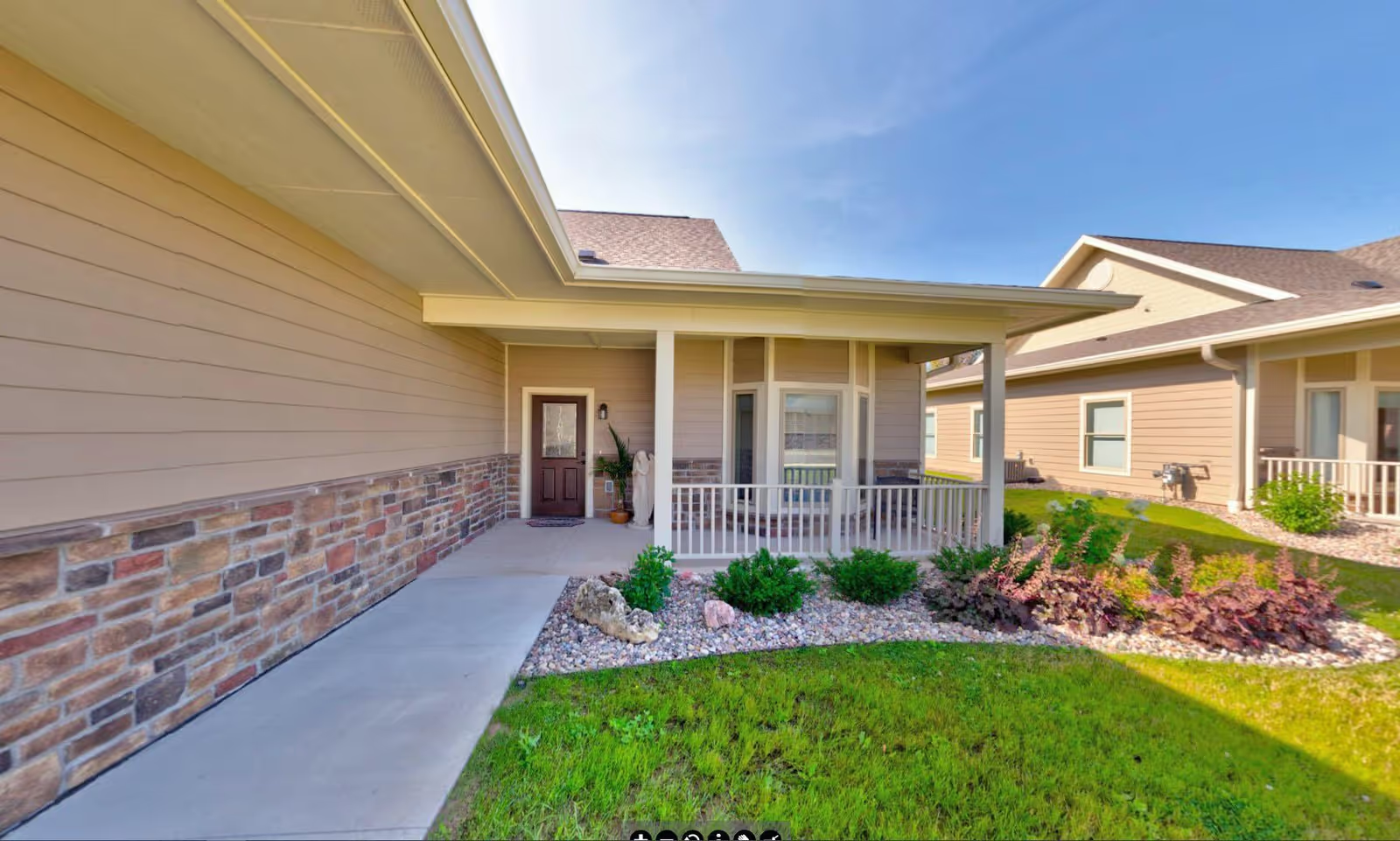
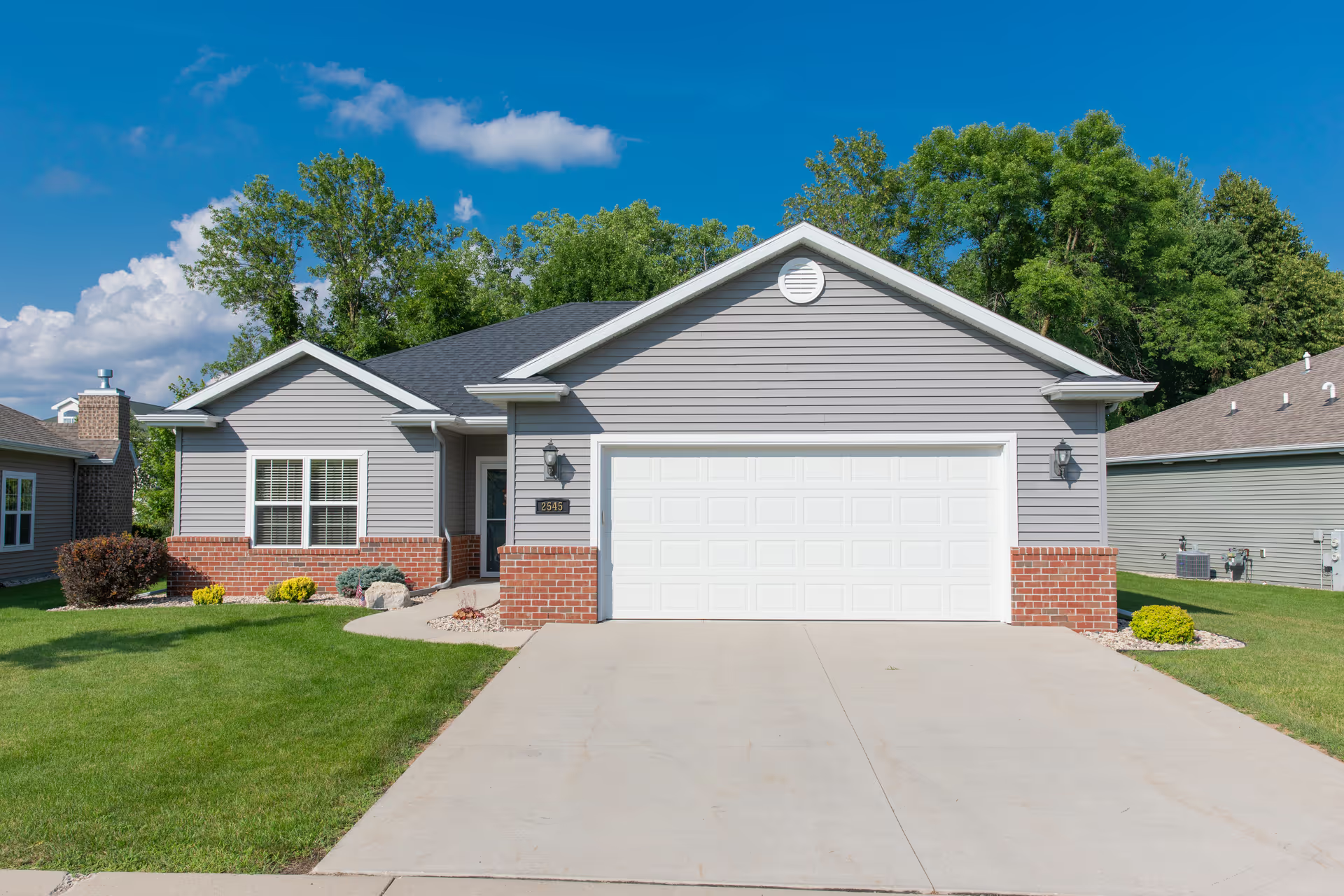
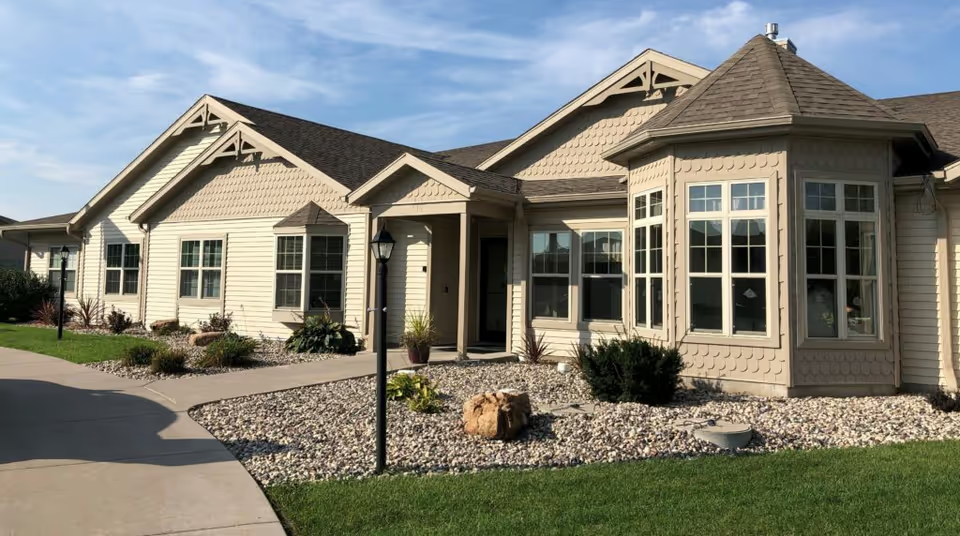
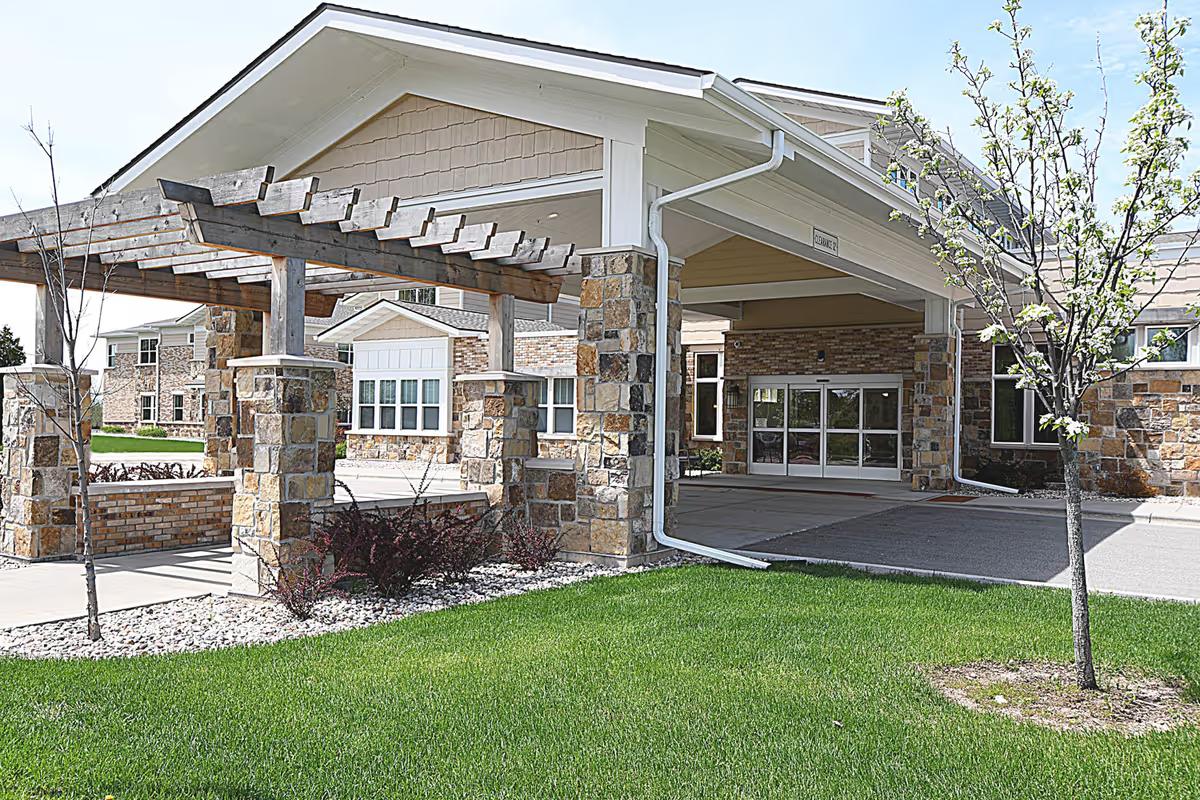
Renaissance Appleton elicits a mixed but distinct set of impressions. Positive comments emphasize compassionate, individualized caregiving, kindness from direct-care staff, and a modern, well-maintained physical environment. Multiple reviewers praised the dining — describing food quality favorably — and noted leadership strengths, including a professional administrator and visible respect for resident wishes, particularly around end-of-life preferences. Several accounts also referenced long staff tenures, which can support continuity of care.
At the same time, reviews identify persistent operational weaknesses. Communication and follow-up with families are recurring concerns: examples include delayed or absent notifications about clinical events and slow or inadequate post-event communication. Relatedly, front-desk and general response times were described as slow, with some family members characterizing initial contacts as ignored or poorly handled. These patterns point to gaps in the facility’s family‑communication processes and reception responsiveness.
Staffing and training emerged as another central theme. Reviewers raised concerns about staffing levels, high workloads, and limited training for some staff members. Where positive experiences exist, they correlate with engaged, compassionate caregivers; where negative experiences occur, they are associated with perceived understaffing and lapses in clinical follow-through. Linked to these operational weaknesses are reports suggesting insufficient safeguards around resident possessions and consent processes, indicating potential weaknesses in documentation, verification, and property-management protocols.
For prospective residents and families, the pattern is one of contrasts: strong interpersonal care and facility amenities in some cases, alongside notable process and reliability issues in others. If considering Renaissance Appleton, families should weigh the praised elements — compassionate bedside care, good food, and a modern setting — against the documented concerns about communication, staffing, and procedural controls. Asking targeted questions about staffing ratios, staff training programs, incident-notification policies, and policies for handling resident belongings will help clarify how the facility addresses the operational gaps described by reviewers.