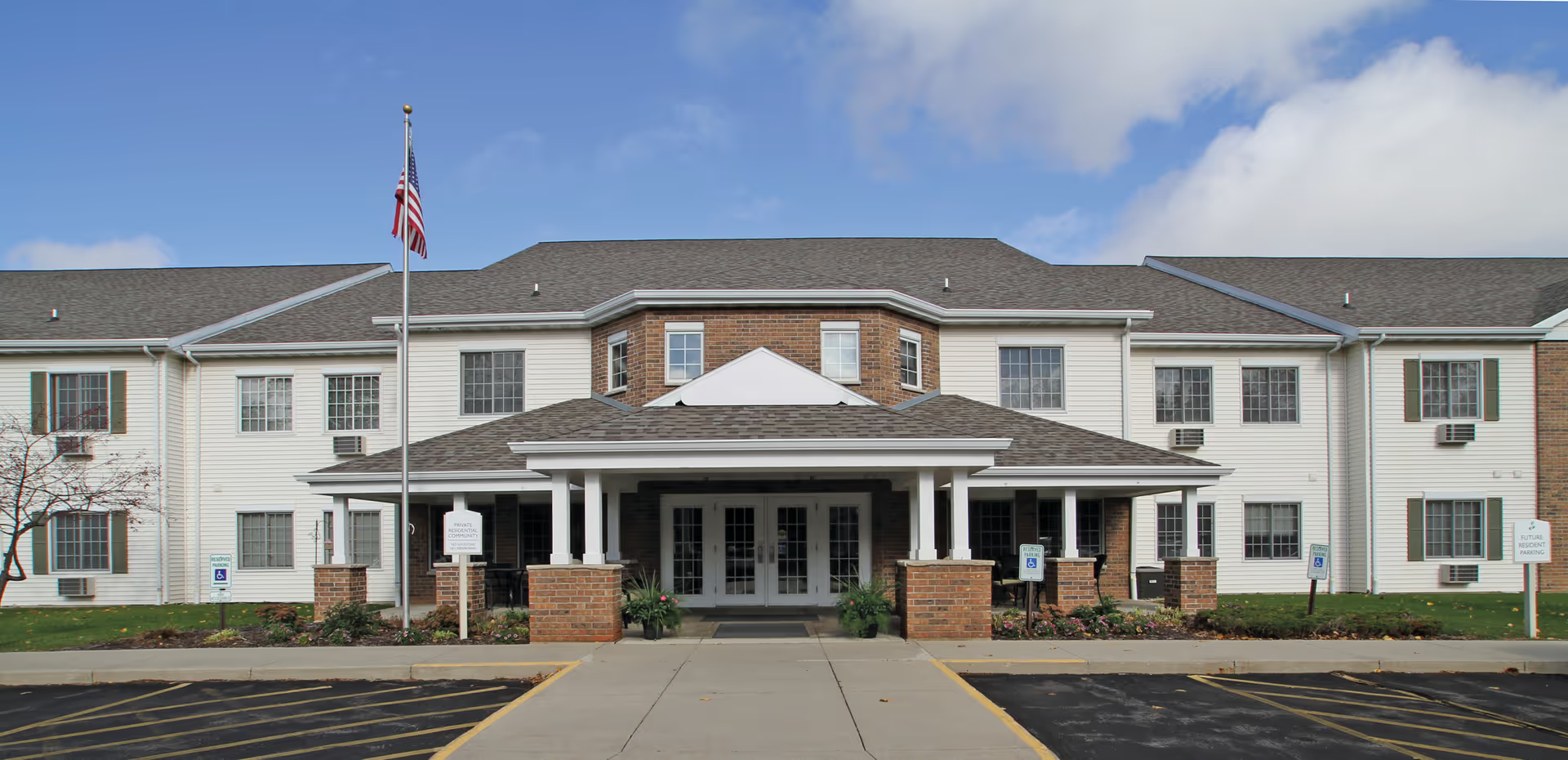
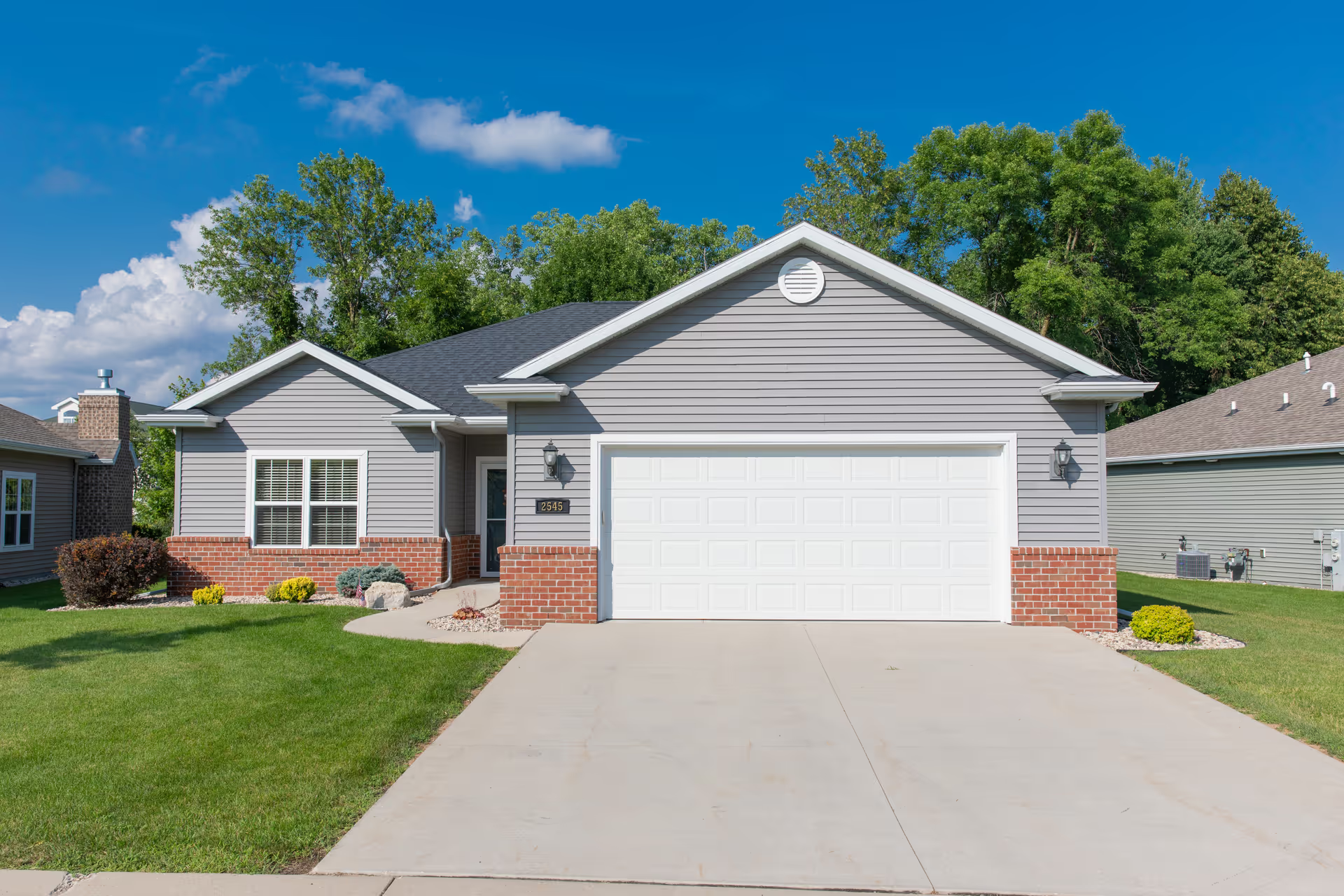
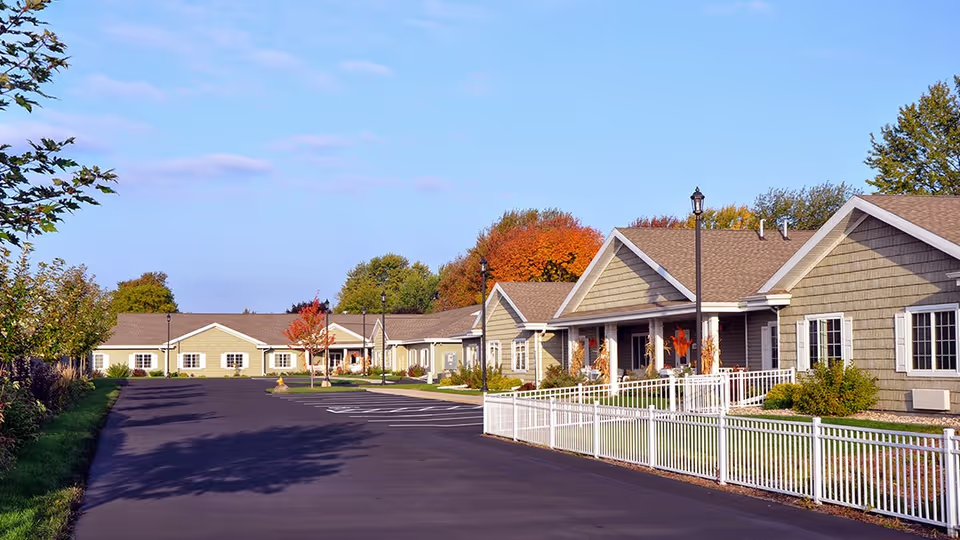
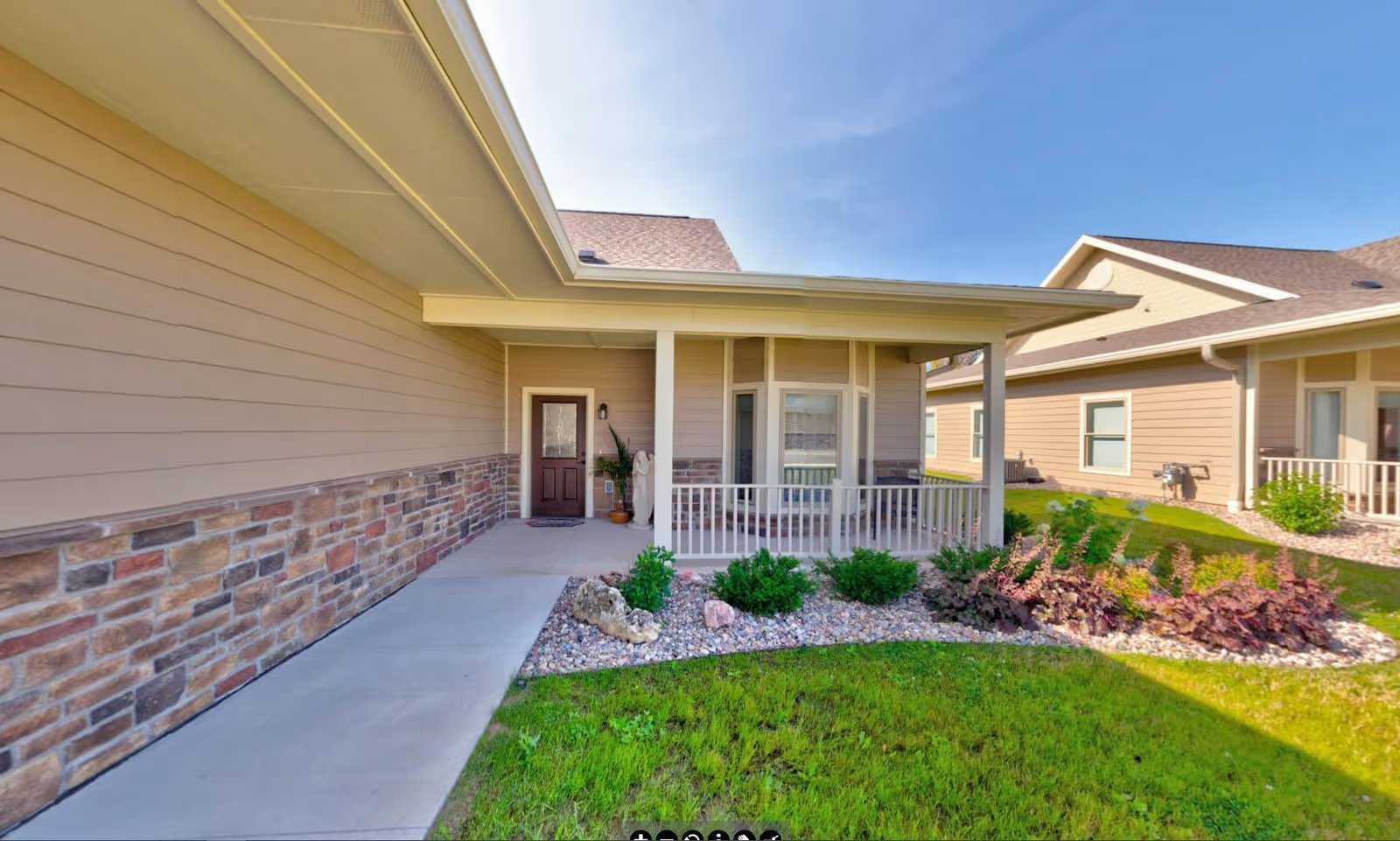
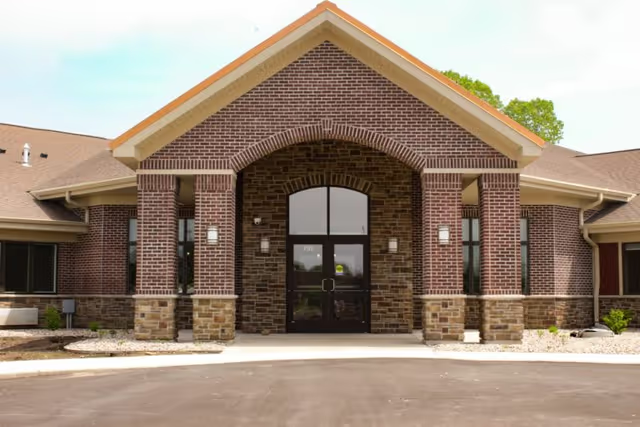
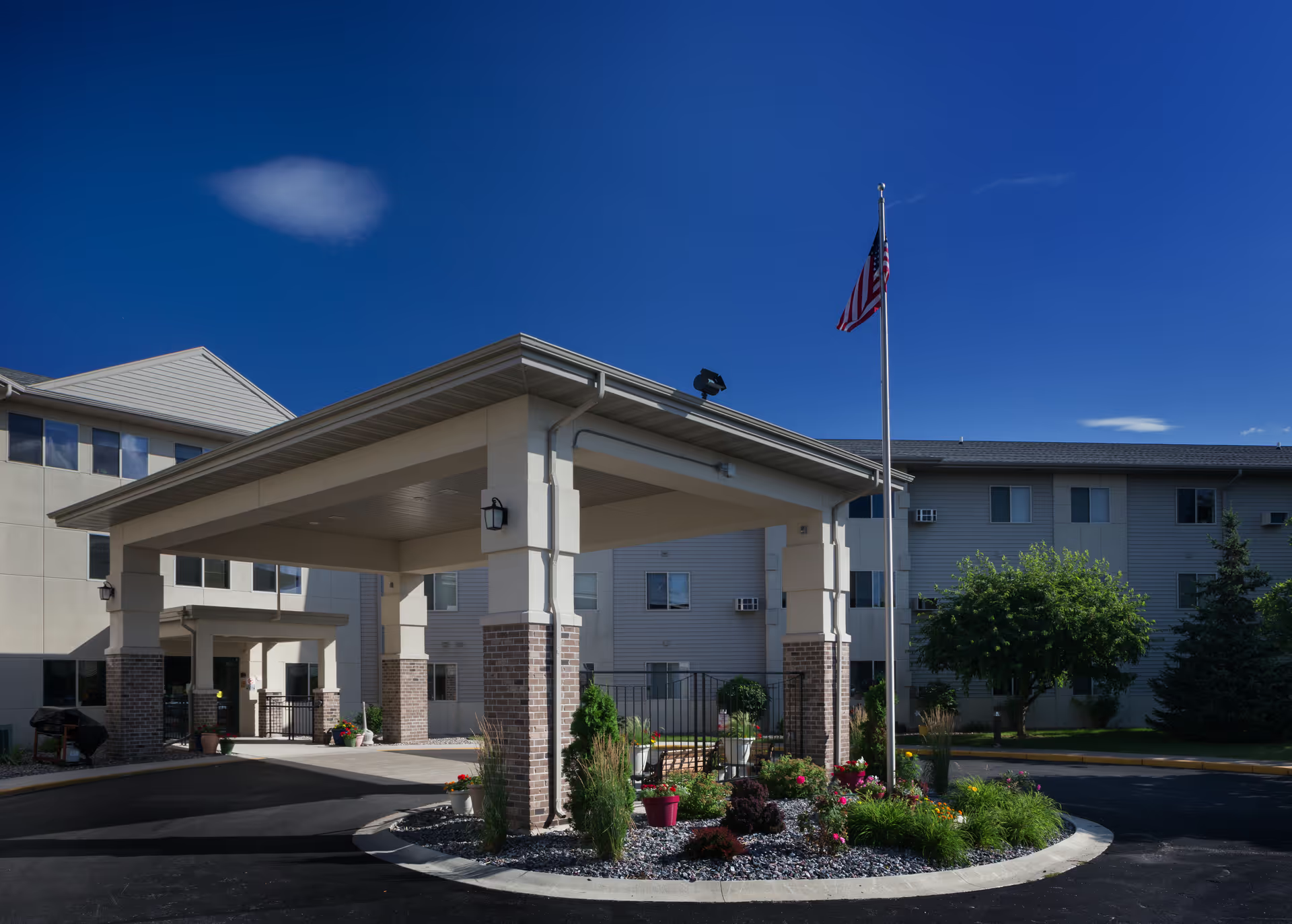
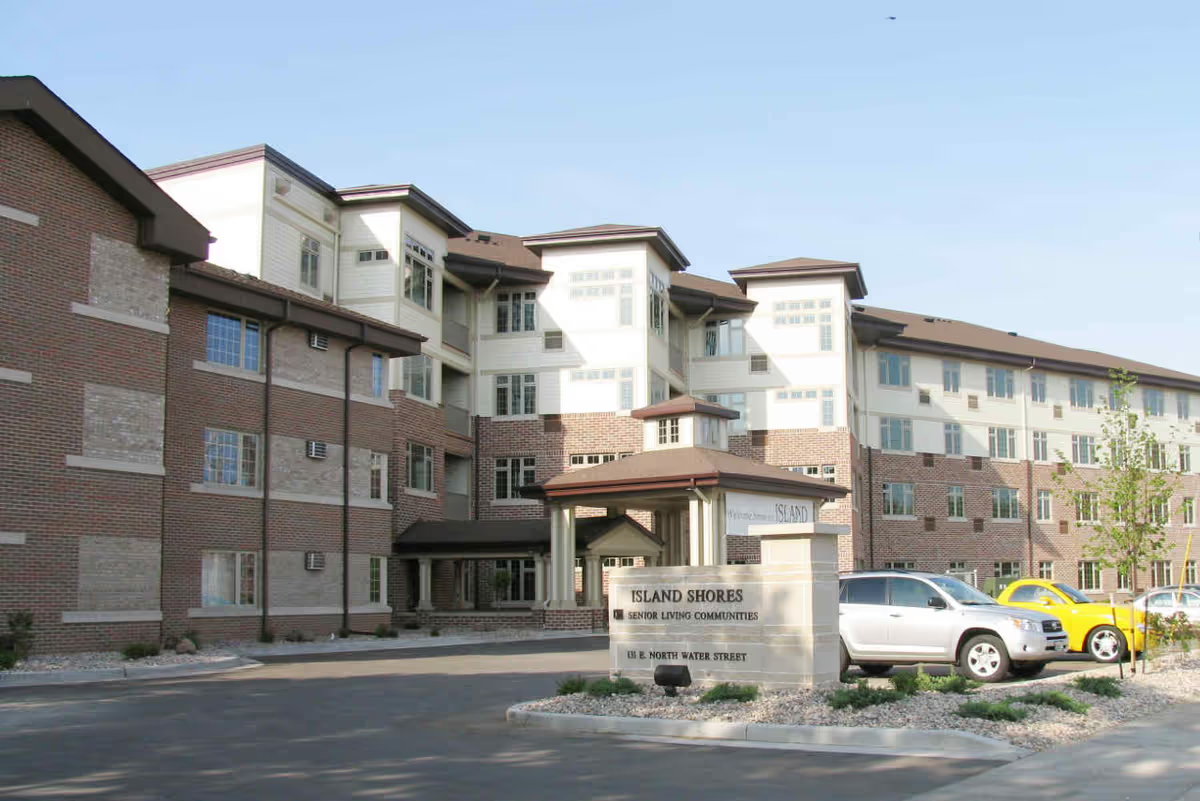
Care Partners Assisted Living receives mixed impressions that cluster around two themes: a pleasant physical environment and personable direct-care staff, and operational weaknesses in clinical oversight, communication, and management. The campus and interior spaces are frequently described as attractive and well kept — landscaped grounds, fountains, patios and a newer building create a peaceful setting. Memory-care apartment sizes are cited as generous for the level, capable of accommodating basic furniture and a small dining area. Several reviewers observed clean common areas and noted activities such as craft groups, movies with concessions, monthly performances and regular community or school visits that produced visible resident engagement.
Direct caregiving is a clear strength in many accounts. Reviewers highlighted kindness, patience and individualized attention from caregiving staff, describing a home-like atmosphere and staff who make an effort to support self-esteem and resident dignity. Admissions interactions were often positive: knowledgeable directors and thorough tours that answered questions were mentioned as helpful during decision-making. Some families also found the team responsive and likely to facilitate meal visits and other observations.
However, substantive operational concerns appear across multiple domains. There are consistent descriptions of unstable leadership and frequent management turnover, which reviewers associate with inconsistent policies and oversight. Clinical safety issues are raised, including gaps in medication-management processes and incomplete record keeping; these are accompanied in some accounts by references to regulatory investigations and alleged violations. Infection-control practices and PPE availability were described as inconsistent, and reviewers expressed concern about potential staff-related infection risks. Staffing shortages and limited supervisory coverage were frequently noted, and reviewers linked these to delays in responsiveness and variable daily care delivery.
Communication and administrative processes are another area of concern. Families reported front-desk reception and family-notification gaps, inconsistent pricing explanations and poor appointment coordination. These issues affected trust and practical planning for some prospective families. Activity programming appears to vary with census: while group activities can be engaging when run, there are periods—particularly when occupancy is low—when programming is limited.
For prospective residents and families, the facility offers a well-maintained environment and several examples of compassionate direct care and social programming. At the same time, the reviews indicate operational risks in clinical oversight, infection-control adherence, staffing consistency and administrative communication. Visitors considering Care Partners would be advised to request documentation on medication protocols, staffing ratios and infection-control policies, ask about recent regulatory findings and corrective actions, and to observe meal and activity periods at different times of day to assess consistency of the resident experience.