Overall impression: The facility is frequently described as a smaller, staff-rich community with strengths in clinical oversight and hands-on caregiving. Families and visitors commonly note the presence of a registered nurse around the clock and attentive medication management; caregiving staff are often characterized as friendly and engaged. These clinical and interpersonal strengths are core reasons many would recommend the community and consider it a good value for certain residents.
Care and staff: Care quality is a clear positive in many accounts. Reviewers emphasize timely medication administration and familiar, first-name interactions between staff and residents. Staffing levels are perceived as ample, with many comments praising the compassion and helpfulness of caregivers. However, there are also recurring concerns about administrative responsiveness and occasional timeliness issues; these suggest variability in how management handles communication, scheduling, and non-clinical resident needs.
Dining and services: The dining program receives mixed but notable praise: several reviewers call the menu strong and appreciate three meals daily. Ancillary services such as on-site laundry and a weekly hairstyling service are highlighted as convenient features. At the same time, some accounts describe inconsistent meal quality or unappetizing offerings at times; prospective families should sample meals and ask about menu rotation and quality-control practices.
Activities and social programming: The community provides a structured activities program with a range of options and transportation for appointments, which many families find well planned and accessible. A trade-off frequently mentioned is facility layout: activities and meals are often held in a single multi-purpose room rather than separate dedicated spaces, which limits quieter or concurrent programming and reduces flexibility for simultaneous uses.
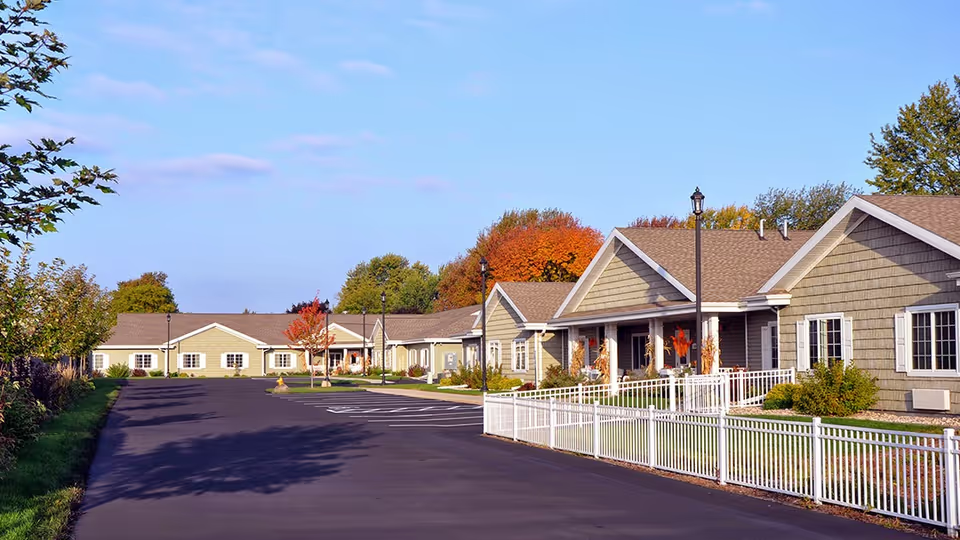
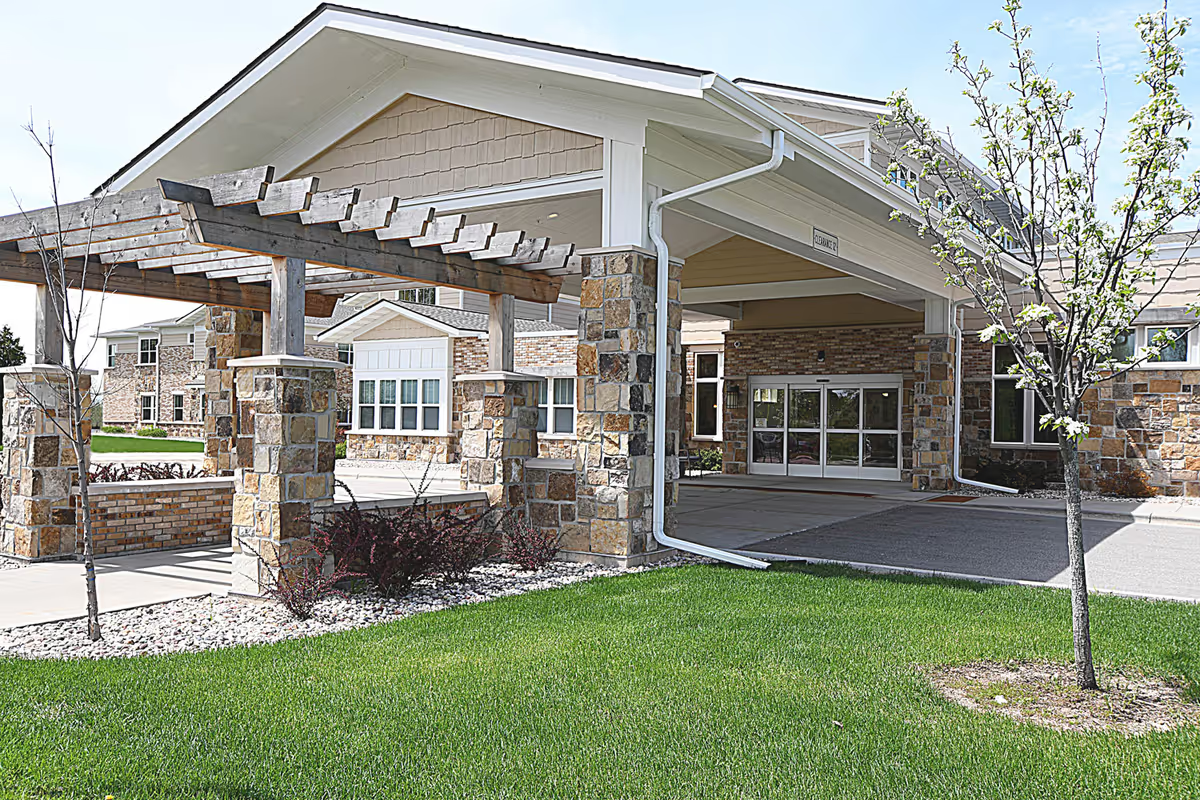
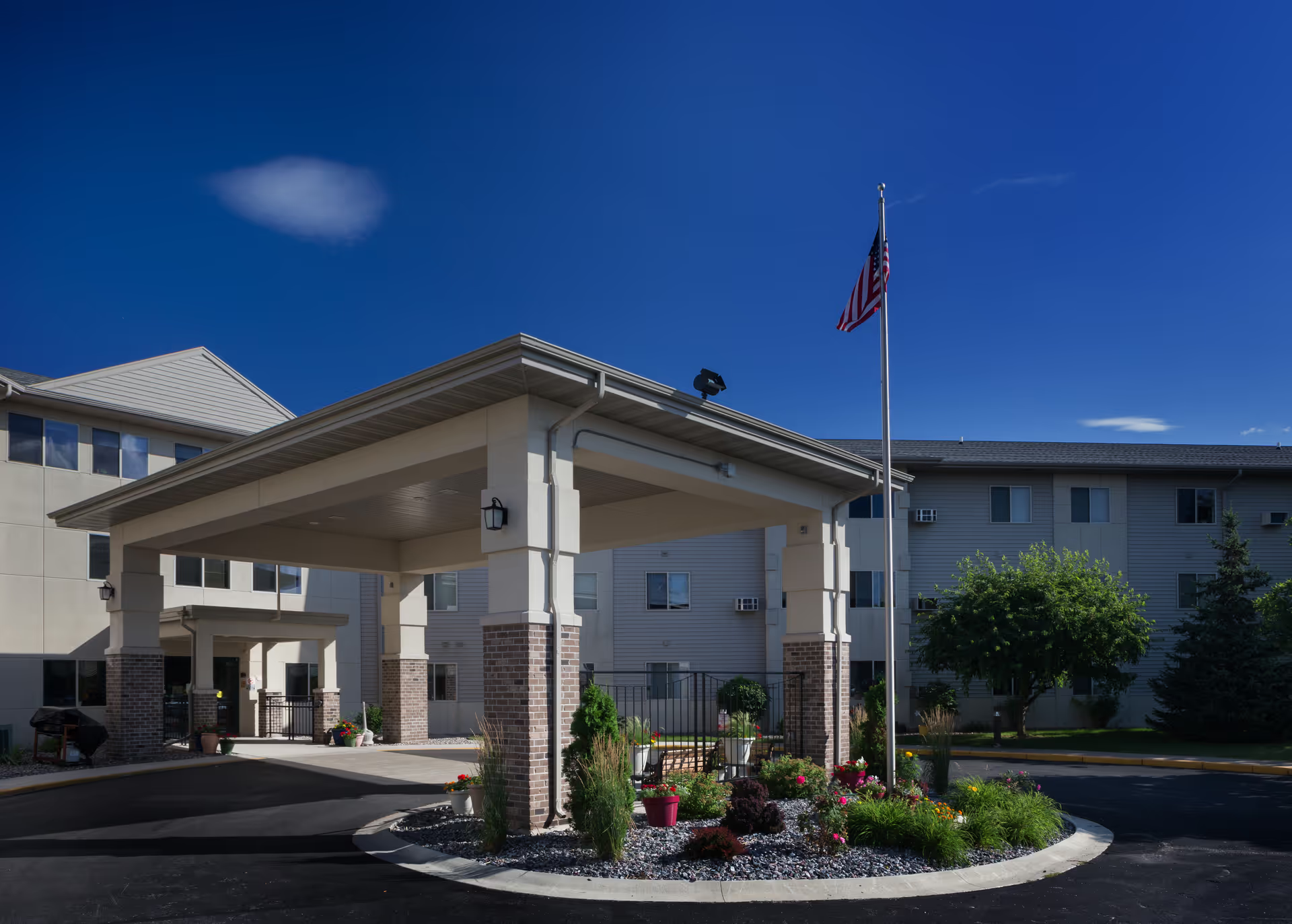
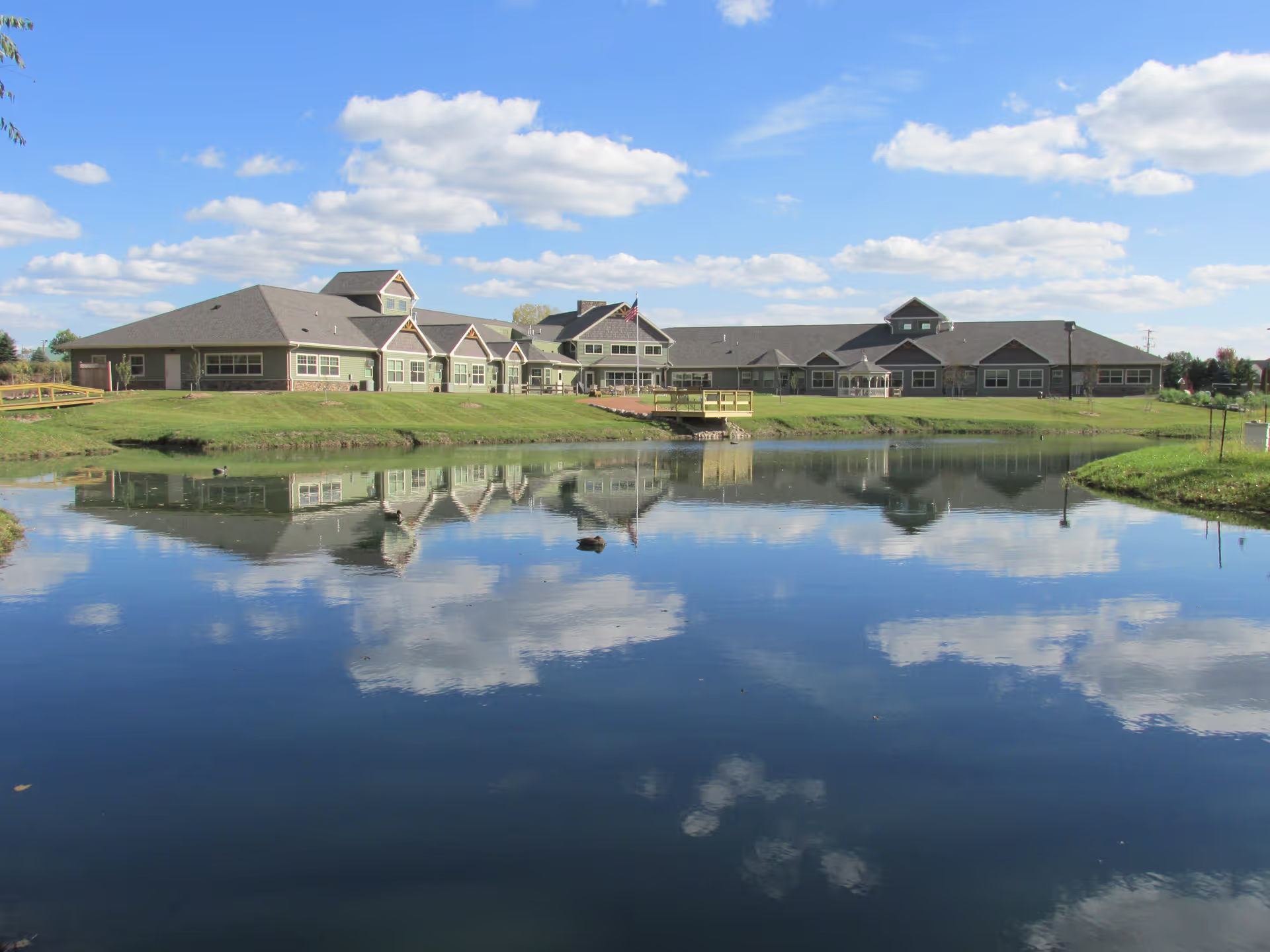
Facilities and maintenance: Physical-condition issues are a recurring theme. Several reviewers cite outdated finishes, dirty carpeting, odor concerns in common areas, and indications of pest-control problems. Narrow corridors and smaller room footprints are noted as limiting wheelchair maneuverability and general accessibility. Operational maintenance items such as nonworking door/buttons and intermittent front-desk coverage also appear in feedback, pointing to gaps in facility upkeep and access control.
Patterns and guidance for prospective families: The overall pattern is one of strong hands-on caregiving and clinical oversight set against an older, inconsistently maintained physical environment and uneven administrative responsiveness. For families prioritizing clinical care, medication management, and a smaller, personable setting, the community may be an appropriate fit. For those prioritizing modern facilities, robust maintenance, and multiple dedicated activity spaces, the physical plant and operational gaps warrant further inquiry. During a visit, consider asking about recent pest-control and deep-cleaning records, sample meals, observe the activities space during programming, confirm accessibility for mobility aids, and discuss how administrative concerns and maintenance requests are handled and tracked.