Care Partners Assisted Living receives mixed feedback that clusters around two contrasting experiences. Many families describe a small, well-appointed memory-care setting (about 20 residents) with large private rooms, en-suite bathrooms, tidy common areas, and a strong sense of community. Reviewers frequently praised engaged caregiving staff, a responsive assistant director and director, daily housekeeping, homemade meals, lift-equipped transport, and a robust activity calendar that includes crafts, puzzles, bingo, church services, holiday events, outings, and other family-focused celebrations. Several families specifically highlighted compassionate end-of-life support and thoughtful resident-centered gestures.
At the same time, a set of operational and clinical concerns appears repeatedly. Medication processes are described as inconsistent — examples include delayed administration and problems with specialty medication coordination — indicating gaps in medication-administration controls and clinical follow-up. Reviewers also noted difficulties arranging outside specialty services and appointments (eye, dental, hearing, dialysis-related accommodations), suggesting weaknesses in coordinating outside-clinic care for residents with complex needs.
Staff behavior and management practices are another area of divergence. Many accounts characterize staff as warm, welcoming, and attentive; however, other accounts raise concerns about staff conduct and communication tone, privacy protections (including staff entering rooms without notice and searching belongings), and serious allegations of mishandling resident property. In addition, families described problems with enrollment/discharge logistics, last-minute vacancy notices, and errors or poor coordination of scheduled transportation — all indicative of inconsistent administrative processes. A few reviewers raised concerns about how grievances were handled, including pressure on families to remove public feedback, which points to shortcomings in complaint-resolution and family-communication processes.
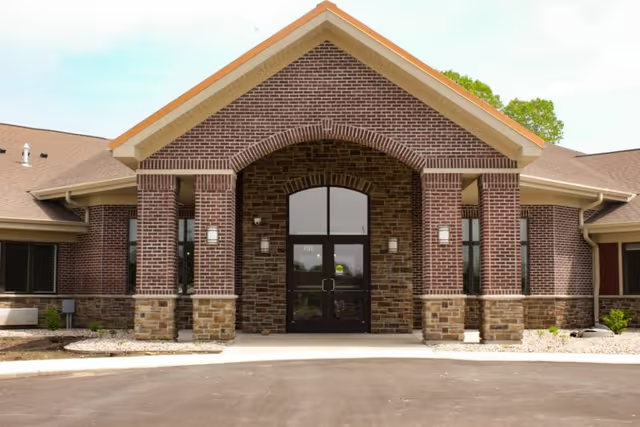
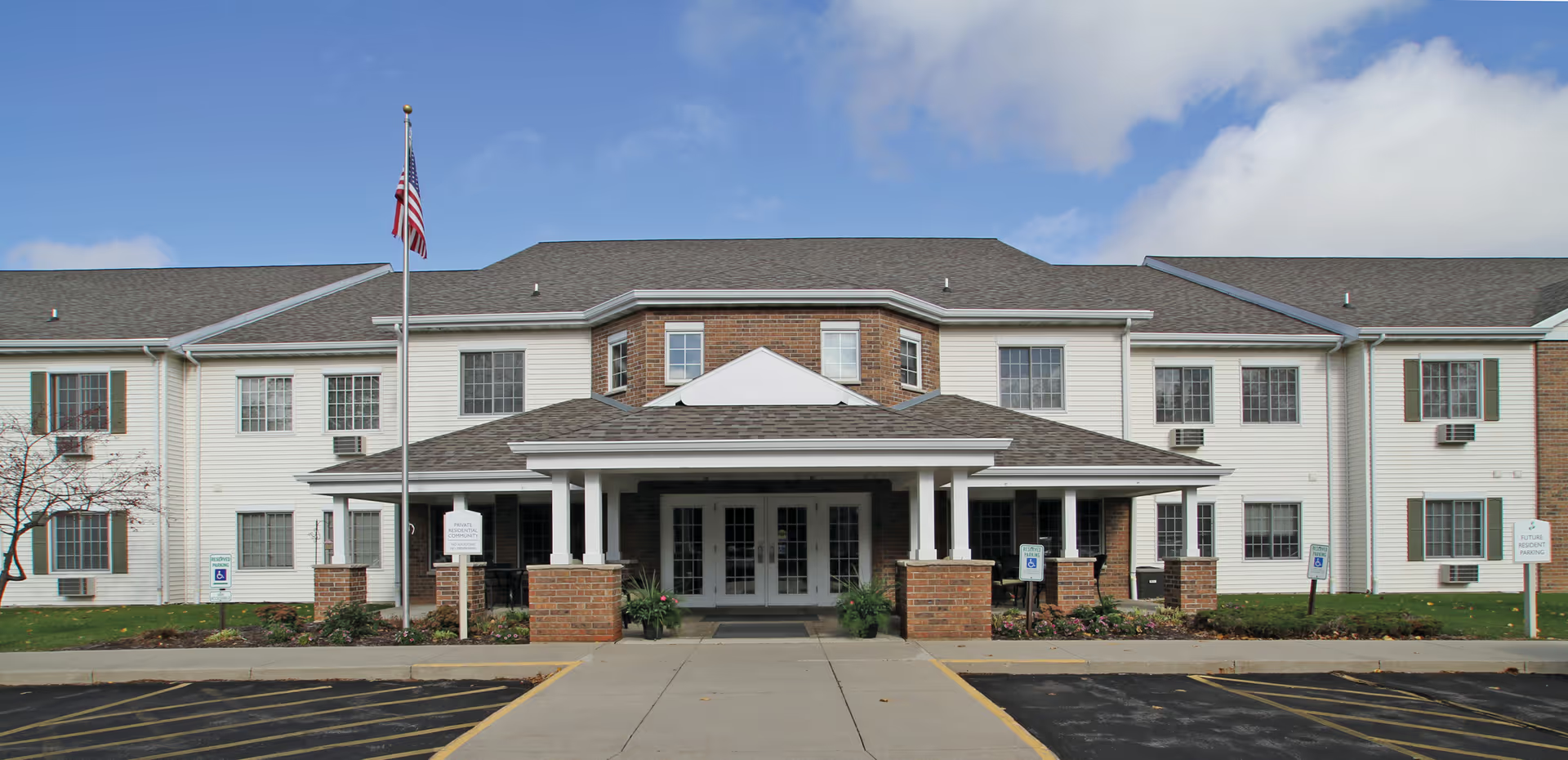
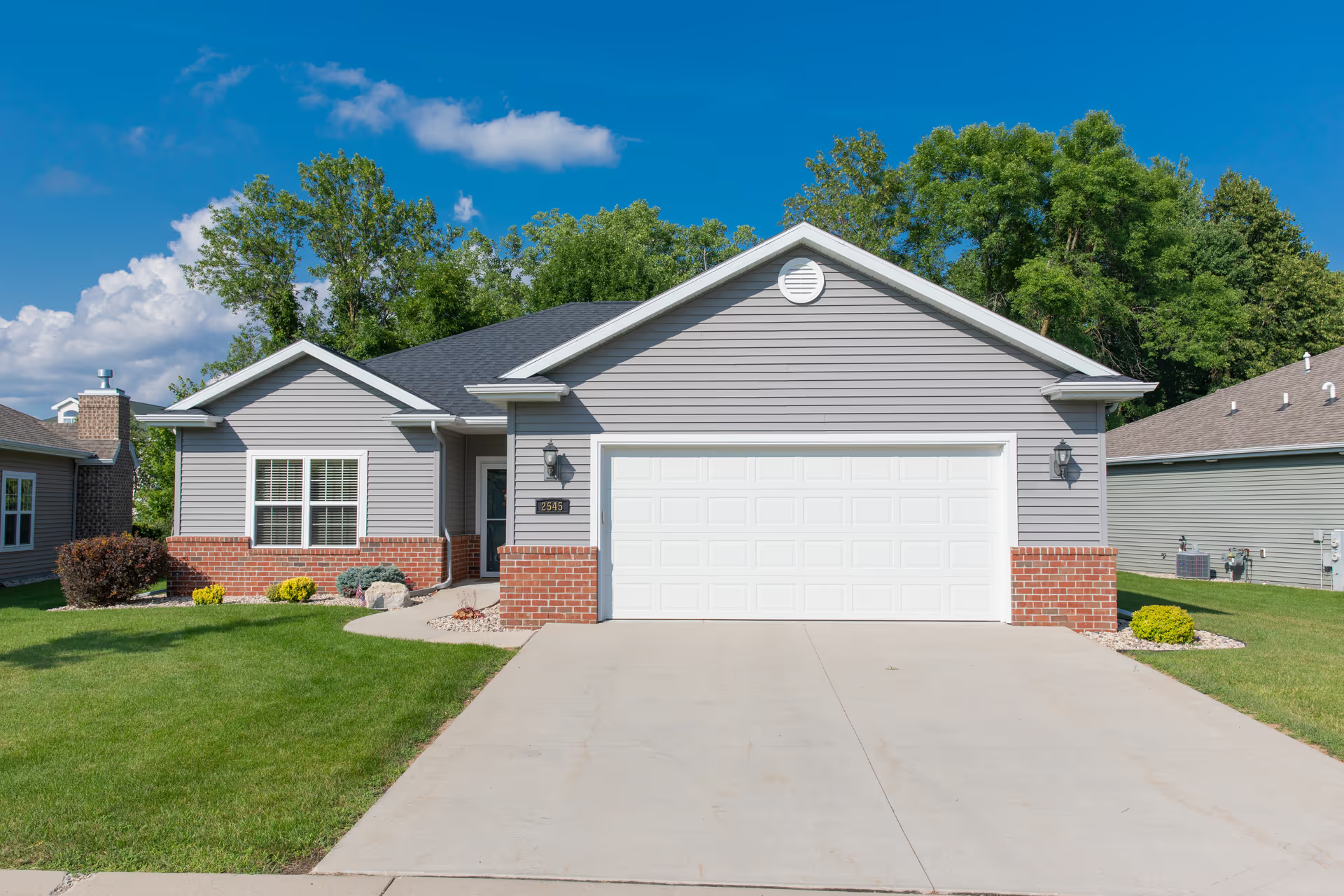
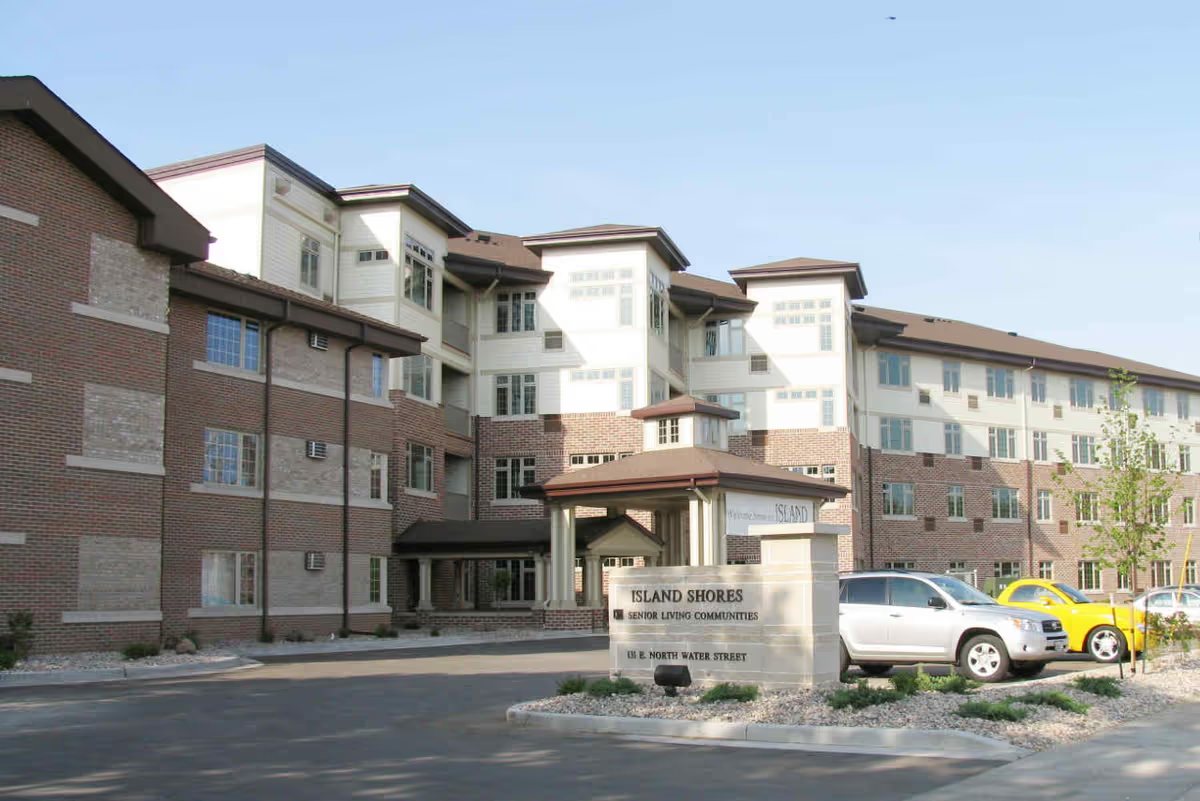
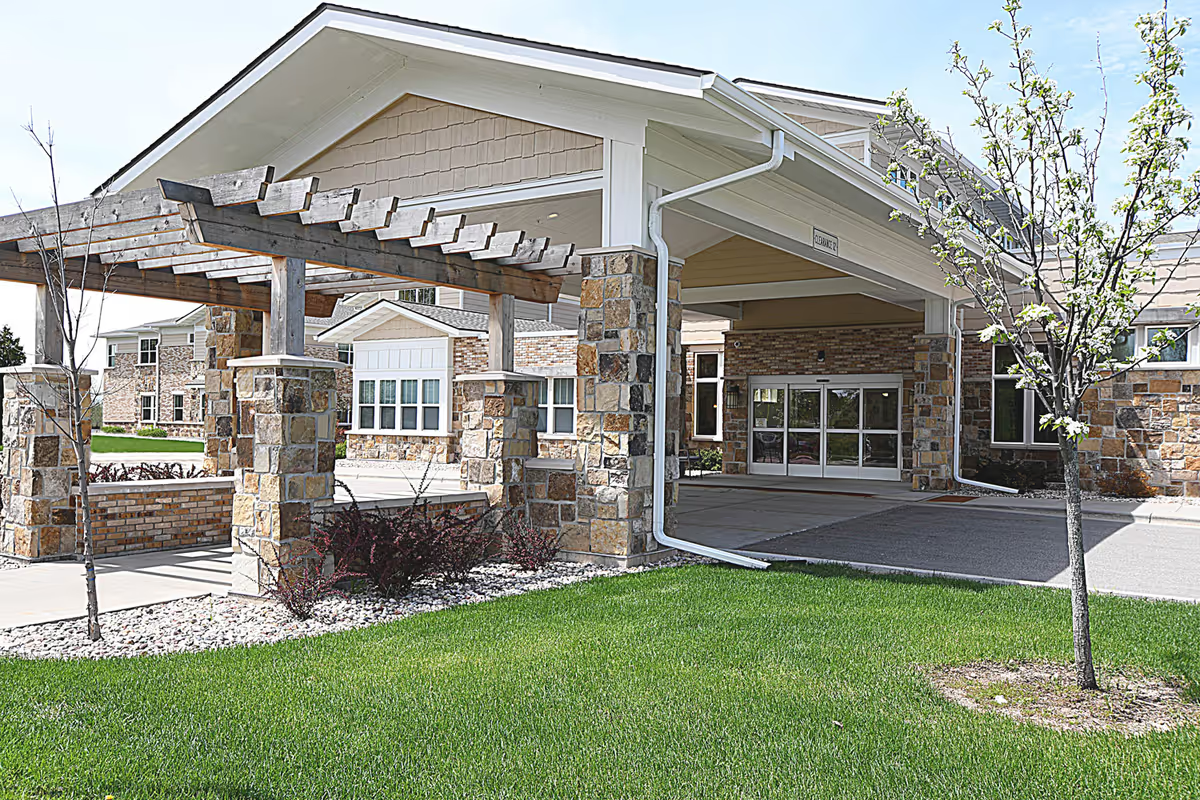
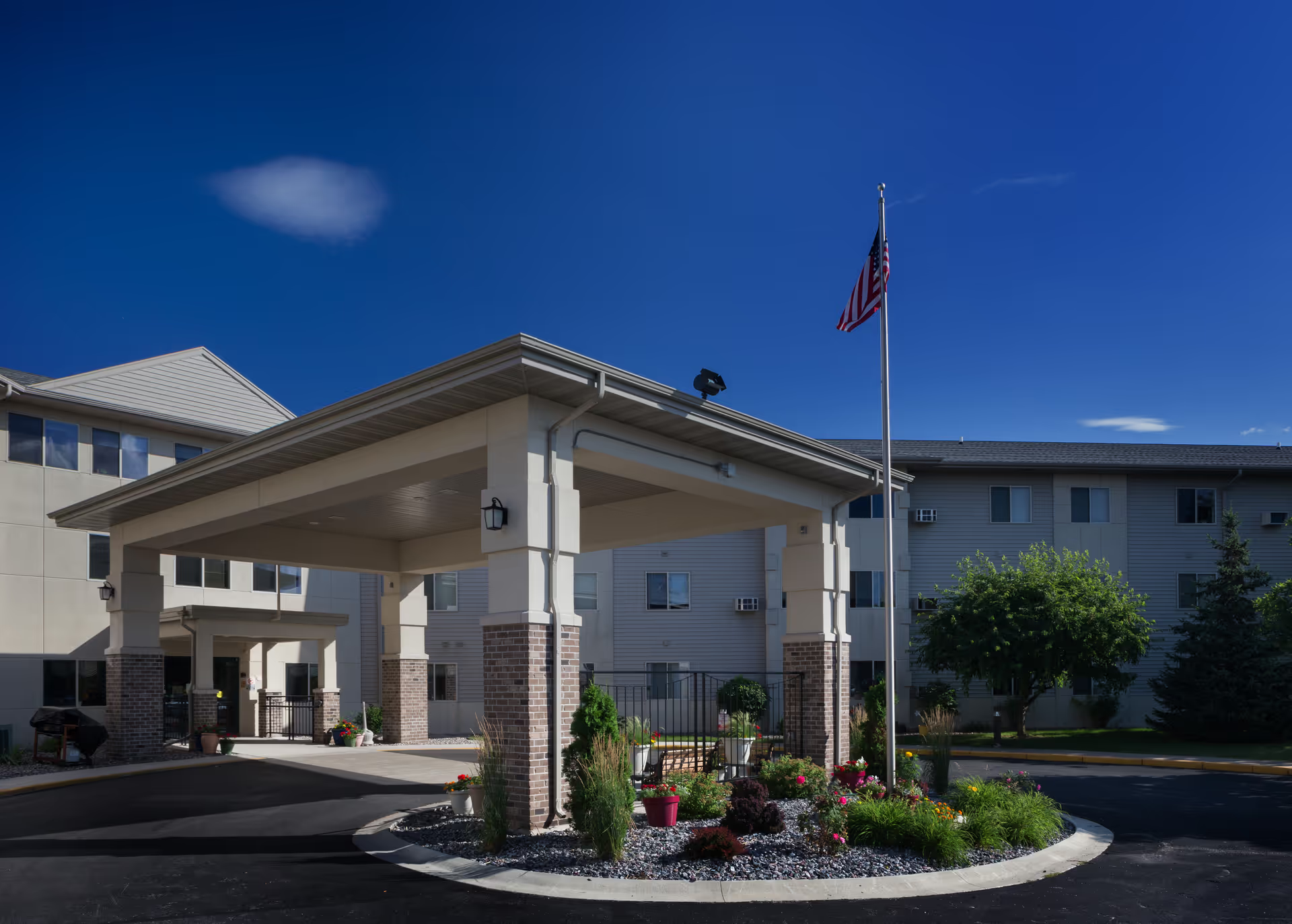
Facility features and daily life earned generally positive comments: newer construction in some areas, pleasant outdoor spaces including a pond and patios, locked memory-care outdoor access, personalized décor, and a small-community atmosphere that many residents and families appreciated. Meal quality and dining experiences were more variable in the reviews — homemade meals were praised by some, while others described the food as inconsistent.
Overall, Care Partners appears to offer a warm, small-scale memory-care environment with active programming and strong interpersonal connections for many residents. Prospective families should weigh those strengths against documented operational risks: confirm written medication and clinical coordination protocols, clarify transportation and appointment-scheduling procedures, verify privacy and personal-property safeguards, and establish clear escalation paths for complaints. Visiting in person, observing routines during care transitions, and asking for documented policies on medication administration, outside-provider coordination, and grievance resolution will help determine whether the facility’s operational controls match a family’s expectations and clinical needs.