Reviews of Franklin Wellness & Rehabilitation Center are markedly mixed, producing a polarized overall picture. Many families praised the rehabilitation services and several frontline caregivers, while others raised substantive operational and clinical concerns. The result is a facility that demonstrates clear strengths in therapy and relational care for some residents, but also shows recurring process and maintenance issues that have negatively affected other families’ experiences.
Care quality is a central divide. The facility’s physical and occupational therapy programs receive consistent praise for skill and effectiveness, and a number of families described measurable functional improvement. Nursing staff and management were described as responsive and caring in multiple accounts, and supportive hospice coordination was also noted. Conversely, reviewers described gaps in medication administration (delays and occasional errors), pain-management delays, and problems with wound/ostomy/catheter care. There are also accounts indicating inconsistent attention to basic needs and concerns around safety practices (including falls and pressure-injury prevention). Taken together, the pattern suggests reliable rehabilitation capability but variable consistency in routine clinical and nursing tasks.
Staff performance feedback is similarly mixed. Many visitors and families characterized CNAs, nurses, and therapists as compassionate, friendly, and attentive; these qualities contributed to a family-like atmosphere for some residents. However, other accounts pointed to inconsistent professional skills among techs and CNAs, occasional disrespectful or discriminatory conduct, and uneven communication among staff members. Training and supervision variability appears to contribute to these inconsistencies: while some staff act promptly and knowledgeably, others demonstrate skill gaps or unprofessional tone.
Dining and nutrition drew varied comments. Several families praised the food quality, flexible meal options, and nutrition staff engagement. At the same time, there are serious operational concerns about food handling practices and pest-control processes that affected confidence in kitchen and dietary operations. Billing pressure connected to care decisions was also mentioned. These mixed signals indicate that dining experience may depend on specific units, shifts, or meals.
Activities and the social environment are generally positive where mentioned. Families cited meaningful programming such as outdoor walking, grilling events, music/ministry visits, and flexible therapy options that promoted socialization and engagement. Multiple accounts described a welcoming, home-like ambience that contributed positively to residents’ daily life.
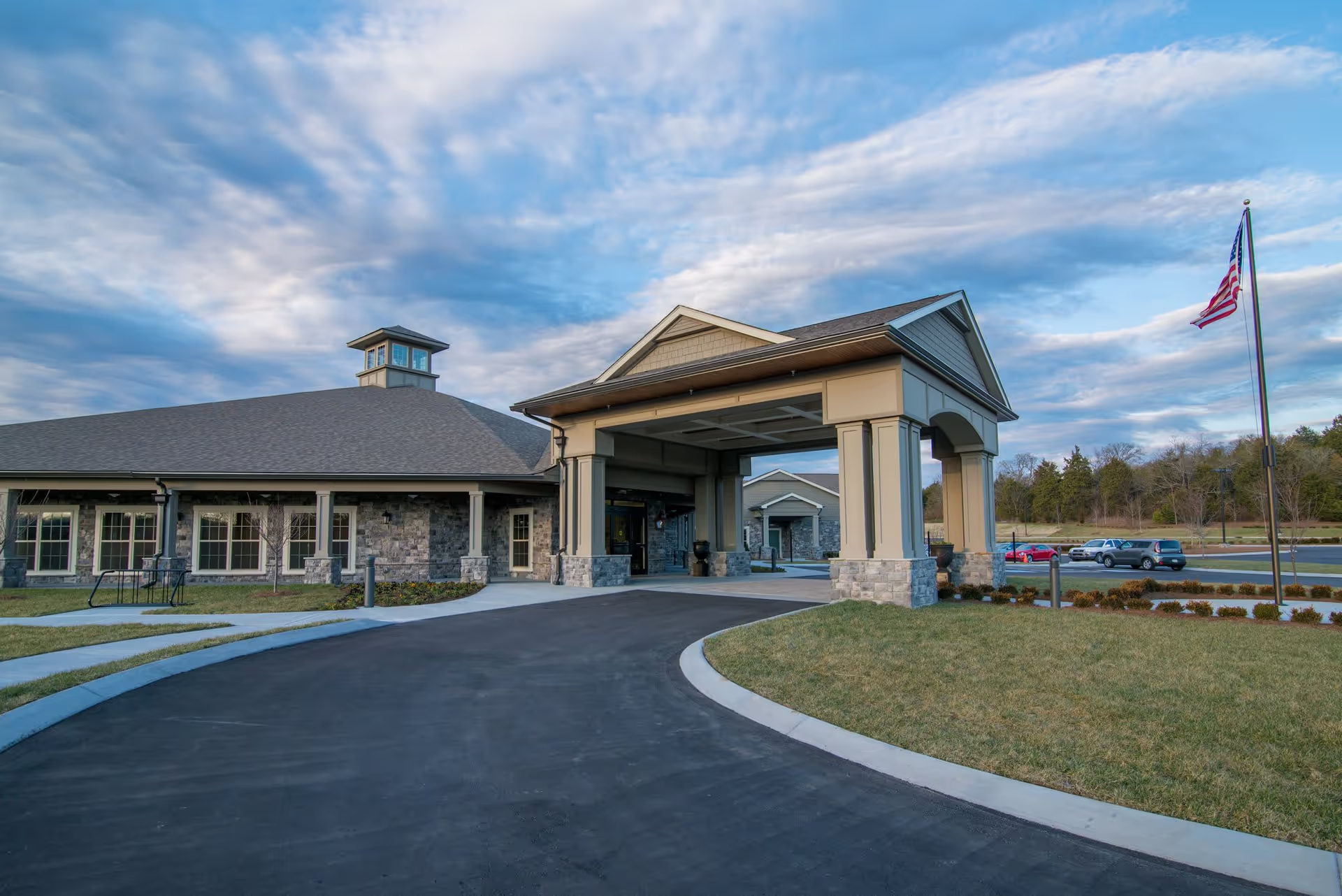
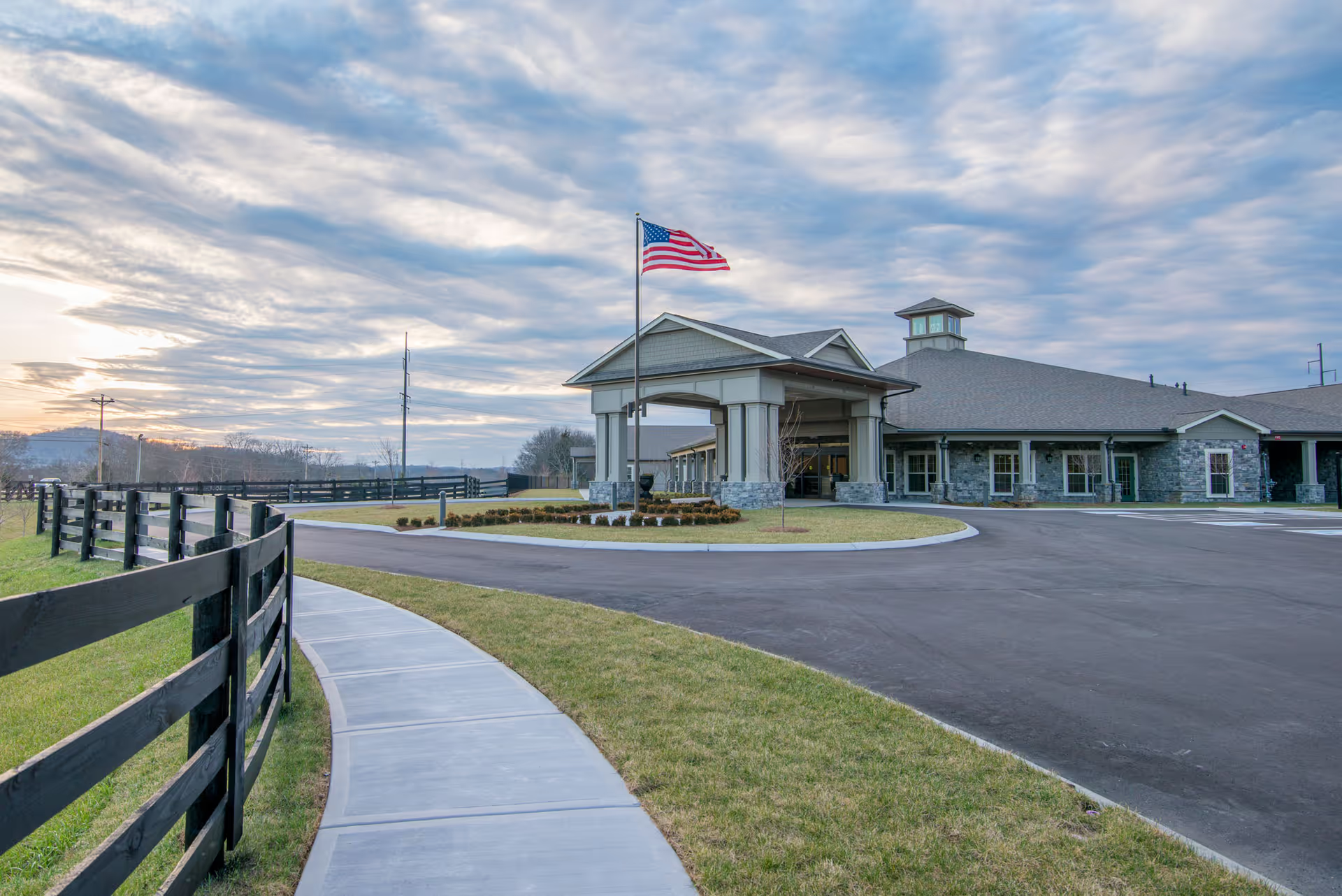
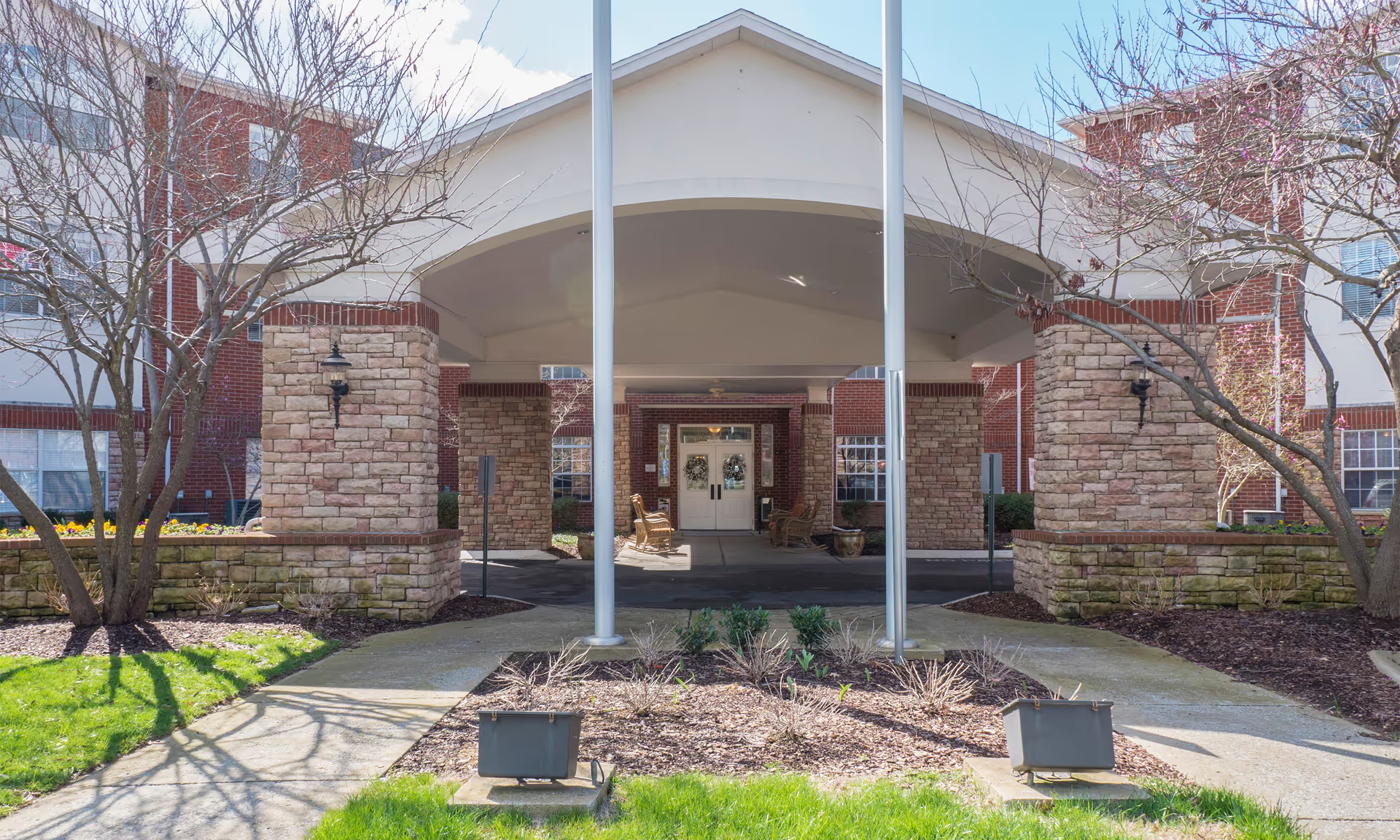
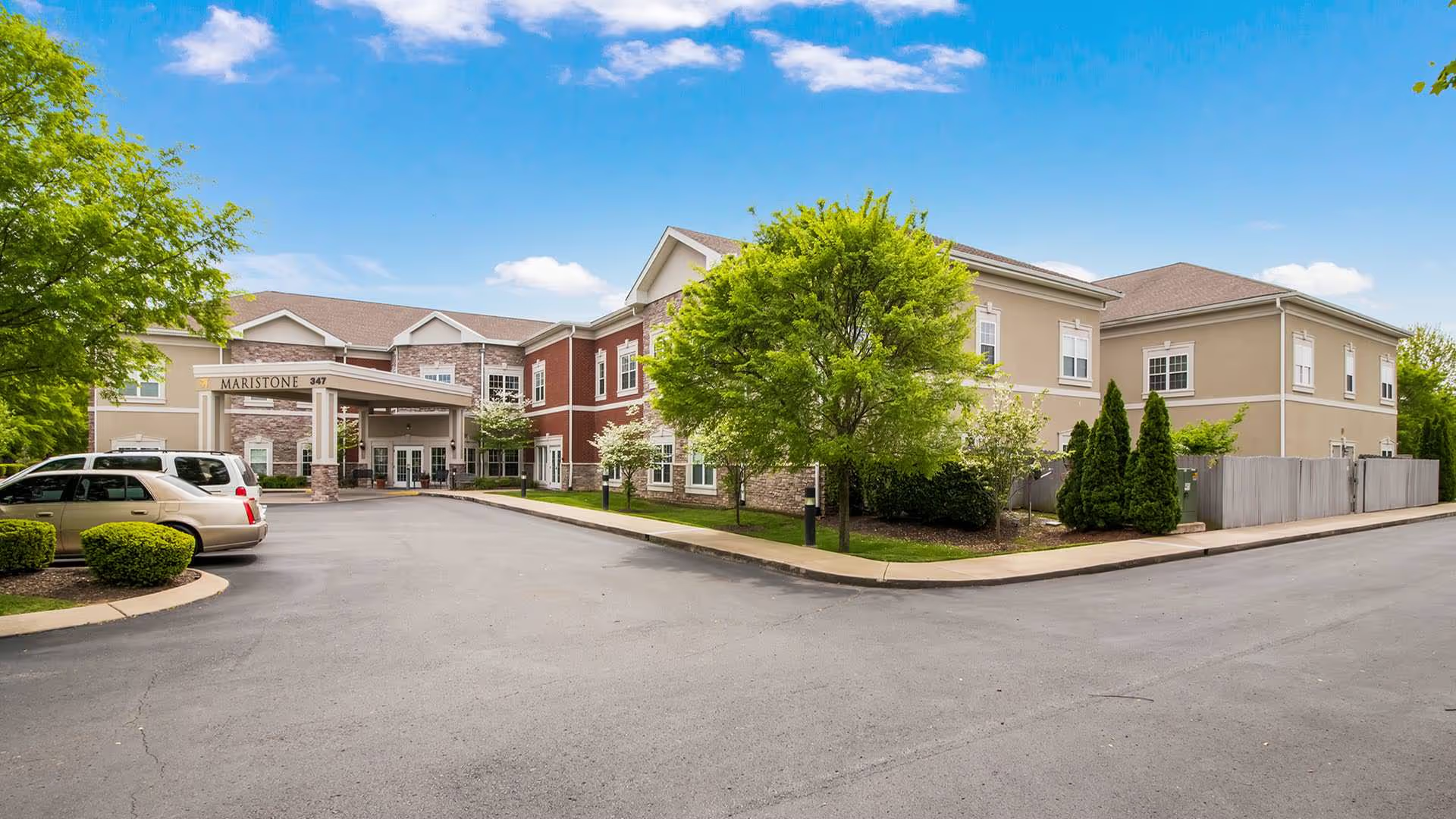
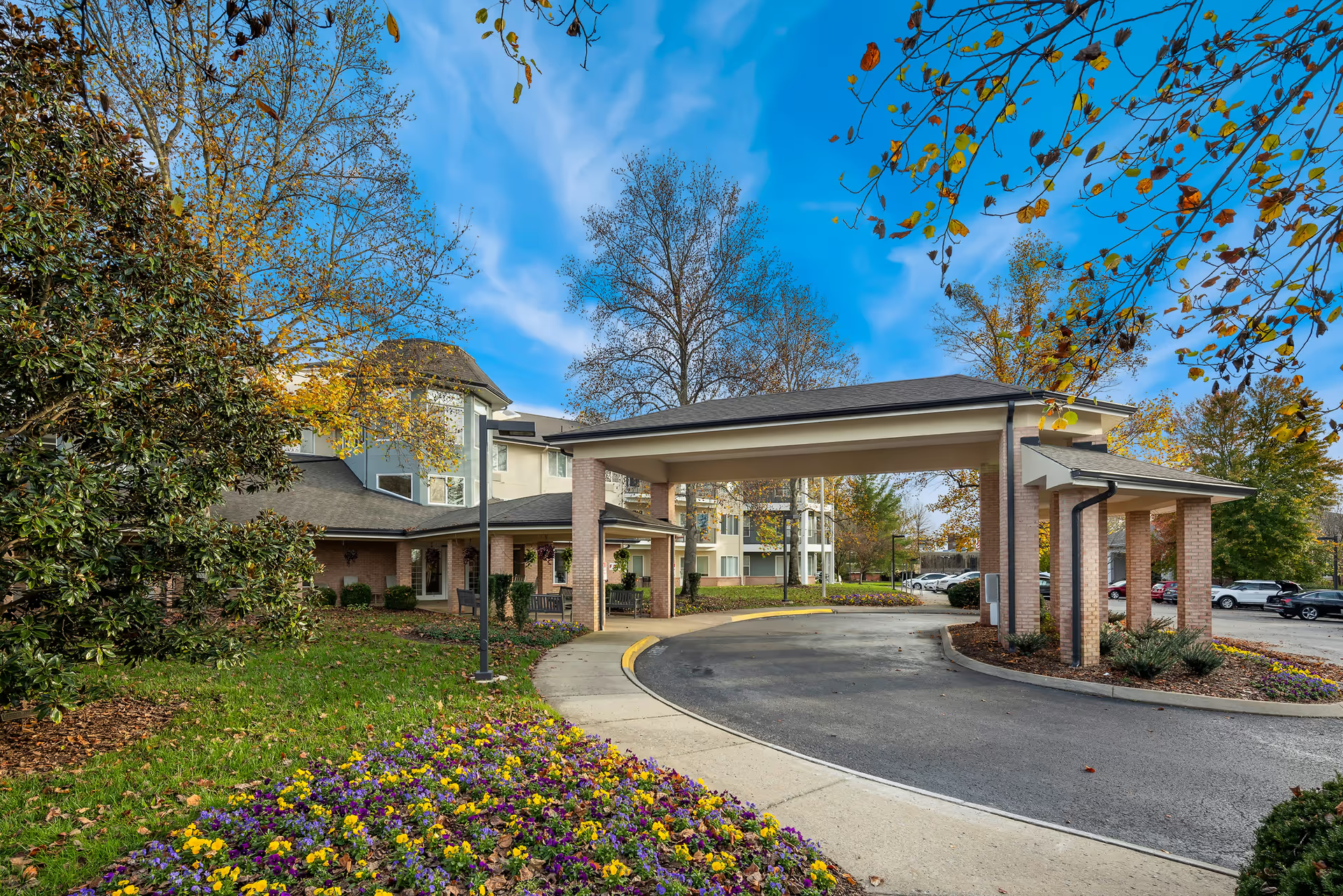
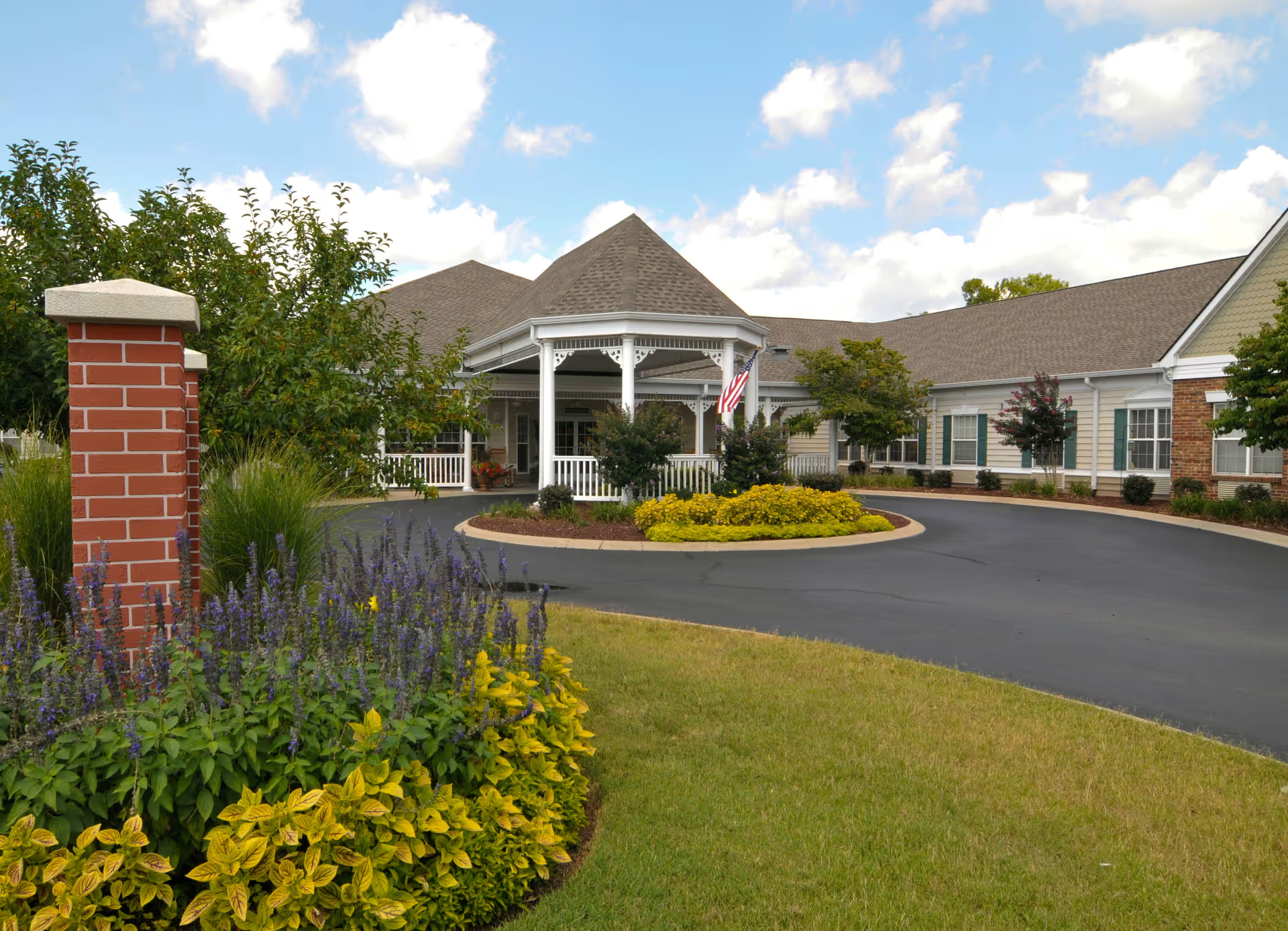
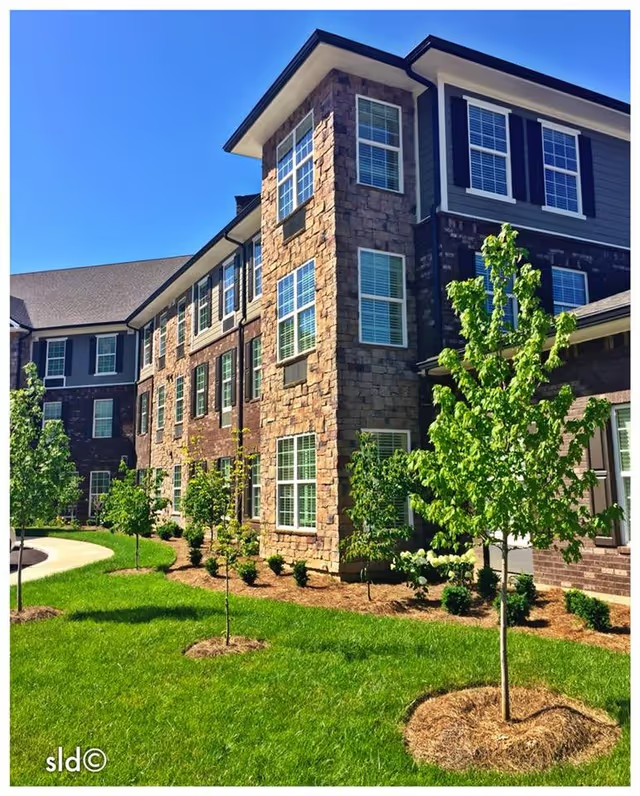
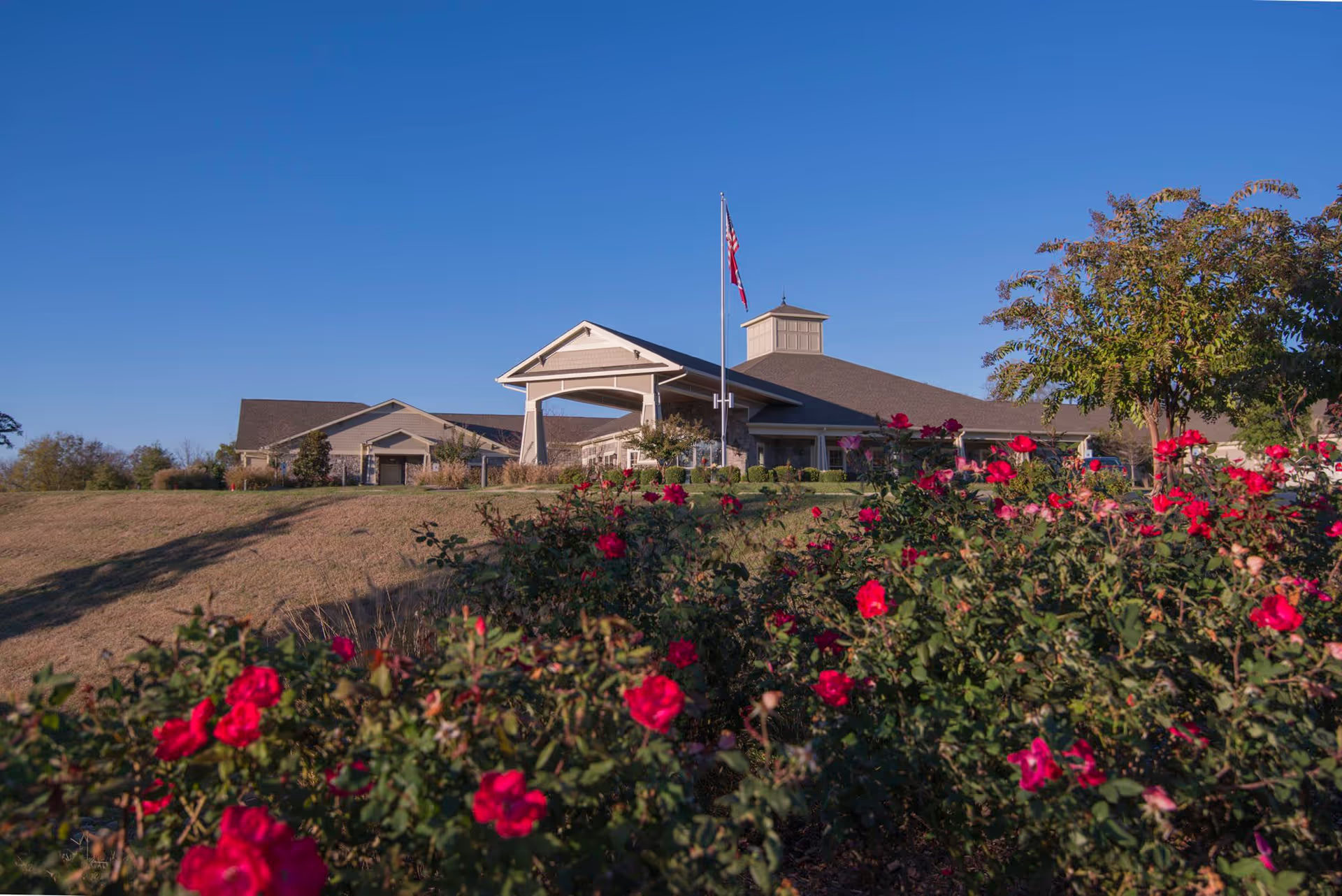
Facility condition and maintenance appear inconsistent. Some reviewers described clean, well-kept areas with pleasant views and strong security, while others identified aging infrastructure, mold or leak issues in bathrooms/showers, inadequate room furnishings, and odor concerns in certain areas. The facility largely uses two-person rooms rather than private rooms, which may limit privacy for some residents; privacy concerns were raised in several accounts. These contrasts point to variability in environmental upkeep across units or over time.
Management and communication show strengths and weaknesses. Management responsiveness and helpfulness were noted by a number of families, and some praised prompt problem resolution. At the same time, consistent concerns emerged about poor family communication, delayed discharge notifications, confusion between insurance coverage and length-of-stay, and inconsistent information provided by different staff members. These process gaps appear to contribute to stress for families during transitions and care planning.
Notable patterns: the facility earns strong marks for rehabilitation therapy and for many individual caregivers, but there are recurring operational weaknesses—particularly in medication management, staff training consistency, sanitation controls, dining safety, maintenance, and discharge/insurance coordination. There are also serious, isolated accounts concerning end-of-life decision coordination and clinical escalation that warrant careful follow-up.
Recommendations for prospective residents and families: verify current infection-control and sanitation practices, ask about staffing ratios and CNA/tech training programs, review medication-safety and wound-care protocols, confirm private-room availability if needed, and request clear, written discharge and insurance guidance. An in-person tour focused on dining service, bathroom/showers, and therapy areas — plus direct conversations with therapy leads and the nurse manager — will help clarify whether the facility’s strengths align with your priorities and whether recent process improvements have addressed the identified concerns.