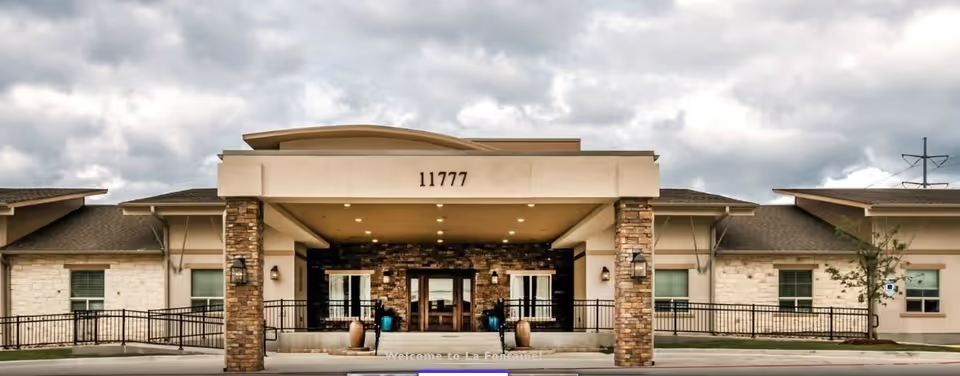
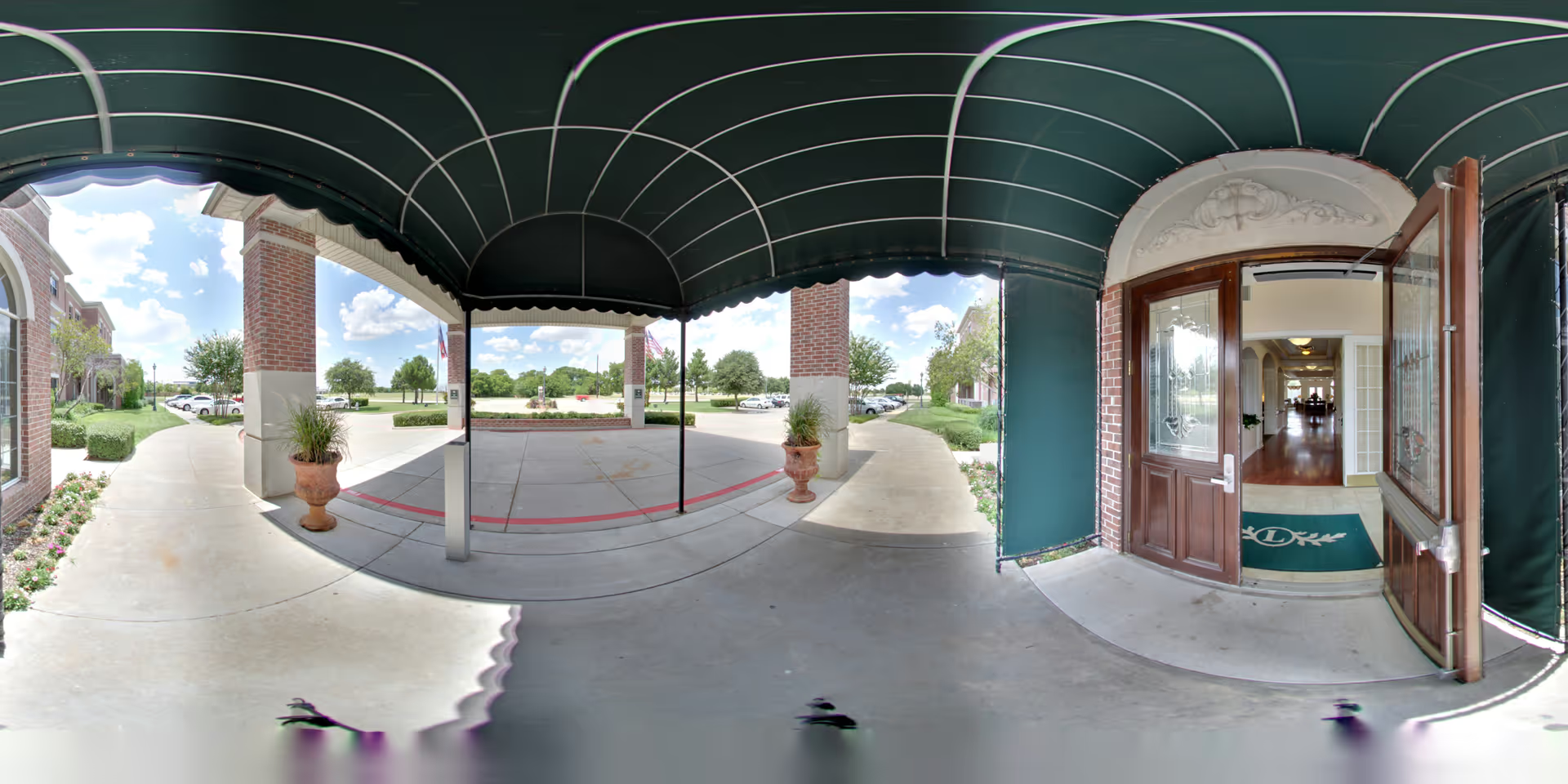
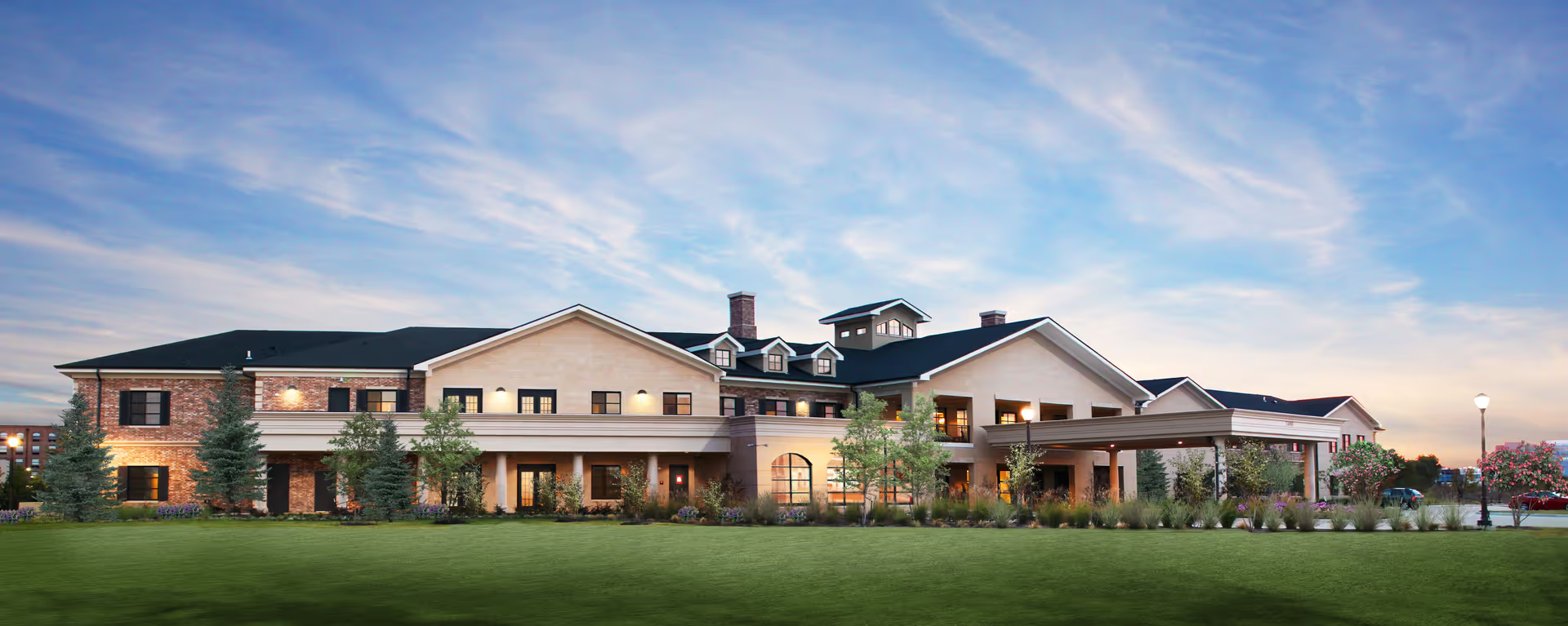
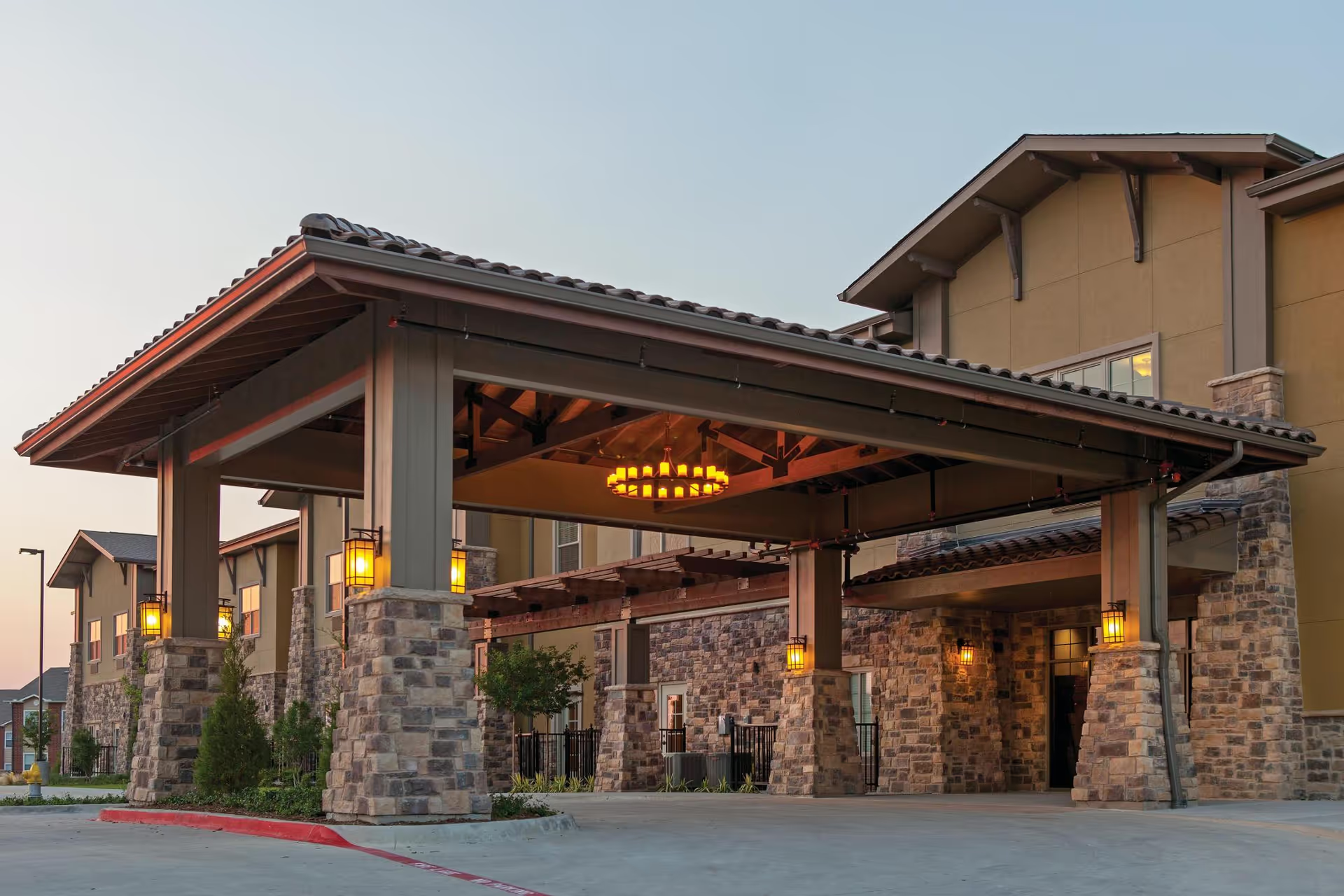
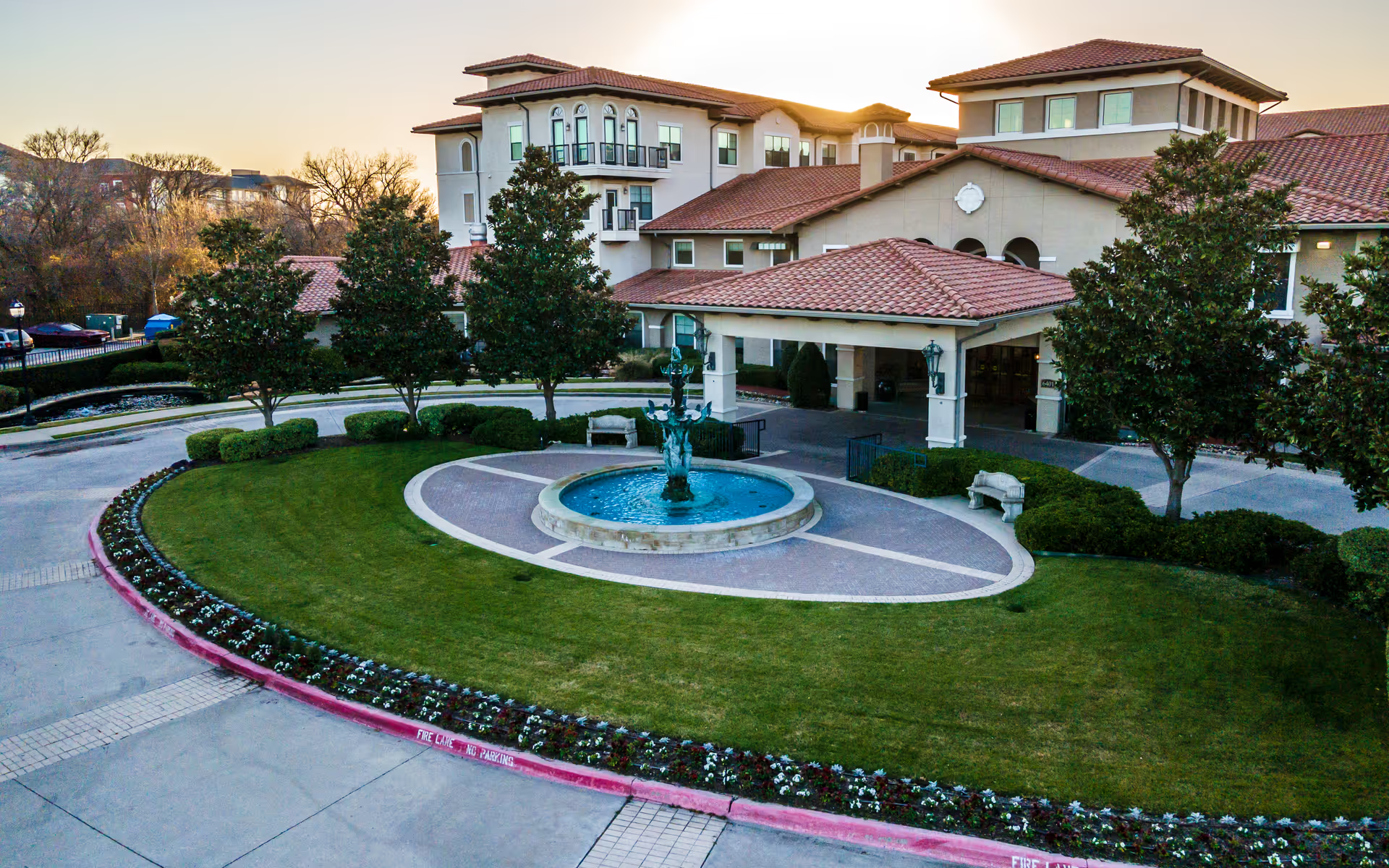
The collected reviews describe a facility with strong structural and programmatic assets paired with notable variability in day-to-day clinical operations. Strengths most consistently cited include a very capable rehabilitation program (physical, occupational, and speech therapy) and therapists who drive measurable recovery progress. Many families praised individual clinicians and aides for compassion, attentiveness, and patient-centered interactions. The building itself is frequently described as new, clean, and well appointed, with comfortable rooms, an on-site salon, and an active activities program that includes music, bingo and social dining.
At the same time, a pattern of inconsistent care emerges across reviews. Clinical oversight and follow-up are uneven — examples include delayed communication of test results, inconsistent pain assessment and follow-up, and variable attention to wound and skin-care needs. Staffing variability is a recurring operational theme: daytime and therapy teams are often praised, while third-shift, weekend, or holiday coverage is described as less consistent. This results in delays in assistance, gaps in response to family concerns, and a perception of uneven competence depending on shift and individual staff member.
Dining and nutrition receive mixed evaluations. Some reviewers report first-class meals, heated plates, and careful texture/texture-modified options (pureed foods, thickened liquids, and gluten-free accommodations). Others describe inconsistent food quality and nutritional continuity that, in isolated cases, contributed to weight loss or the decision to seek higher-acuity care elsewhere. Families should confirm menu flexibility and how the facility monitors intake and weight.
Management and administration are viewed positively by many: admissions and orientation are described as smooth when present, administrators and directors are accessible, and the facility can coordinate effectively with hospitals. However, reviewers also note gaps in standardized orientation and consent processes for staff and residents. Specific operational concerns include medication-management controls, informed-consent practices, privacy during examinations, and training or turnover that affects consistency of care.
For prospective residents and families: the facility offers a strong rehabilitative environment and many compassionate staff members, particularly in therapy and daytime nursing. However, the variability in overnight/weekend staffing, clinical follow-up, nutrition consistency, and some privacy/consent practices suggests it is prudent to ask targeted questions during tour and admission — for example: staffing ratios by shift, wound-care and skin-assessment protocols, medication administration safeguards, how test results and pain concerns are communicated to families, and how dietary needs and weight are monitored. These checks can help determine whether the facility’s strengths align with an individual resident’s clinical and safety needs.