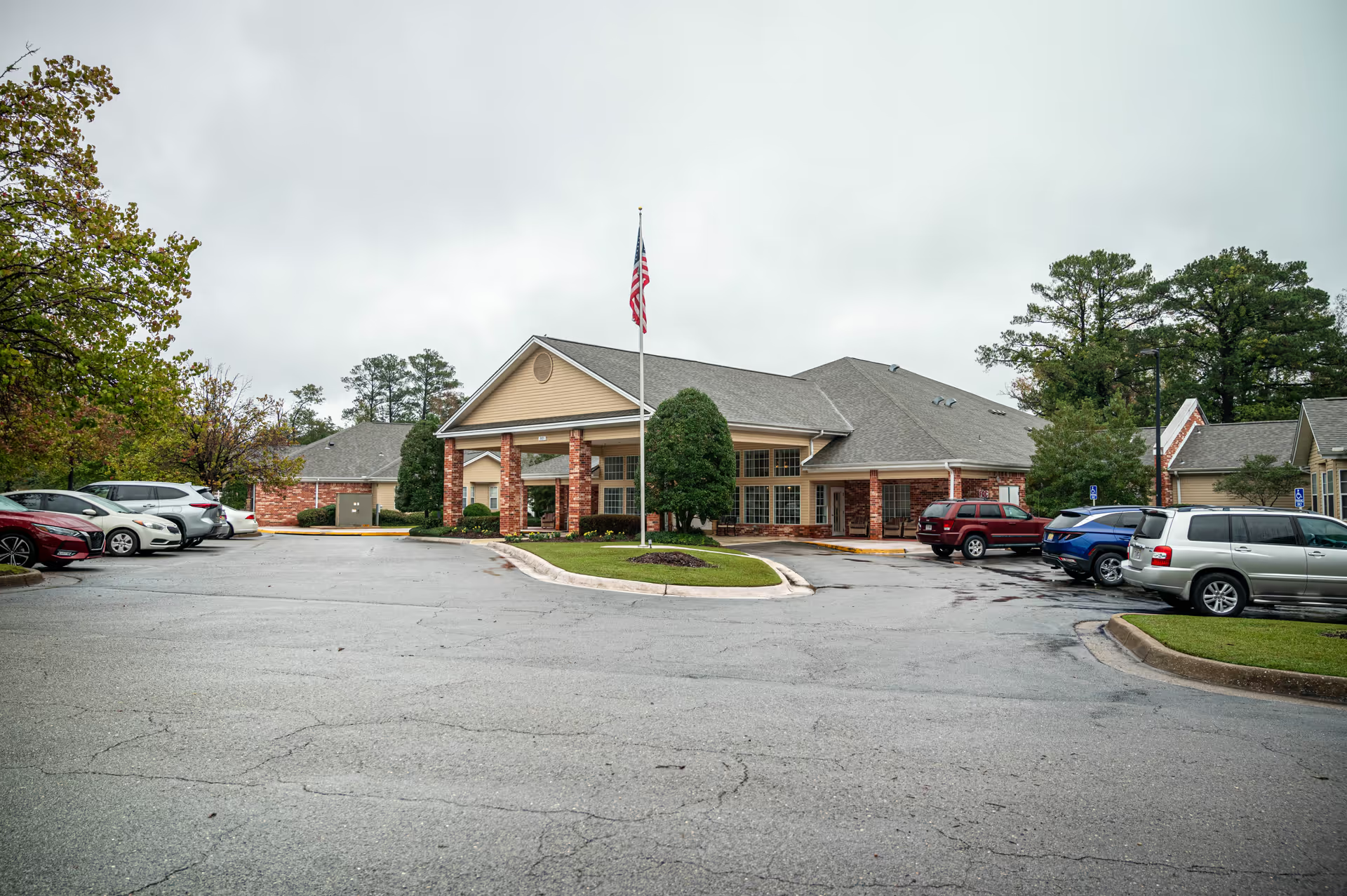
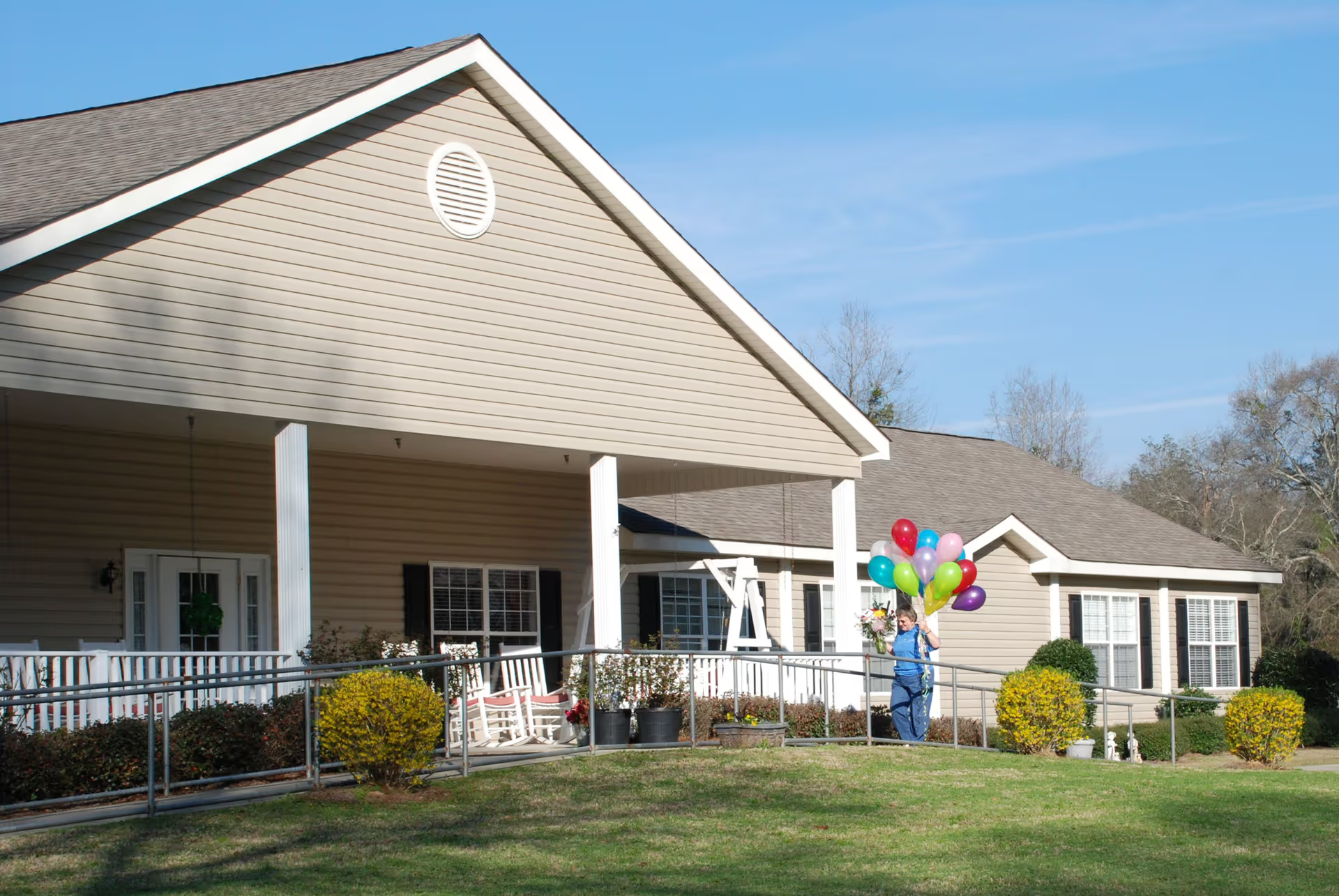
The reviews present a markedly mixed picture of care at this facility. On the positive side, several accounts describe a clean, orderly environment with staff who know residents, active therapy services, a calm and respectful atmosphere, and visible leadership presence. These elements suggest strengths in rehabilitation programming, relationship-based care in some units, and management visibility when those reviewers interacted with the facility.
At the same time, other reviews raise significant operational concerns that appear to be recurring themes rather than isolated comments. Cleanliness and sanitation were inconsistent across accounts: while some reviewers praised well-maintained areas, others described odor concerns, room- and bathroom-maintenance issues, and pest-control problems in shared spaces. These observations point to variability in environmental-services performance and that housekeeping and pest-control processes may not be uniformly enforced.
Staffing and clinical care are similarly polarized. Positive impressions emphasize staff familiarity with residents and respectful interactions, but negative accounts describe unprofessional conduct, dismissive communication, and lapses in clinical responsiveness. Taken together, these indicate variability in staff professionalism and communication skills, along with gaps in clinical care quality and safety that families found concerning. Several reviews also raised issues about hospice or end-of-life coordination and transitions of care, suggesting inconsistent procedures or oversight in these high-acuity situations.
Management and incident response show mixed signals. Some reviewers noted visible leadership and a calm environment under that presence, while others called for stronger accountability, better family communication after incidents, and more reliable emergency/transport and discharge procedures. A small number of reviews included allegations prompting calls for regulatory or legal review; these appear to be serious, individual concerns and underscore the importance of transparent incident investigation and consistent family outreach.
There is little consistent information about dining from the supplied summaries; no clear theme emerged regarding food quality or meal service continuity. Activities beyond therapy were not widely described beyond the rehabilitation program and the facility's generally calm atmosphere.
For prospective residents and families, the pattern to note is variability: some units or shifts appear to deliver strong rehabilitative care and resident-centered attention, while others may have operational weaknesses in sanitation, staff conduct, clinical oversight, and transition management. Visitors and decision-makers should seek recent, direct observations of cleanliness and staff interactions, ask for details on hospice and transfer protocols, request documentation of incident-response procedures, and confirm how the facility handles pest control and housekeeping on an ongoing basis.