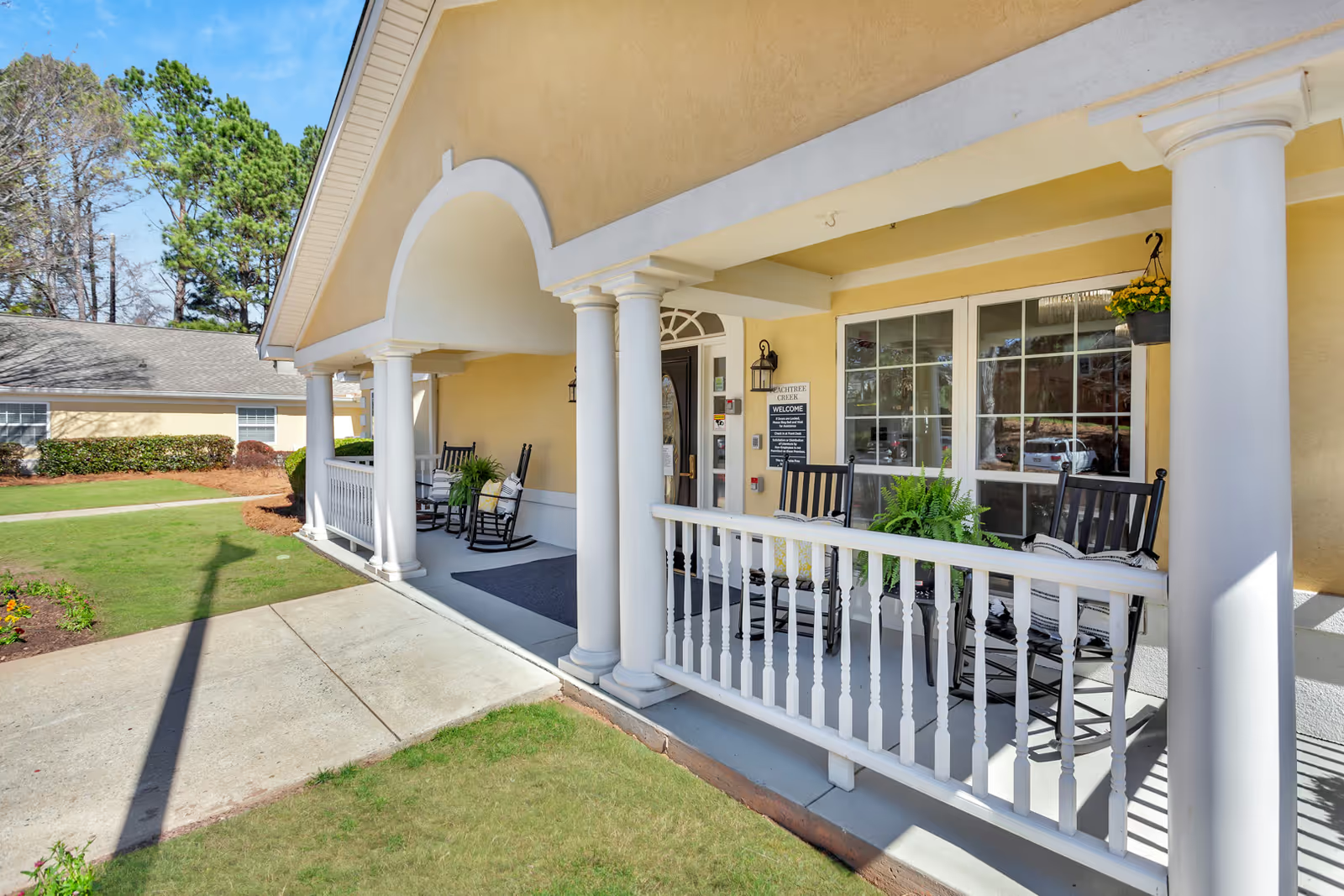
This facility elicits a wide range of family and resident experiences, producing a polarized overall impression. Positive accounts consistently highlight compassionate front-line caregivers — nurses, CNAs and restorative therapists — who support mobility recovery, successful short-term rehabilitation and community discharges. Reviewers praised attentive staff members, a welcoming courtyard/garden area, engaging social activities (games and karaoke), and specific leaders who have initiated visible improvements.
Conversely, an important pattern in the feedback is inconsistent operational performance. Many families described staffing shortages or uneven staffing across shifts that correlate with delayed responses to call buttons and assistance requests. Those delays are linked to concerns about personal-care routines (bathing, shaving, assistance with toileting and hydration) and to clinical follow-up after procedures such as catheter care or dialysis. While some residents received timely, high-quality clinical care, others experienced care gaps that led to hospital transfers or family-initiated escalations; these serious individual accounts raise concerns about clinical incident response and family communication during critical events.
Food and activities are another mixed area. Several reviewers reported lukewarm meals, small portions or inconsistent meal timing, while others found the dining service adequate. Social programming exists and can be meaningful for residents, but availability and consistency of activities and restorative therapy appear variable by unit and time of day.
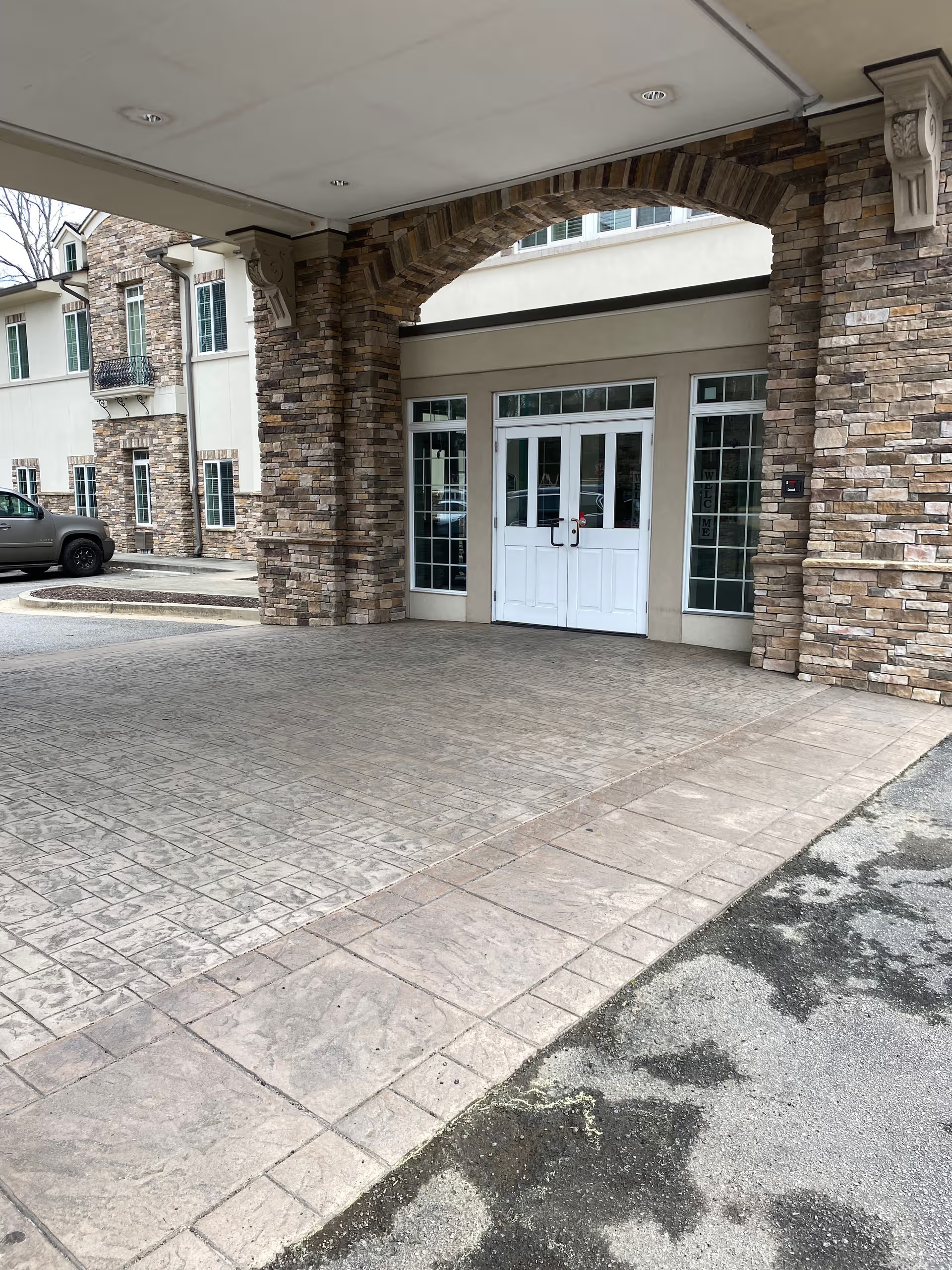
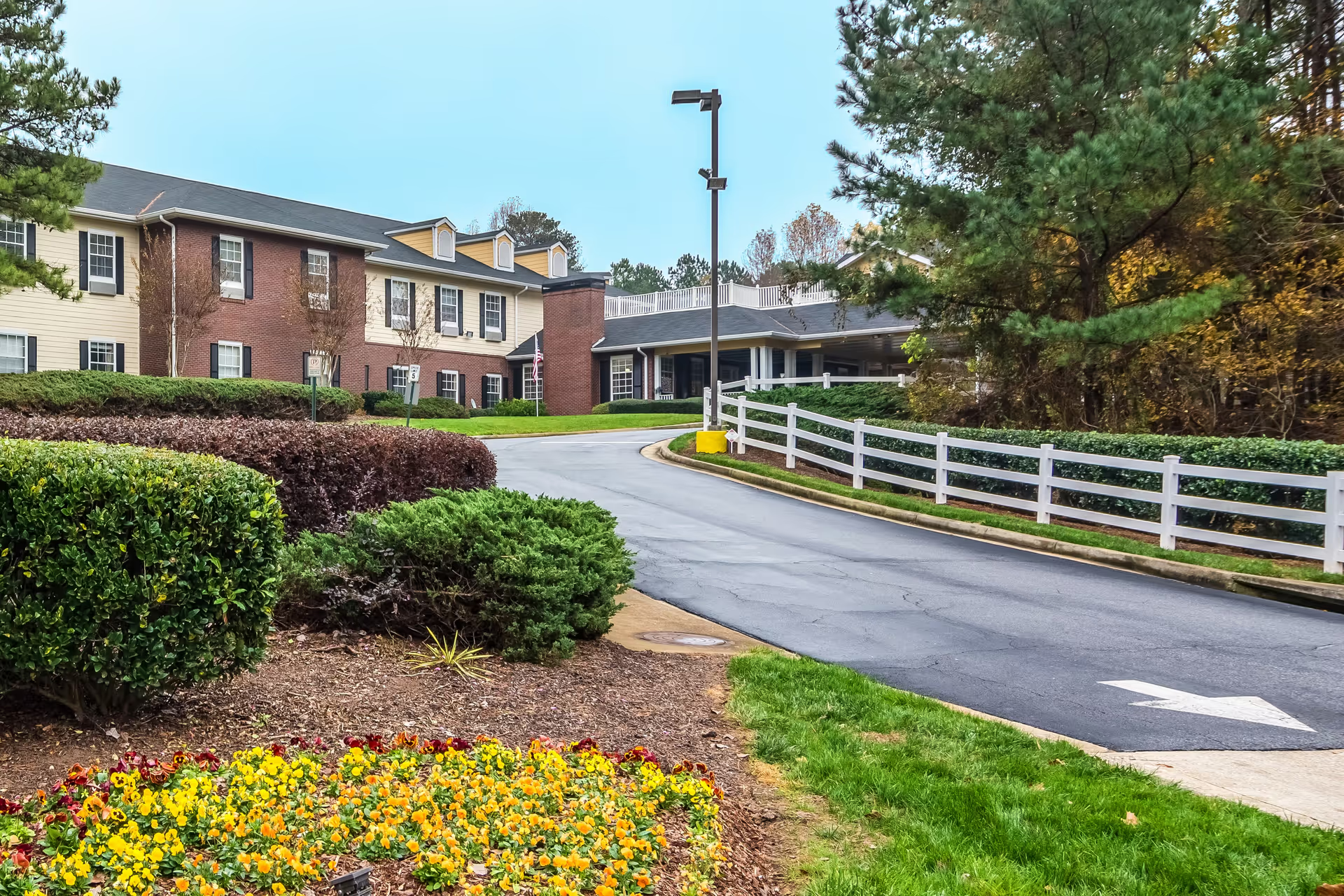
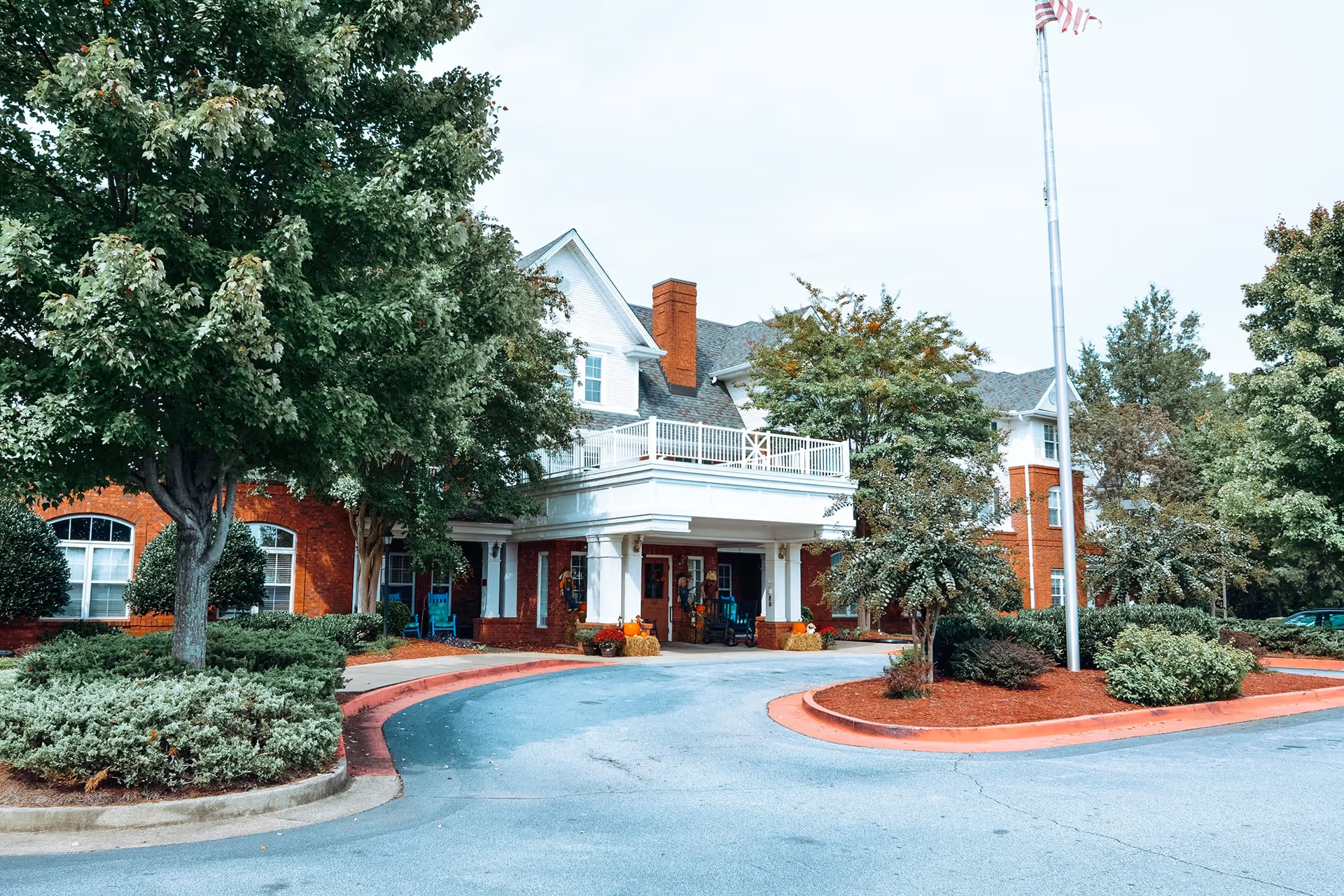
Facility condition and environmental issues recur in the feedback. Families cited maintenance problems (roof leaks, water damage, aging infrastructure, limited air conditioning), sanitation and odor concerns in parts of the building, and pest-control issues. At the same time, some common areas and individual units were described as clean and well-kept. Laundry and personal-belonging handling was uneven: some families were pleased, others reported missing or damaged items.
Management and administration receive both praise and criticism. Several reviewers commended specific administrators and improvement efforts; others described poor responsiveness from admissions or the business office and inconsistent family communication. There are also reports of security and property-safety incidents and serious allegations involving financial exploitation; these are individually serious claims that would warrant verification through facility management and, if appropriate, regulatory channels.
Overall, the notable pattern is variability: the facility demonstrates clear strengths in compassionate caregiving and effective rehabilitation for many residents, but operational weaknesses — staffing inconsistency, maintenance and sanitation issues, uneven clinical oversight, and lapses in communication — create risk for less favorable outcomes. Prospective residents and families should tour the building at different times of day, ask about current staffing ratios and restorative schedules, review clinical protocols for catheter and post-dialysis care, clarify laundry and personal-item processes, and inquire about recent safety and regulatory findings before making placement decisions.