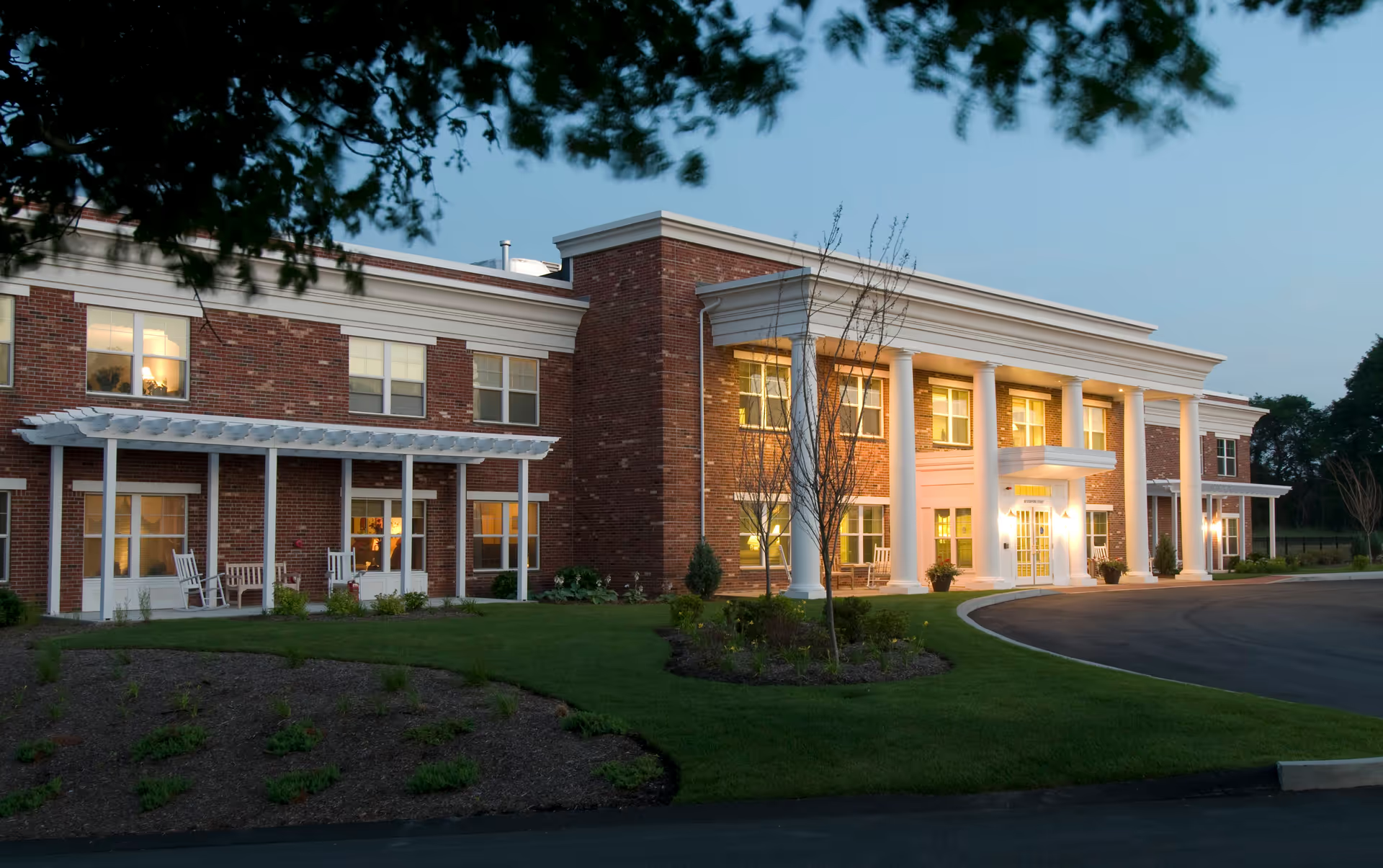
Reviews convey a mixed picture of The Tremont Rehabilitation and Skilled Care Center, with a clear split between strong hands‑on caregiving and several operational shortcomings. Many families praised direct-care staff — nurses, CNAs and therapy teams — for compassion, responsiveness, and effective rehabilitation outcomes. The admissions team and hospice coordination were frequently described as helpful, and activities programming (including options for residents with limited verbal ability) and virtual-visit facilitation were noted as positive features.
Clinical-care strengths appear concentrated in skilled rehabilitation and hospice support. Physical therapy and rehab staff receive consistent positive feedback for helping residents make measurable progress. At the same time, a subset of families raised serious clinical concerns, including pressure‑injury (wound) management, medication oversight (including use of antipsychotic medications for behavior management), and timeliness of basic care tasks. There are recurrent accounts of delayed responses to call bells and care requests that translate into perceived gaps in care continuity.
Staff culture is portrayed unevenly. Numerous reviewers described compassionate, attentive nurses and CNAs who ‘‘go above and beyond’’ and create a family‑like environment. Conversely, other reviewers reported variable professionalism, issues with tone or communication style, and examples where caregiver conduct felt dismissive. Administrative responsiveness is another recurring theme: some families praised admissions and front‑desk interactions, while others found complaint follow‑up and escalation through management or corporate channels to be insufficient.
Dining and activities receive mixed evaluations. Positive comments highlight varied menus, friendly dining staff, and improvements over time. Negative comments focus on occasional cold meals, inconsistent meal presentation or missing dining accoutrements, and interruptions to meal‑service continuity. The activity program is generally seen as a strength, with efforts to include residents who are nonverbal or have cognitive impairment.
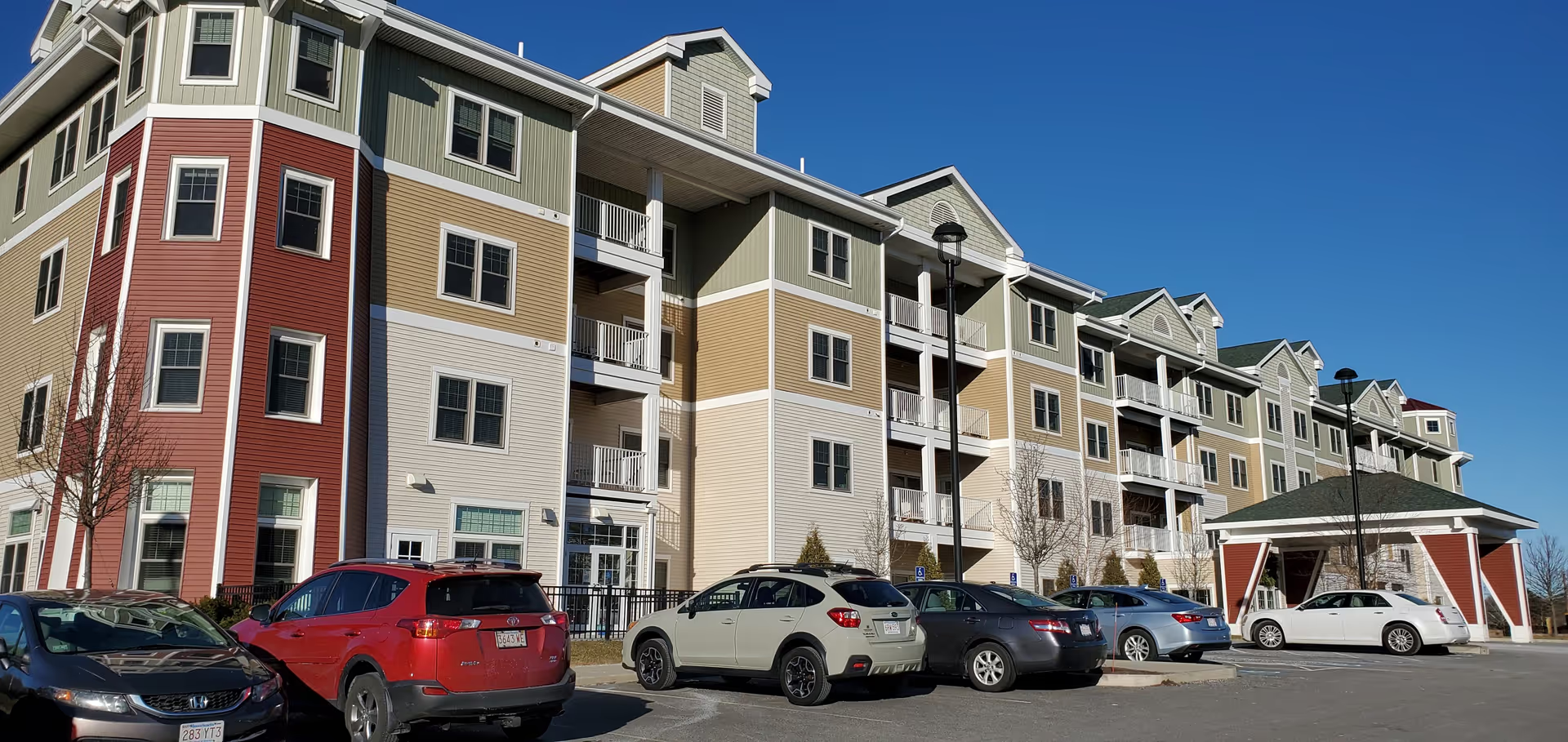
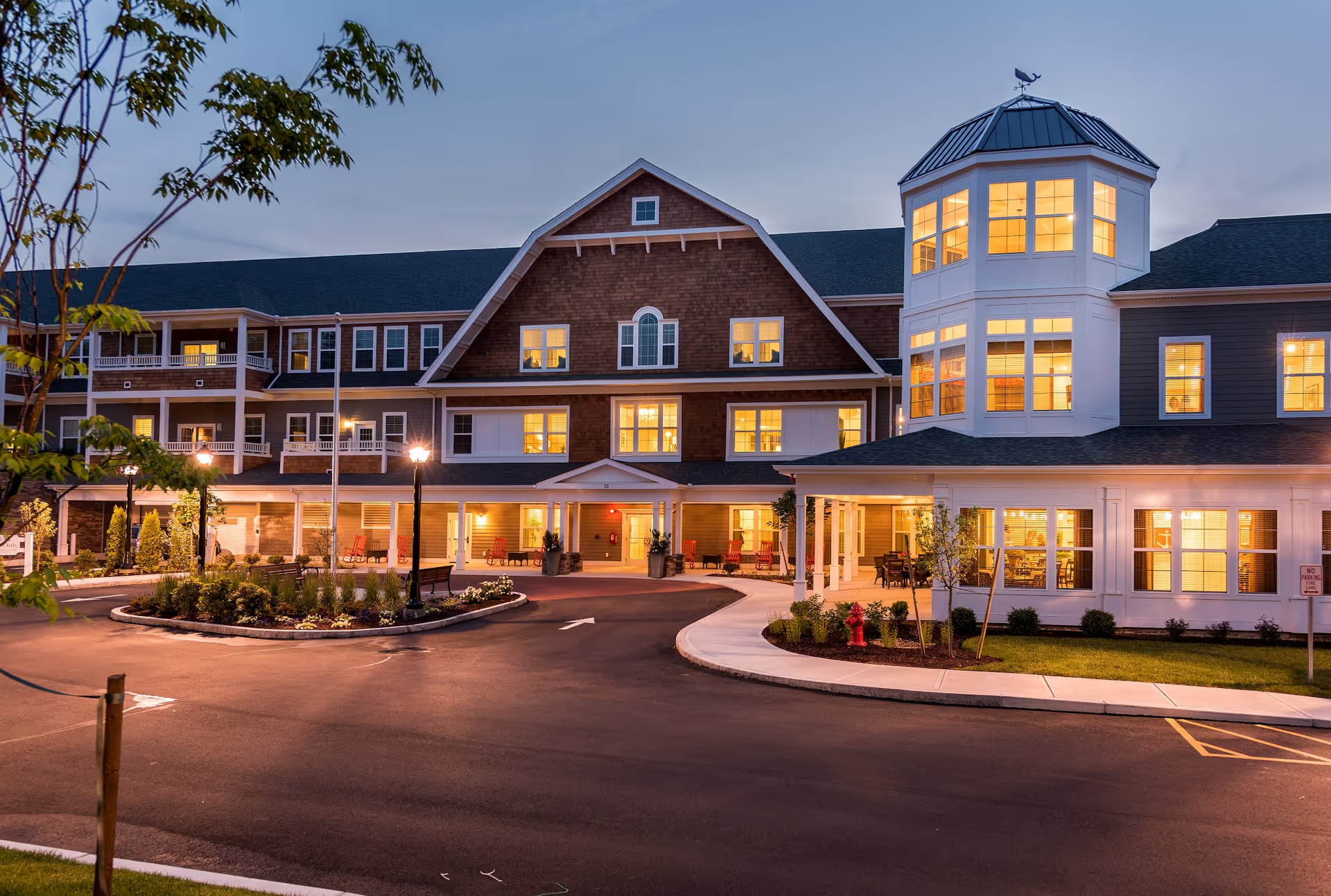
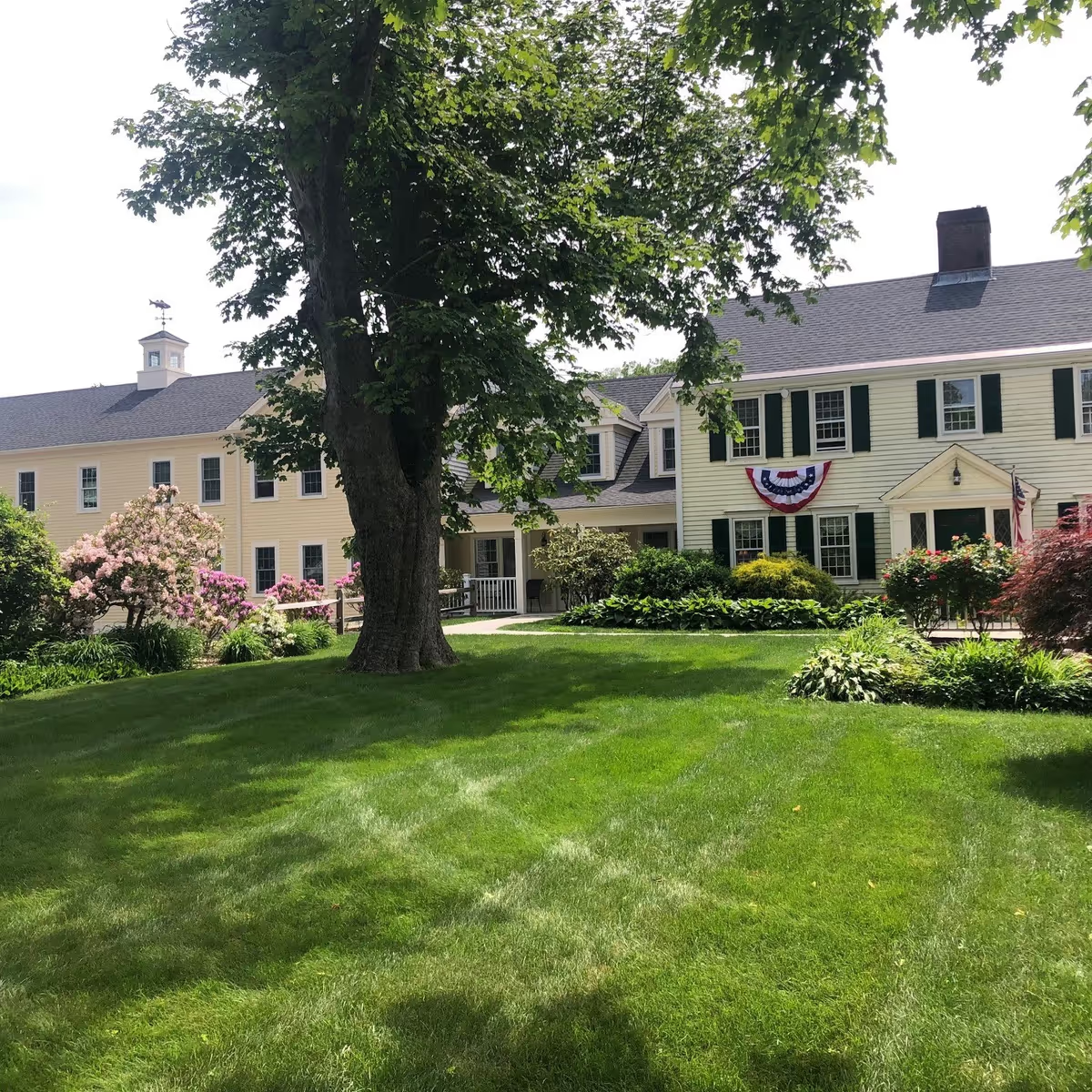
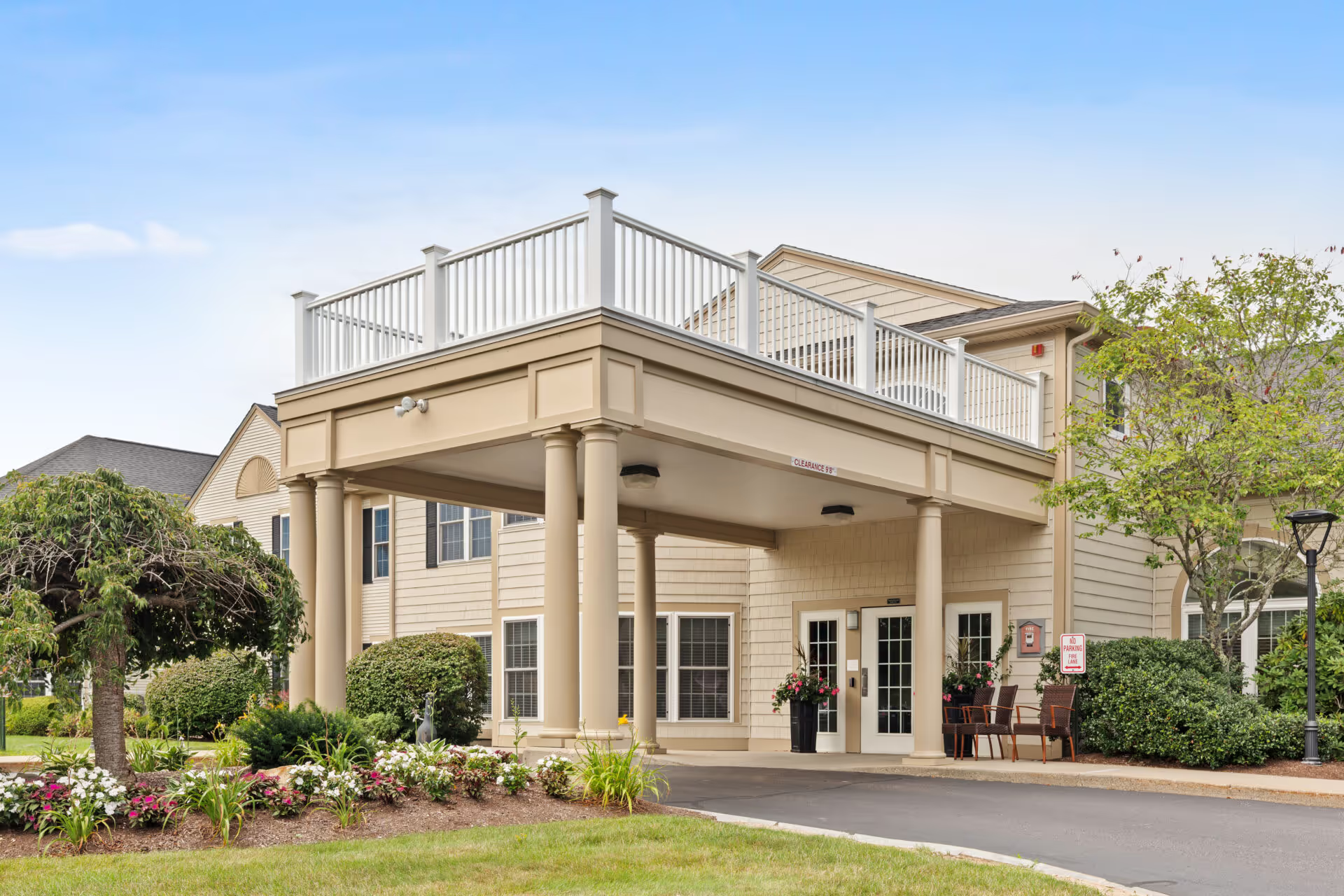
Facility condition and safety are described inconsistently. Several reviewers called attention to sanitation and odor concerns in particular units and raised pest‑control questions; other reviewers described clean, well‑maintained rooms and communal spaces. Environmental issues such as dim lighting and balance/fall‑risk factors were noted. Operational policies—particularly restrictive after‑hours exit controls and inconsistent infection‑control/quarantine practices—were cited as sources of family frustration, especially during infectious‑disease events.
Taken together, the pattern suggests a facility with strong direct-care and therapy capabilities that is unevenly supported by operational systems: staffing consistency, clinical oversight of wound and medication management, environmental maintenance, and administrative escalation processes. Prospective residents and families may benefit from targeted questions during a tour and intake conversation: ask about current staffing ratios on the unit, pressure‑injury prevention protocols, medication‑review processes, recent pest‑control and sanitation measures, how call‑bell response times are tracked, policies for after‑hours egress and visitation, and how complaints are escalated and resolved. Reviewing the facility’s most recent inspection and staffing reports and arranging a focused visit during mealtime and therapy hours can help clarify whether the facility’s strengths align with the prospective resident’s needs.