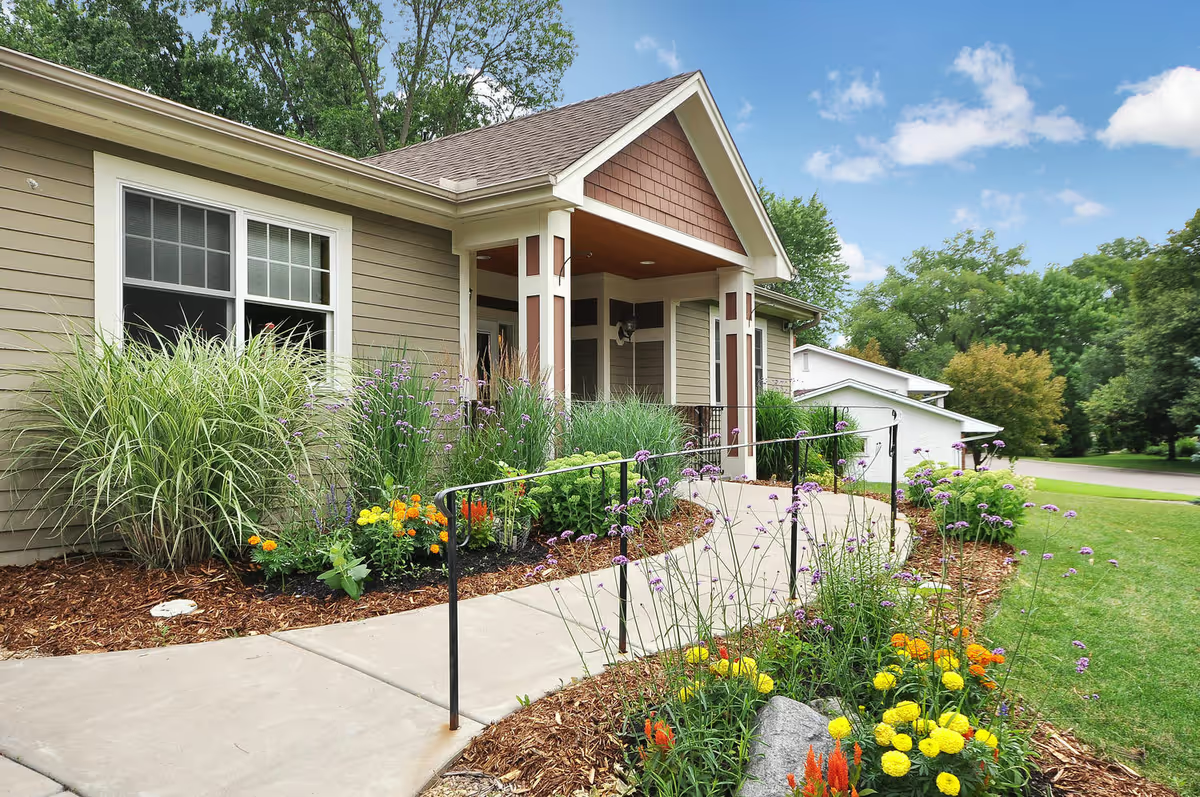
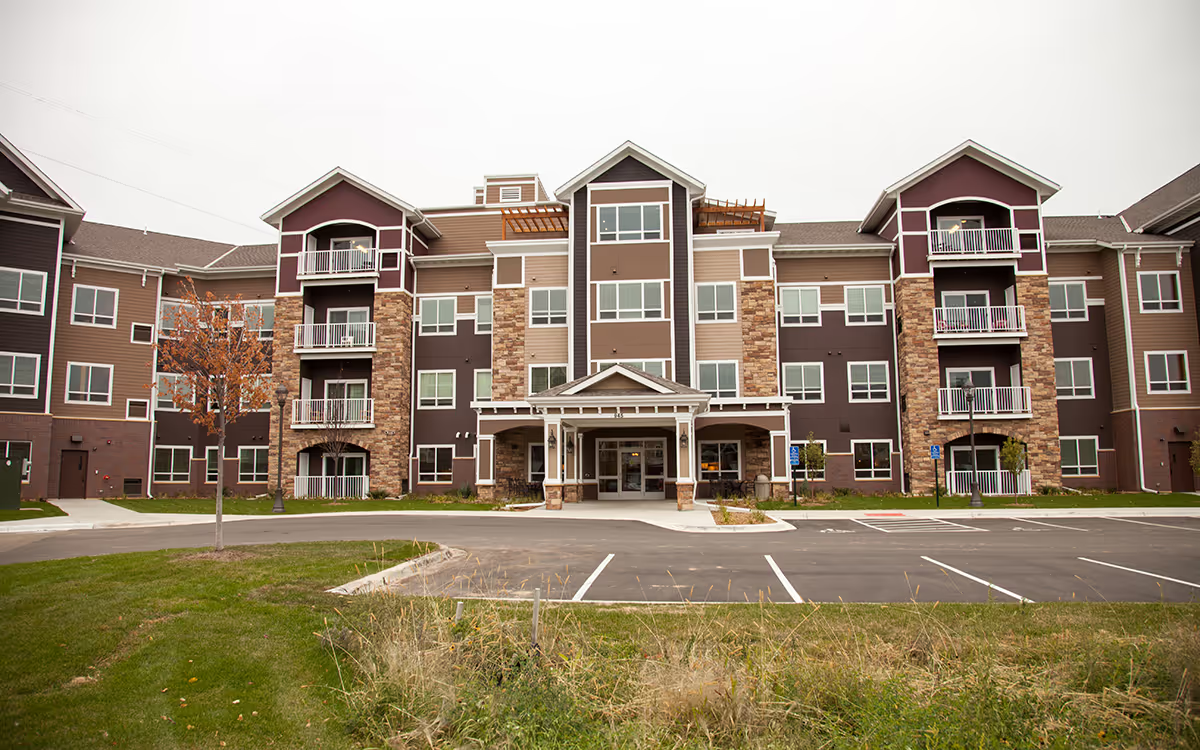
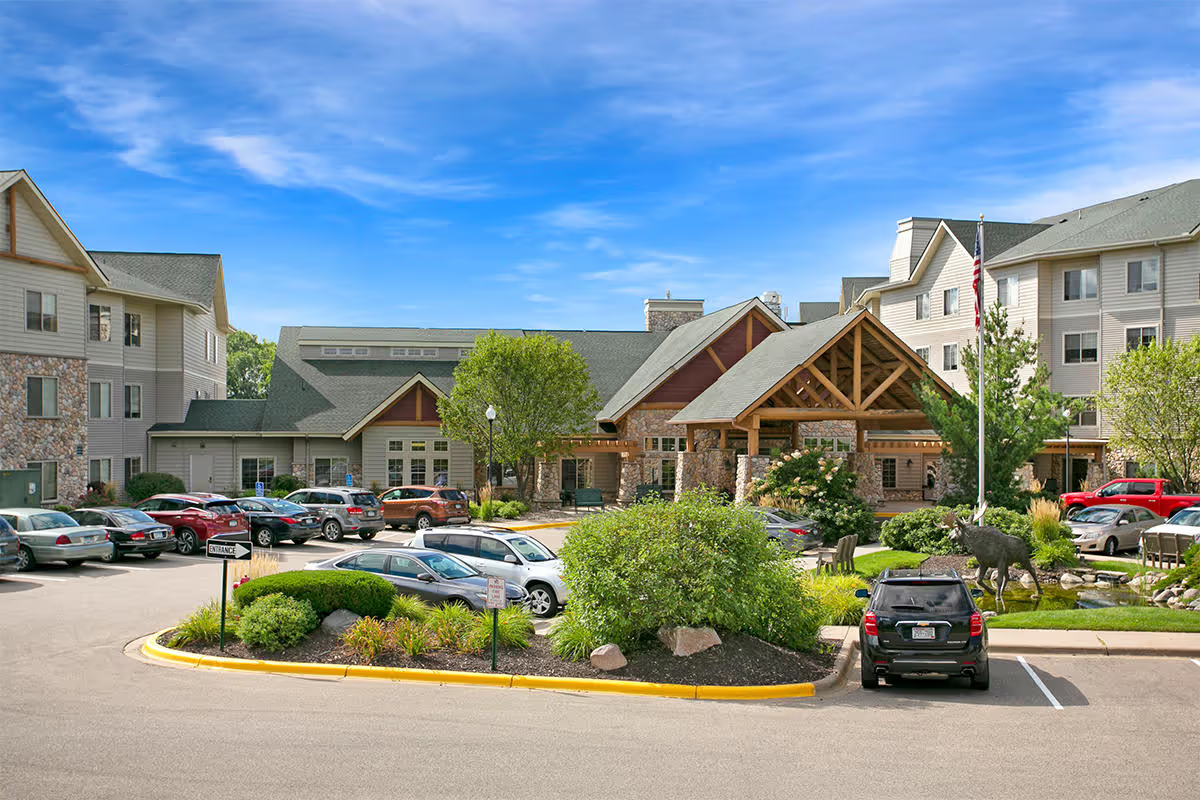
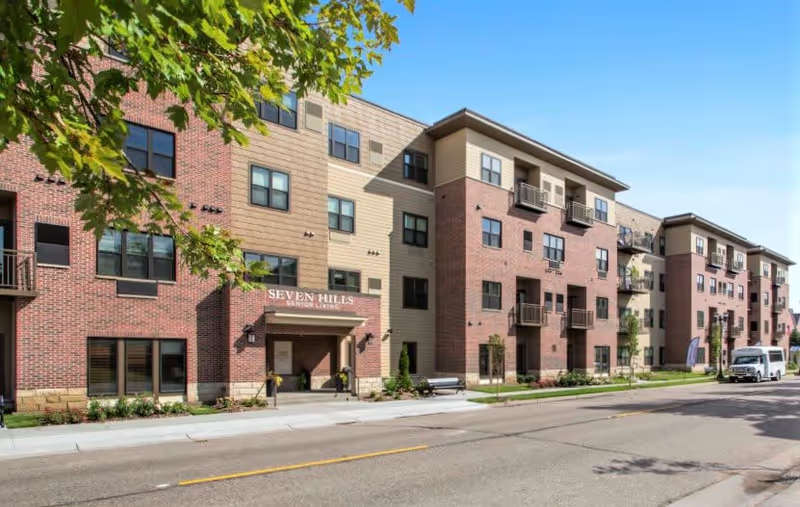
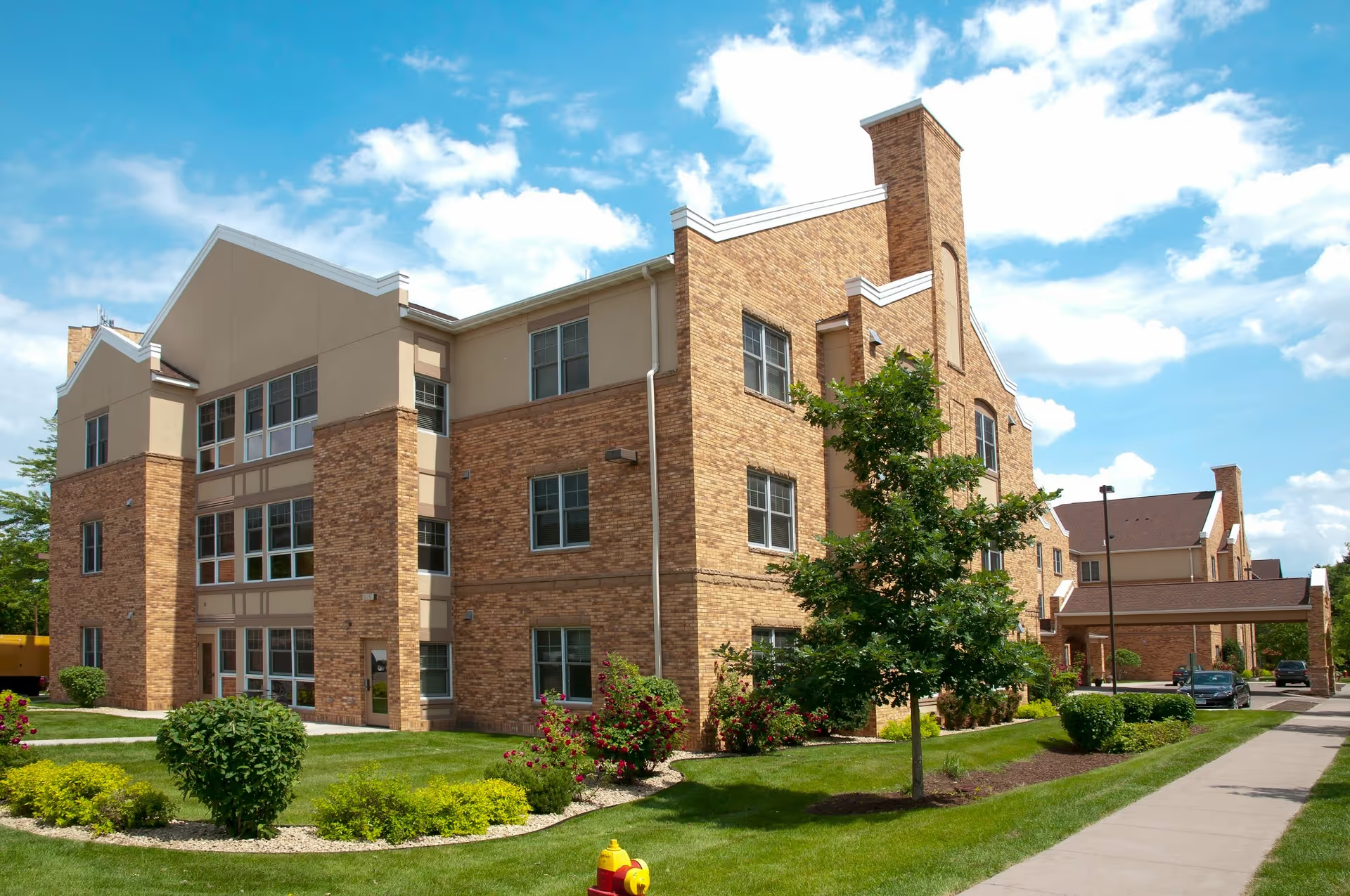
Westwood Ridge 1 presents as a well-appointed, activity-rich senior community with many features that families and residents appreciate. Common strengths cited include bright, spacious apartments, comfortable communal areas, an active life-enrichment calendar, and a range of onsite amenities such as a fitness center, salon, library, and scheduled transportation. Many reviewers praised the warmth of individual caregivers, the welcoming resident community, festive family events, and responsive maintenance for routine building needs and groundskeeping.
Care quality descriptions are mixed. Numerous accounts highlight compassionate, attentive direct-care staff and available therapy/rehabilitation services; several families reported positive short-stay rehabilitation outcomes and helpful physical-therapy interactions. At the same time, there are recurring operational concerns: inconsistent staffing levels (notably on evenings and weekends), delayed responses to call buttons and bathroom requests, and documented medication-administration problems. A subset of reviewers described serious clinical events that resulted in hospital transfers and subsequent questions about return-to-facility decisions, which points to variability in the community's ability to manage higher-acuity needs reliably.
Staff performance is a prominent theme. Many reviewers explicitly commended individual staff members for kindness, professionalism, and engagement with residents. However, others noted variability in staff conduct and training, occasional brusque or disrespectful interactions, and a pattern of weaker coverage on weekends or night shifts. Communication gaps were reported both in staff-to-staff coordination (for example, between therapy and social work) and in family-facing communication about care plans, medication changes, and discharge timing.
Dining and hospitality impressions are similarly mixed. The community has an on-site chef and several accounts of attractive, holiday or event meals that families enjoyed. Conversely, day-to-day meal quality and service execution were described as inconsistent by some reviewers—issues included temperature, plating, and food texture—so prospective residents should sample meals and ask about menu rotation and food-service safeguards.
The facility and amenities are frequently cited as positives: secure parking, pleasant outdoor spaces, a large central community room, and apartment features such as walk-in showers and generous storage. That said, there are some operational maintenance issues reported intermittently (drafty windows, heating problems, carpet or paint needing refresh) and isolated sanitation or pest-control concerns in a few areas. Safety-related items also appear in several accounts—examples include doors being left unsecured, concerns about transfer procedures, and inconsistent use of safety protocols around medical devices—suggesting that safety practices may be unevenly enforced.
Management and organizational patterns warrant attention during tours and decision-making. Reviewers pointed to uneven front-desk coverage, limited formal onboarding for new residents (including dining orientation), inconsistent follow-through on medication and therapy plans, and occasional shortages of clinical supplies. COVID-era restrictions amplified some service limitations for a period, and some families connected temporary cutbacks to pandemic staffing impacts. Prospective residents and families should ask direct questions about current staffing ratios (day, evening, weekend), emergency-response protocols, medication administration procedures, discharge and readmission policies, and how the community handles supply-chain or equipment shortages.
In summary, Westwood Ridge 1 offers many attractive features—strong life-enrichment programming, comfortable apartments, and numerous caring staff members—that make it a good fit for independent or assisted residents whose needs are stable and whose priorities include social engagement and amenities. For residents with higher or unpredictable medical needs, families should conduct focused due diligence: tour multiple times (including evenings/weekends), observe meal service, review recent staffing levels and clinical protocols, and request documentation of medication and discharge procedures before committing. This will help ensure expectations about clinical oversight, safety practices, and day-to-day service consistency are aligned with the community's current operations.